
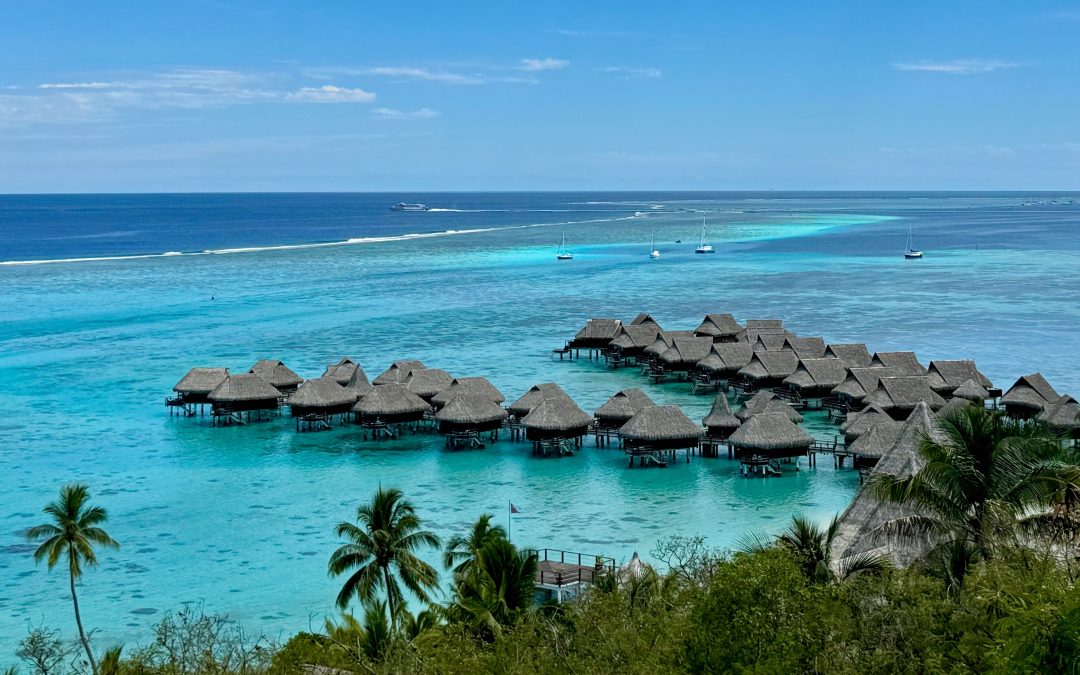
Picture this: You’re lounging on a pristine beach in French Polynesia, sipping coconut water straight from the shell, with your only dilemma being whether to snorkel in turquoise lagoons or indulge in freshly prepared poisson cru. French Polynesia isn’t just a destination—it’s the very definition of paradise.
With iconic overwater bungalows, dramatic volcanic peaks, and pristine beaches, you will wonder why you didn’t visit this South Pacific gem sooner. Whether you’re seeking adventure, romance, or simply the ultimate escape, pack your sunscreen, ditch the stress, and prepare to be swept off by the magic of French Polynesia.
As a seasoned traveler, Kathy knows which information is important to know for an enjoyable, affordable trip to French Polynesia. Have done the exhaustive research for you, Kathy’s Ultimate Travel Guide to French Polynesia will make your travel a bit easier.
For inspiration, check out Kathy’s French Polynesia Travel Gallery. For island specific information, read Kathy’s Ultimate Travel Guide to Tahiti, Ultimate Travel Guide to Moorea, and Bora Bora.
Table of Content
Basic Facts

French Polynesia is a semi-autonomous French territory with 118 islands and atolls. It lies in the South Pacific, halfway between Australia and South America. It is considered a very safe destination (level 1: exercise normal caution), making it ideal for worry-free travel.
Time Zone
French Polynesia operates in the Tahiti Time Zone, which is 10 hours behind Coordinated Universal Time (UTC-10). It does not observe daylight saving time. It is about 23 hours behind New Zealand, 21 hours behind Australia, 11-12 hours behind France, 5-6 hours behind U.S. Eastern Time Zone, and 2-3 hours behind U.S. Pacific Time Zone.
Currency
The currency used is the French Pacific Franc (XPF), often referred to as CFP Franc. As of December 31, 2024, the exchange rate is approximately 1 U.S. dollar= 115 XPF and 1 EUR = 119 XPF. Keep an eye on currency conversion rates if traveling from outside the Pacific region.
While credit cards are accepted in major hotels and resorts, it’s advisable to carry cash for smaller establishments and remote islands. There are two ATMs outside of the International Arrival of Faa’a International Airport (PPT).
Power Outlets

French Polynesia uses Type C and Type E power outlets with a standard voltage of 220-240V and a frequency of 50 Hz. It is always a good idea to carry a universal adapter to ensure compatibility with French Polynesia’s outlets.
Languages
The official language in French Polynesia is French. However, many locals also speak Tahitian (Reo Tahiti), especially on the small islands. English is widely understood in tourist areas.
Polynesia Culture
French Polynesia’s culture is a vibrant blend of Polynesian traditions and French influences. The islands are renowned for their warm hospitality, traditional music and dances like the ‘ote’a, which tells stories through rhythmic movements and drums. Handicrafts such as woven mats, carved wooden artifacts, and tapa cloth reflect deep artistic heritage. Festivals and ceremonies are often centered around nature and ancestral respect. They highlight the importance of community and spirituality. From the iconic flower crowns hei to the traditional ma’a Tahiti meals cooked in earth ovens, every element of French Polynesia celebrates its rich cultural roots.
Weather and Best Time to Visit

The proximity to the equator gives French Polynesia its warm, tropical climate, with consistent air and water temperatures (on average between 25 °C/77°F to 27°C/80°F) throughout the year.
It has only two seasons: dry season and wet (rainy) season.
Dry Season (May to October)
The dry season is cooler, less humid, with minimal rainfall. In general, the dry season is considered the best time to visit French Polynesia, as the weather is ideal for outdoor activities. However, it is also the high tourism season. The prices for accommodations, activities, and flights are generally much higher than other times of the year.
Wet (Rainy) Season (November to April)
The wet season is also considered the summer season, because it is hot and humid. Although rain occurs more frequently, it typically comes in short, intense bursts rather than all-day downpours. Mornings are often sunny, with rain showers or thunderstorms in the afternoon or evening. The wet season is the low tourism season, with fewer tourists and more affordable accommodation prices.
Shoulder Months (April and November)
April and November, the shoulder months, have become increasingly popular with visitors. These months offer a balance of good weather and fewer crowds. Rainfall is starting or tapering off, and accommodations are more affordable than during the peak season.
In all, there is not a bad time to visit French Polynesia. You really could enjoy the islands all year around.
Get There and Around
To reach French Polynesia, international visitors typically fly into Faa’a International Airport (PPT) in Tahiti, the main gateway to the islands.
Non-stop direct flights are available from major cities on the U.S. west coast, such as Los Angeles, San Francisco, and Seattle. There are non-stop direct flight available from Honolulu, Tokyo, and Auckland. The direct flight from Paris has a stop in Los Angeles.
- Delta Airline, Air Tahiti Nui, Air France offer non-stop direct flight from Los Angeles International Airport (LAX) in Los Angeles.
- United Airline offers non-stop direct flight from San Francisco International Airport (SFO) in San Francisco.
- Air Tahiti Nui offers non-stop direct flights from Seattle–Tacoma International Airport (SEA) in Seattle.
- Hawaiian Airlines offers non-stop direct flights from Daniel K. Inouye International Airport (HNL) in Honolulu.
- Air Tahiti Nui (share code with JAL) offers non-stop direct flights from Narita International Airport (NRT) in Tokyo.
- Air New Zealand offers non-stop direct flights from Auckland Airport (AKL) in Auckland.
Once in Tahiti, domestic flights via Air Tahiti and Air Moana connect you to other islands like Bora Bora, Moorea, and Raiatea. Alternatively, various ferry services are available for traveling to nearby islands such as Moorea.
Top Destinations

Tahiti
Tahiti is the largest island in French Polynesia, also the gateway to the South Pacific. It is known for its black-sand beaches, towering waterfalls, and vibrant local markets. It offers a blend of nature and culture. Highlights: Papeete Market, Fautaua Waterfall, and Water Gardens Vaipahi. Check out Kathy’s Ultimate Travel Guide to Tahiti.
Moorea
Known as Tahiti’s sister island, Moorea has a lot to offer. It boasts dramatic volcanic peaks, lush rainforests, and crystal-clear lagoons. It’s perfect for hiking, snorkeling, and exploring authentic Polynesian culture. Highlights: Belvedere Lookout, Opunohu Bay, and vibrant coral reefs. Check out Kathy’s Ultimate Travel Guide to Moorea.
Bora Bora
Often called the “Pearl of the Pacific,” Bora Bora is the most famous destination in French Polynesia. It is celebrated for its turquoise lagoons, luxurious overwater bungalows, and dramatic Mount Otemanu. It’s the ultimate destination for romance and relaxation. Highlights: Snorkeling with rays and sharks, Matira Beach, and Mount Otemanu views.
Taha’s
Taha’a is known as the “Vanilla Island” in French Polynesia. It is surrounded by a shared lagoon with Raiatea and offers a serene escape. Its vanilla plantations and coral gardens provide a mix of agriculture and natural beauty. Highlights: Snorkeling in Coral Garden and visiting local vanilla farms.
Rangiroa
Rangiroa in the Tuamotu Archipelago is one of the largest in the world. It is a haven for divers. Its Blue Lagoon and Tiputa Pass are world-renowned for encounters with sharks, dolphins, and manta rays. Highlights: Scuba diving, pearl farms, and remote beach retreats.
Huahine
Huahine is known as the “Garden of Eden.” The island offers unspoiled landscapes, traditional villages, and archaeological sites. It’s ideal for travelers seeking tranquility and authenticity. Highlights: Sacred eels in Faie, archaeological sites, and lush plantations.
Fakarava
Fakarava is the second largest atoll in the Tuamotu Archipelago. Classified as a UNESCO biosphere reserve, it is a diver’s paradise, offering some of the most pristine underwater ecosystems in the world. Highlights: Garuae Pass diving, pink sand beaches, and biodiversity.
Maupiti
Often compared to Bora Bora without the crowds, Maupiti is a small and tranquil island with stunning lagoons and an authentic Polynesian vibe. Highlights: Mount Teurafaatiu hike and snorkeling in the pristine lagoon.
Travel Budget and Cost-Saving Tips

Planning a trip to French Polynesia requires careful budgeting, as it is considered one of the most luxurious and expensive travel destinations in the world. The cost can vary widely depending on the level of luxury and the islands you plan to visit. A 10-day trip for two, including visits to popular islands like Tahiti, Moorea, and Bora Bora, can cost anywhere from $8,000 to $20,000 or more, depending on your choice of accommodations, activities, and dining.
Accommodation Cost
Accommodation costs in French Polynesia vary based on factors such as the location, season, the type of lodging, and the level of luxury.
- Overwater bungalows could cost from $750 to over $2,500 a night.
- Beachfront and garden bungalows cost slightly less between $500 and $2,000 per night.
- Mid-range hotels and vacation rentals cost somewhere from $200 to $800 per night.
- Guesthouses and pensions offer rates starting around $150 per night.
Tip:
- To secure better rates, book well in advance.
- Plan your visit during the low season.
- Book award accomodation using points through loyalty programs.
- Vacation packages by Venture Tahiti or Costco Travel often offer good deals.
Food and Drink Cost
In general, restaurants in French Polynesia are few and expensive. Nonetheless, you can still find a range of options from local eateries to upscale restaurants, with costs varying accordingly. Cheaper eateries are more available on big islands such as Tahiti.
- $: A combo meal at fast-food chains like McDonald’s costs approximately $10-$15.
- $$: A simple lunch such as a poke bowl at a budget-friendly establishment typically costs around $15-$20 per person.
- $$$: A dinner meal at a mid-range restaurant averages about $30-$50 per person,
- $$$$: Dining at a nice restaurant or in a resort usually costs $100+ per person.
Beverages can add up the cost of a meal.
- Domestic Beer is perhaps the most economical alcoholic beverage that costs $5-$8 per 0.5-liter draught.
- Wine price is similar to U.S. that costs $10-$20 per glass.
- Cocktails are the most expensive that usually costs $30+ per drink.
Tip:
- Choose vacation packages that include meal plans.
- Skip lunch and pack a variety of snacks like peanut butter, beef jerky, and crackers to keep you fueled throughout the day.
- Bring your own liquors (the allowance is 2 liters of alcohol) and make your own cocktails. Don’t forget your tumbler.
Airfare Cost
For a round-trip from major U.S. cities, the airfare for economy class typically cost about $1,200-$2.000, and the airfare for business class typically ranges from $4,500-$6,500.
Tip:
- Booking award flights using frequent flyer miles or points through airline loyalty programs.
- Vacation packages can include the airfare. However, it does not always save money to book the flight through a travel agency. Shop around for the best deal.
Excursion Cost
When planning excursions in French Polynesia, it’s important to budget for a range of activities that cater to diverse interests, as their costs can vary significantly.
- Snorkeling tour: Prices typically range from $100 to $150 per person for a half-day tour.
- Diving excursions: Single-tank dives cost around $100, while two-tank dives are about $150.
- Whale watch tours: Prices typically range from $120 to $180 per person.
- Private tours or excursions: It usually costs $500+ for the group.
Please note that these prices can vary based on factors such as the specific tour operator, season, and included amenities. It’s advisable to research and book excursions in advance to ensure availability and secure the best rates.
Tip:
- Booking in advance directly with venders or through third-party platforms such as Viator or TripAdviser.
- Consider exploring free or low-cost activities such as hiking, visiting public beaches, and snorkeling in designated areas.
- If booking vacation packages with a travel agency, ask for a free excursion as the signup bonus.
Car/Scooter Rental Cost
Renting a car or scooter in French Polynesia offers the flexibility to explore the islands at your own pace. Rental rates vary based on factors such as the type of vehicle, rental duration, and the specific island.
- Economy Cars: $100+ per day with unlimited mileage, and $50+ per day with limited mileage.
- Scooters: Typically cost between $50 and $80 USD per day.
Additional Considerations:
- Security Deposit: A deposit is typically required, often around $1,000, though this can vary by company.
- Extras: Additional services, such as a second driver or child seat, may incur extra fees, approximately $20 per service.
- Mileage Policies: Some companies may not offer unlimited mileage and could charge based on the distance driven. It’s advisable to inquire about mileage limits and any potential fees upfront to avoid unexpected charges.
Tip:
- Booking ahead can secure better rates and ensure vehicle availability, especially during peak tourist seasons.
- Review insurance options and coverage provided by the rental company.
Food Guide
French Polynesian cuisine is a delightful blend of Polynesian traditions, French influences, and fresh local ingredients. The islands’ abundant seafood, tropical fruits, and exotic flavors create a unique and vibrant culinary experience. Meals often feature freshly caught fish, coconut milk, and taro, showcasing the natural bounty of the region.
The most popular dishes are:
Poisson Cru (E’ia Ota)
Poisson Cru in French means “raw fish.” It is the national dish of French Polynesia. To prepare this Oceanian version of Ceviche, fresh raw fish, commonly raw tuna, is marinated or “cooked” in lime juice and coconut milk. It is often served with diced vegetables such as cucumbers and carrots.
Tama’ara’a
A traditional Polynesian feast featuring slow-cooked dishes prepared in an underground oven (ahima’a), including roasted pork, chicken, fish, taro, breadfruit, and desserts such as po’e. The preparation of Tama’ara’a is a whole performance in itself. The food is traditionally wrapped in banana leaves, then buried and steamed in an underground oven called ahima’a, which is filled with hot volcanic stones. After having been cooked slowly for several hours, the food comes out tender, flavorful, and fragrant.
(Kathy’s high recommendation: Every Friday evening, Conrad Bora Bora Nui hosts Tama’ara’a, followed by a traditional Polynesian dance performance, which is a memorable cultural and food experience.)
Fafa
A comforting dish of chicken or pork cooked with taro leaves in coconut milk, offering rich and earthy flavors. The taro leaves must be cooked in saltwater first to remove irritating cacium oxalate from the leaves. Sometimes, spinach leaves substitute taro leaves.
Ma’a Tahiti
A platter of traditional Polynesian staples like poisson cru, breadfruit, sweet potatoes, and poe (a dessert made from fruit and coconut milk).
Po’e
A traditional Polynesian dessert, essentially a sweet, starchy pudding typically made with fruit puree like banana, papaya, or pumpkin, mixed with tapioca flour or arrowroot starch, and served with coconut milk. Po’e is often served during feasts (tama’ara’a).
Top Activities
French Polynesia is a paradise for adventure seekers, relaxation enthusiasts, and culture lovers. Here are some must-try activities:
Snorkeling and Diving
Explore vibrant coral reefs, and swim with manta rays, sharks, and tropical fish in lagoons around Moorea, Bora Bora, Rangiroa, and Fakarava.
Overwater Bungalow Stays
Experience the ultimate luxury by staying in an overwater bungalow, offering direct access to turquoise lagoons and unmatched serenity.
Lagoon Excursions
Sign up a lagoon excursion tour, or explore the lagoon at your own pace with kayak or paddleboard, particularly in Bora Bora and Moorea (many resorts provide their guests kayak and paddleboard for free).
Whale Watching
From July to November, spot humpback whales as they migrate to the warm waters of French Polynesia to mate and give birth.
Hiking
Explore lush trails like the Three Coconut Pass in Moorea or ascend Mount Aorai in Tahiti for breathtaking views.
Surfing/Boogie Boarding
Catch big waves at world-famous surf spots like Teahupo’o in Tahiti, or chase smaller waves with locals in the Taharuu beach.
Cultural Experiences
Visit ancient marae (Polynesian temples), watch traditional dance performances, and learn about Tahitian culture at the Museum of Tahiti and Her Islands.
Black Pearl Shopping
Visit local farms and shops to learn about and purchase Tahitian black pearls, a unique souvenir of the islands.
Traditional Feast (Tama’ara’a)
Join a Polynesian feast featuring dishes cooked in an underground oven and enjoy local music and dance performances.
Sunset Cruises
Relax on a catamaran or outrigger canoe while enjoying a spectacular Polynesian sunset.
FAQs
Q1: What is the visa requirement to enter French Polynesia?
French Polynesia is a French overseas territory, so visa requirements depend on your nationality:
- Citizens of Citizens of the EU/EEA and Switzerland: No visa is required for stays up to 90 days.
- U.S., Canadian, and Australian citizens: No visa is required for stays up to 90 days.
- Citizens of other countries: Some nationalities may require a Schengen visa. French Polynesia does not count toward the Schengen area’s visa-free 90-day limit, but a Schengen visa for French overseas territories may be needed.
- A valid passport (with at least six months remaining) and a return or onward travel ticket are required for entry. Always check with the French consulate or embassy in your country for the most accurate and up-to-date information.
Q2: How do I apply for visa to French Polynesia?
To apply for a visa to French Polynesia, you need to submit your application at the nearest French embassy or consulate, as French Polynesia is considered part of French territory and visa requirements are handled through French diplomatic missions. Check visa requirements, application, and other information at the Official Website for visa for France.