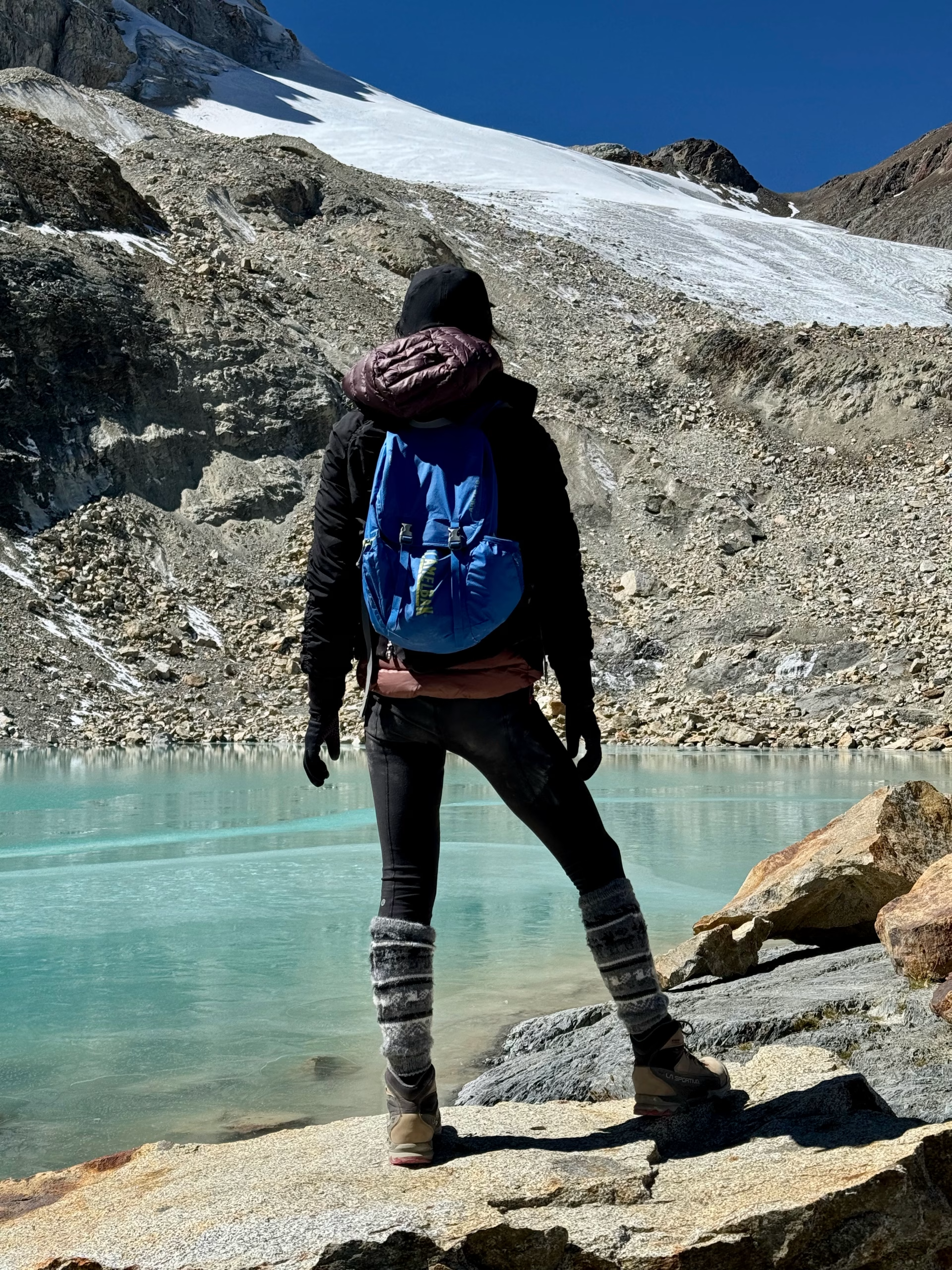

As I searched for one last adventure before leaving Bolivia, the hiking tour to Laguna Esmeralda—the gorgeous Emerald Lagoon tucked high in the Andes—instantly caught my eye. Little did I know, it would become one of the most breathtaking highlights of my trip.
The Emerald Lagoon is a glacial lake nestled in the Cordillera Real mountain range near La Paz, Bolivia. It is situated at approximately 5,000 meters (16,404 feet) above sea level on the slopes of Nevado Charquini, a peak reaching 5,390 meters (17,683 feet). This lagoon is known for its striking emerald-green waters, a result of glacial melt mixing with mineral-rich sediments.
Reaching Laguna Esmeralda requires a moderately challenging hike. The trail provides an excellent opportunity to acclimate to the altitude, especially for those planning to ascend higher peaks like Huayna Potosí. Along the way, you can enjoy diverse landscapes, including rugged mountain terrains and serene valleys.
Several tour operators in La Paz offer guided excursions to Laguna Esmeralda. These tours often include transportation, professional guides, and sometimes meals or snacks. The one I signed up through Tripadvisor was Full day Tour Charquini and Laguna Esmeralda, operated by Feel Bolivia Travel Agency & Tours. For my other Bolivian experience, check out posts on La Paz, Sucre, and the most memorable 4×4 Adventure through Uyuni Salt Flats and the Bolivian Desert.
Start of the Tour
The tour started in La Paz, where our lively and welcoming guide, Pati, picked me up from my hotel just after 8:30 a.m. Across the street, a minibus was already waiting—filled with fellow travelers, as I was the last to board. Our group of 12 was ready for adventure.
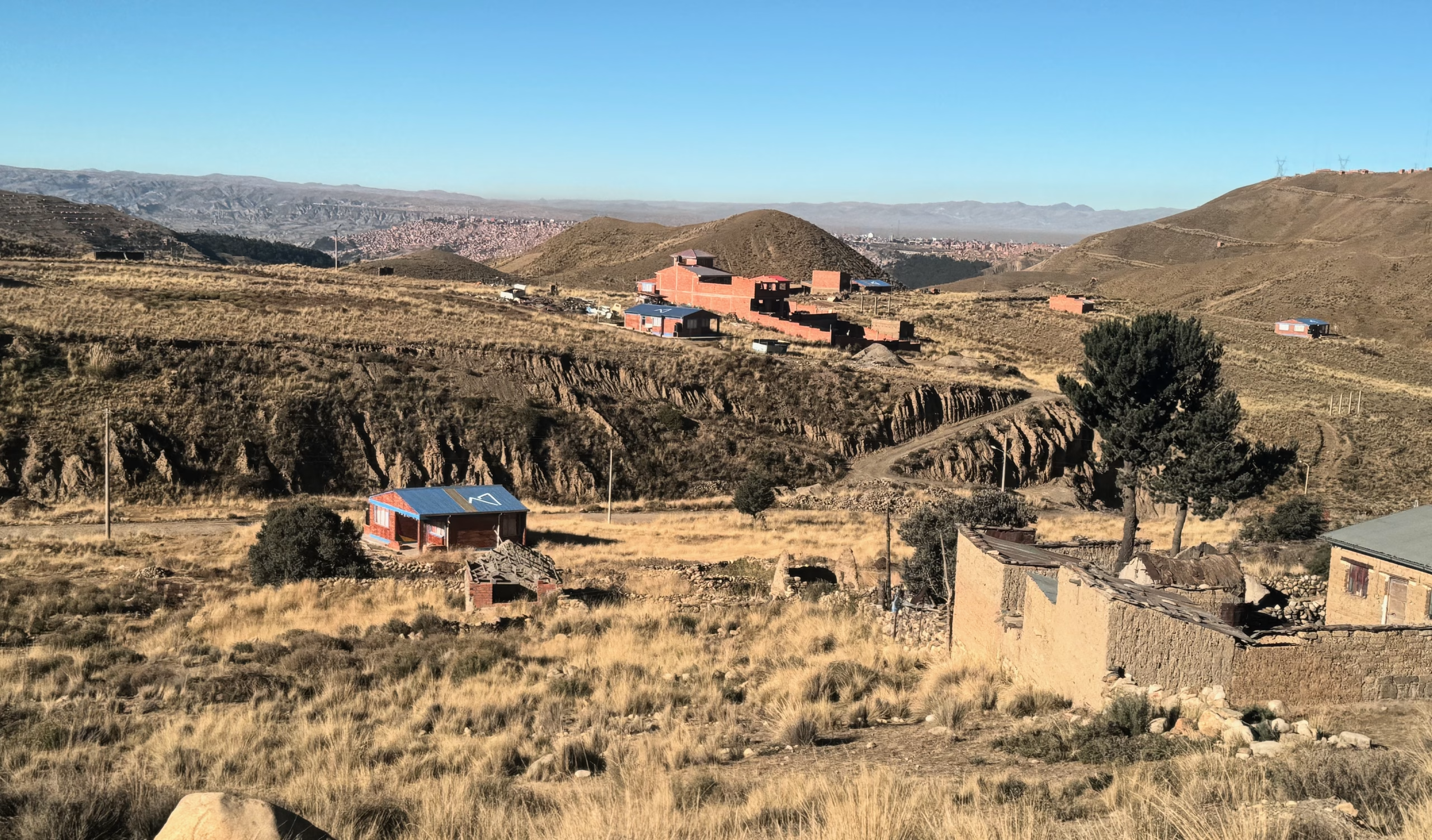
We rolled through the bustling morning streets of La Paz, alive with markets and street vendors. Soon we were on a winding dirt road into the rugged countryside. The landscape shifted to rolling hills and dry grasslands, with scattered adobe and brick homes. The sprawling city of La Paz came into view behind us—its red-brick buildings spilling across the mountain slopes, blending seamlessly into the arid, high-altitude terrain of the Bolivian Andes.
Milluni Valley
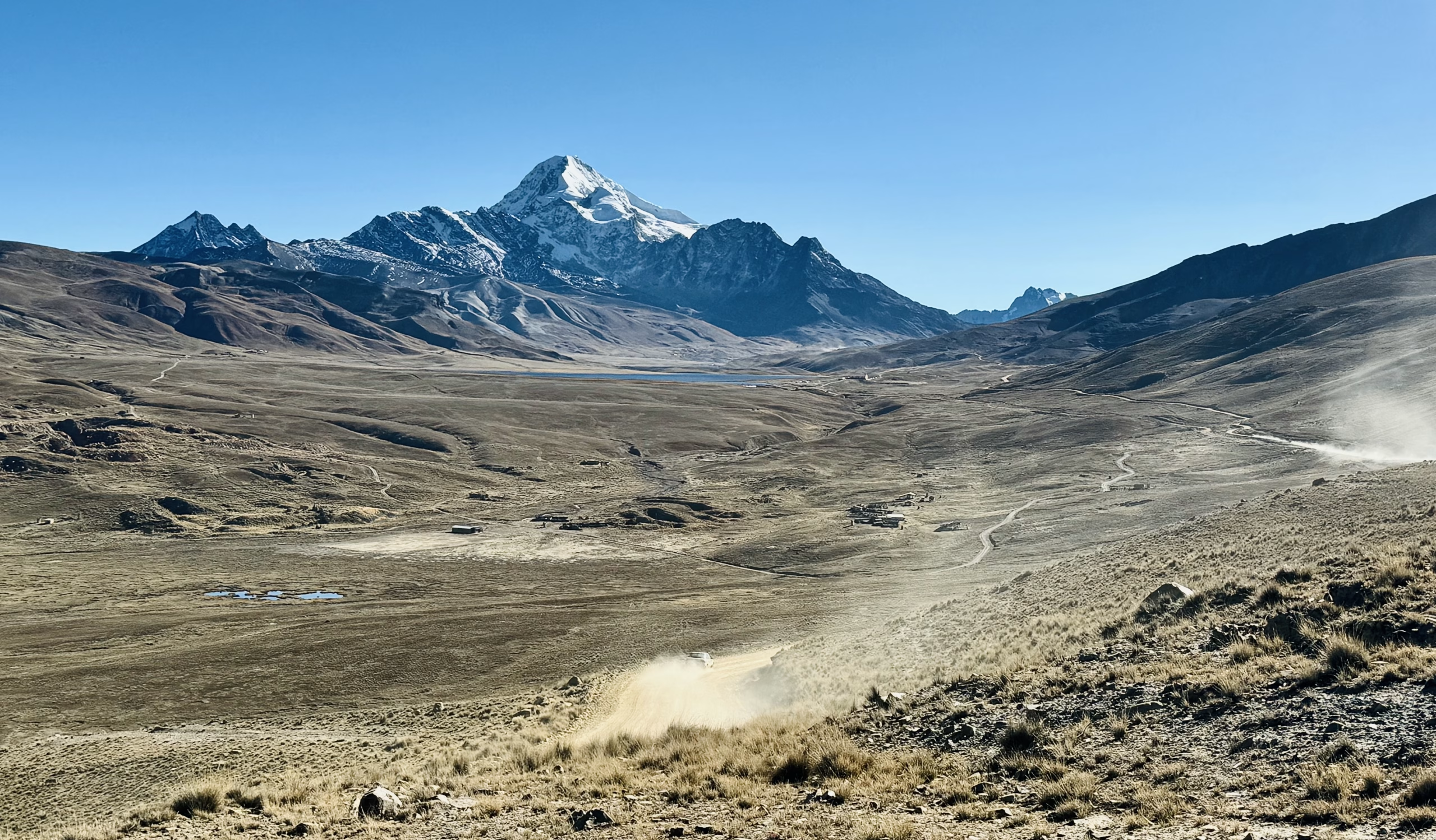
After two hours on the road, we made our first stop to take in the breathtaking panorama of the Bolivian Andes. The vast valley below was covered in patches of dry grass and low shrubs, flowing into gently sloping hills that framed the golden landscape. Dirt roads cut through the terrain. As a vehicle passed by, it left a long trail of dust curling into the air.
In the distance, the snow-capped peak of Huayna Potosí (6,088m) rose sharply against the clear blue sky, its summit shimmering in the sunlight. At its base, a glacial lake lay still and quiet, catching faint reflections of the icy peaks above. The entire scene felt untouched and immense—a place where silence, solitude, and the raw beauty of nature reigned. It was a moment that captured the spirit of Bolivia’s high-altitude wilderness—wild, vast, and unforgettable.
Reserva de Milluni (Milluni Reserve)
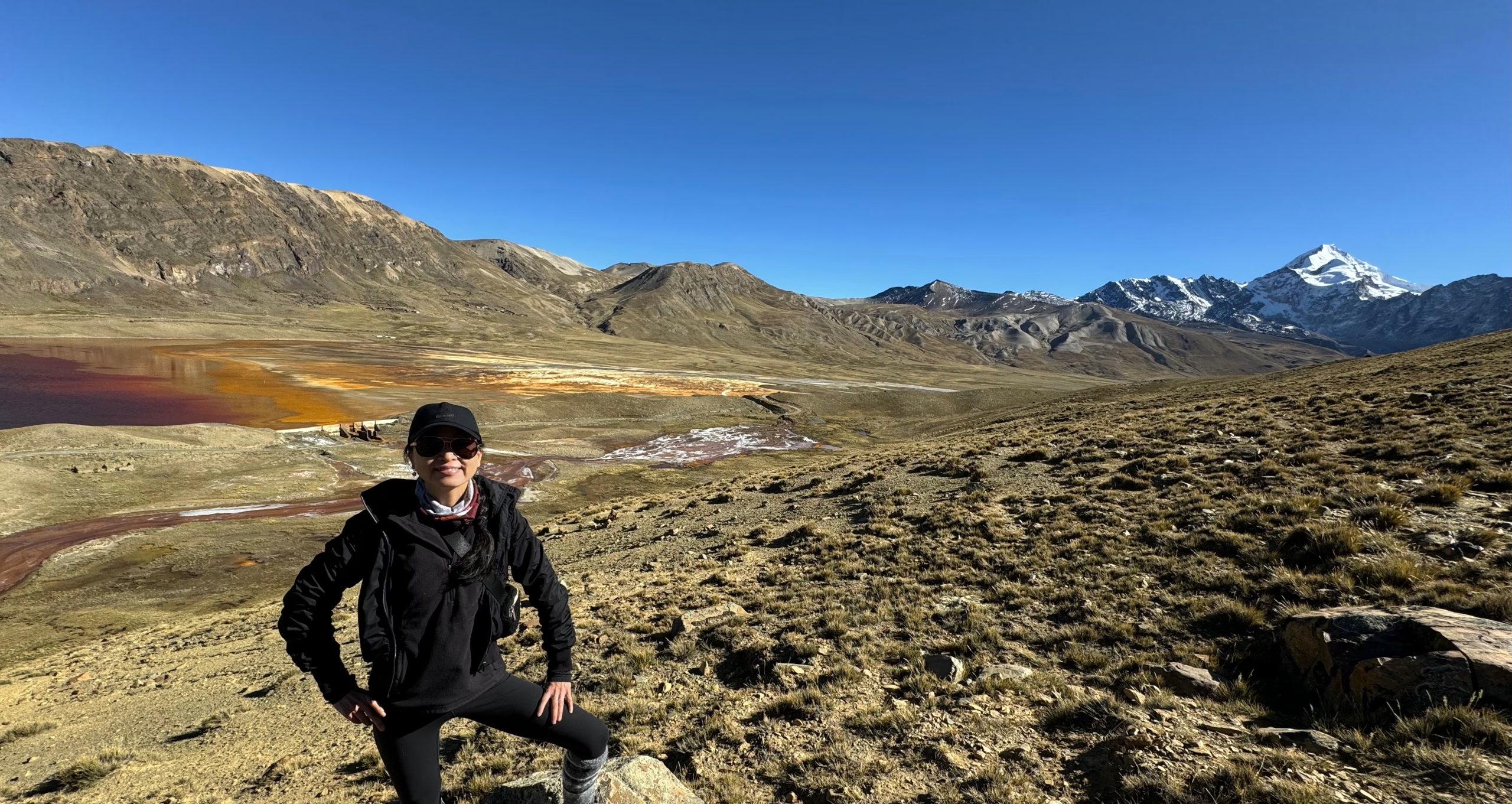
After another 30 minutes, we came to our second stop: Reserva de Milluni. Also called Laguna Colorada (Red Lagoon), the colors of its waters shifted in shades of deep violet, rust-red, and golden orange—a result of mining runoff and natural sediment. Surrounded by rugged Andean peaks and vast, windswept plains, the area felt infused with an otherworldly, almost timeless atmosphere.
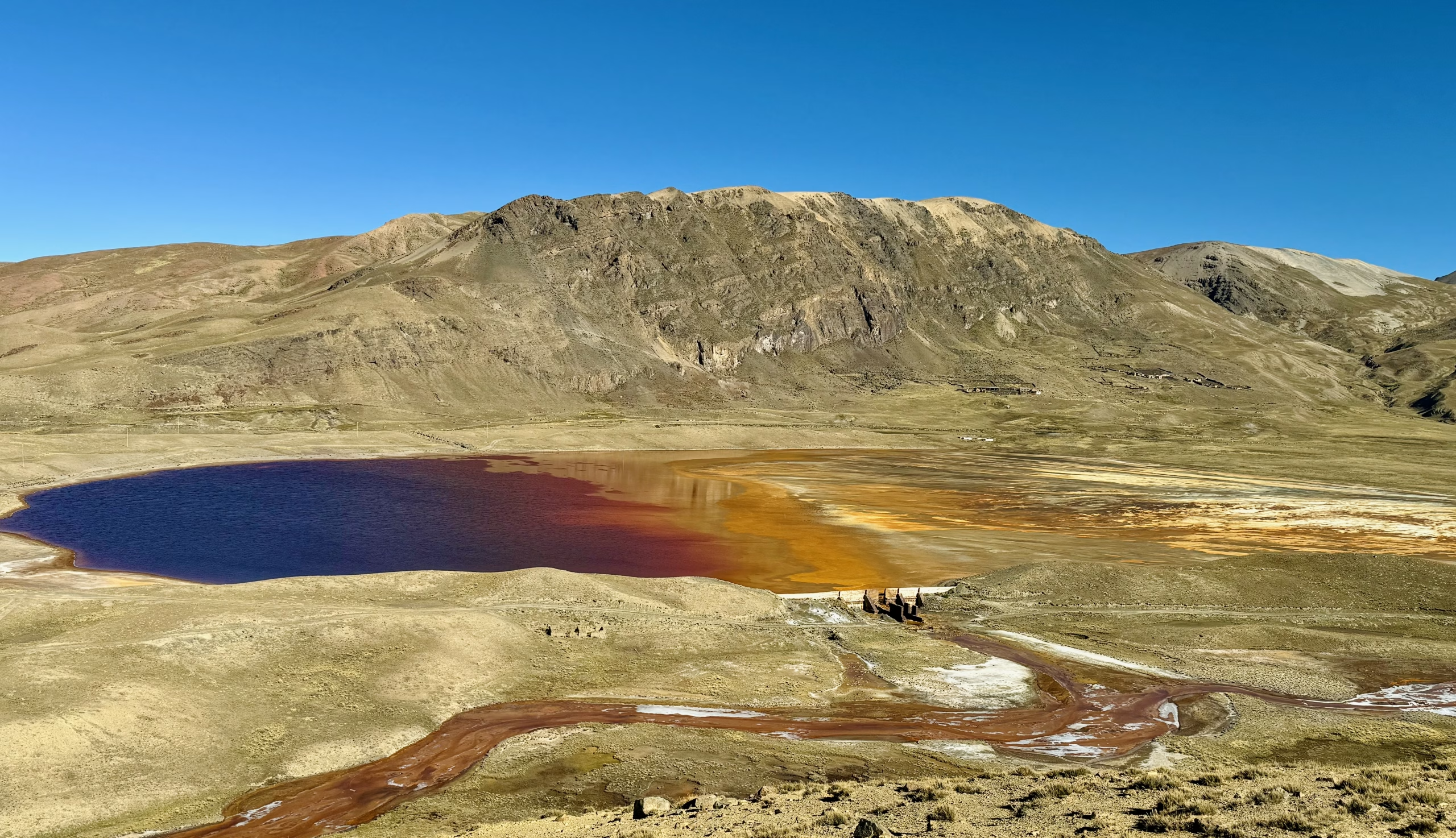
Harsh and remote, Milluni Valley is a powerful reminder of Bolivia’s mining history. During the 20th century, Bolivia experienced a mining boom. Milluni became a site of extensive industrial activity. State-owned companies and cooperatives extracted ores and minerals, such as tin, lead, and zinc, from the surrounding mountains. The infrastructure built in the area—dams, canals, and abandoned facilities—still dot the land. Unfortunately, decades of mining also left an environmental toll: acidic runoff and heavy metal contamination have affected the lakes and rivers in the valley, leading to the surreal but toxic colors in some of the water bodies.
Cementerio de Milluni (Cemetery of Milluni)
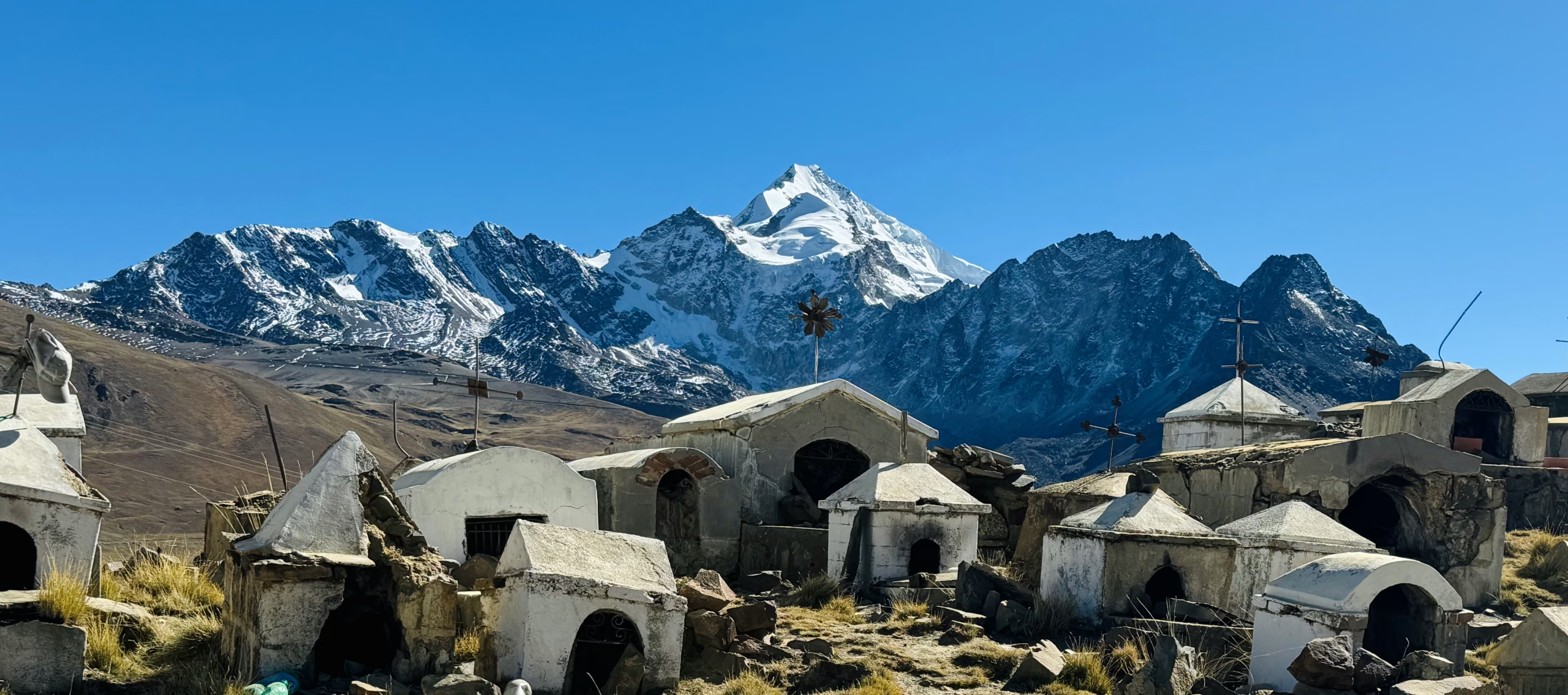
Our third stop was the Cementerio de Milluni, a haunting site set against the stark, windswept expanse of the Bolivian Andes, with Huayna Potosí rising solemnly in the background. Perched at over 4,600 meters (15,000 feet) above sea level, this remote cemetery served as the final resting place for miners who lost their lives laboring in the brutal conditions of the surrounding mines. Many of the tombs are now crumbling, abandoned, and eerily empty, worn by time and the elements. The scene carries a profound sense of stillness and forgotten sacrifice, where the silence speaks of lives once lived—and long left behind.
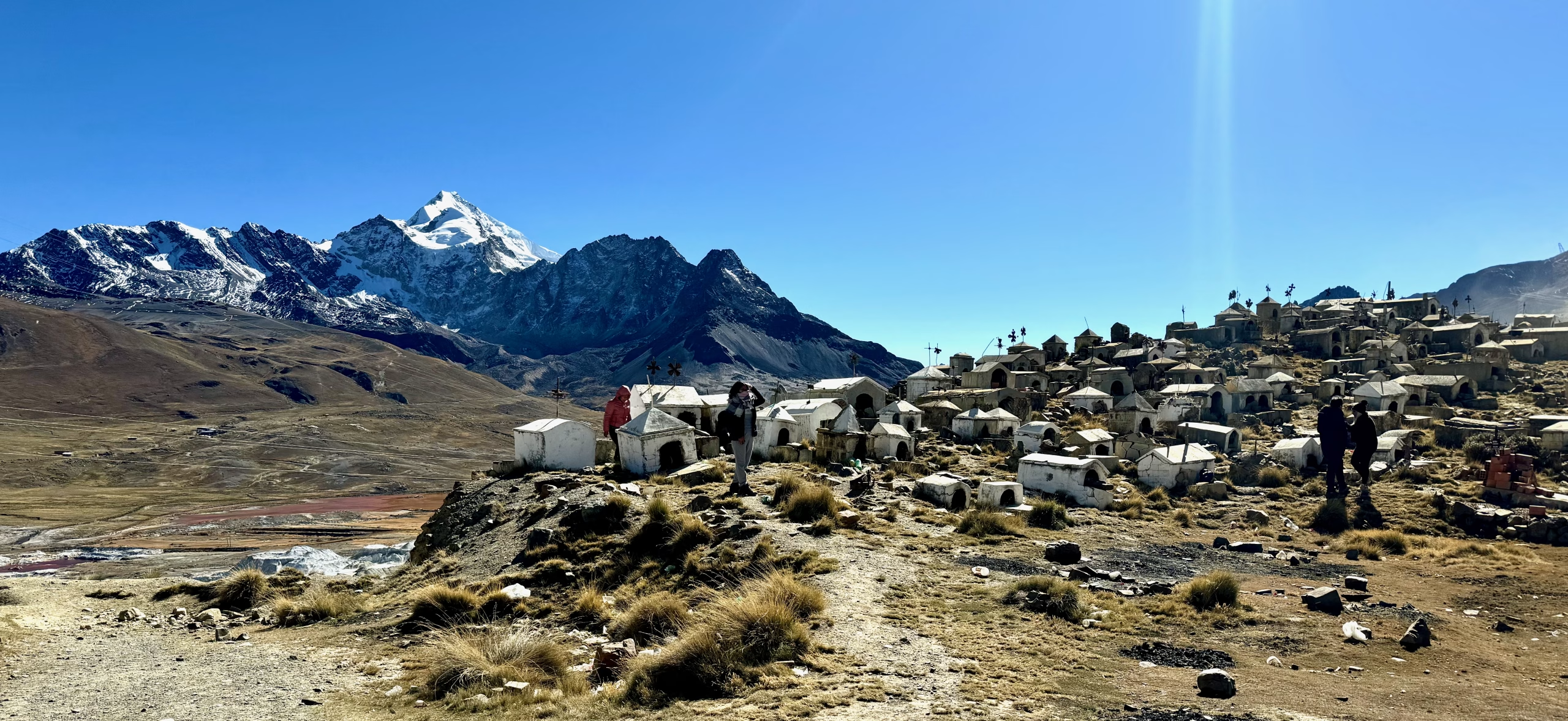
During the 20th century, Milluni was an active mining zone for tin, zinc, and other minerals. The cemetery became a resting place for many miners who died in accidents, from mining-related illnesses, or during the region’s political and labor struggles. Some graves are modest and weather-worn, while others are marked with iron crosses or simple stone markers, standing against the wind and the cold.
Nevado Charquini
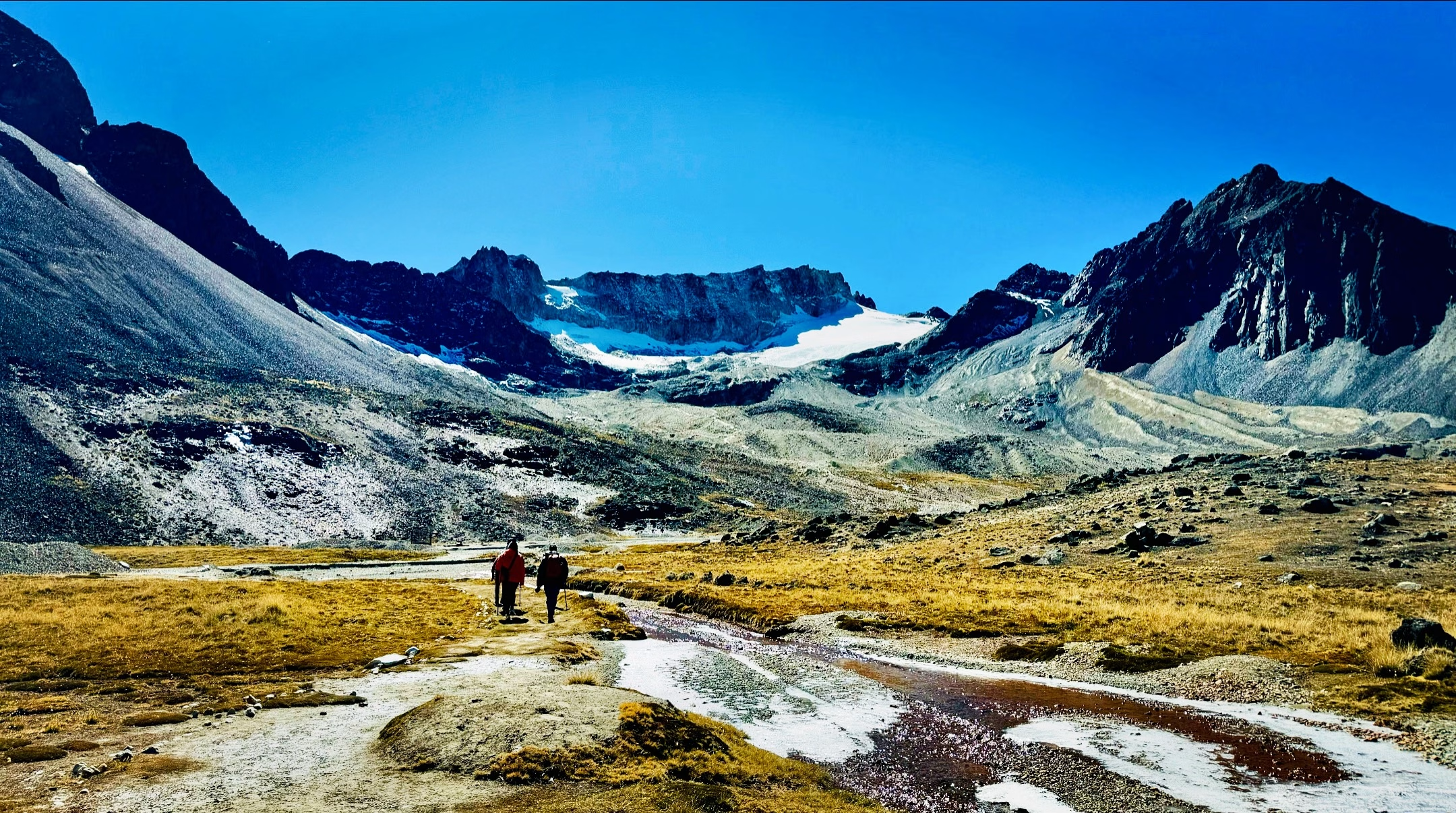
The next stop and our last stop was Nevado Charquini, where we would begin our hike to the Emerald Lagoon. Nevado Charquini is a glacier-capped mountain that rises to an altitude of around 5,390 meters (17,683 feet). It offers a breathtaking setting of ice fields, turquoise glacial lakes, and rugged alpine terrain. Charquini is a popular destination for day hikes as well as beginner glacier climbs, ideal for acclimatization before attempting higher peaks like Huayna Potosí.
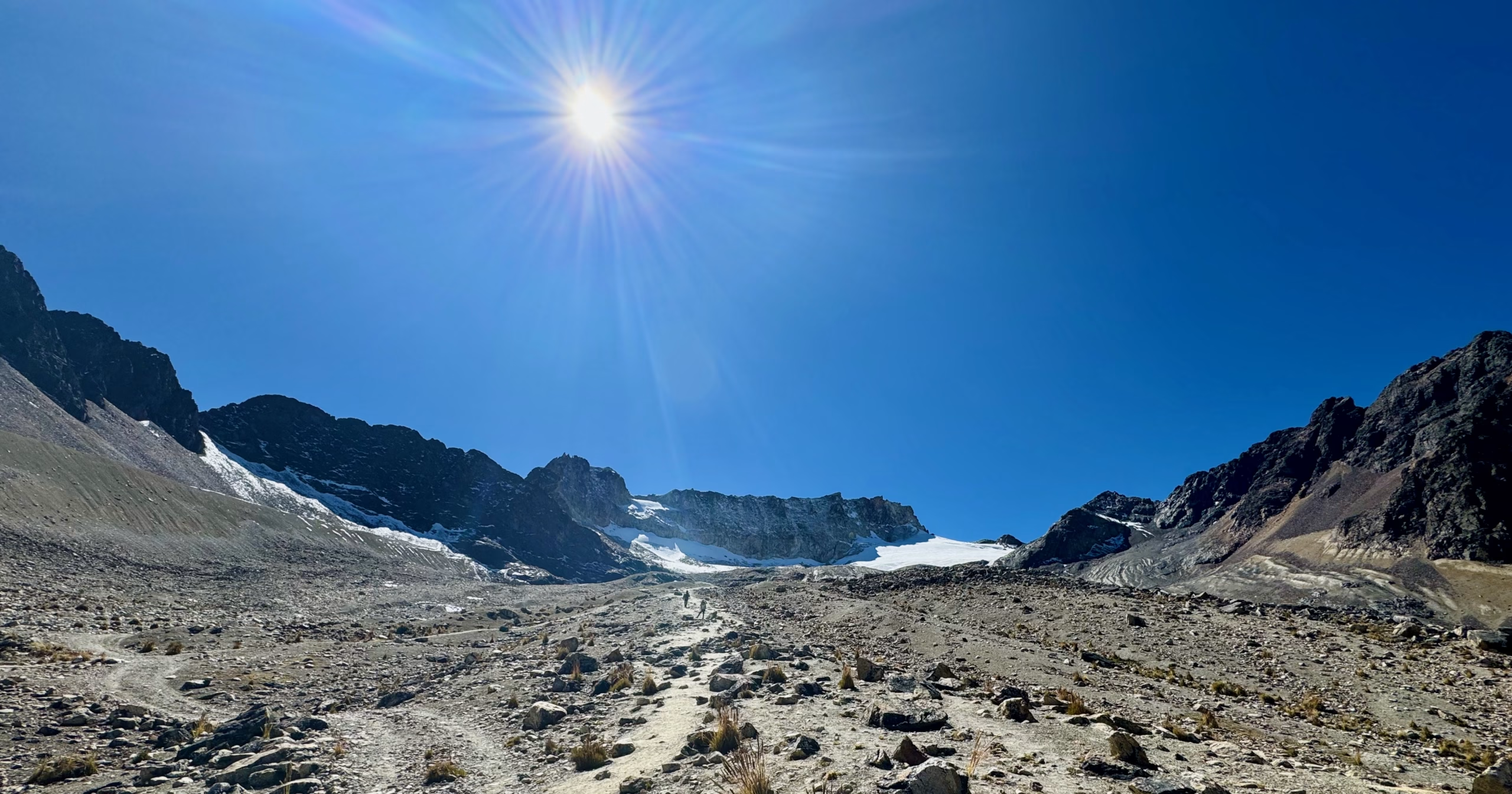
The hike began near the base of Charquini, in a vast, rocky glacial valley where the air was crisp, cold, and noticeably thin. We started across a flat plain scattered with frozen creeks and patches of dry grass. The landscape was stark, barren, yet beautiful. As we continued, the trail gently ascended through rugged Andean terrain, flanked by jagged peaks and wide-open slopes. Though the path wasn’t technically difficult, the high altitude—over 4,700 meters (15,400 feet)—made every step more demanding. As we climbed up, I could feel my heart pounding faster and my breaths growing shorter. After about one hour, we reached the shimmering Emerald Lagoon. Its vivid green waters glowed brilliantly against the gray rock and white glacier backdrop—a breathtaking reward at the end of the trail.
Laguna Esmeralda (Emerald Lagoon)
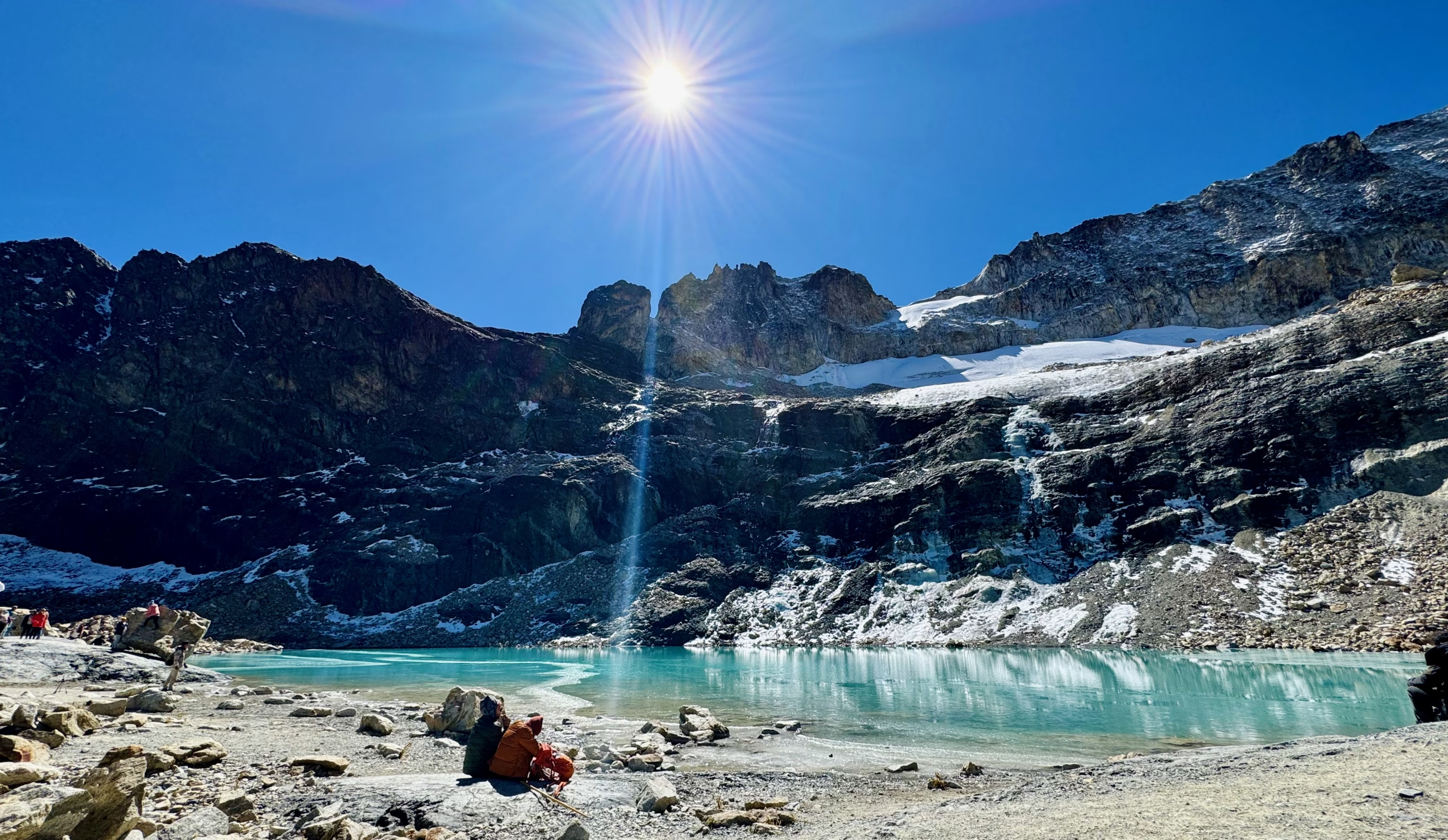
To me, the Emerald Lagoon is more than just a scenic destination—it’s the final reward at the end of a challenging, soul-stirring journey through the high Andes. My trip to Bolivia stands among the most unforgettable travel experiences I’ve ever had. The vastness, remoteness, and raw beauty of its landscapes left a deep and lasting impression on me. It’s a country that challenged and inspired me in equal measure, and I’m truly grateful to have experienced it.