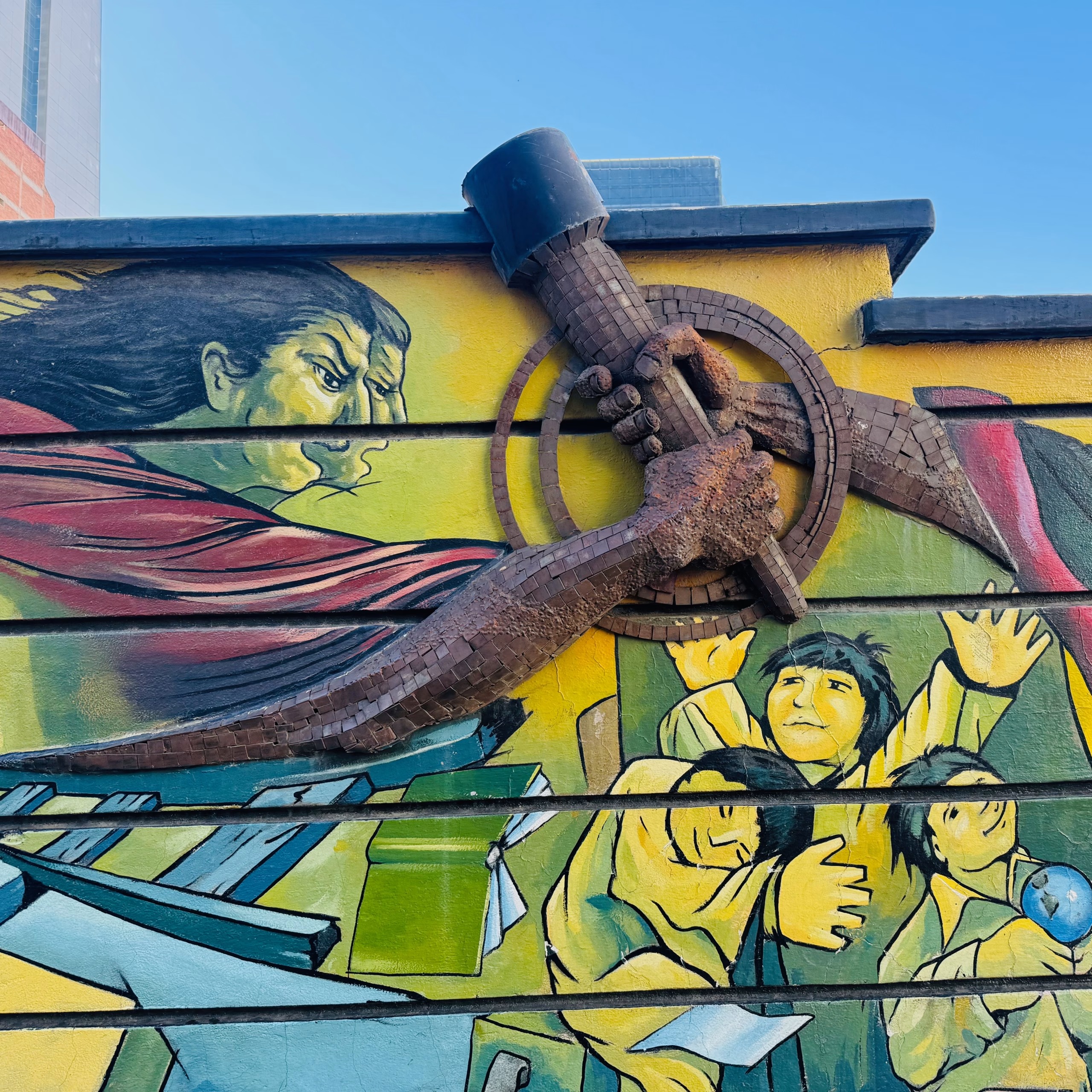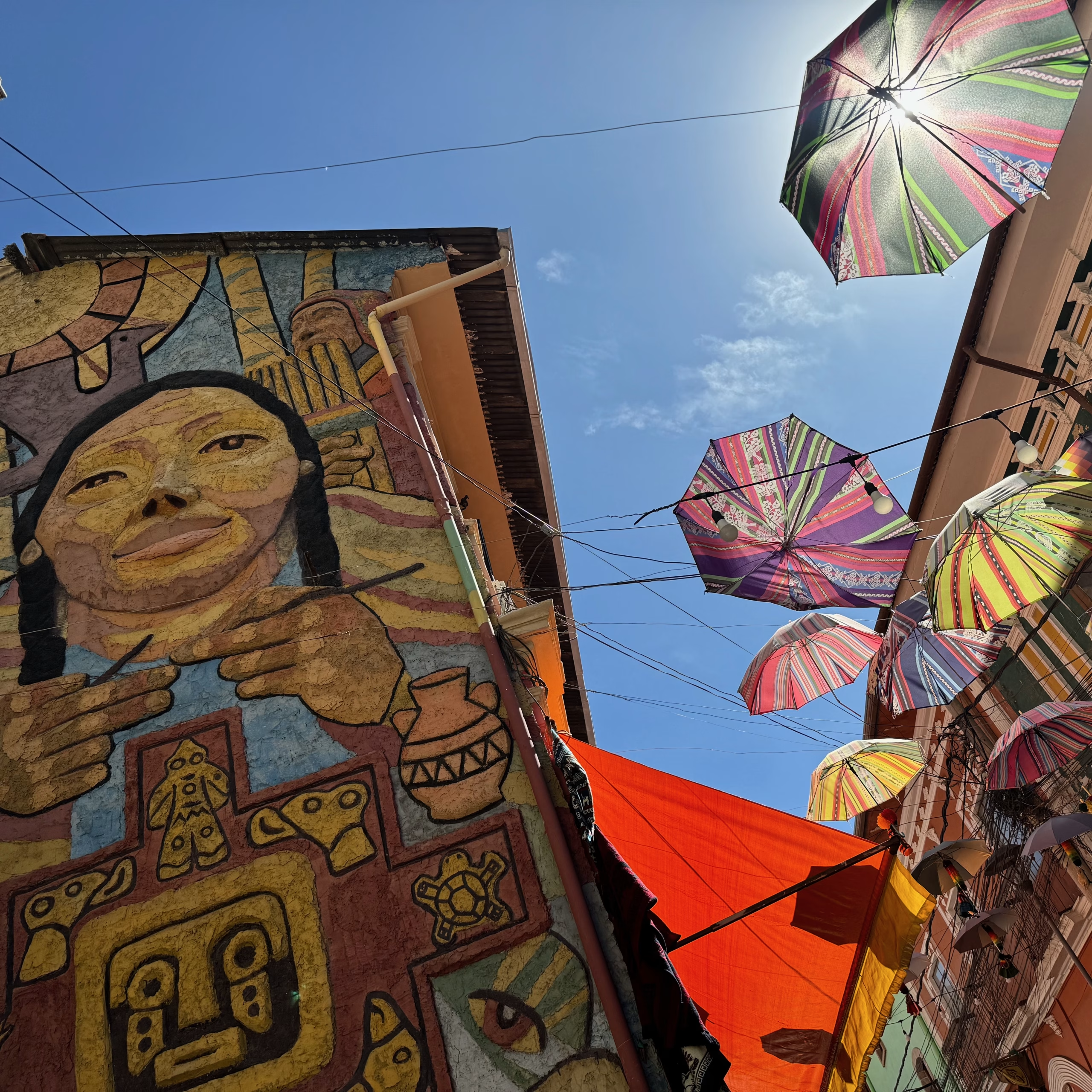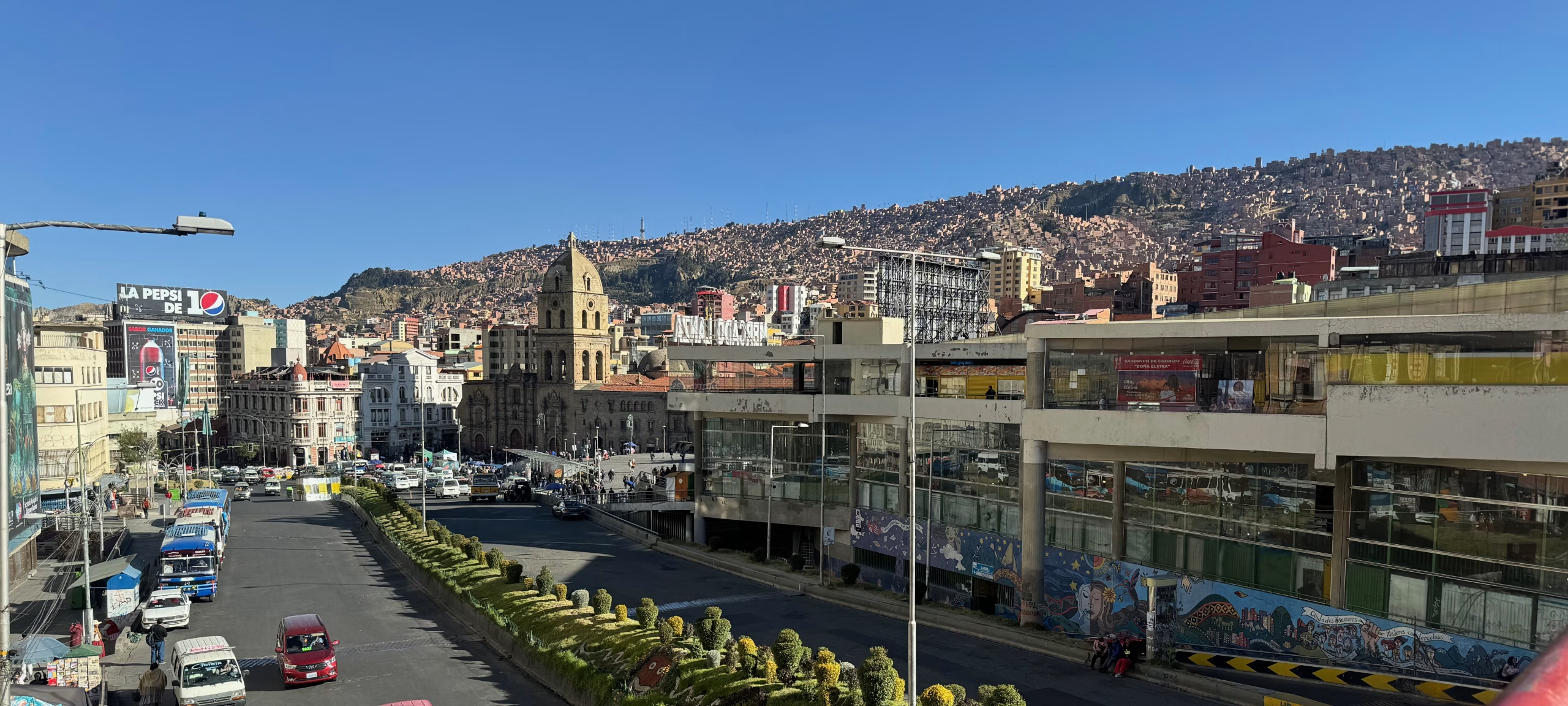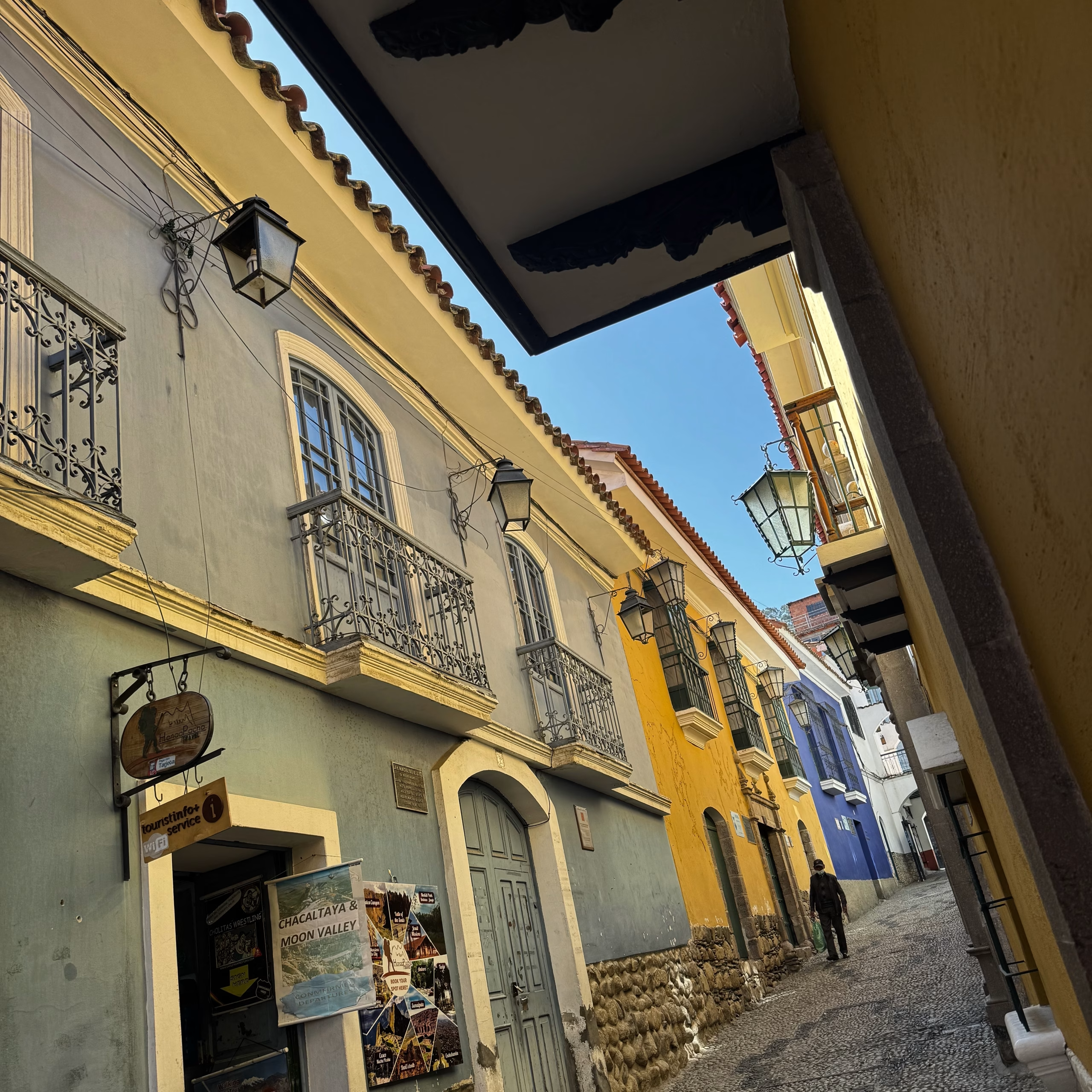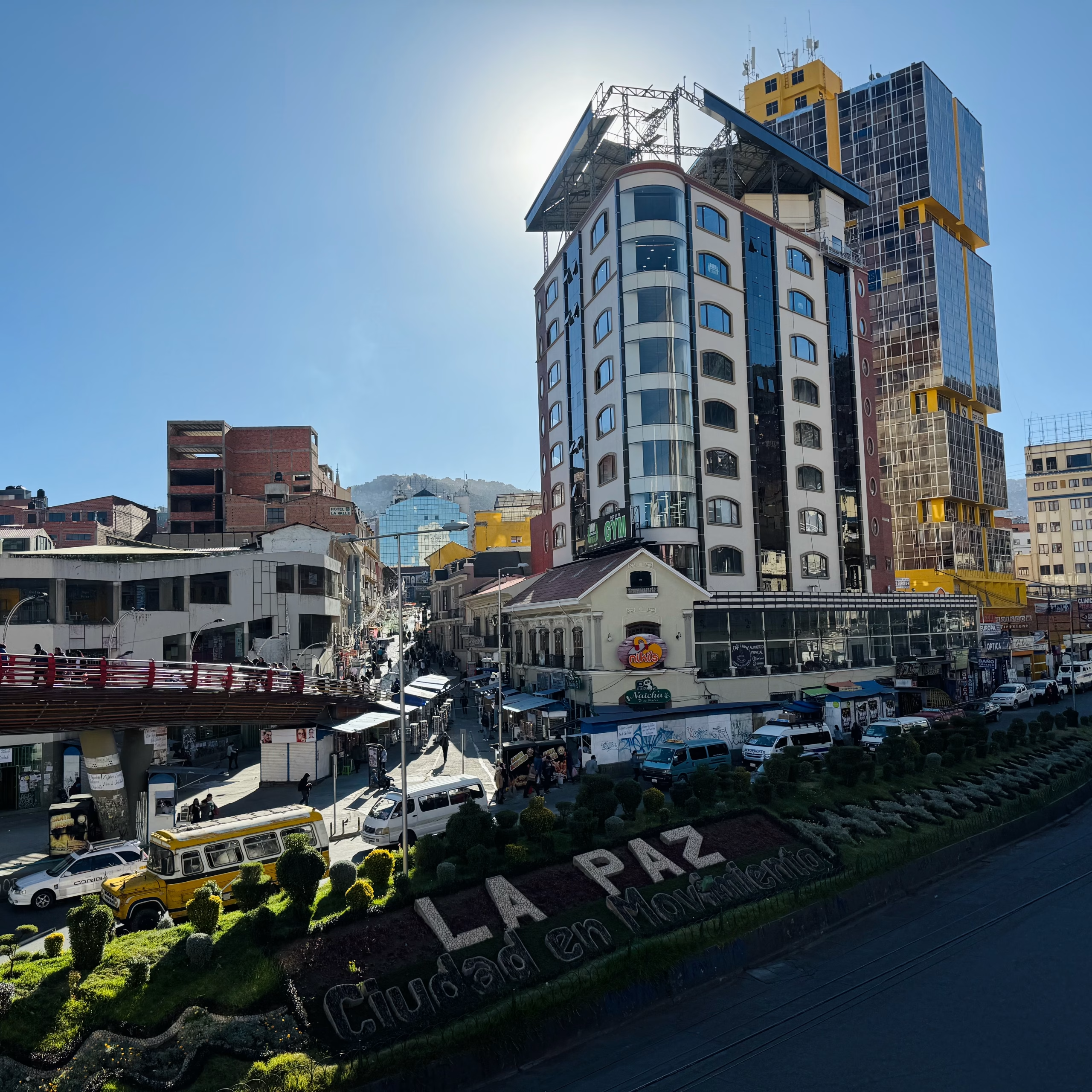

La Paz is the main gateway to Bolivia. It is a city of “breathtaking” contrasts. Skyscrapers rise from a steep valley while the snow-capped peak of Illimani looms overhead. Here, indigenous Aymara traditions coexist with colonial architecture, bustling markets, and a growing modern art scene. The city’s steep terrain is seamlessly connected by Mi Teleférico, the world’s largest urban cable car system. It offers a unique but scenic way to travel between neighborhoods while soaking in panoramic views of the Andes.
Rather than treating La Paz as just a jumping-off point, it’s well worth spending a day or two here—not only to acclimate to the high altitude, but also to discover its cultural, political, and economic significance. Taking some times exploring the wicked Witches’ Market, tasting the fresh baked Bolivian empanada Salteña, or relaxing with a cup of coca tea in the city’s historic center. Nearby natural wonders like Valle de la Luna (Valley of the Moon) and serene high-altitude lakes such as Emerald Lagoon offer a quick escape into Bolivia’s wild landscapes.
La Paz — the Highest Capital in the World
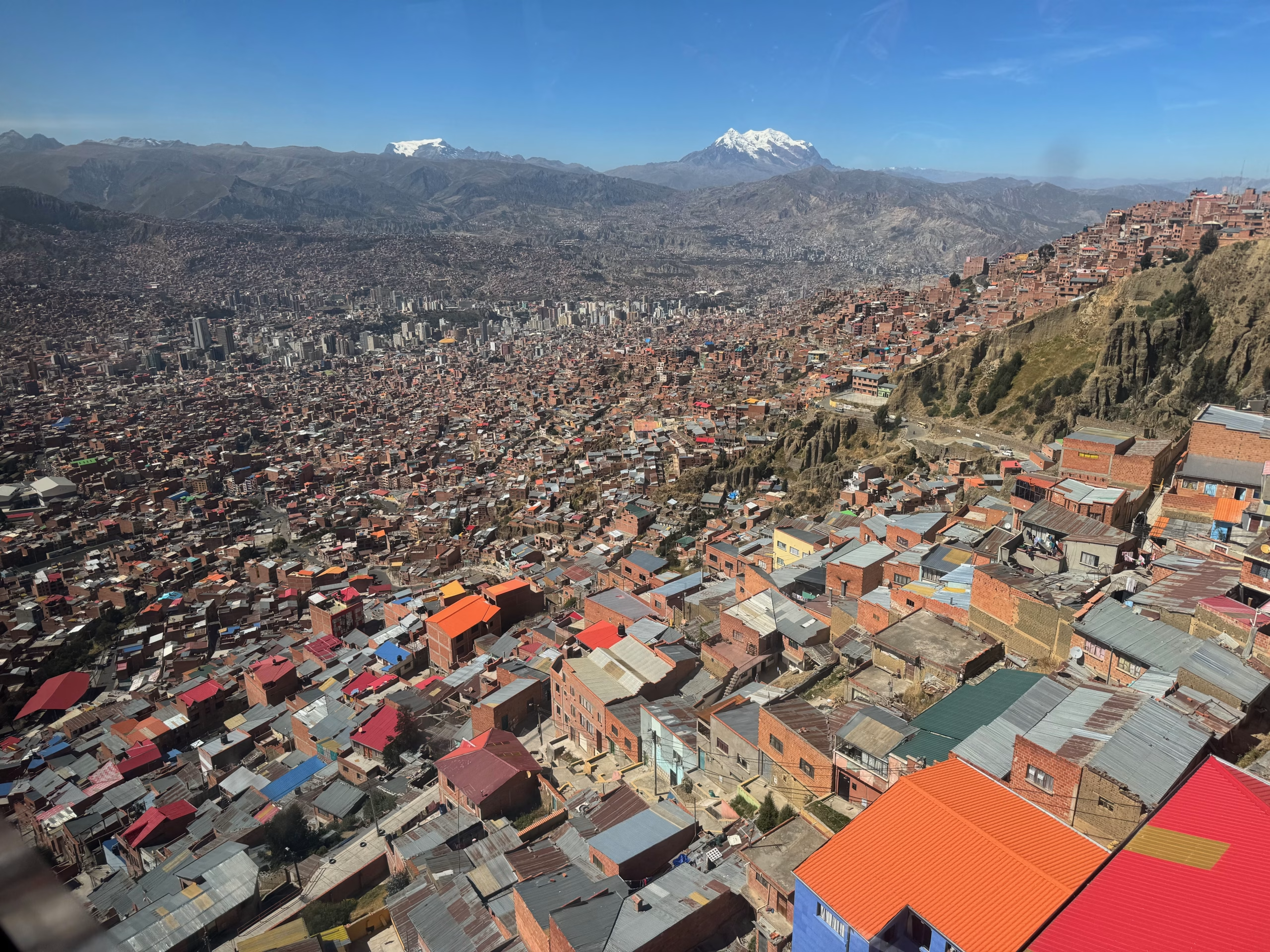
Perched at over 3,600 meters (11,800 feet) above sea level, La Paz holds the title of being the highest capital city in the world. It serves as Bolivia’s administrative capital, housing the presidency, congress, and all major ministries, while Sucre remains the constitutional capital.
Long before the Spanish arrived, La Paz was inhabited by Aymara communities who thrived on the high plains of the Altiplano. Nearby lies the archaeological site of Tiwanaku, once home to one of South America’s most sophisticated ancient civilizations (c. 500–1000 CE).
The Spanish officially founded La Paz on October 20, 1548, naming it Nuestra Señora de La Paz (“Our Lady of Peace”) to commemorate the end of a civil war among Spanish factions in Peru. The Spanish chose the valley as the location for La Paz for its strategic location and natural shelter from the harsh climate. La Paz soon became a critical hub on the silver trade route from Potosí to the Pacific, and it developed into a key colonial religious and administrative center.
In 1809, La Paz sparked one of Latin America’s first uprisings against Spanish rule. Though the rebellion was suppressed, it helped ignite a broader movement for independence across the continent. Bolivia would ultimately gain its independence in 1825. By the late 1800s, La Paz emerged as the de facto seat of government, housing the presidency, congress, and all major ministries.
Mi Teleférico (Cable Car System)
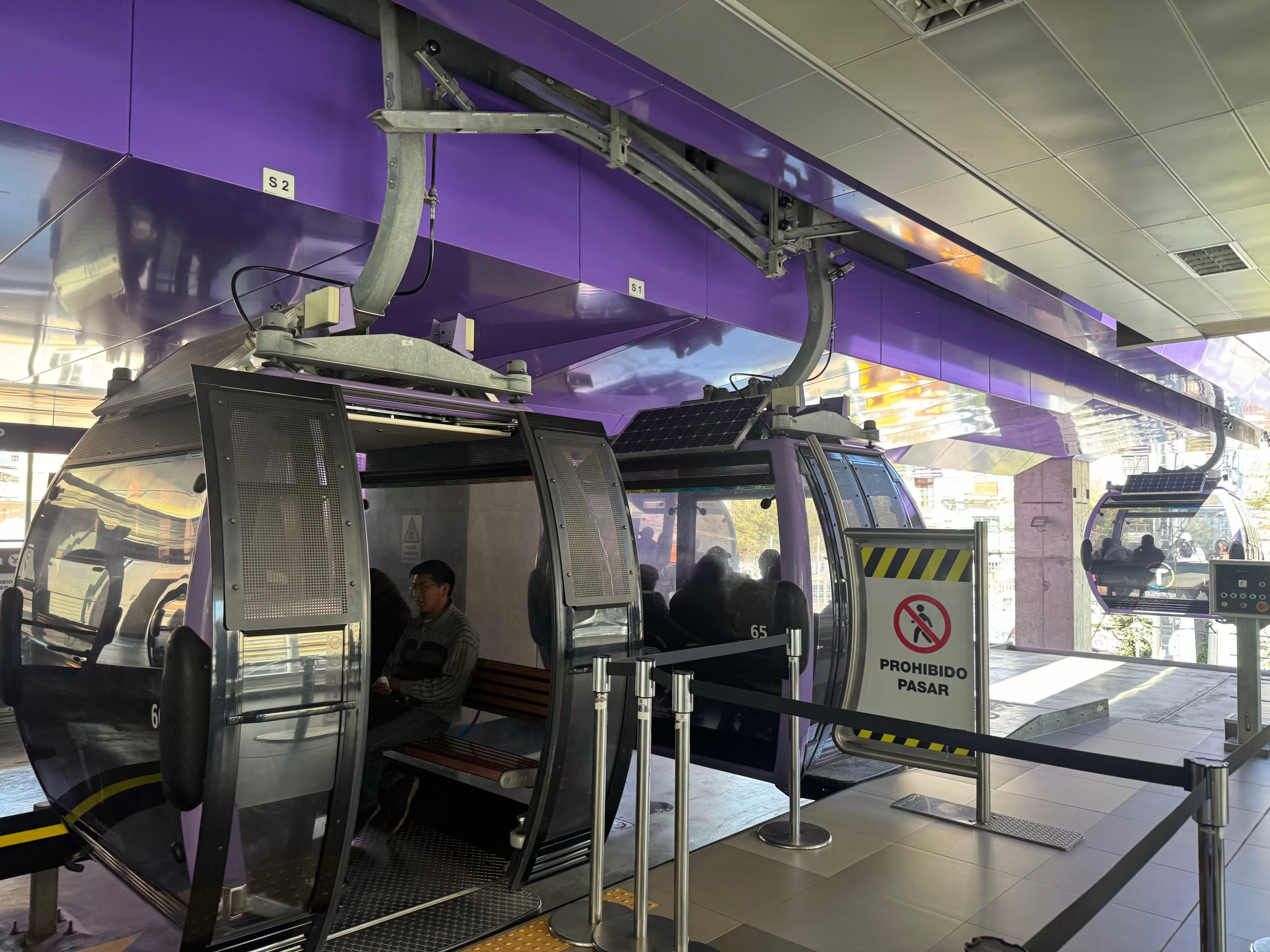
Mi Teleférico is not just a mode of transportation—it’s one of the most innovative features of La Paz and El Alto, Bolivia. As the world’s highest and largest urban cable car system, it redefines public transit with its 10 color-coded lines soaring above valleys, neighborhoods, and mountain ridges at altitudes reaching over 4,000 meters (13,000 feet). Originally launched in 2014 to reduce traffic congestion and better connect the city’s steep, challenging terrain, Mi Teleférico has since become a symbol of Bolivia’s modernization and social inclusion.
Beyond practicality, riding Mi Teleférico is a visually stunning experience. From the cabins, passengers enjoy panoramic views of snow-capped peaks, sprawling cityscapes, and vibrant street markets below. Each line connects seamlessly with others, linking key areas like downtown La Paz, El Alto, Sopocachi, and Zona Sur. Clean, affordable, and efficient, the system is widely used by locals. For travelers, it’s not just a way to get around—it’s a must-do experience that offers a bird’s-eye view into the daily life and dramatic geography of Bolivia’s capital region.
Mi Teleférico has an excellent website, providing information on each line, business hours, travel times, as well as the map.
Witches' Market (Mercado de las Brujas)
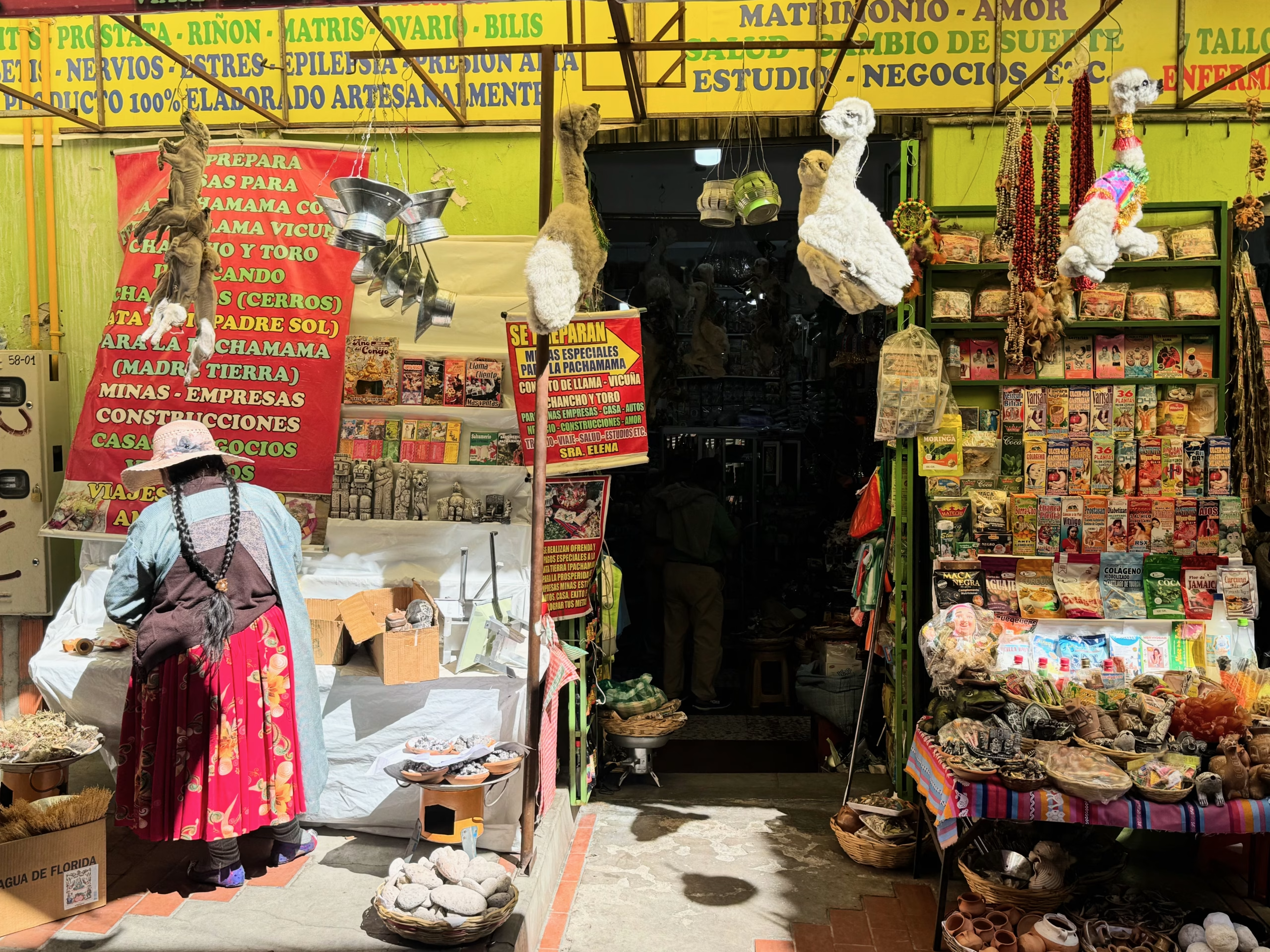
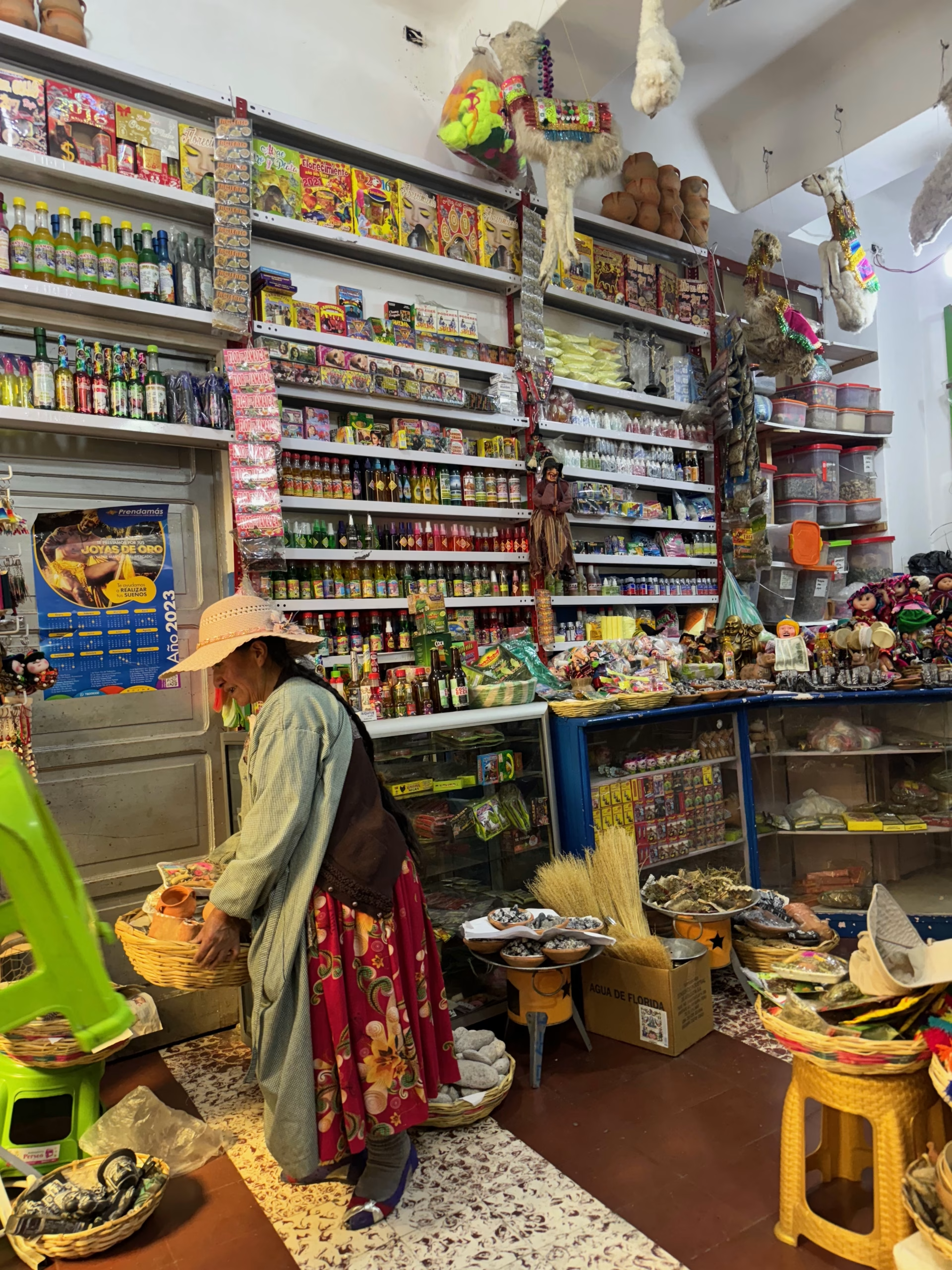
The Witches’ Market (Mercado de las Brujas) in La Paz, Bolivia, is one of the city’s most unique attractions. Nestled in the historic center near Calle Sagárnaga and Linares Street, this open-air market offers a window into Aymara spiritual traditions and Andean folk beliefs that are still very much alive today. The market is frequented by yatiris, or local spiritual healers, who come to purchase supplies for rituals—especially “wajtas”, ceremonial offerings burned to honor Pachamama (Mother Earth) and maintain harmony with the spiritual world.
As you walk through the market, you’ll see dried llama fetuses hanging from stalls—traditionally buried under new homes as offerings to Pachamama. Shelves overflow with herbs, potions, charms, and amulets believed to bring protection, love, or good fortune. Alongside these spiritual tools, you’ll also find traditional medicines, ceremonial items, and handmade textiles and jewelry, blending ritual with craft. While some items may seem unusual to outsiders, the market is a deeply meaningful space where centuries-old traditions continue to thrive.
National Museum of Ethnography and Folklore
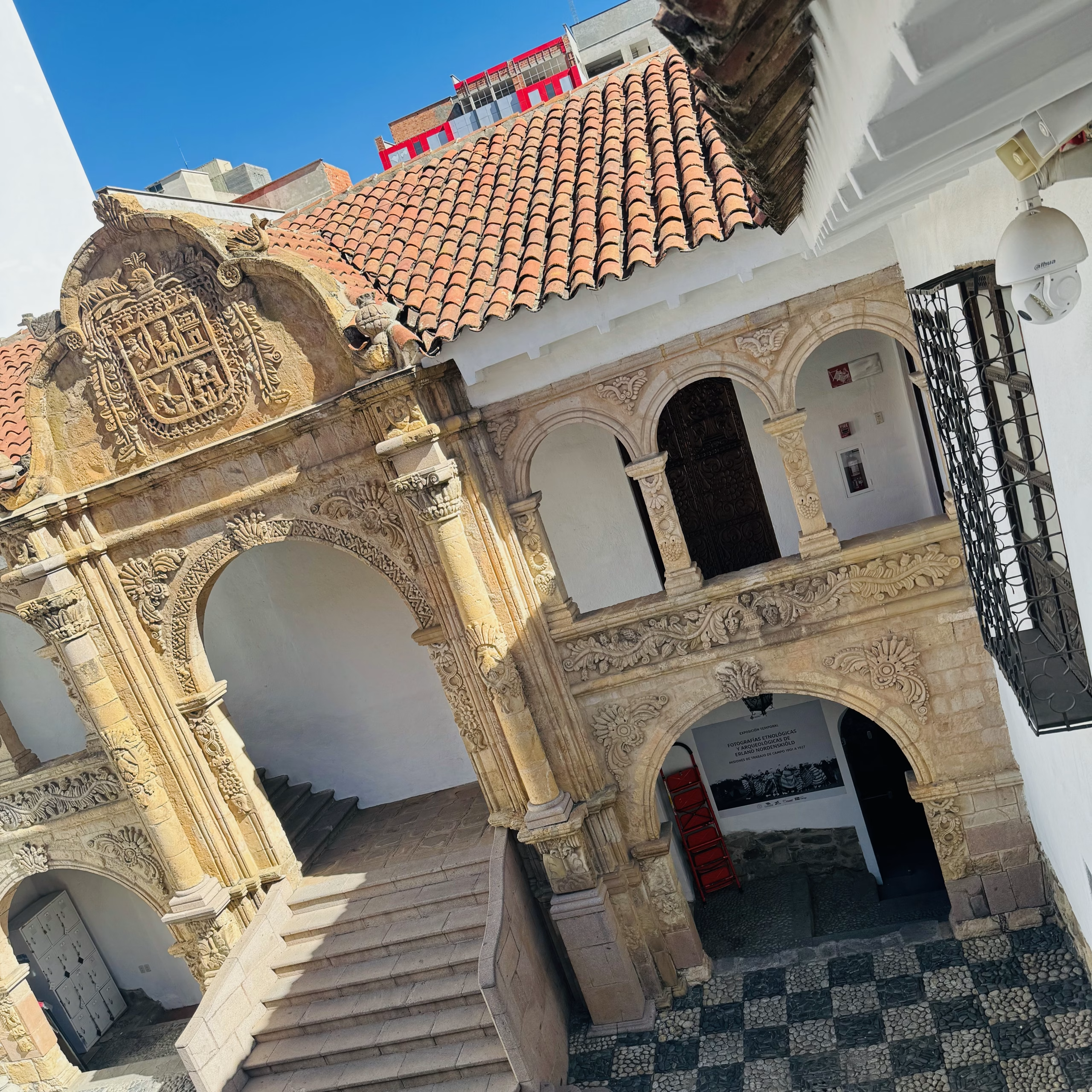
Visiting the National Museum of Etnography and Folklore, or Museo Nacional de Etnografía y Folklore (MUSEF) in La Paz was an unexpectedly pleasant experience. It is housed in an 18th-century colonial mansion, a historical landmark known as the Palacio de los Marqueses de Villaverde. It features a stunning mestizo-baroque façade and interior courtyards.
MUSEF is one of Bolivia’s most important cultural institutions, dedicated to preserving and showcasing the country’s rich ethnic and folkloric heritage. MUSEF has an extensive collection of over 30,000 cultural artifacts, including traditional textiles and ceramics. Among its highlight is the “3000 Years of Textiles” exhibit, showcasing the intricate weaving traditions of Bolivia’s indigenous communities.
I found the festival masks are the most fascinating. Some of them are expressive, with bulging eyes, decorated with feathers, beads, and colorful fabric. In Bolivia, masks are a central part of traditional festivals, especially in folkloric dances that blend indigenous, Spanish colonial, and religious influences.
The Oruro Carnival is Bolivia’s most iconic festival blending indigenous and Catholic traditions. The Diablada, or “Dance of the Devils,” is a central performance in the Oruro Carnival, symbolizing the battle between good and evil. The masks are renowned for their vivid colors, bulging eyes, and ornate designs (left image below). Tinku masks are raw and expressive, represent warrior spirits and are sometimes used in ceremonial reenactments (right image below).
The museum is located at Calle Ingavi #916, near Plaza Murillo in central La Paz. It is open Monday to Friday from 8:30 AM to 4:30 PM, Saturdays from 8:30 AM to 4:00 PM, and Sundays from 8:30 AM to 1:30 PM. Admission is Bs. 35 for foreigners and Bs. 5 for Bolivian nationals.
Plaza Murillo
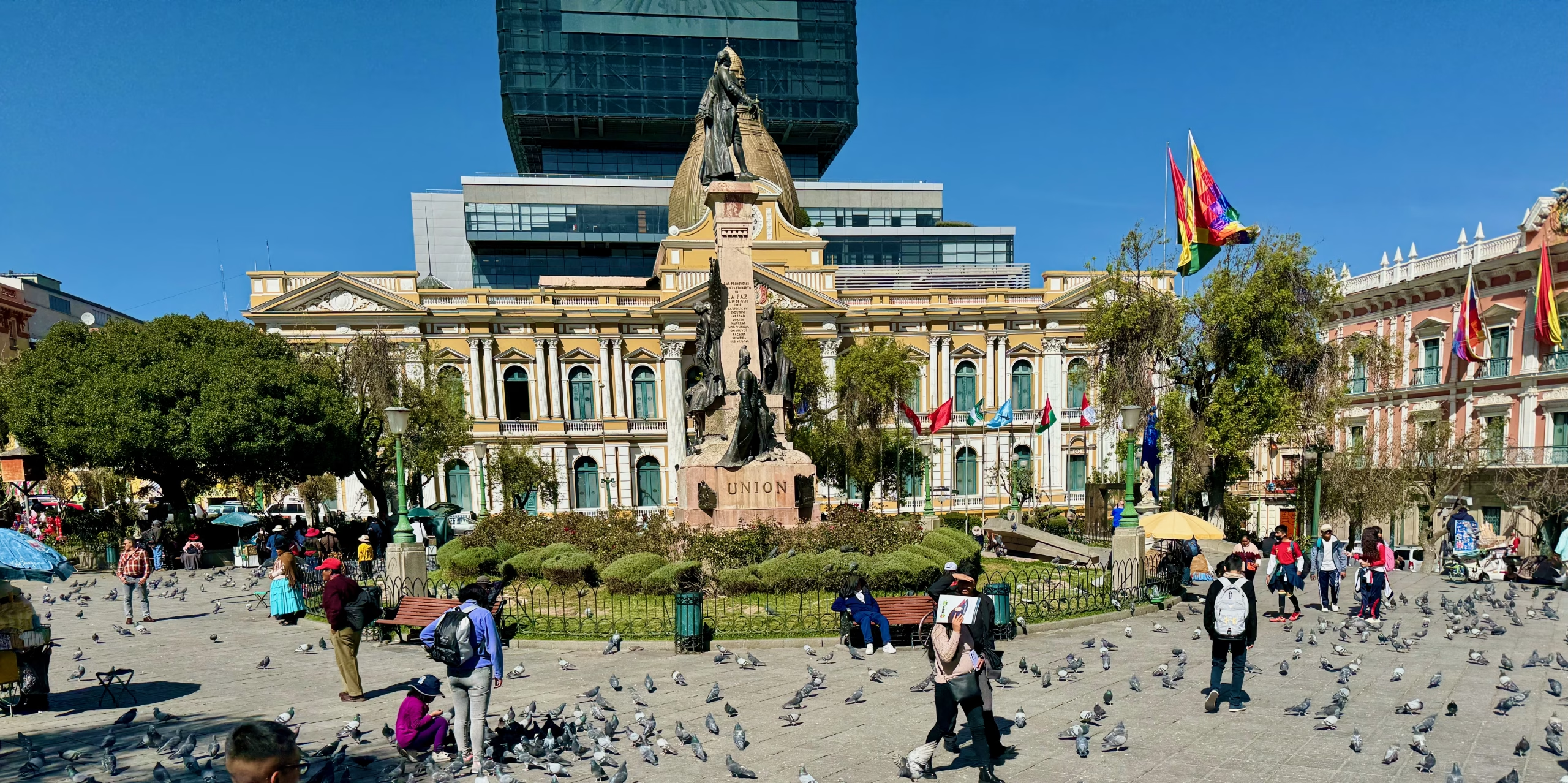
Surrounded by key landmarks—including the Presidential Palace, the National Congress, and the grand Metropolitan Cathedral, Plaza Murillo is the historical center of La Paz. The plaza is named after Pedro Domingo Murillo, a leader of Bolivia’s independence movement. Today, it’s a lively gathering spot where locals relax among pigeons, statues, and shaded benches, while demonstrations and official events often unfold nearby.
San Francisco Church and Plaza
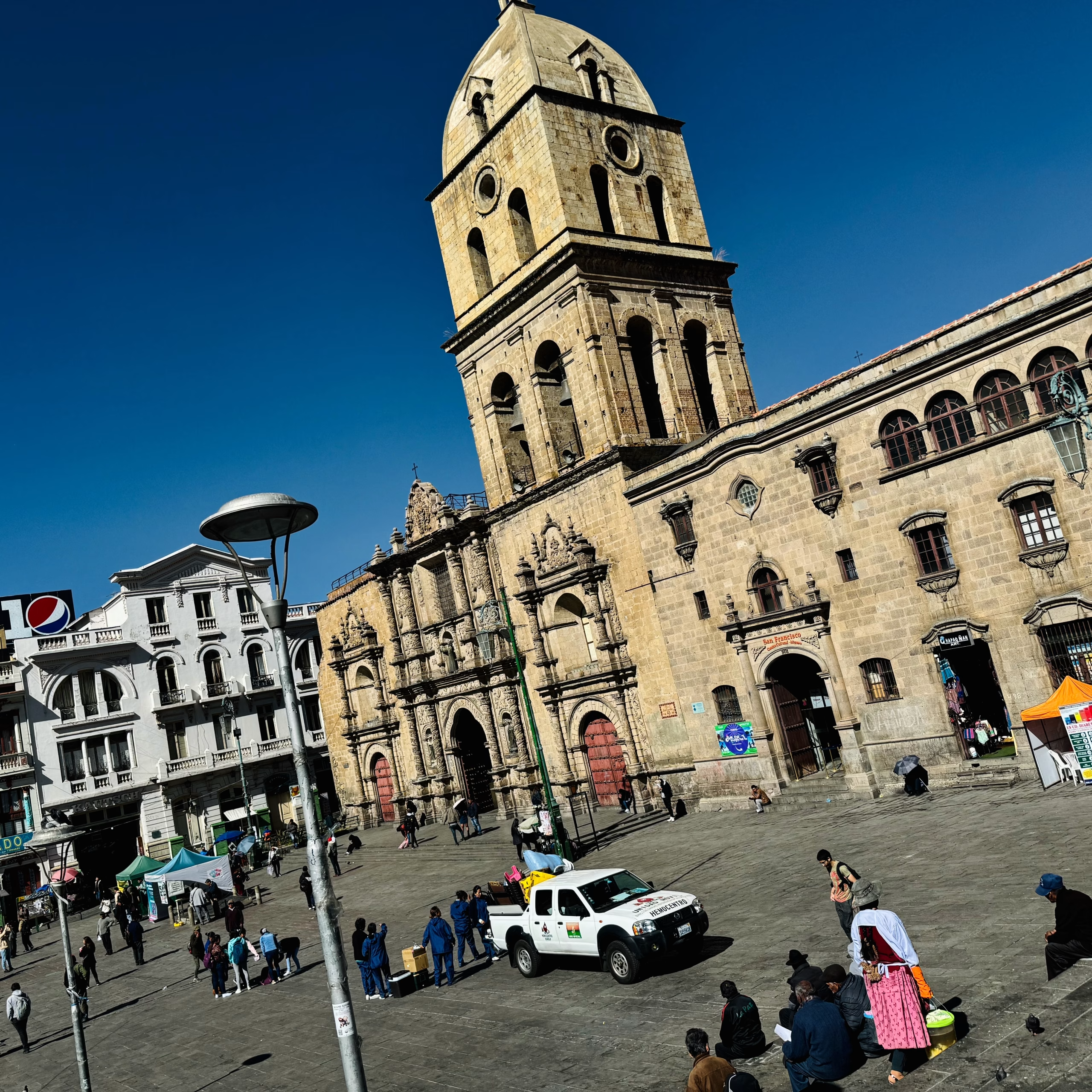
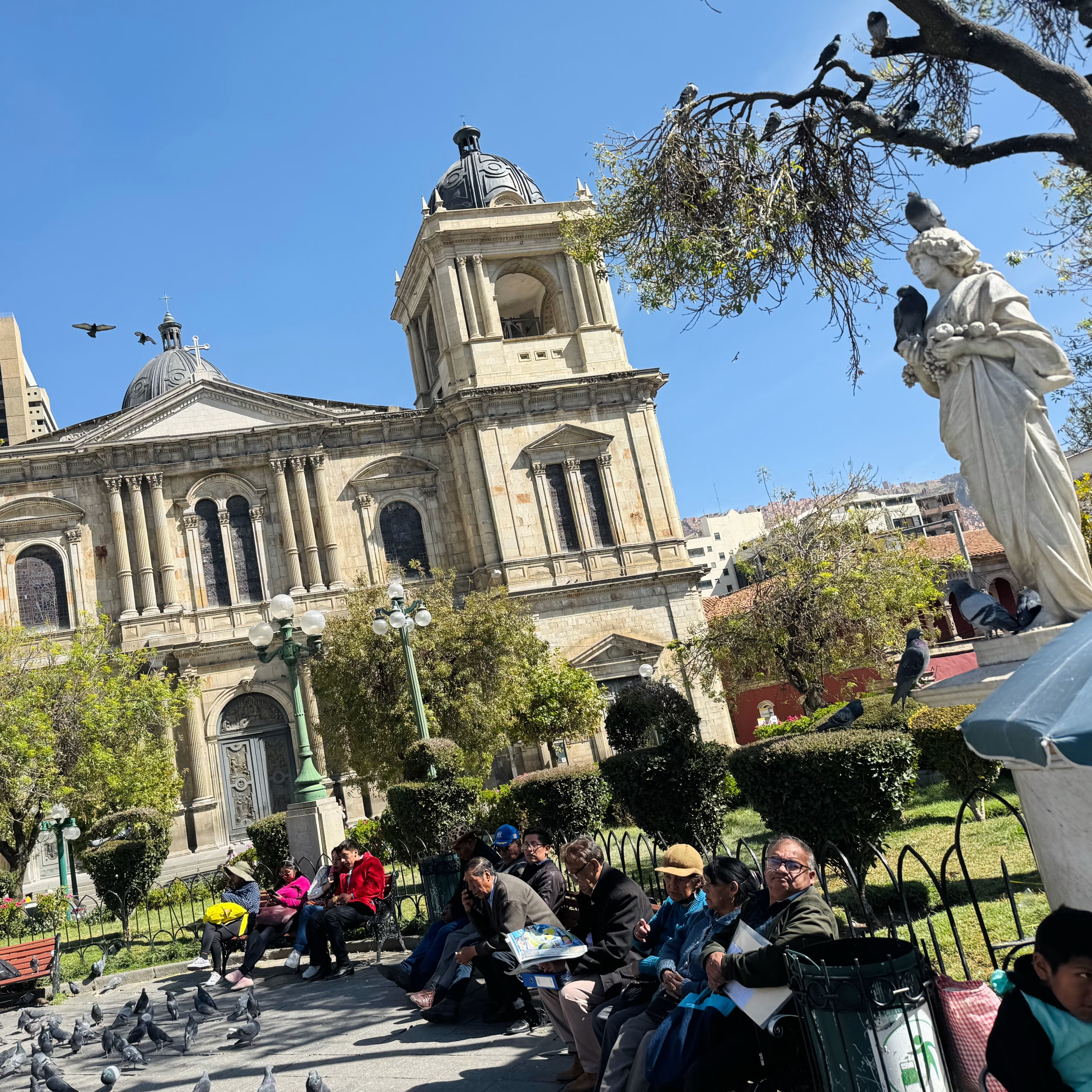
San Francisco Church and its adjacent plaza are among the major landmarks in La Paz. Built in the 16th century and reconstructed in the 18th, the church showcases a blend of mestizo baroque architecture, with intricate stone carvings that mix Catholic and Andean symbols. Located in the heart of the city, the Plaza San Francisco is a lively gathering place where street vendors, performers, and locals converge daily.
La Paz's Sister City El Alto
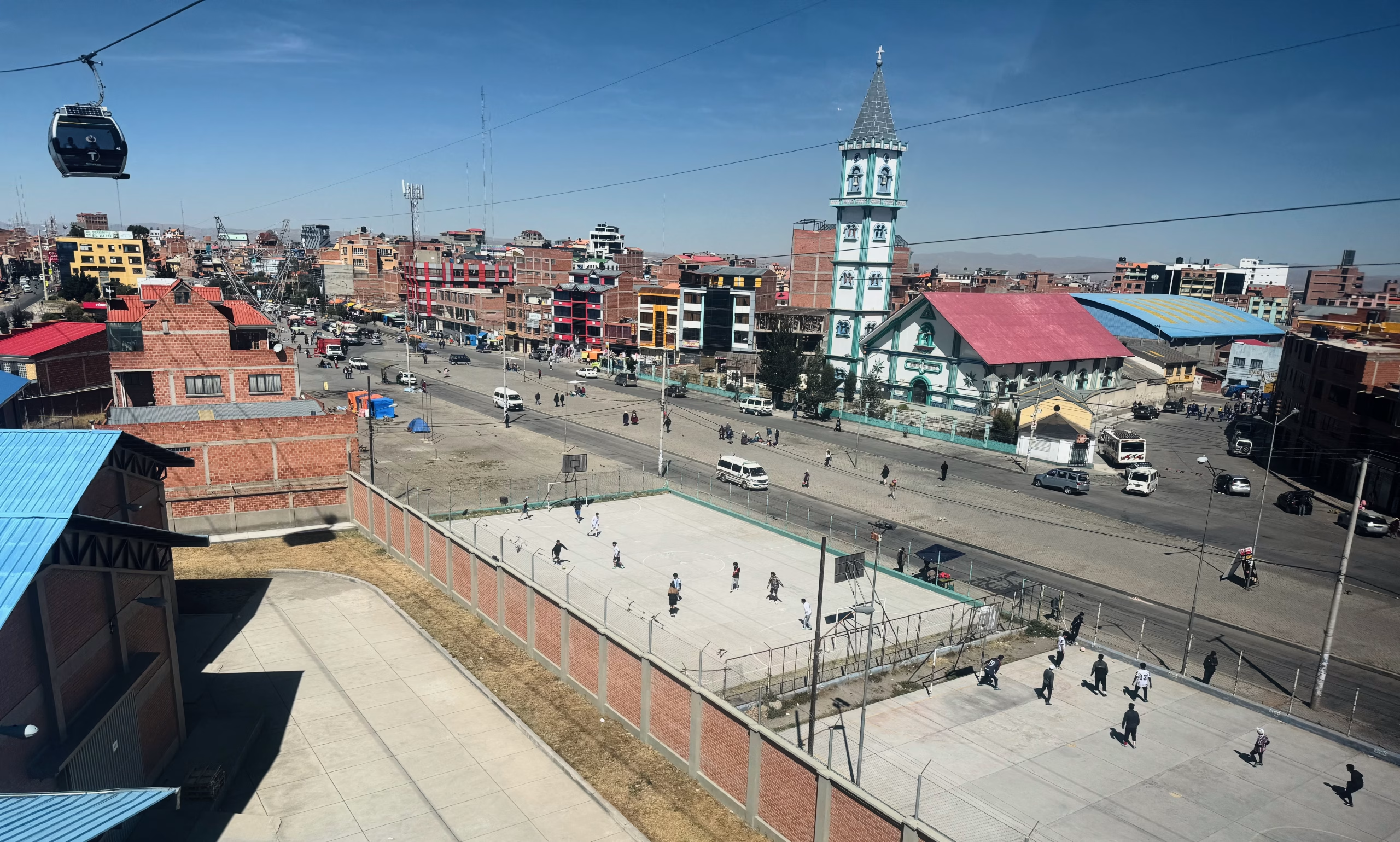
When you land in La Paz’s international airport—El Alto International Airport (Aeropuerto Internacional El Alto), you actually arrive at La Paz’s sister city, El Alto. While La Paz is nestled in the deep valley, El Alto perches at over 4,100 meters (13,450 feet) on the rim of the Altiplano above La Paz. Once a suburb, it officially became its own city in 1985 and has since grown into Bolivia’s second-largest city. It has a population of over 1 million—larger than La Paz (around 900,000).
Home to a predominantly Aymara Indigenous population, El Alto is a hub of commerce, political activism, and cultural pride. Its sprawling markets, such as the massive Thursday and Sunday street fairs, are among the largest in South America. Despite challenges like rapid urban growth and limited infrastructure, El Alto pulses with energy and resilience. It’s also known for its iconic “cholet” architecture, colorful multi-story buildings that blend traditional motifs with modern flair. Connected to La Paz by the Mi Teleférico cable car system, El Alto offers stunning views and a unique window into the heart of Bolivia’s working-class strength and Indigenous identity.
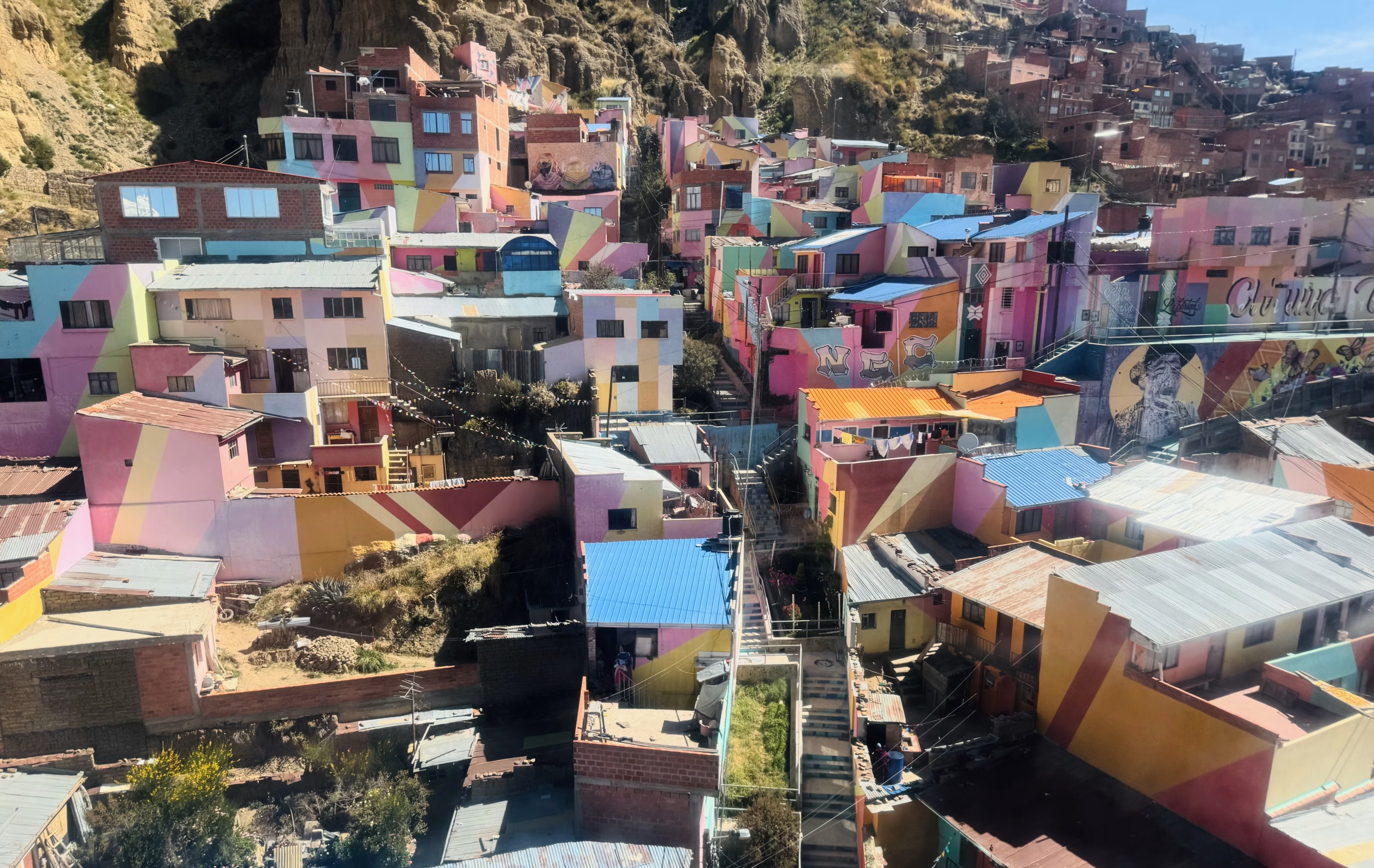
La Paz City Scenes