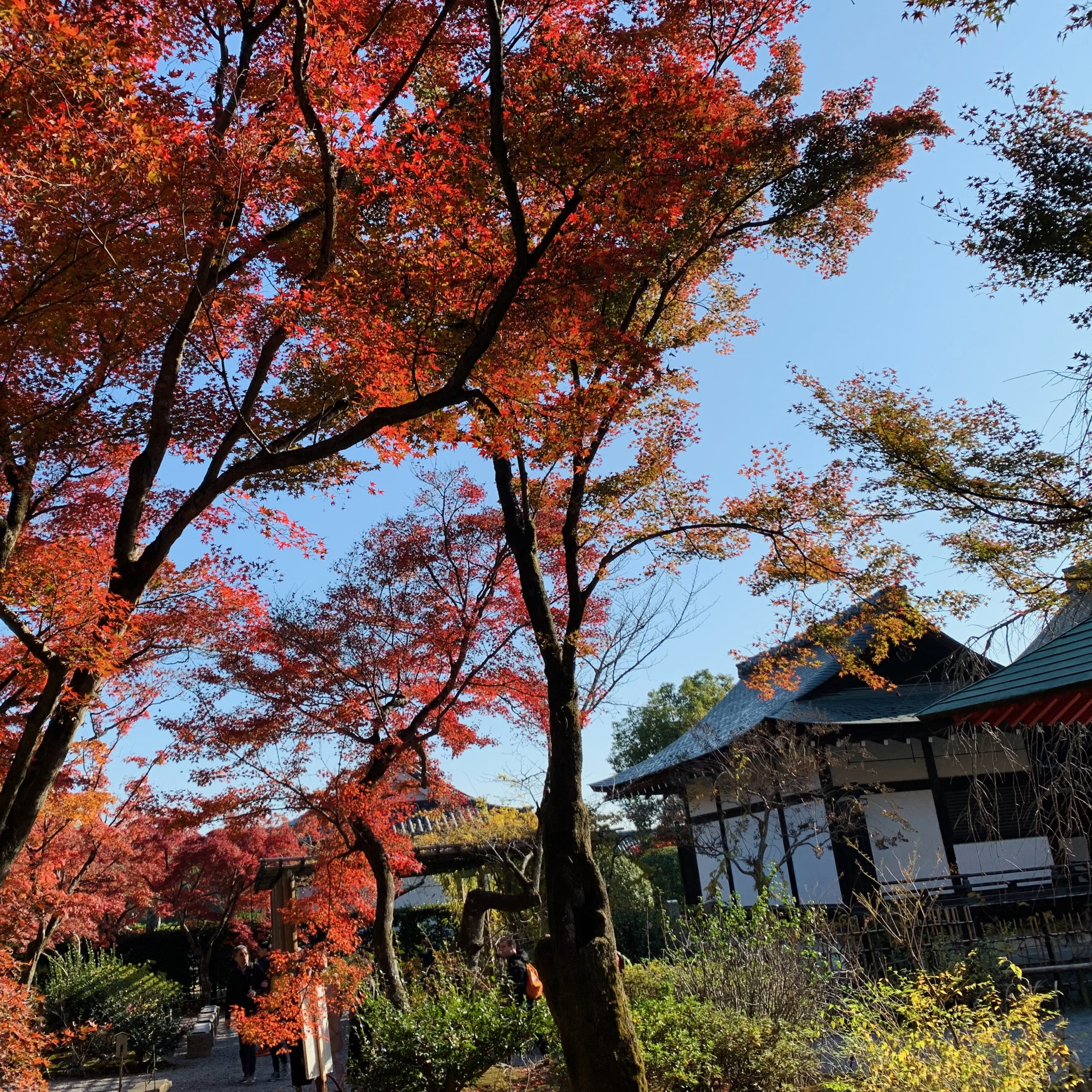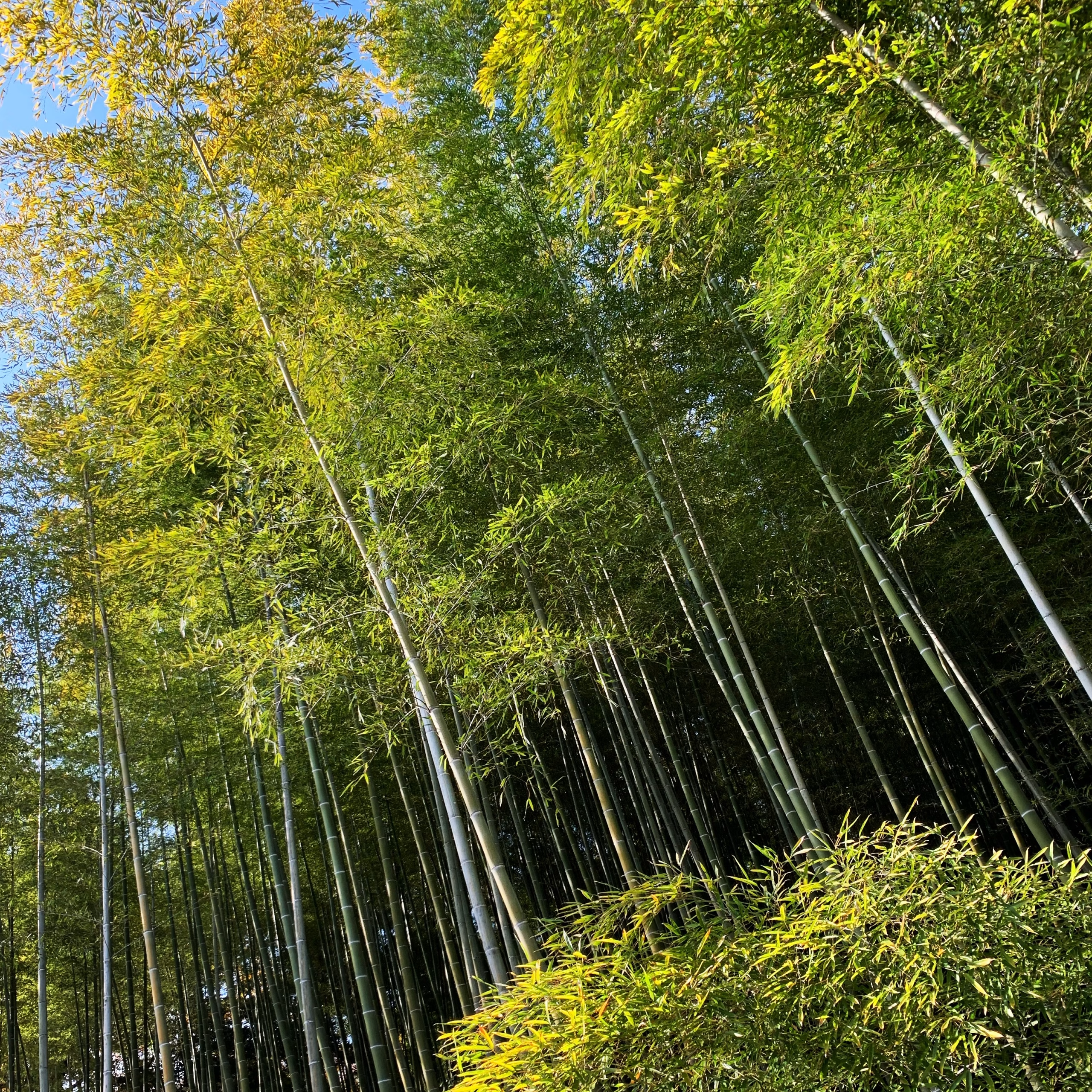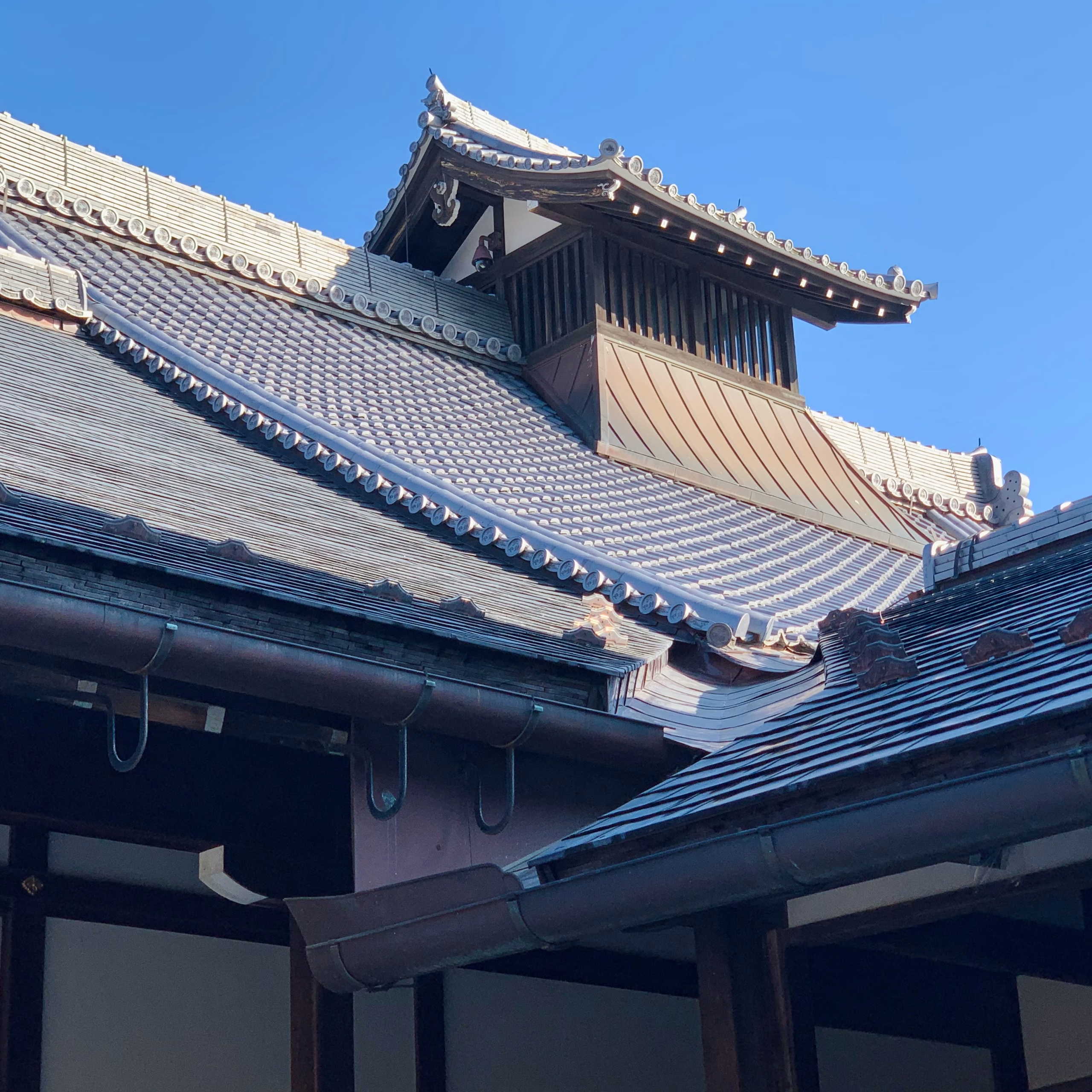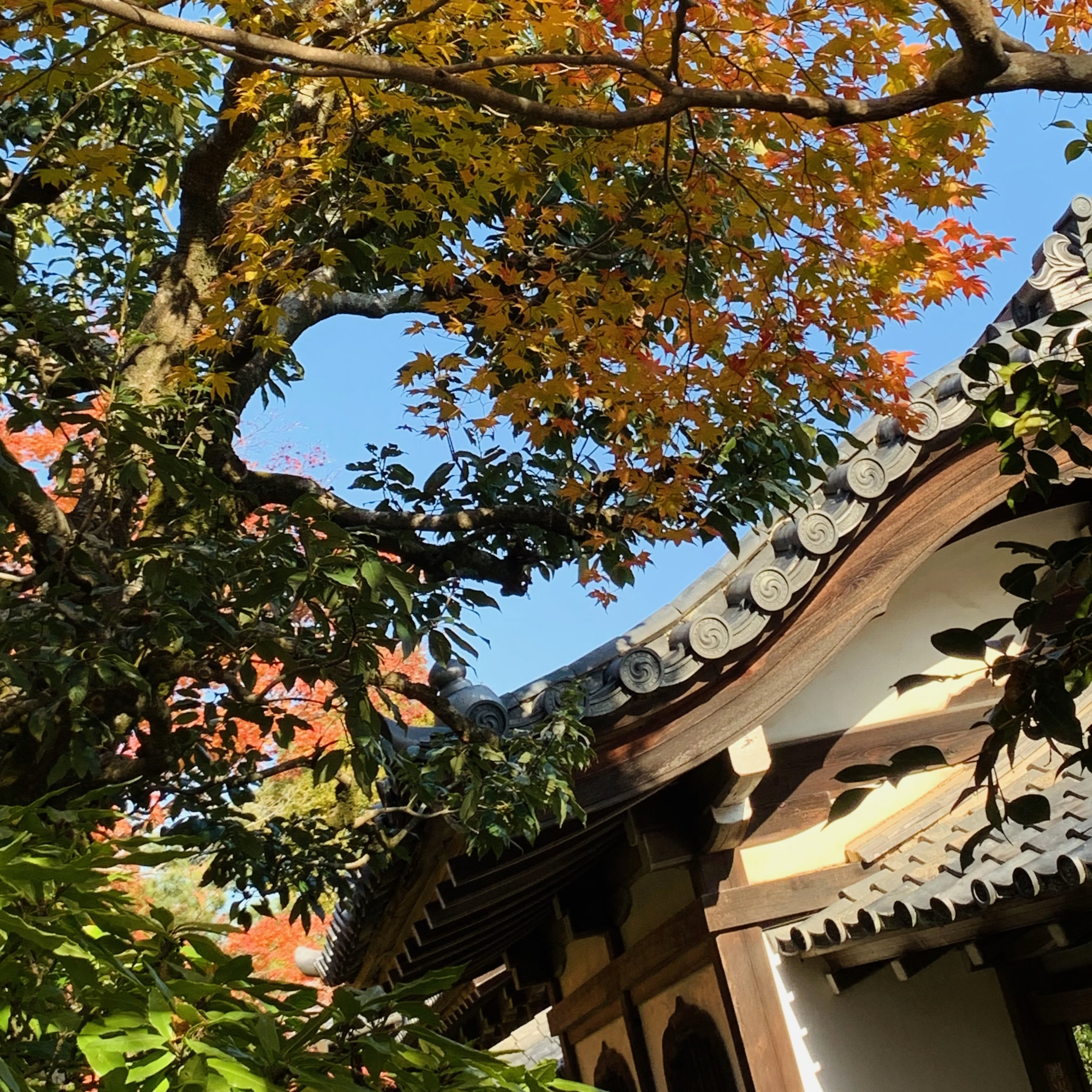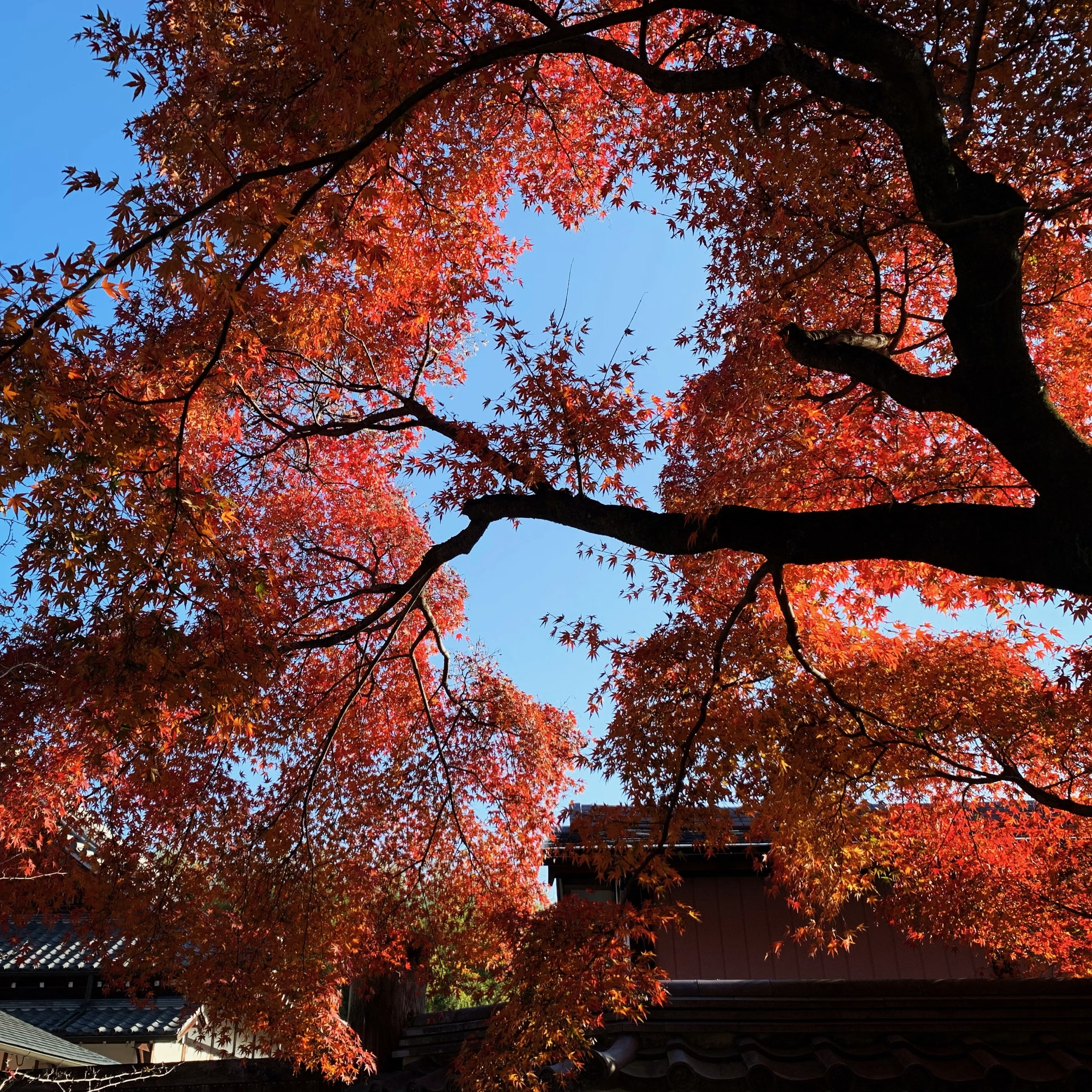

Kyoto is the heart of Japan’s cultural heritage, where ancient traditions and modern life blend seamlessly. From the breathtaking golden glow of Kinkaku-ji to the peaceful bamboo groves of Arashiyama, every corner of Kyoto tells a story of history, spirituality, and artistry. Whether you’re wandering through the vermilion torii gates of Fushimi Inari Shrine, savoring matcha in a traditional teahouse, or spotting a geisha in Gion’s lantern-lit streets, Kyoto offers an unforgettable journey through time. Join me as I explore the timeless beauty, rich flavors, and hidden gems of Japan’s former imperial capital.
Fushimi Inari Taisha (伏見稲荷大社)
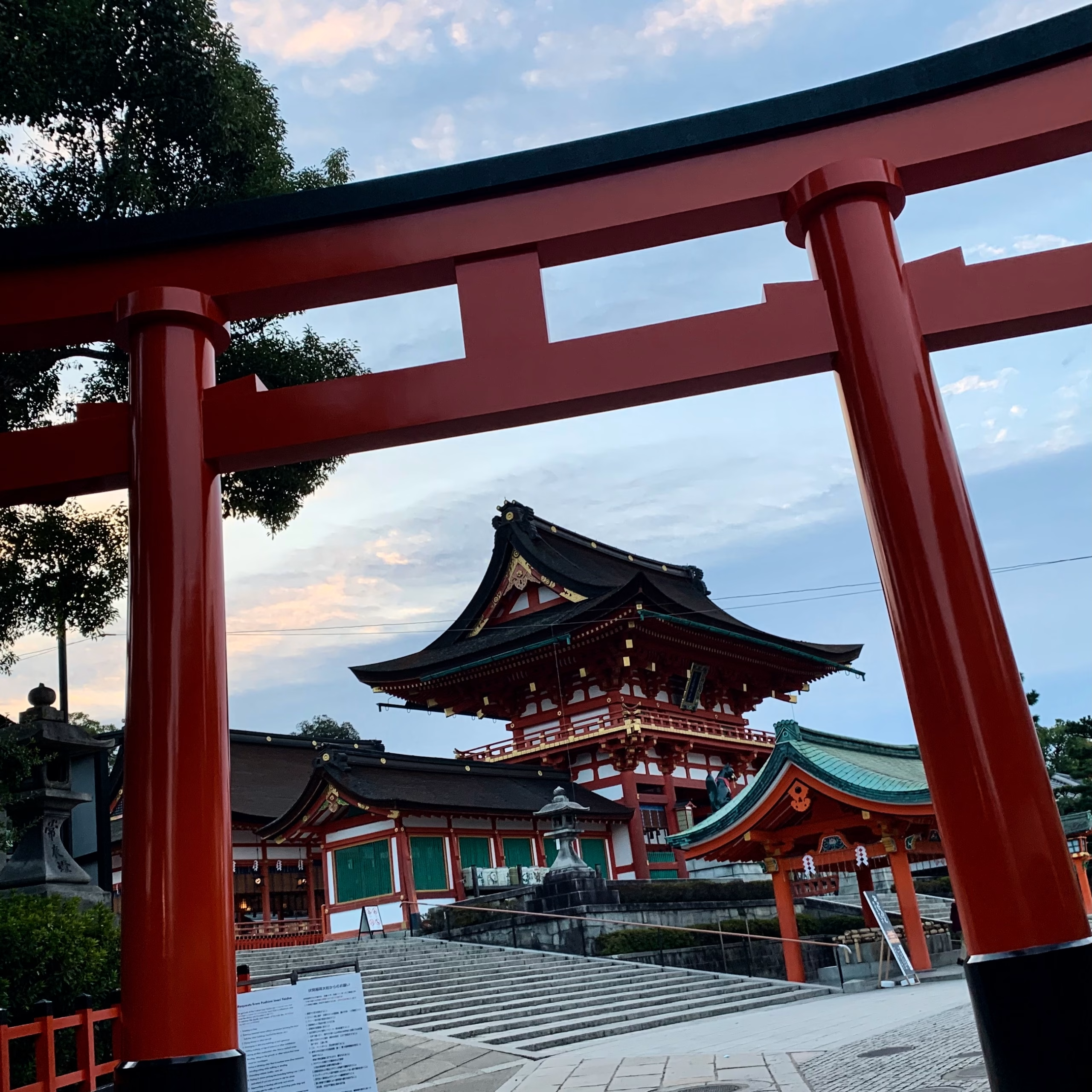
Dedicated to Inari, the Shinto god of rice, prosperity, and business success, Fushimi Inari Taisha has been a place of worship since the 8th century.
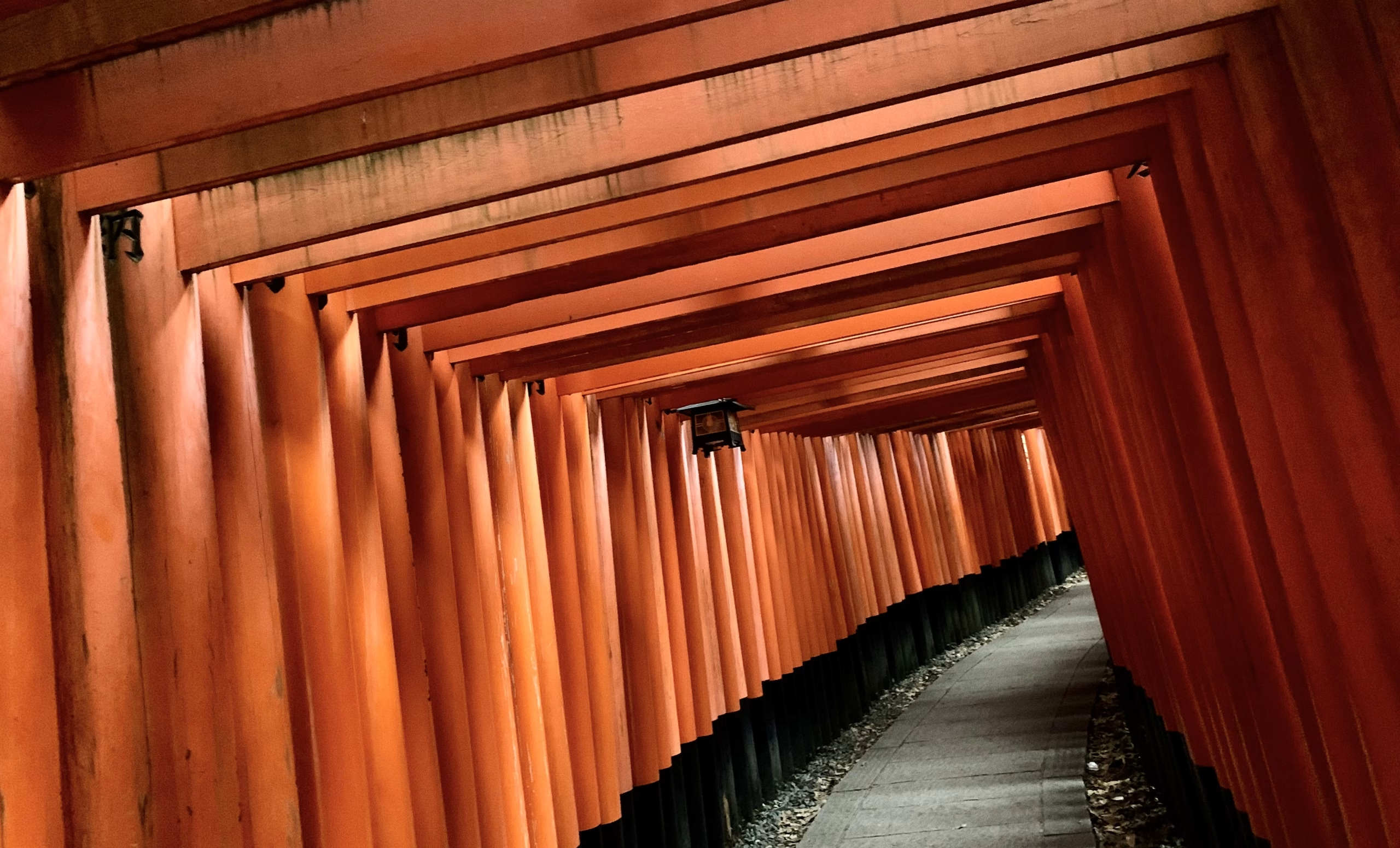
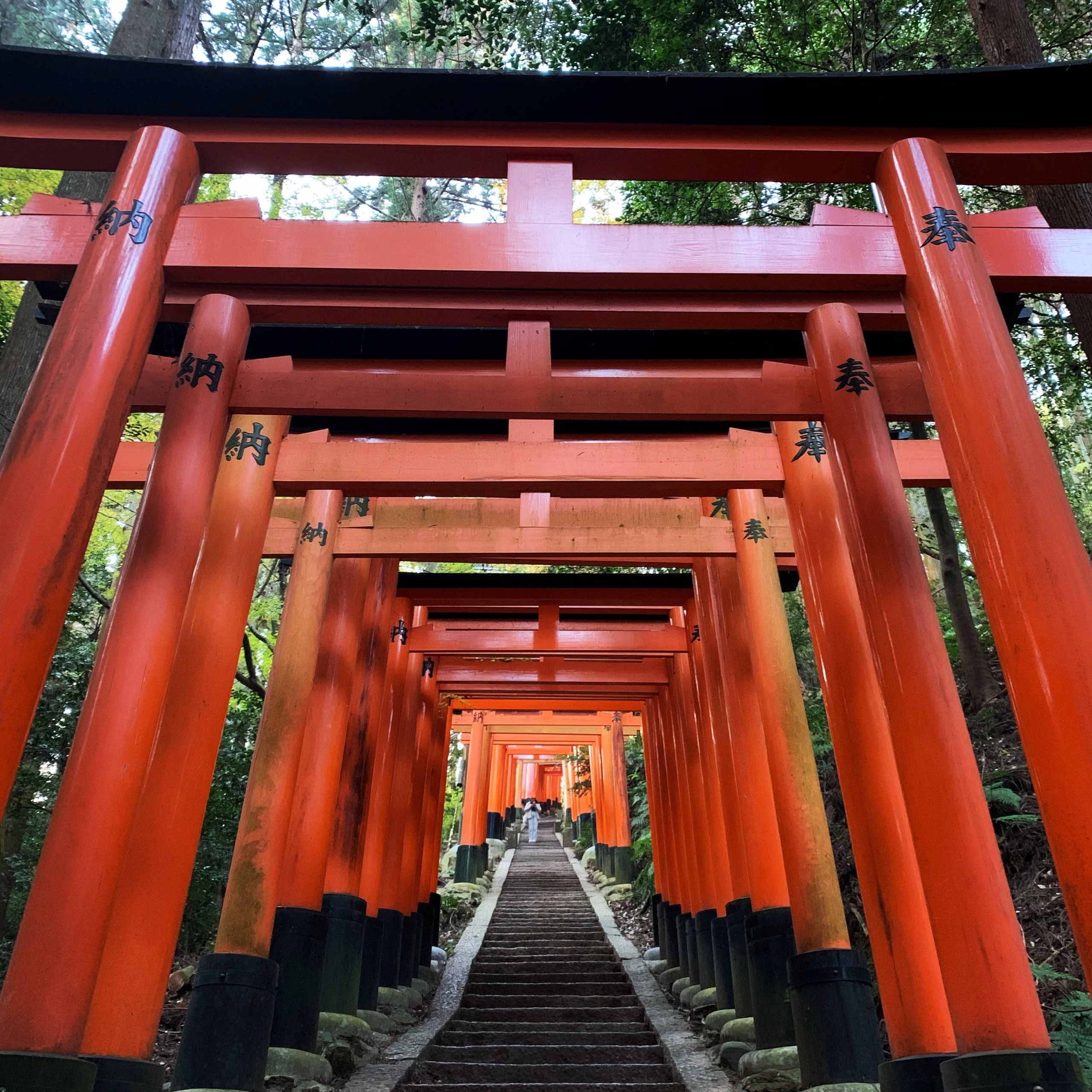
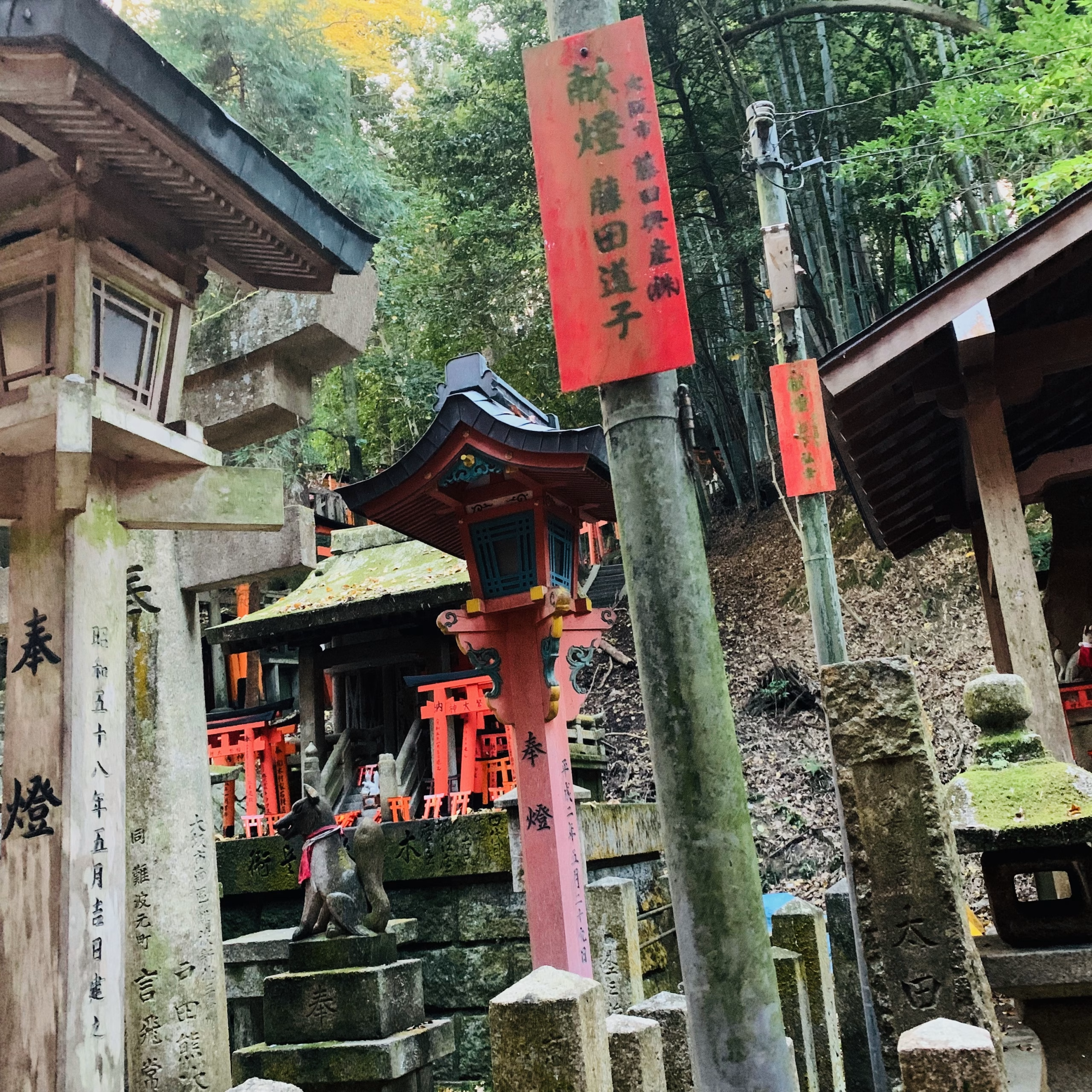
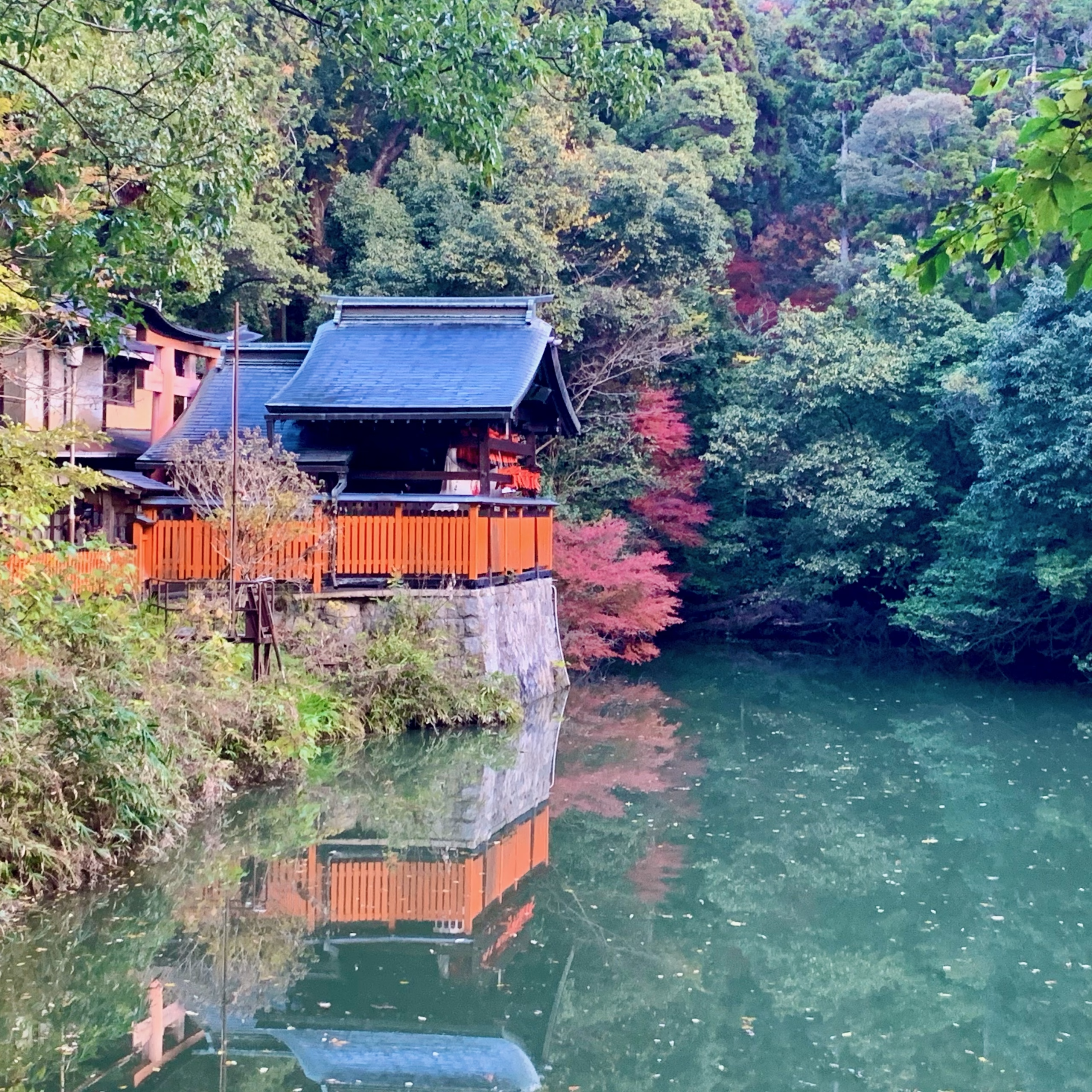
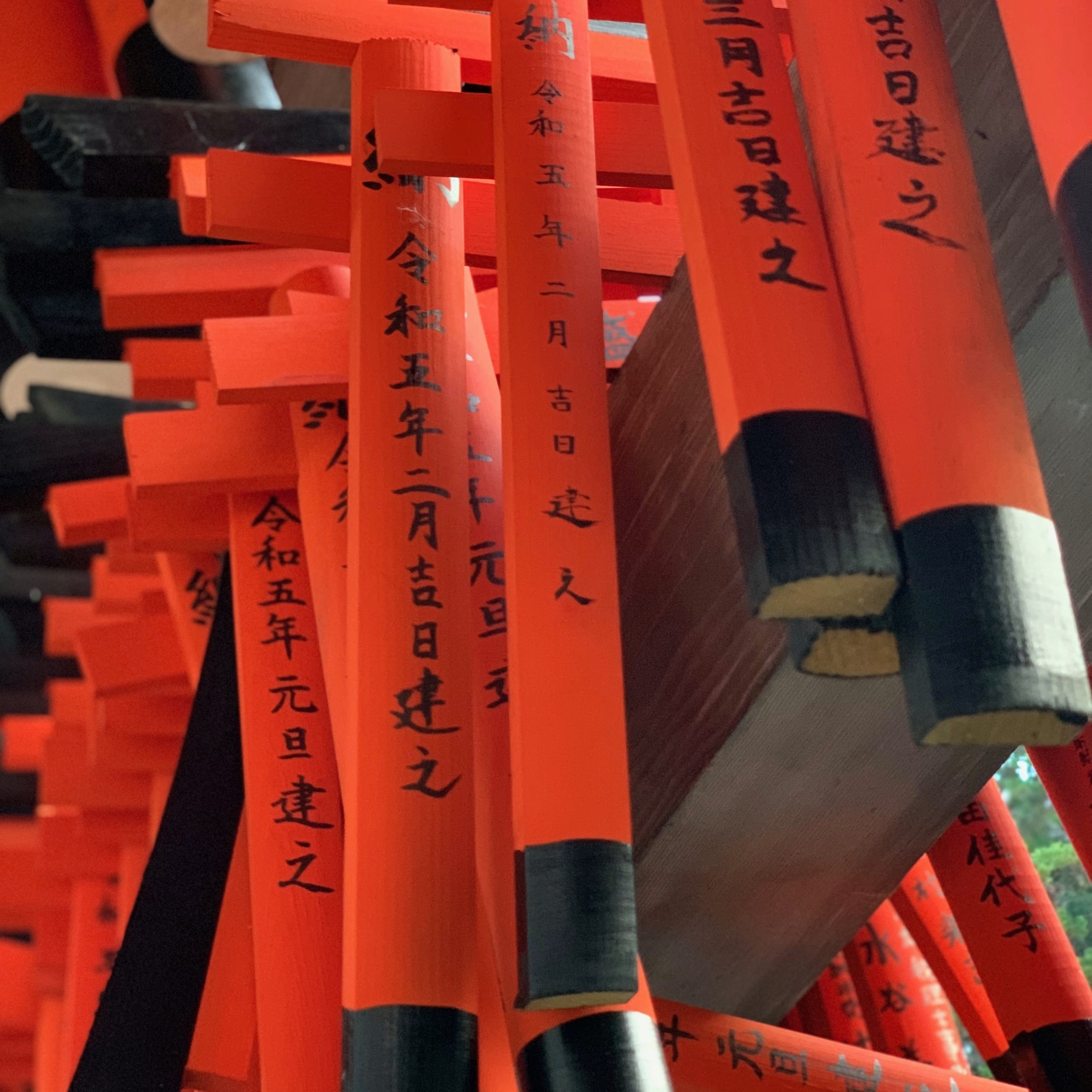
The thousands of gates, donated by individuals and businesses seeking good fortune, create a mesmerizing tunnel-like effect. Beyond the famous Senbon Torii (Thousand Torii Gates), a trail leads through tranquil forested paths, smaller shrines, and scenic viewpoints overlooking Kyoto. Along the way are numerous fox statues, known as kitsune, which are believed to be the messengers of Inari.

Kinkaku-ji (Golden Pavilion, 金閣寺)
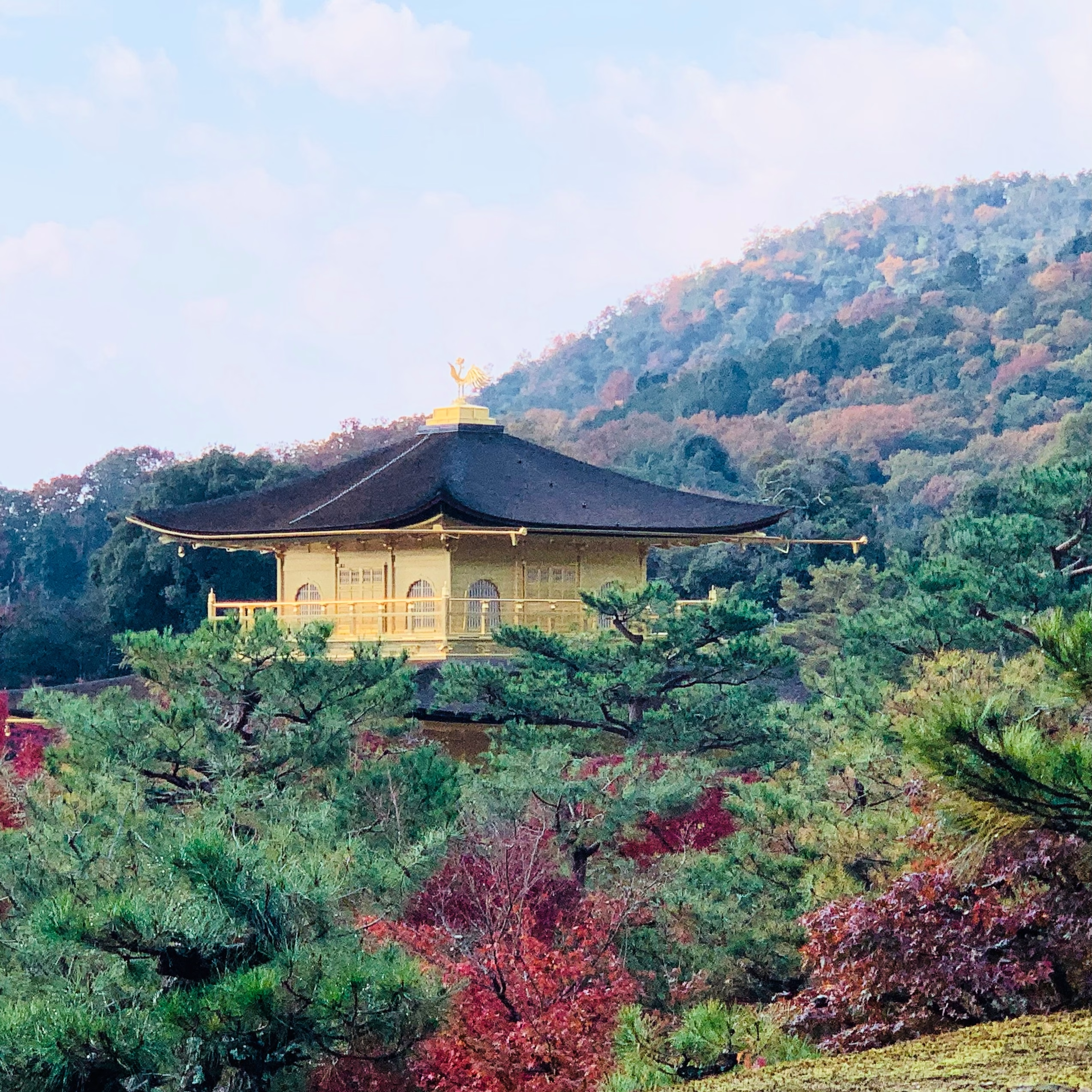
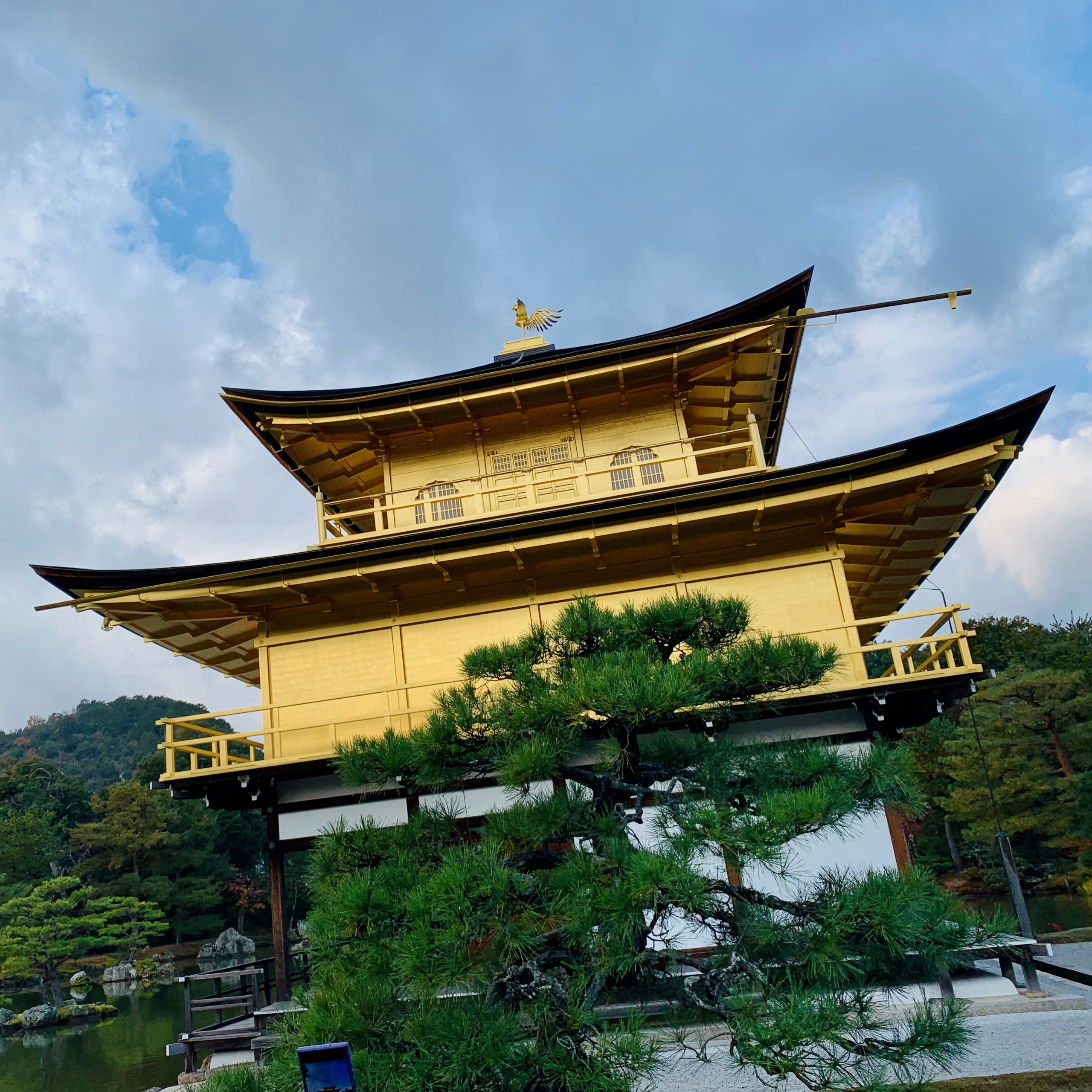
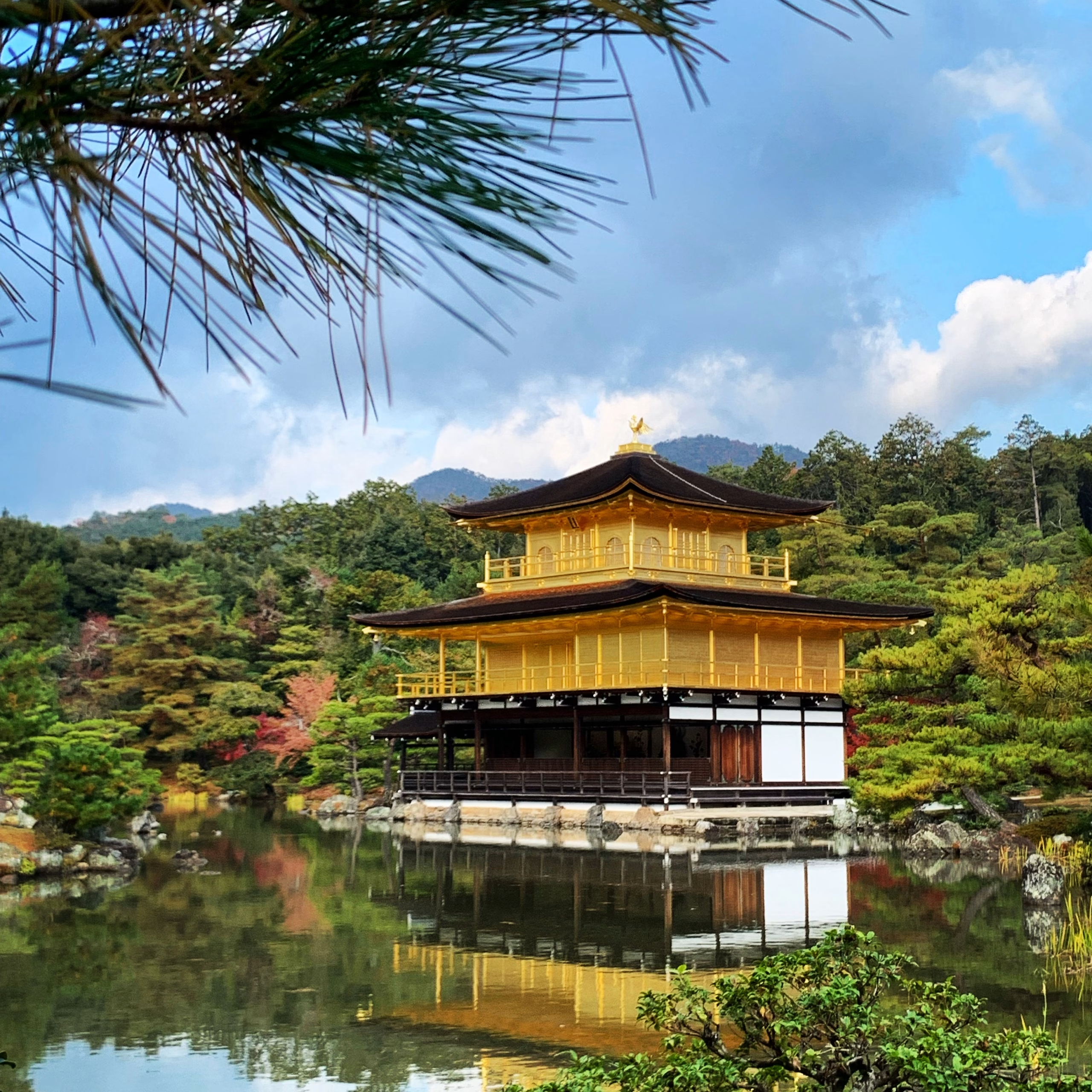
A UNESCO World Heritage site, Kinkaku-ji, or the Golden Pavilion, is known for its dazzling gold leaf-covered exterior that reflects beautifully on the tranquil Kyoko-chi (Mirror Pond). It was originally built in 1397 as a retirement villa for the shogun Ashikaga Yoshimitsu, but became a Zen Buddhist temple after his death.
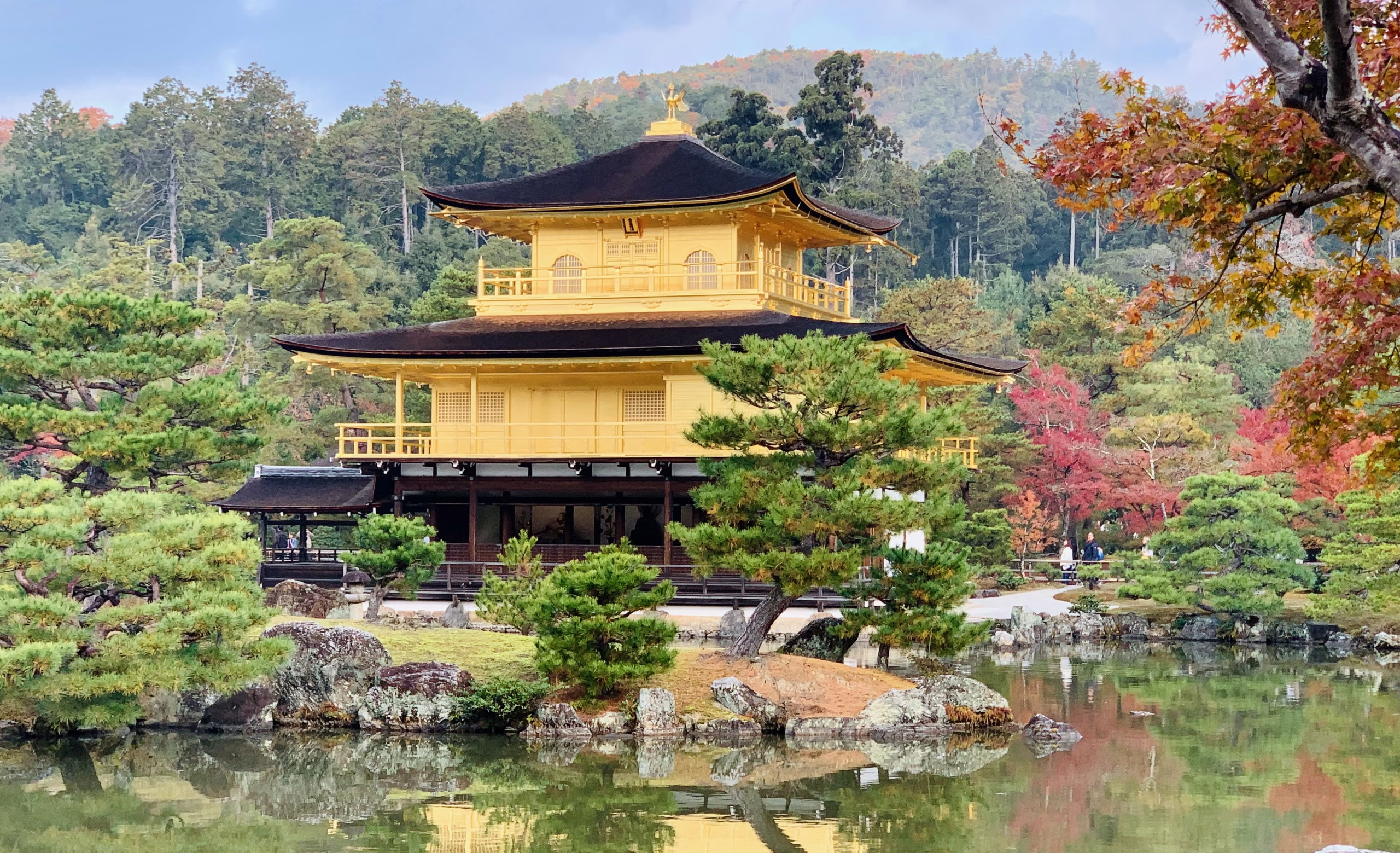
The three-story structure showcases a blend of architectural styles: the first floor follows the Shinden style of the Heian aristocracy, the second floor represents samurai residences, and the top floor embodies Zen temple design, entirely covered in gold leaf. Surrounded by meticulously landscaped gardens, the pavilion stands as a symbol of harmony and serenity.
Visitors can stroll along the scenic pathways, admire the pond’s small islands and rock arrangements, and stop by the charming tea garden for a matcha experience.
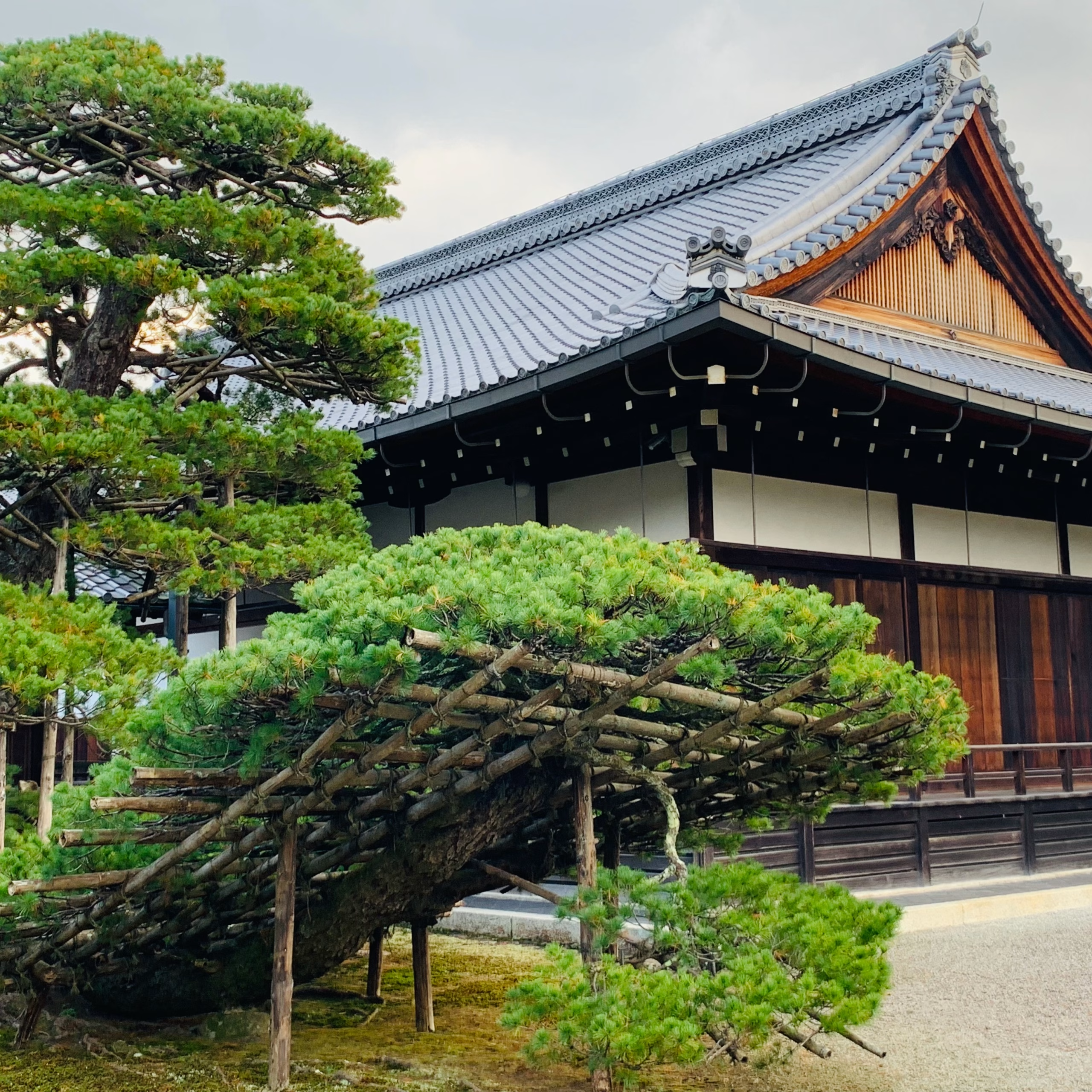
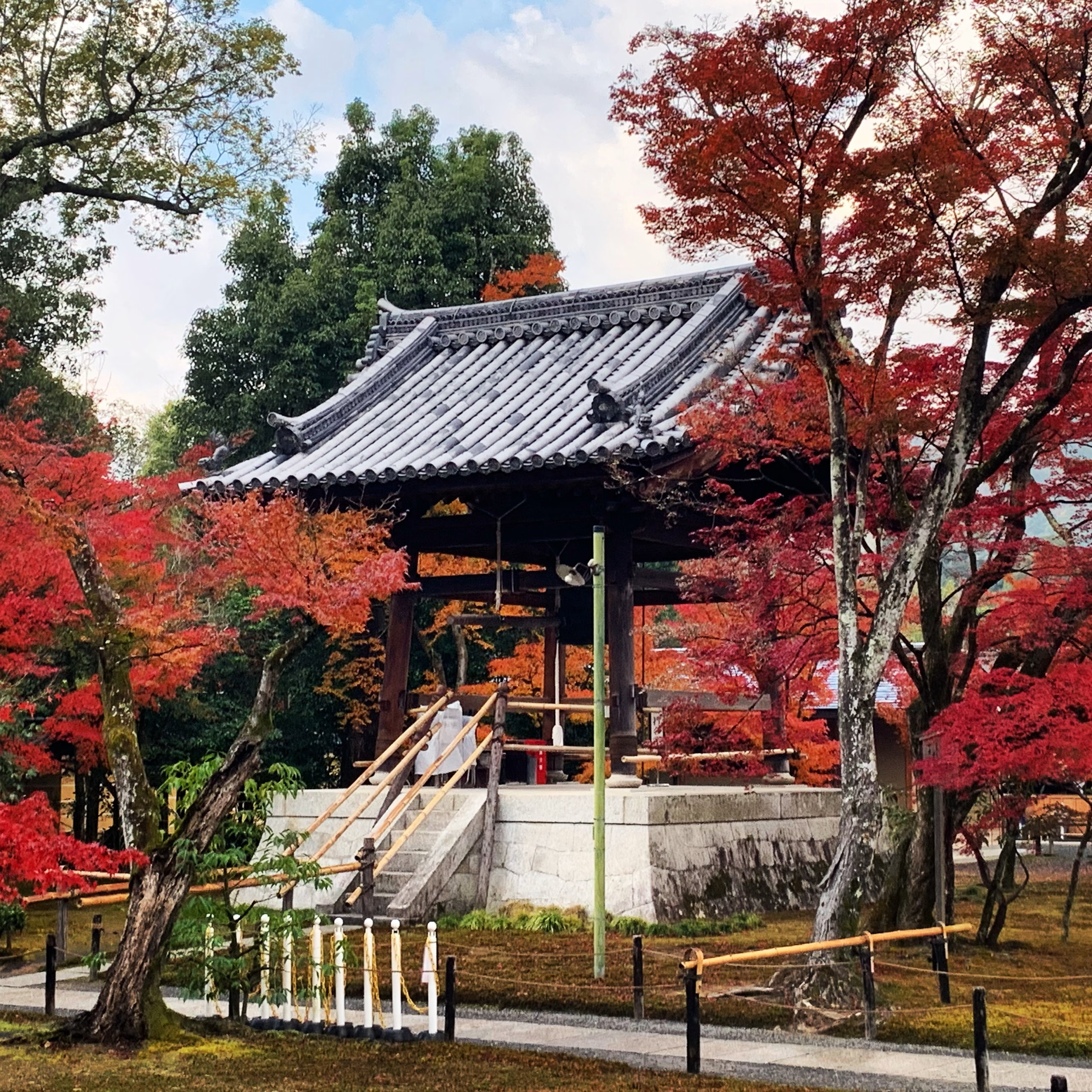
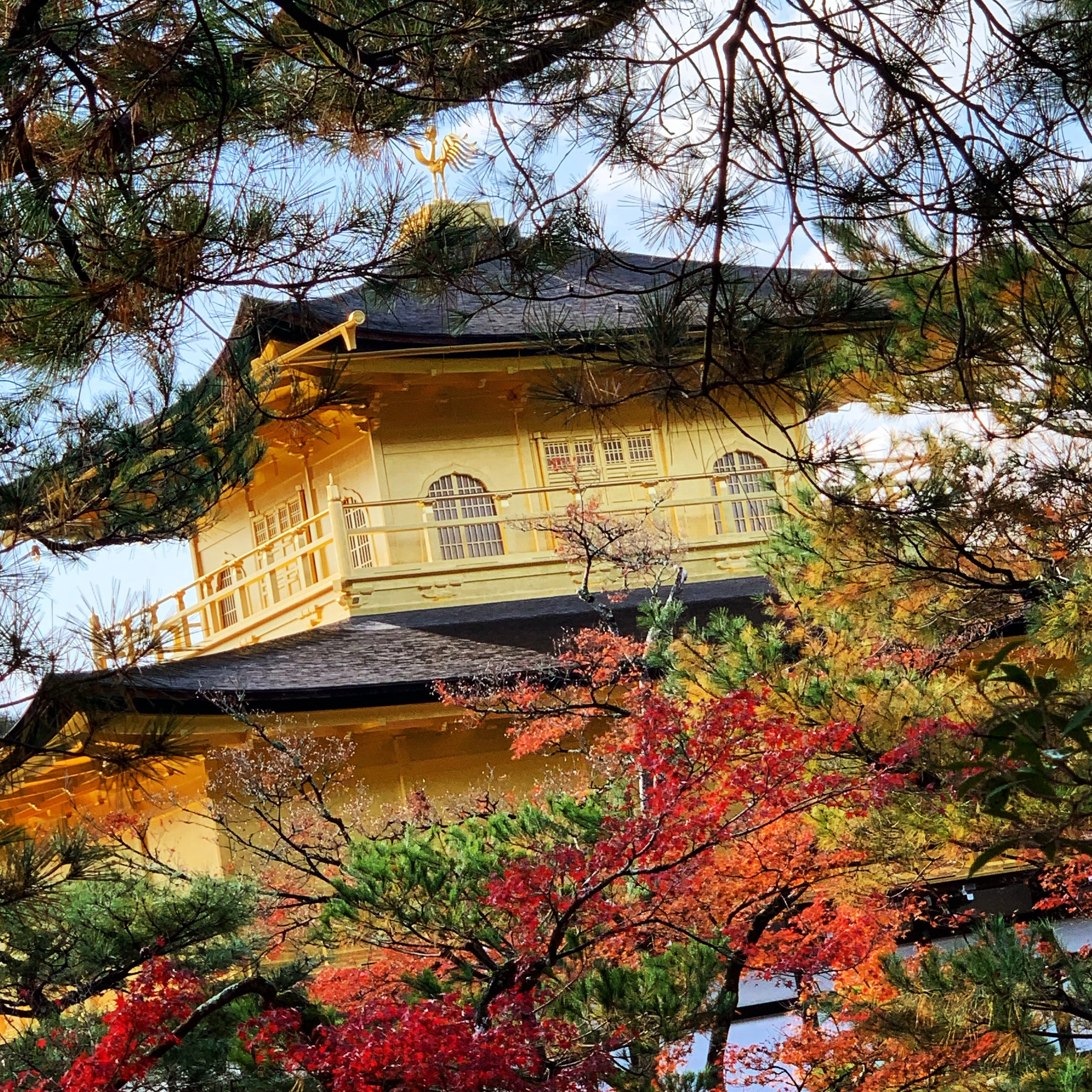
Ginkaku-ji (Silver Pavilion, 銀閣寺)
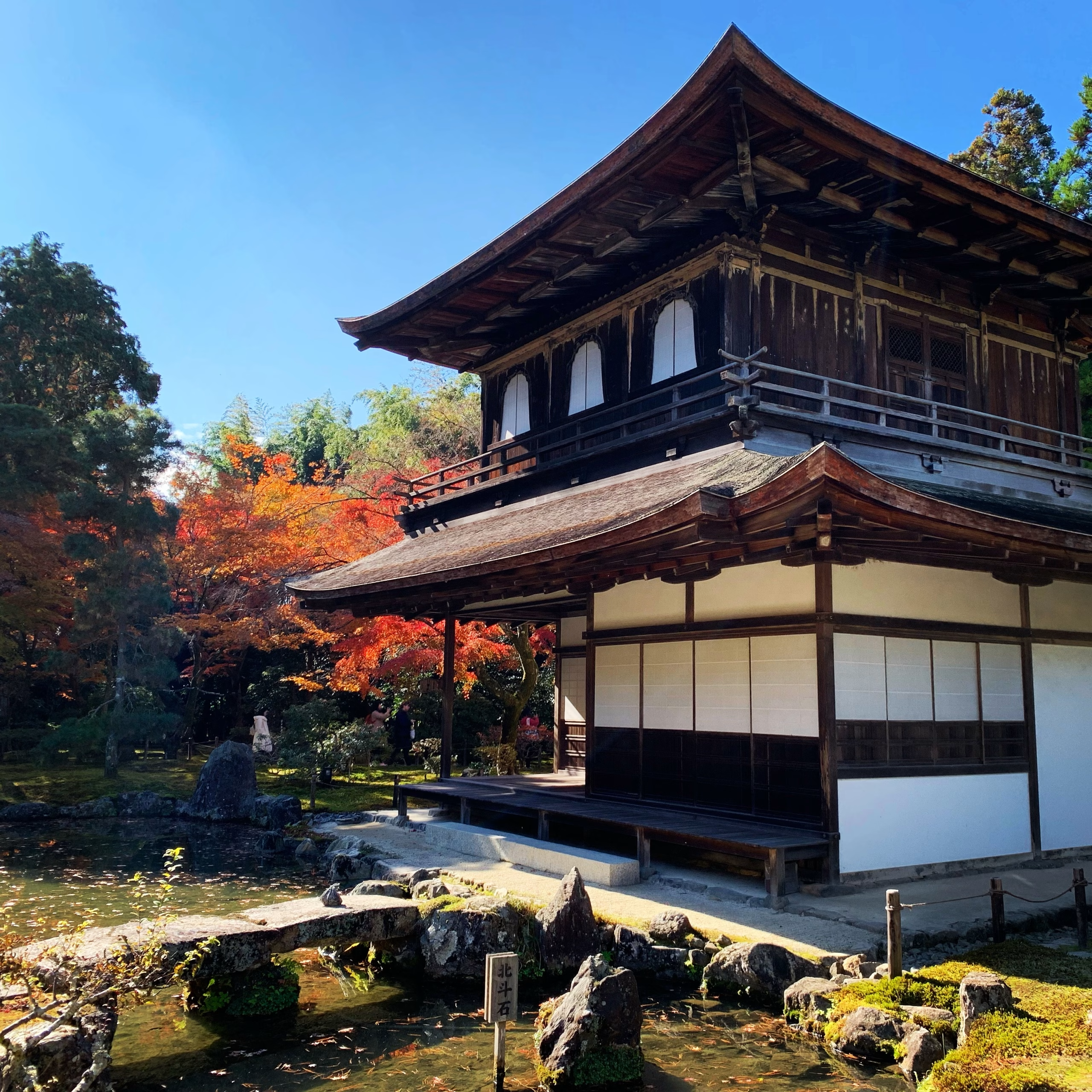
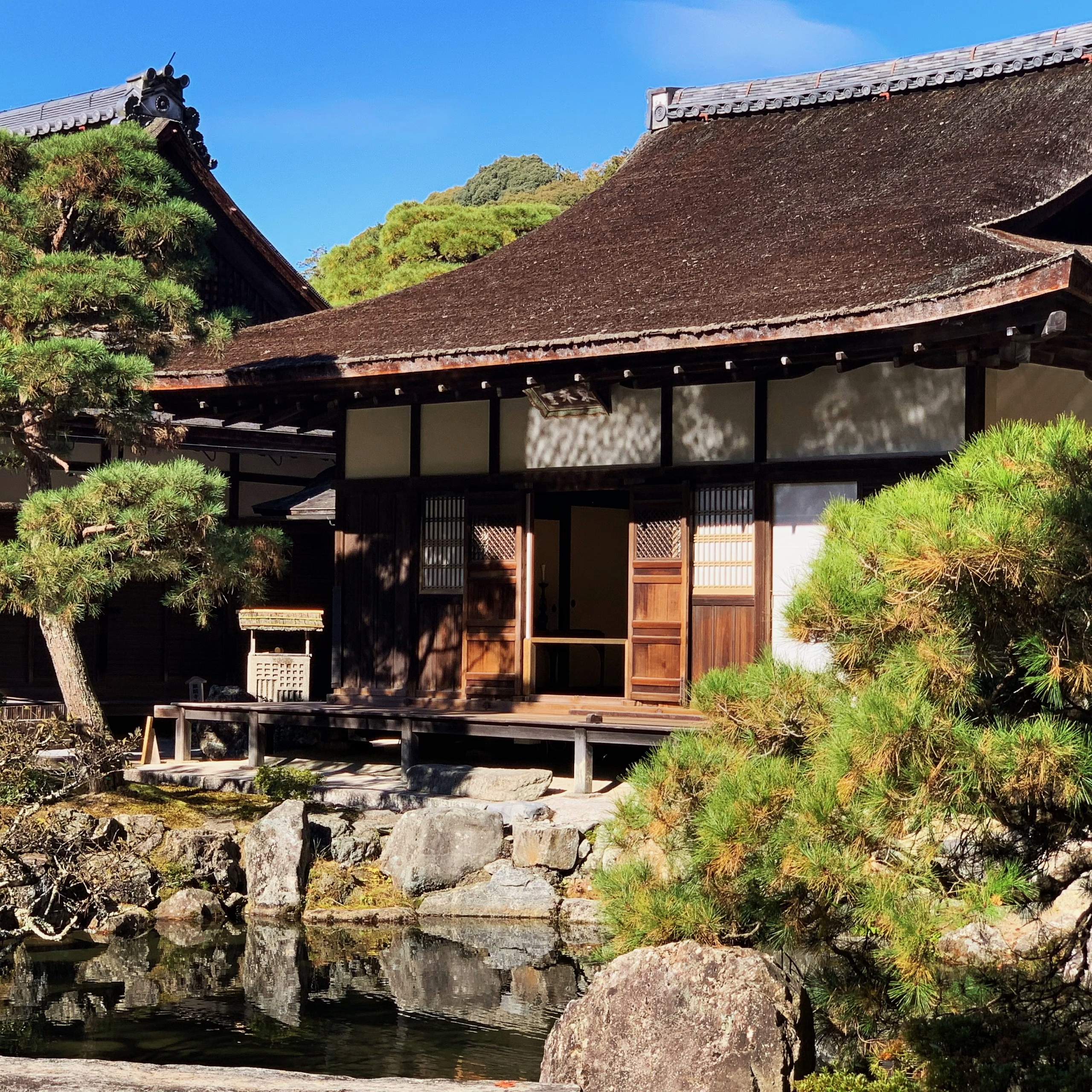
Ginkaku-ji, or the Silver Pavilion, is a Zen temple nestled in Kyoto’s Higashiyama district. It is known for its understated elegance and beautifully landscaped gardens. Shogun Ashikaga Yoshimasa built in 1482 as a retreat. Inpired by Kinkaku-ji (the Golden Pavilion), it was intended to be covered in silver leaf, though never materalized. However, its simple, weathered wooden exterior embodies the wabi-sabi aesthetic (侘び寂び)—finding beauty in imperfection, transience, and natural aging.
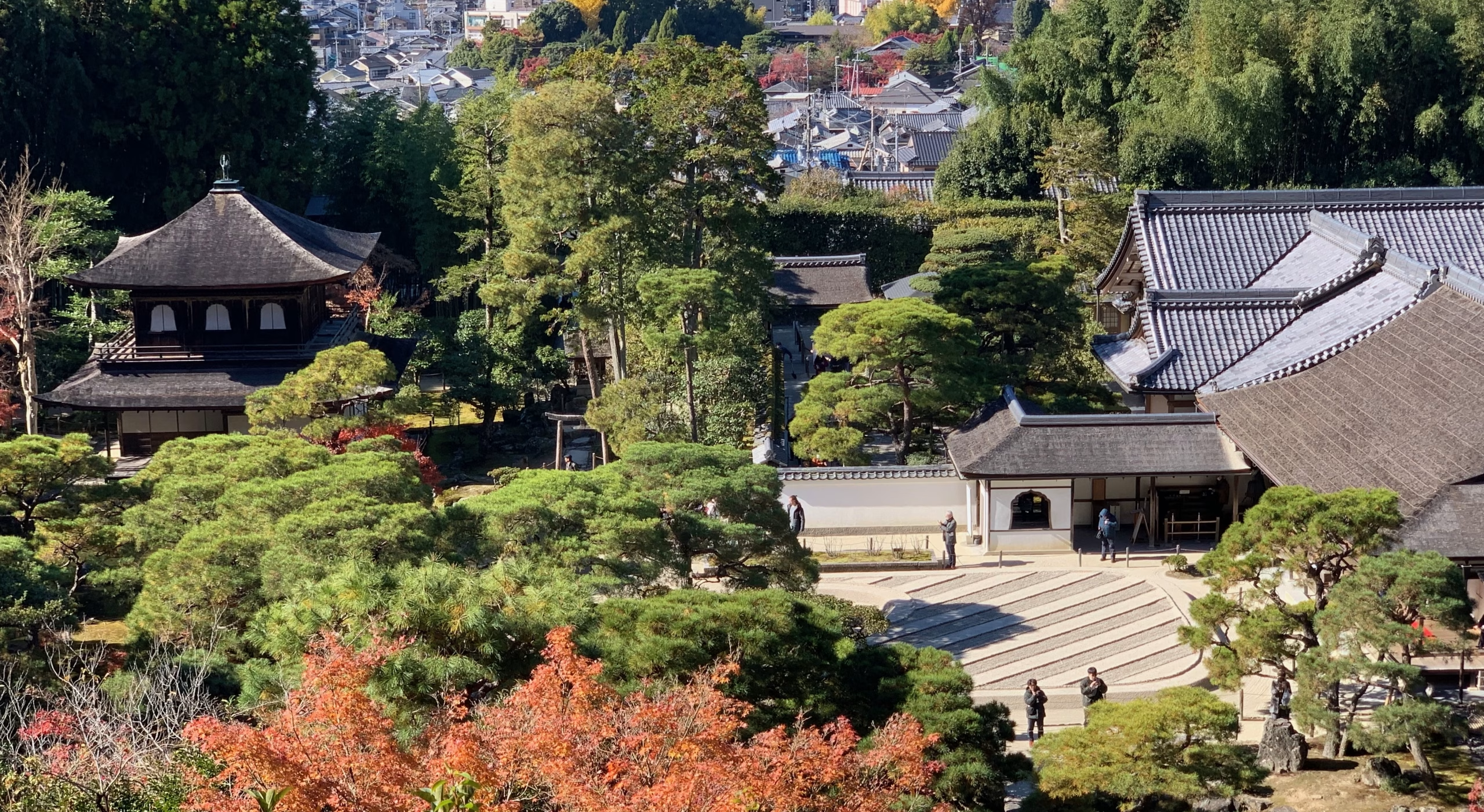
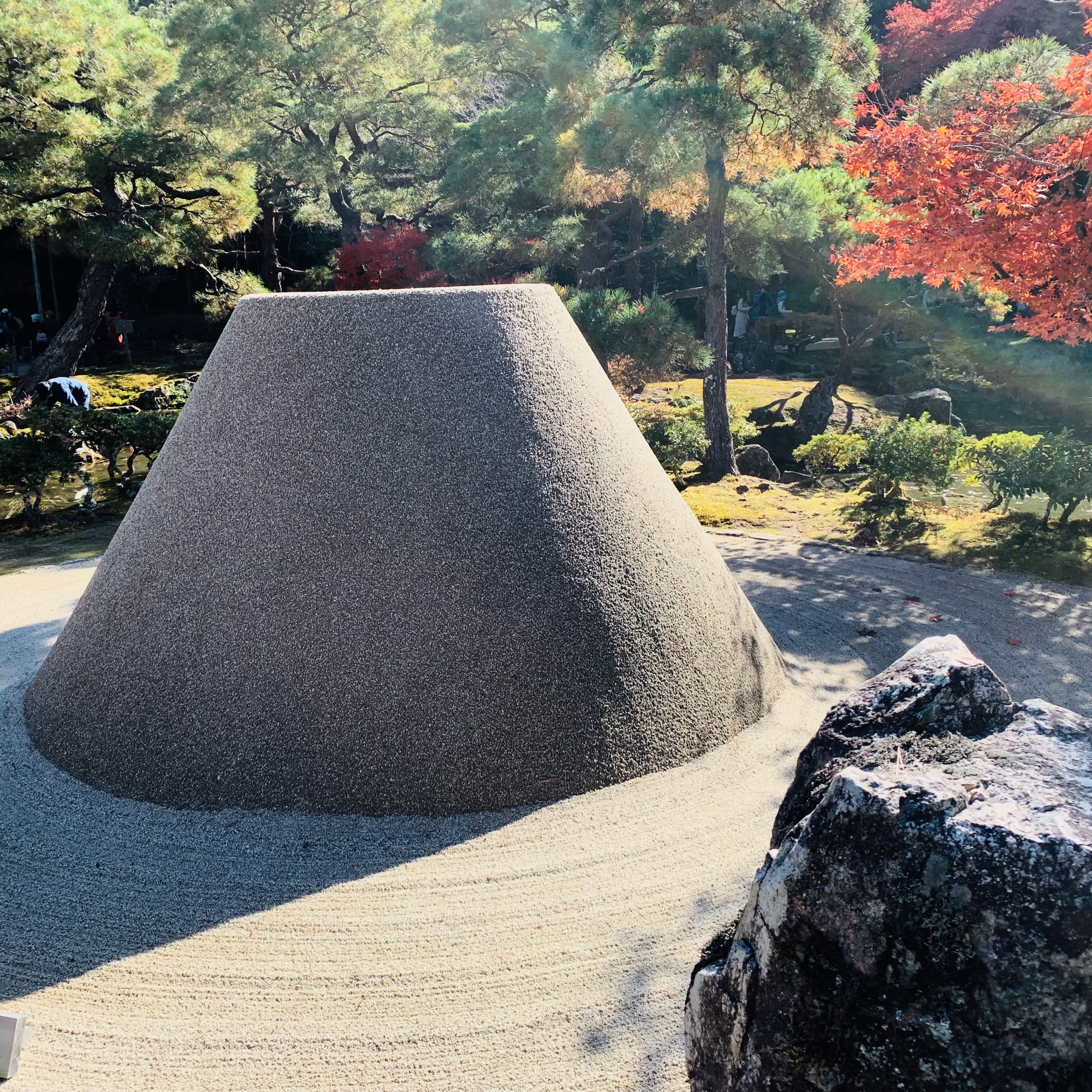
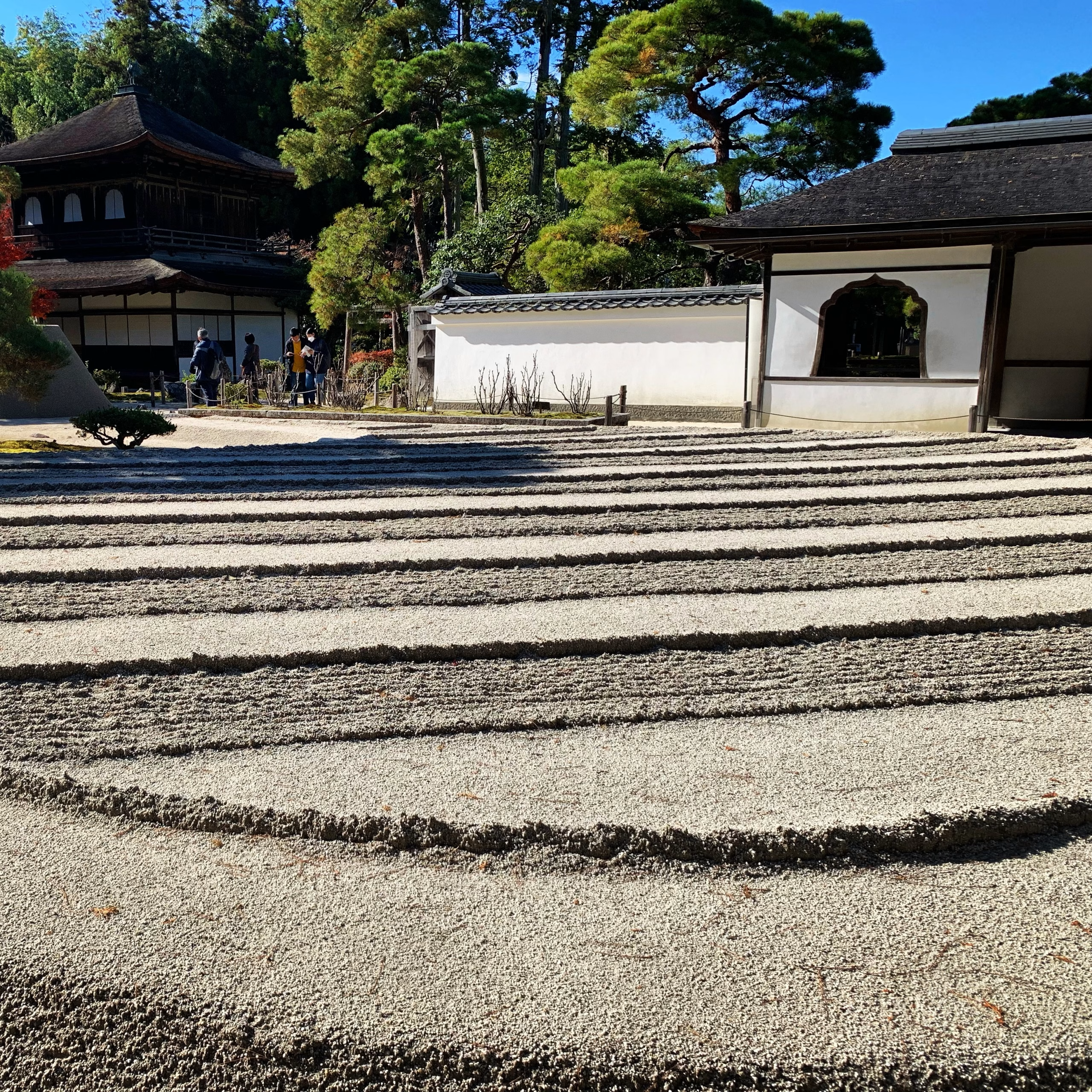
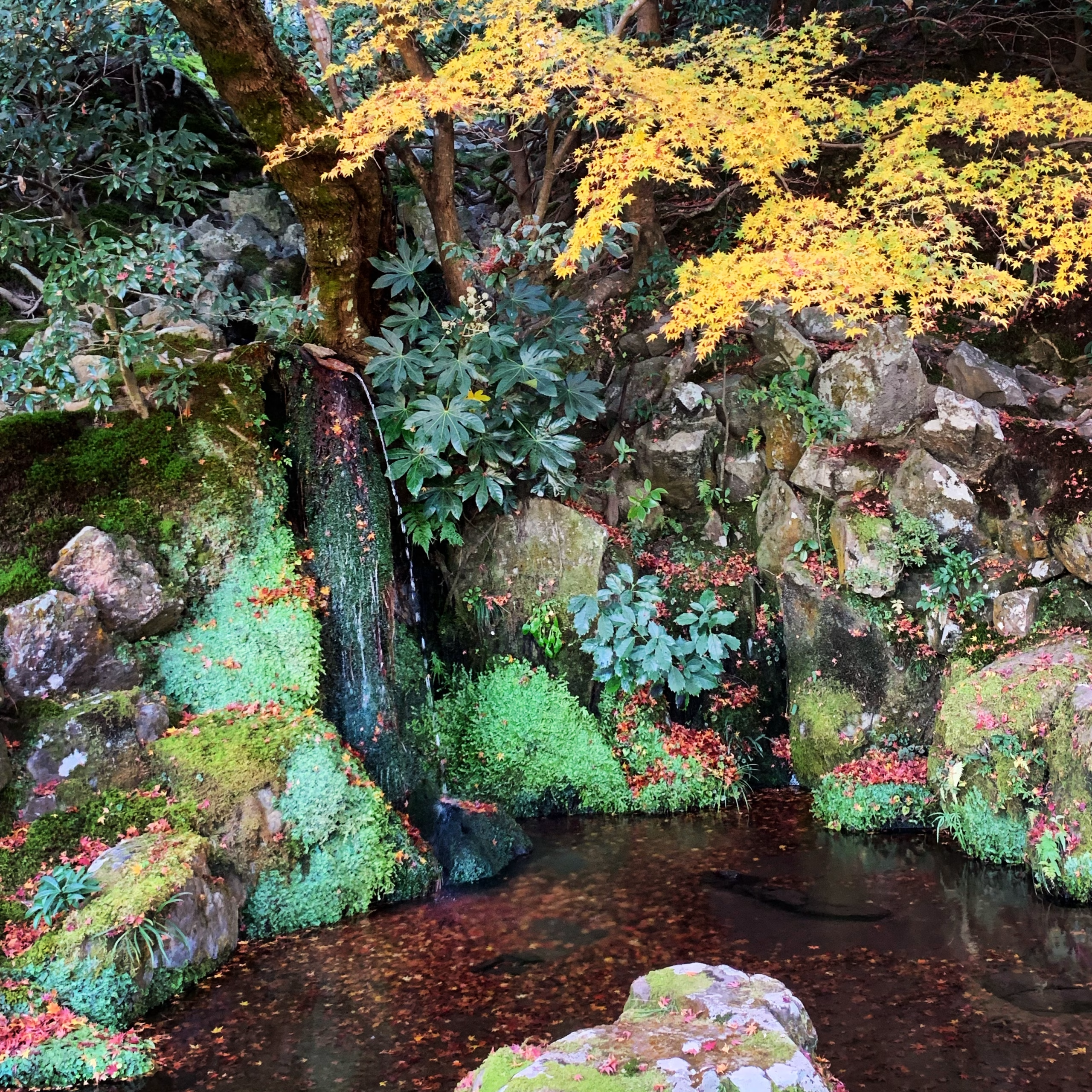
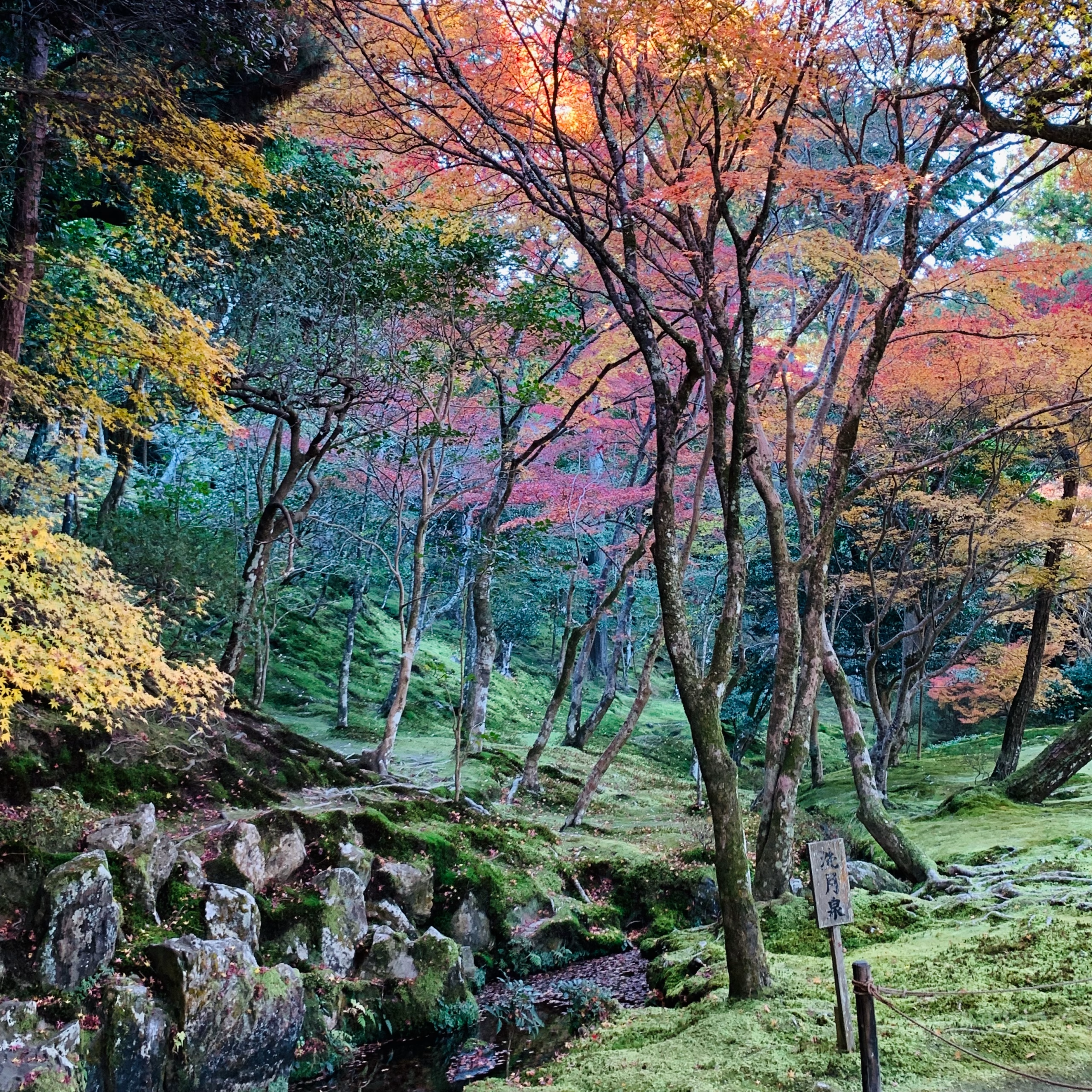
The temple complex is surrounded by a sand garden, the Ginshadan (Sea of Silver Sand), with rippled patterns meant to reflect moonlight, and the Kogetsudai, a carefully shaped sand cone thought to symbolize Mount Fuji. Visitors can stroll through the lush moss garden and follow a peaceful path leading to a hilltop viewpoint offering panoramic views of Kyoto.
Ryoan-ji (龍安寺)
Ryoan-ji, a UNESCO World Heritage site in Kyoto is well known for its minimalist karesansui (dry rock garden). Established in 1450, this Zen temple belongs to the Rinzai sect of Zen Buddhism, offering a transquil space for meditation and reflection.
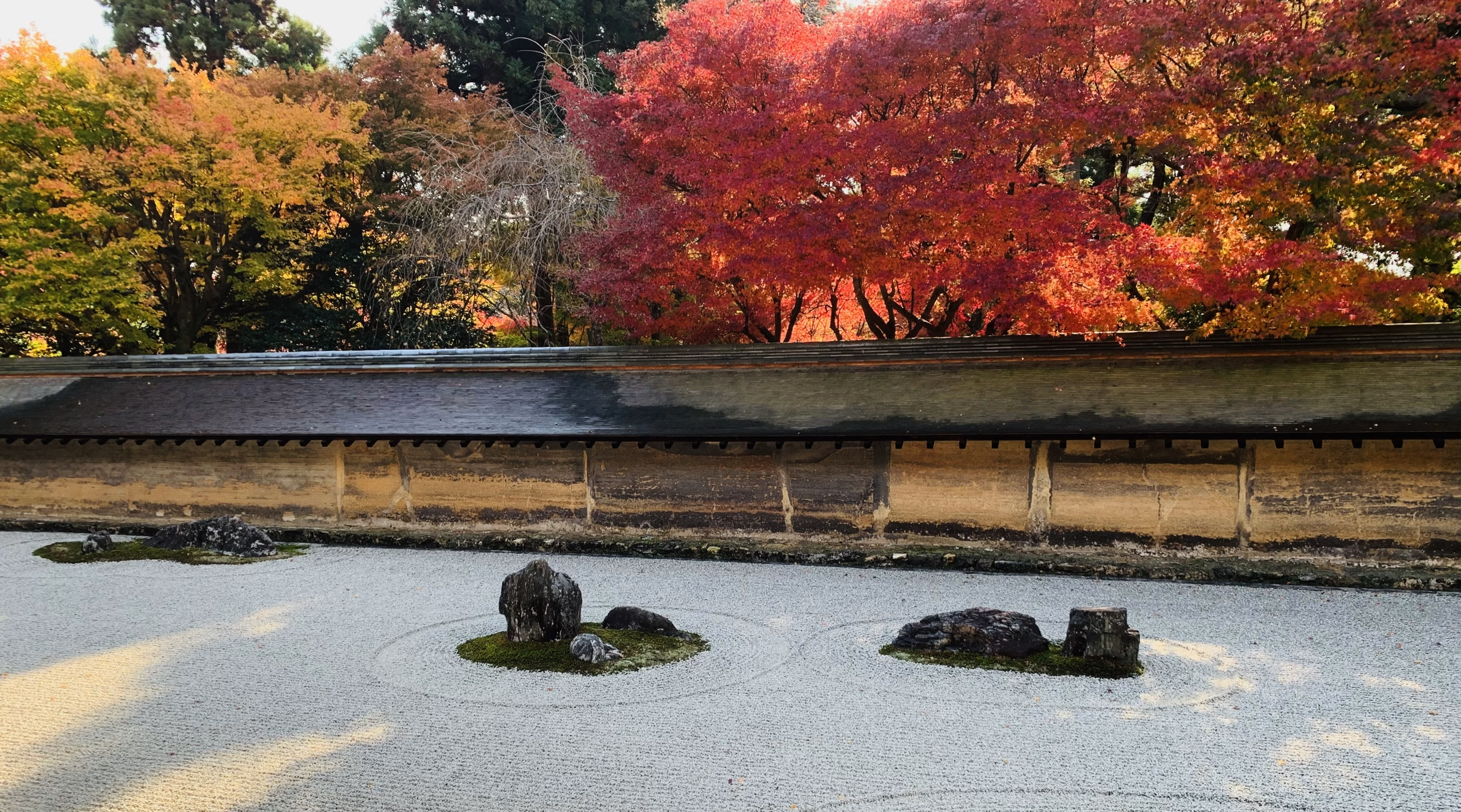
The rock garden is composed of 15 carefully placed rocks surrounded by meticulously raked white gravel. The arrangement is designed to encourage contemplation. From any viewing angle, at least one rock remains hidden from sight. The garden’s meaning remains a mystery, inspiring interpretations ranging from islands in a sea to a mother tiger carrying her cubs across the water.
Ryoan-ji’s Kyoyochi Pond provides a serene setting with a reflective water surface, surrounded by lush trees and seasonal blooms. The temple’s wooden hojo (main hall), where visitors can sit and admire the garden, embodies the principles of Zen simplicity.
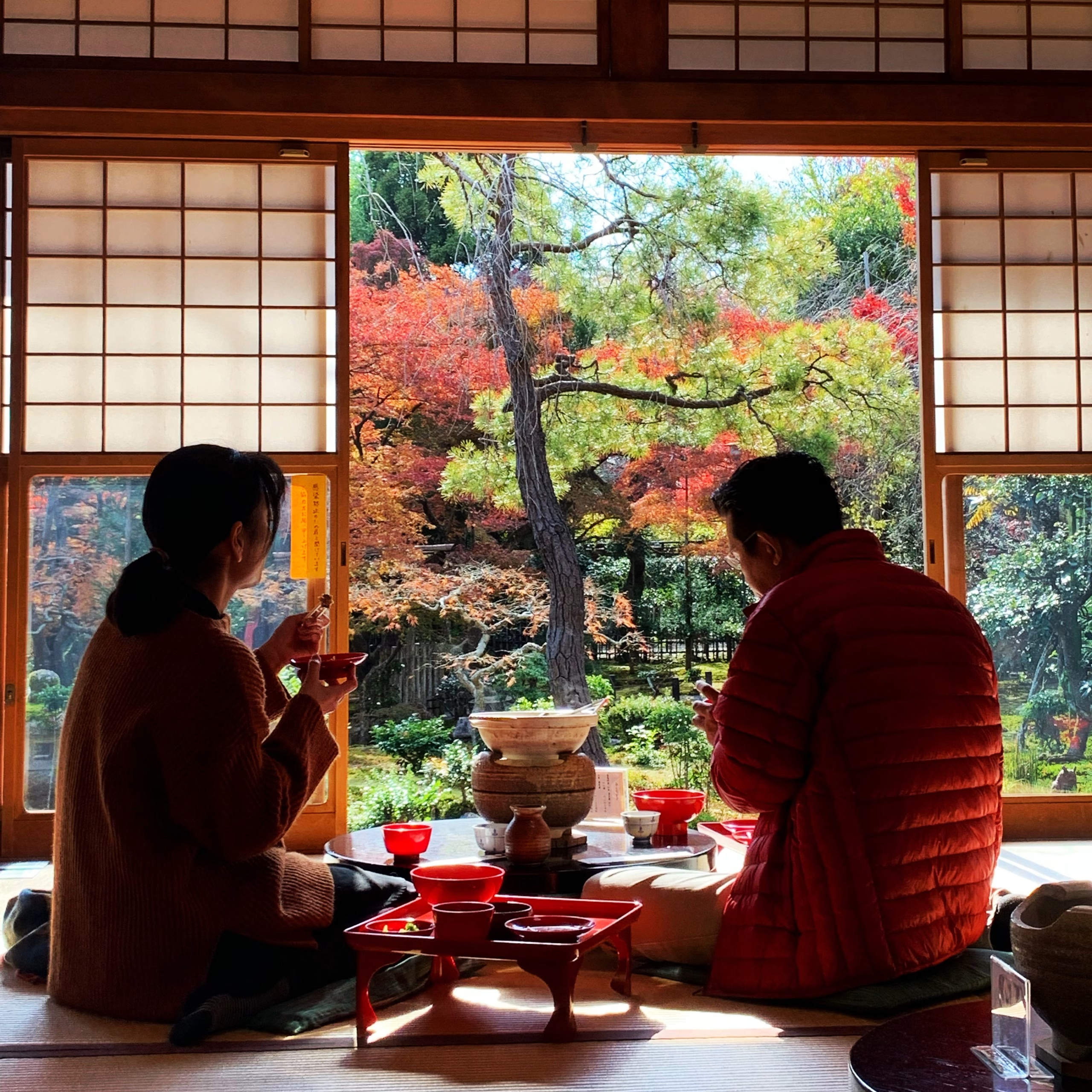
Seigeiin, the traditional restaurant within Ryoan-ji Temple, offers a tranquil setting to enjoy Kyoto’s famous yudofu (tofu hot pot), a dish deeply connected to Zen Buddhist cuisine. This meal, served in a serene tatami-mat dining area overlooking a Japanese garden, provides a meditative culinary experience.
Eikando Zenrin-ji (永観堂)
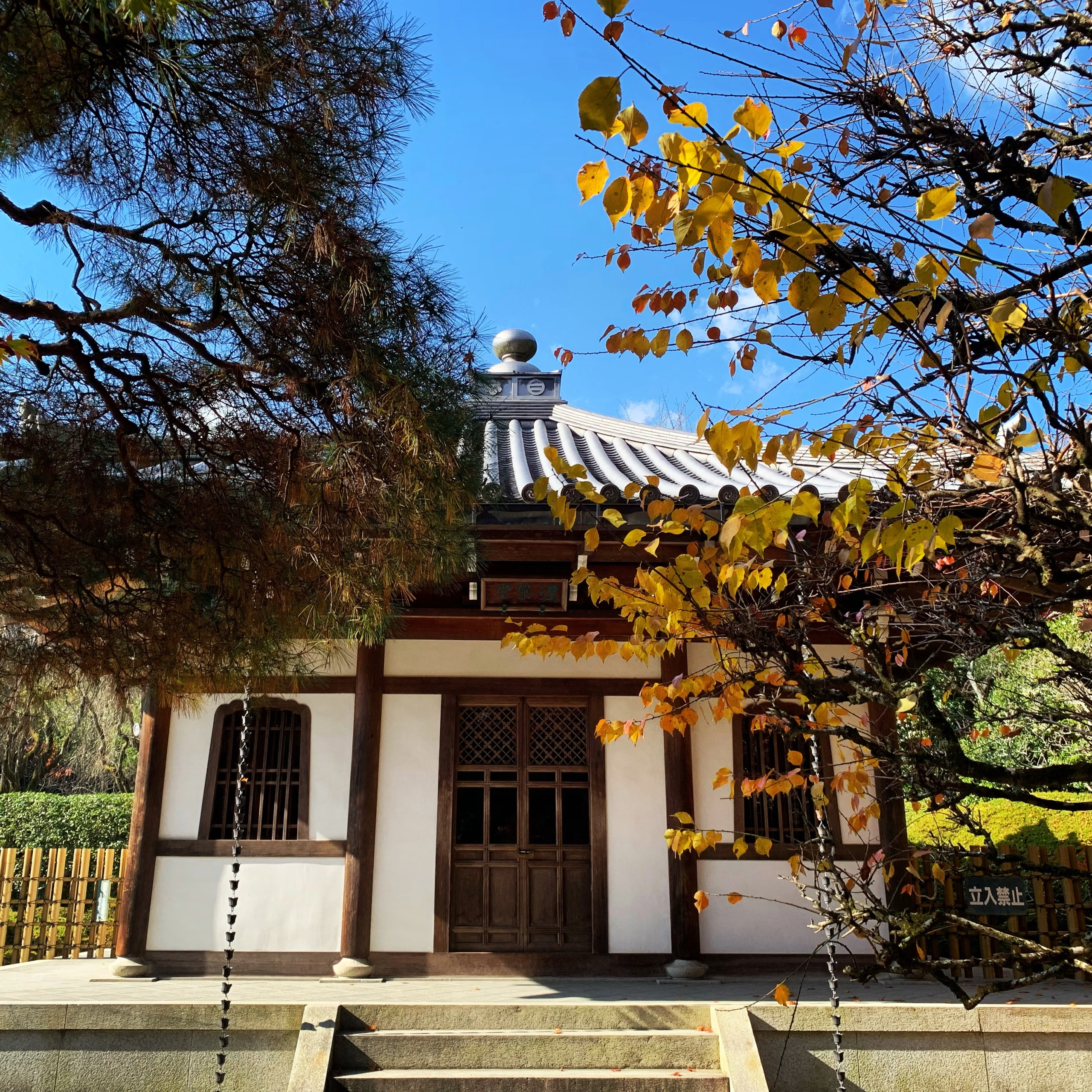
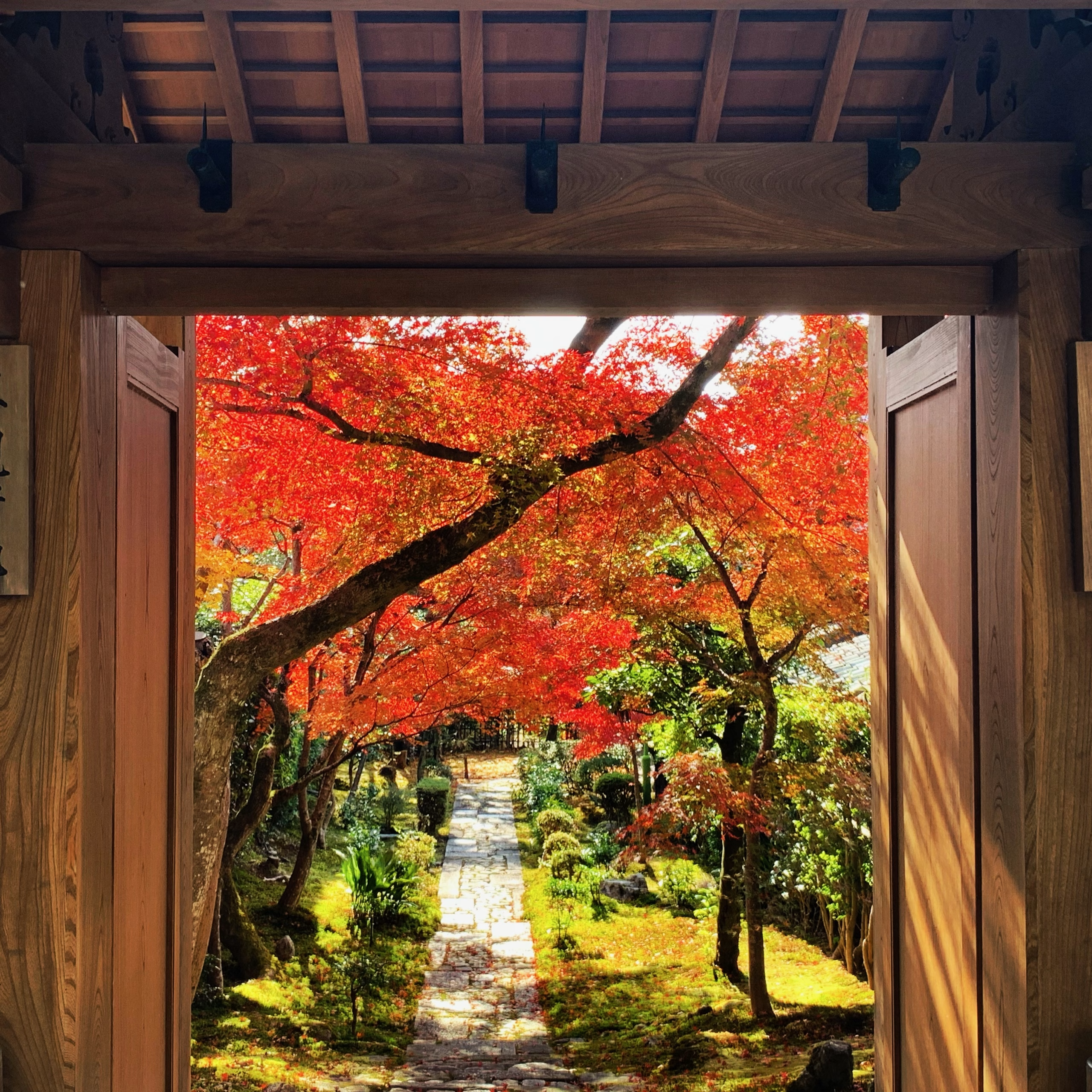
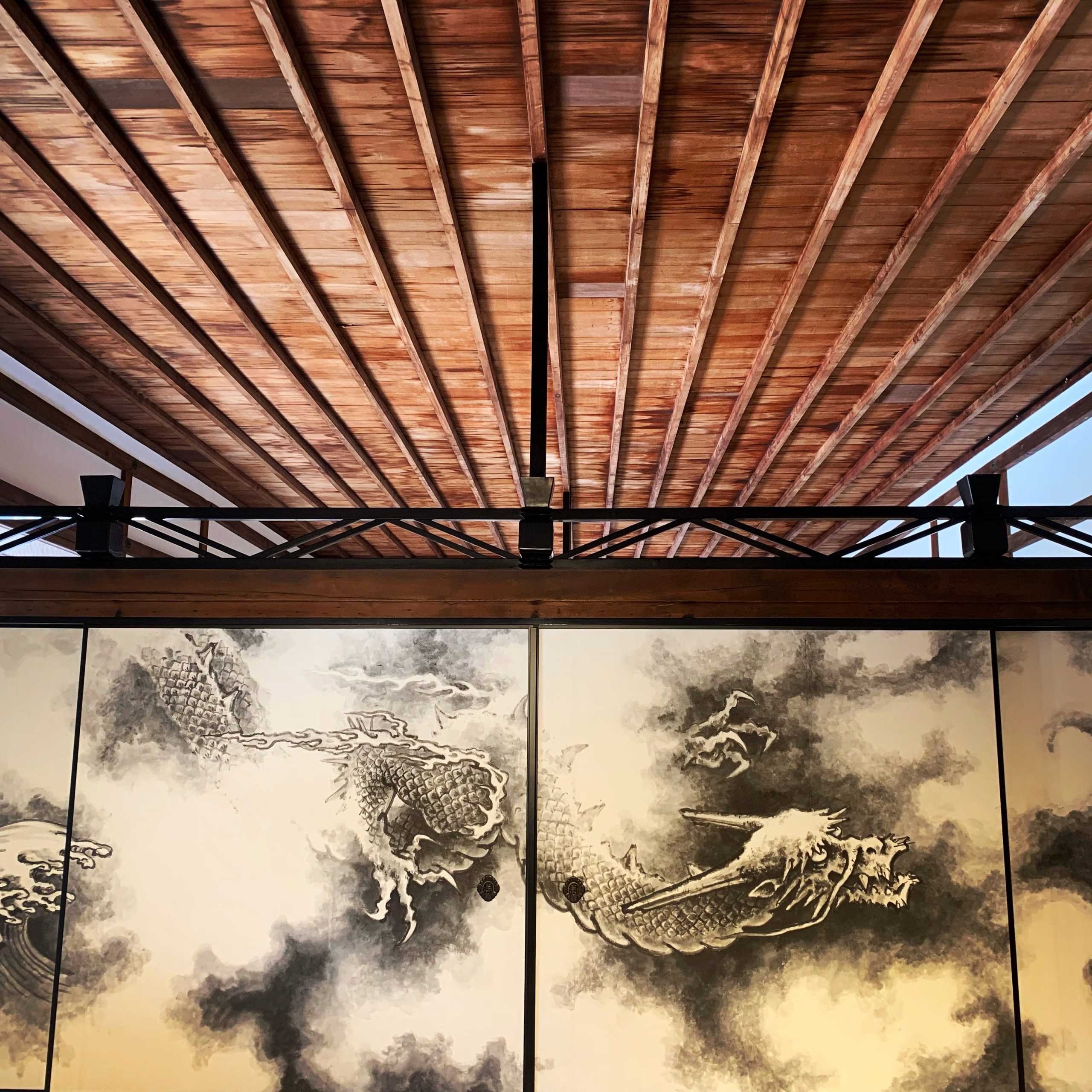
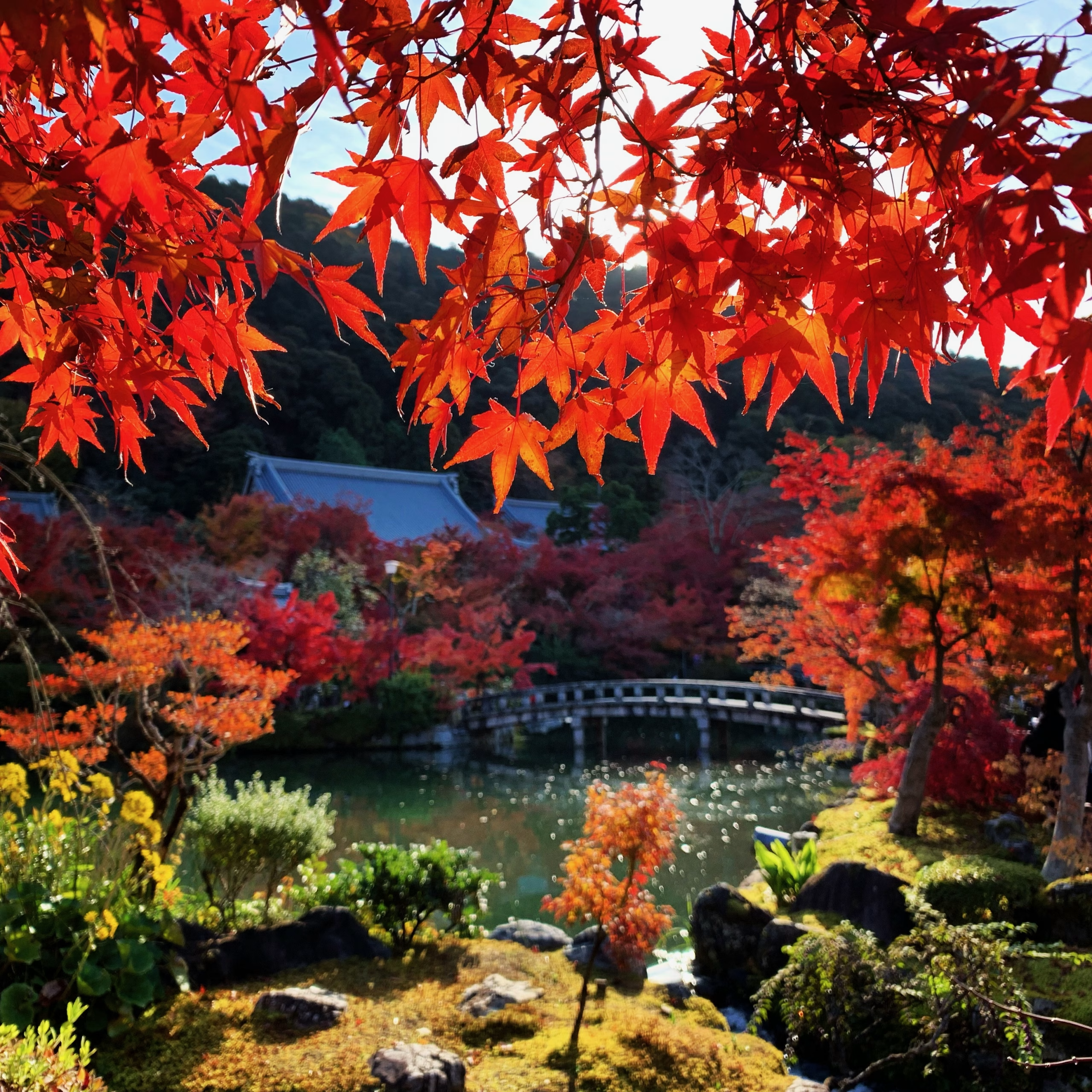
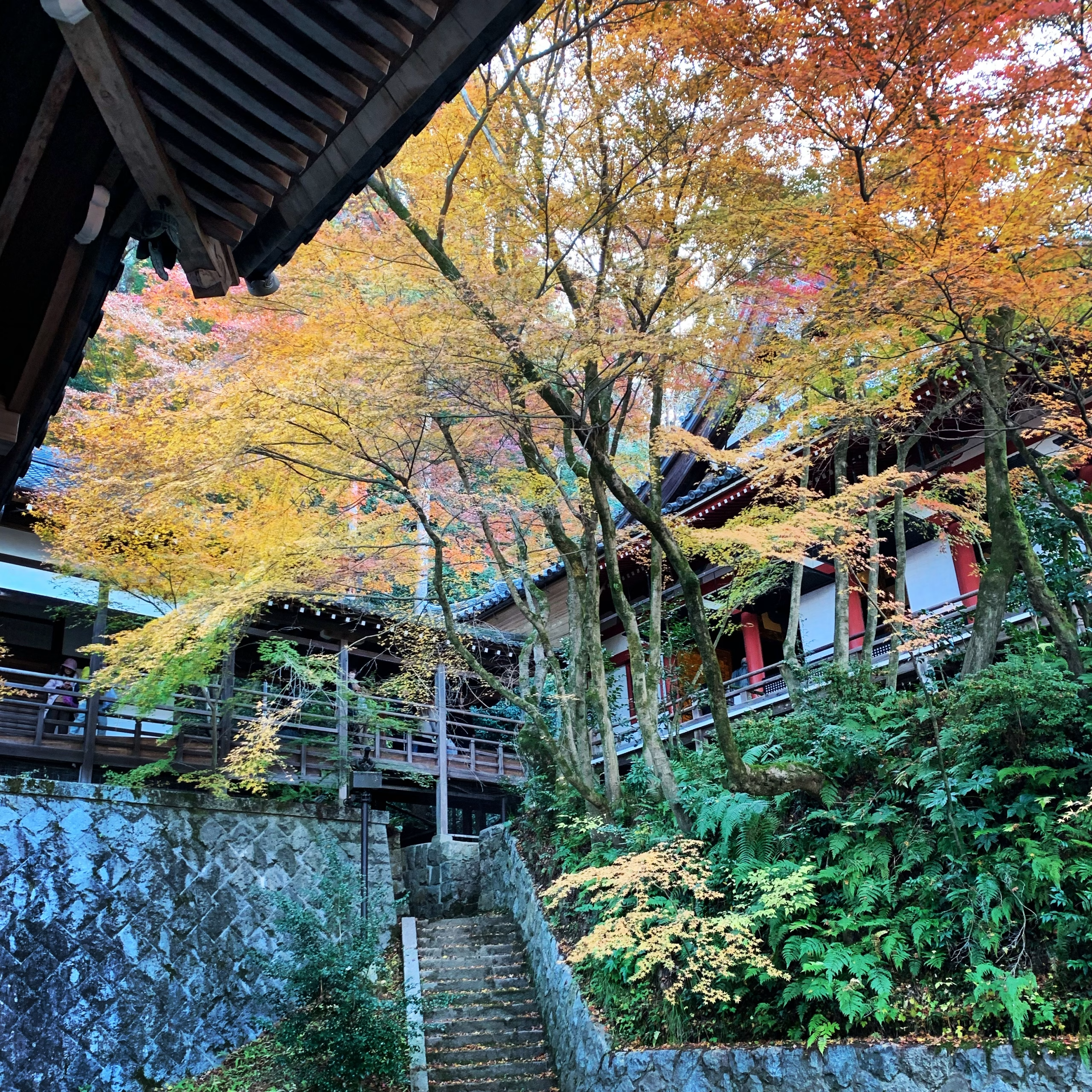
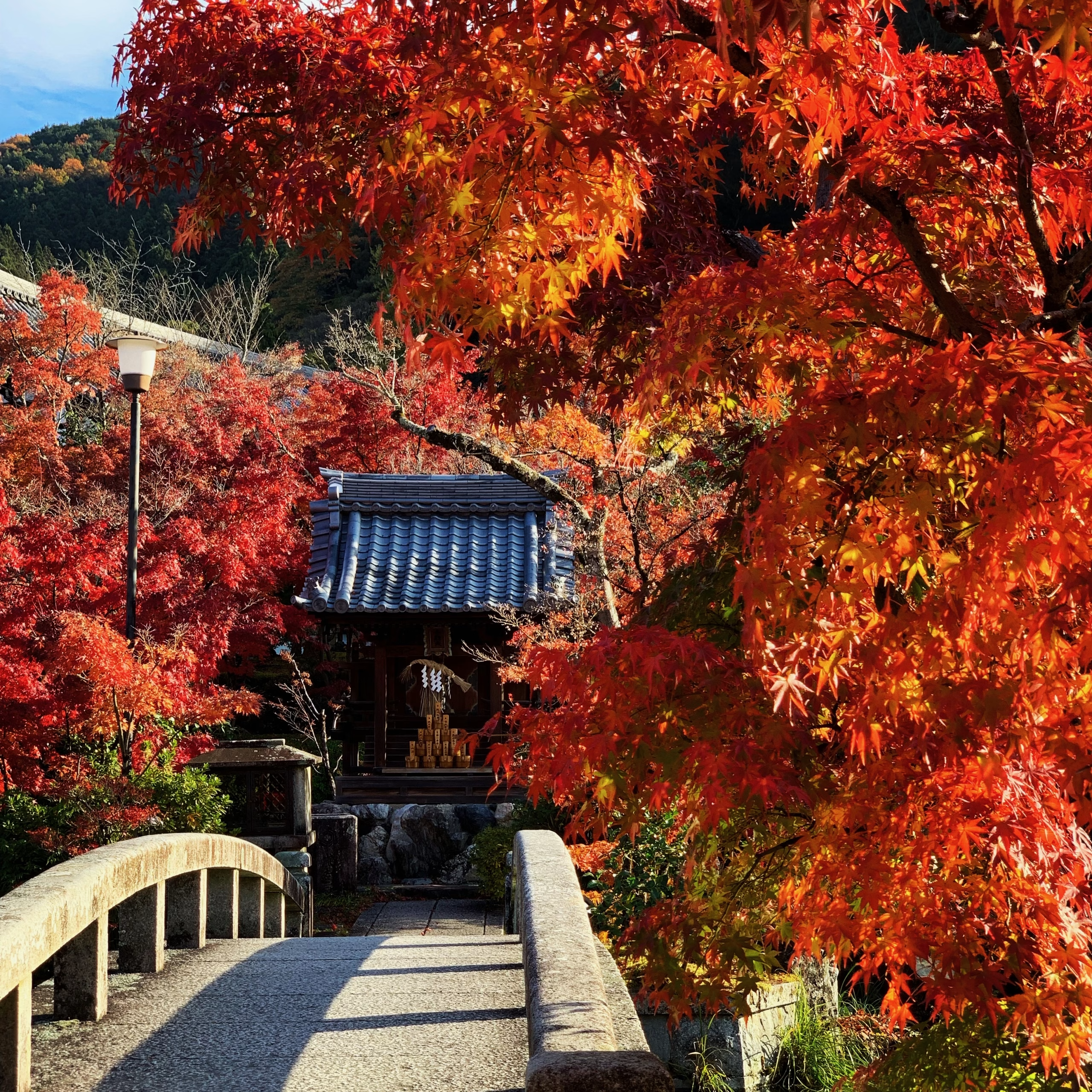
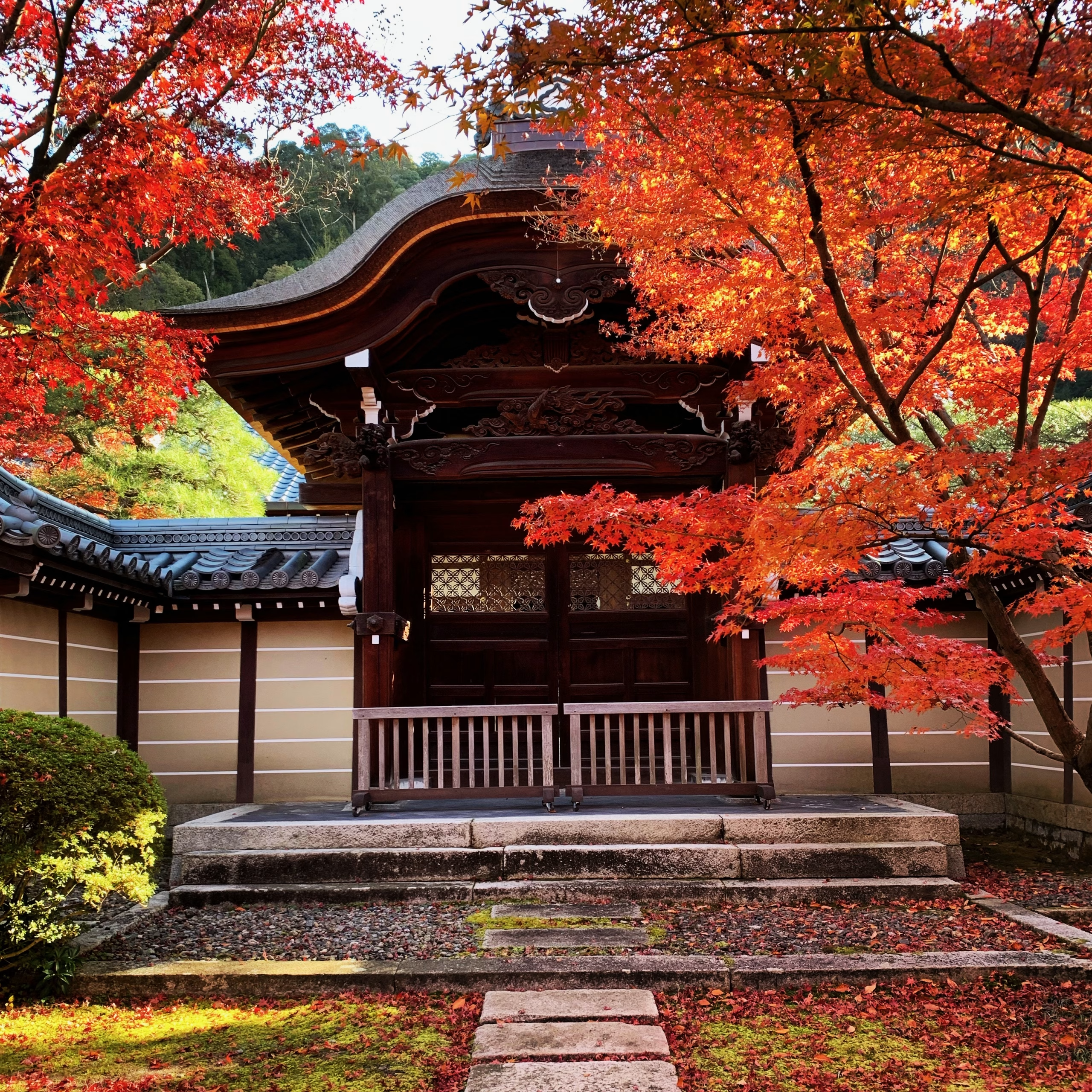
Eikandō-ji (永観堂), formerly known as Zenrin-ji (禅林寺), is renowned for its autumn foliage and unique “Looking-Back Amida Buddha” statue. Founded by Shinshō, a pupil of Kūkai, this historic temple has been a learn center for the Seizan branch of Japan’s Jōdo-shū (Pure Land) Buddhist sect for over a thousand years.
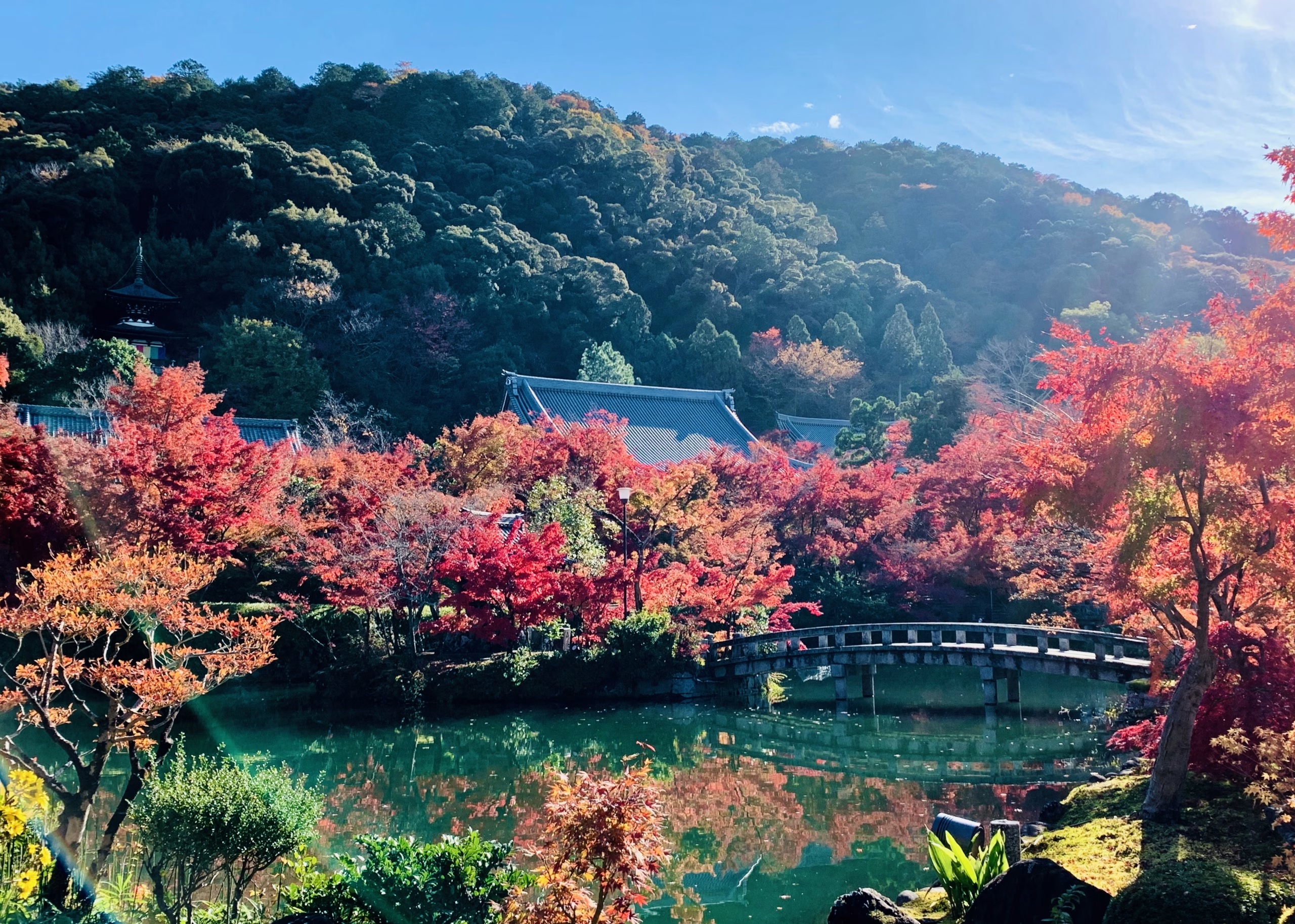
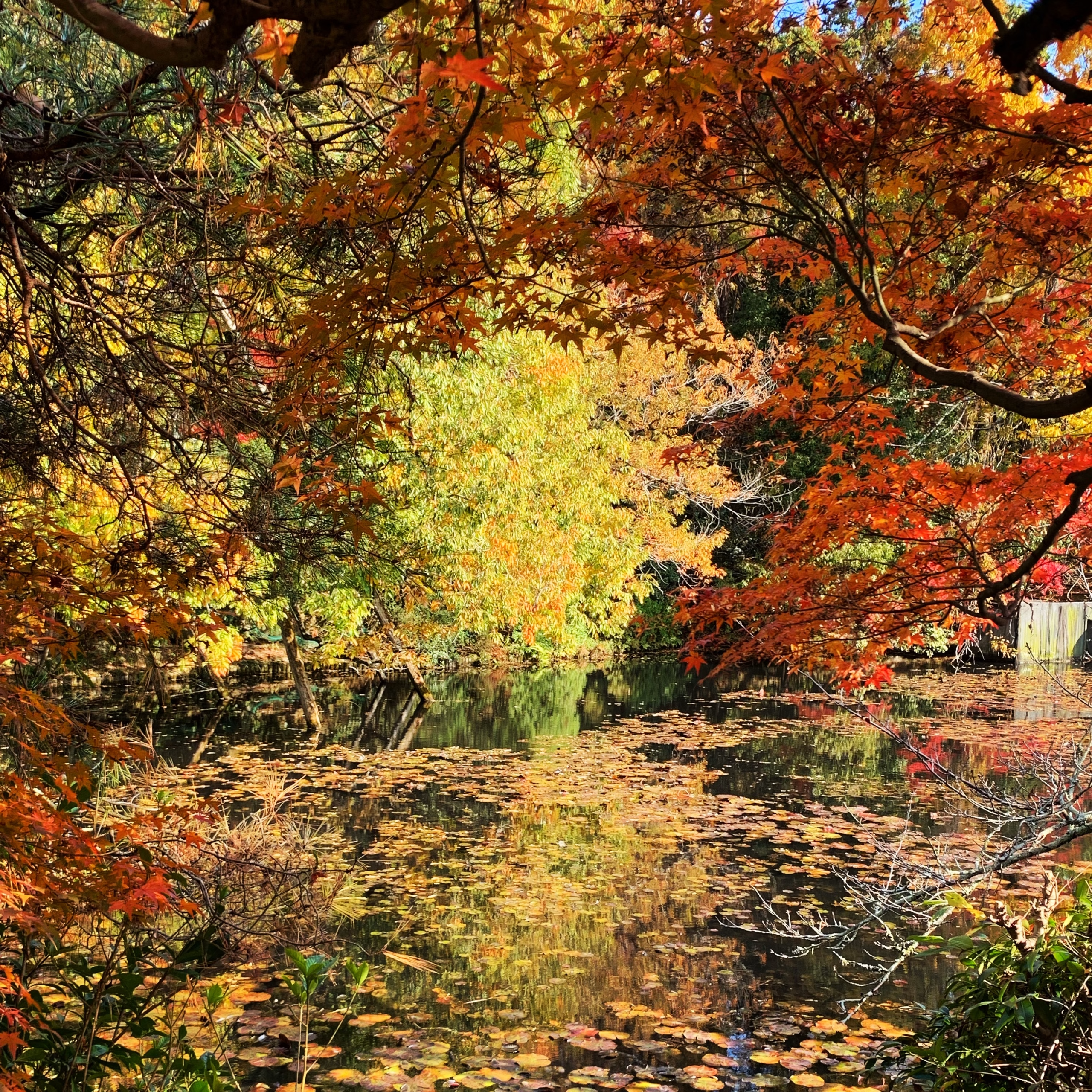
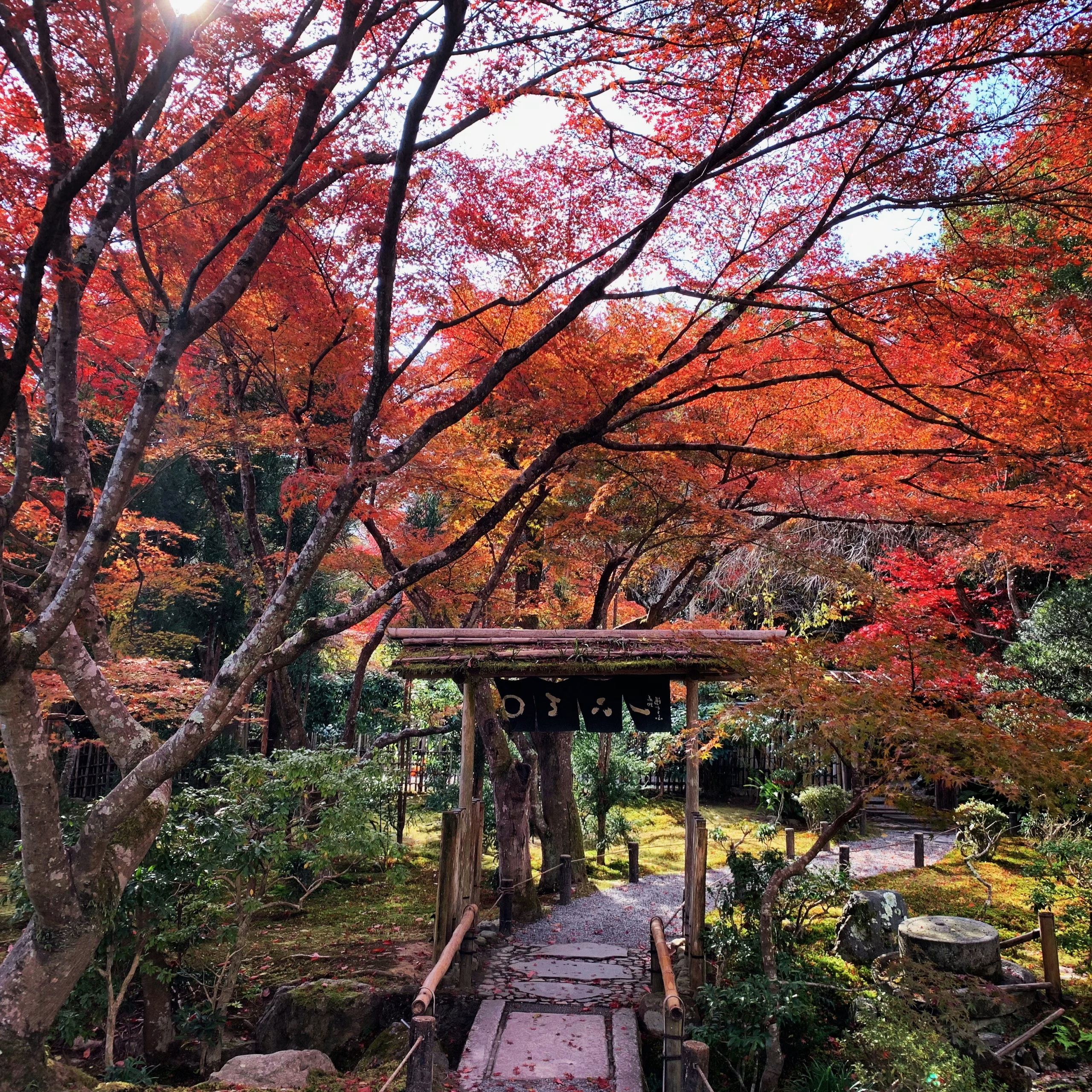
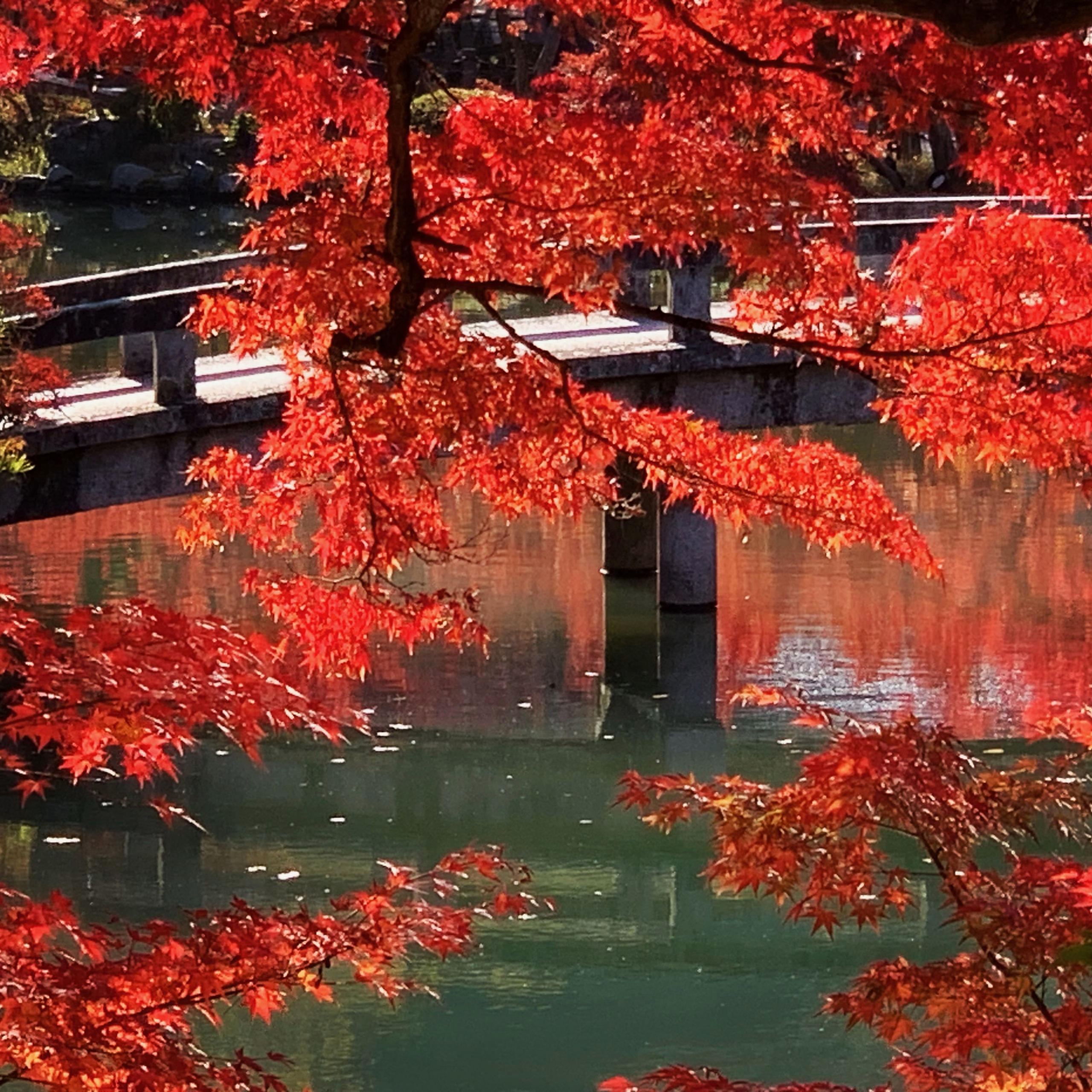
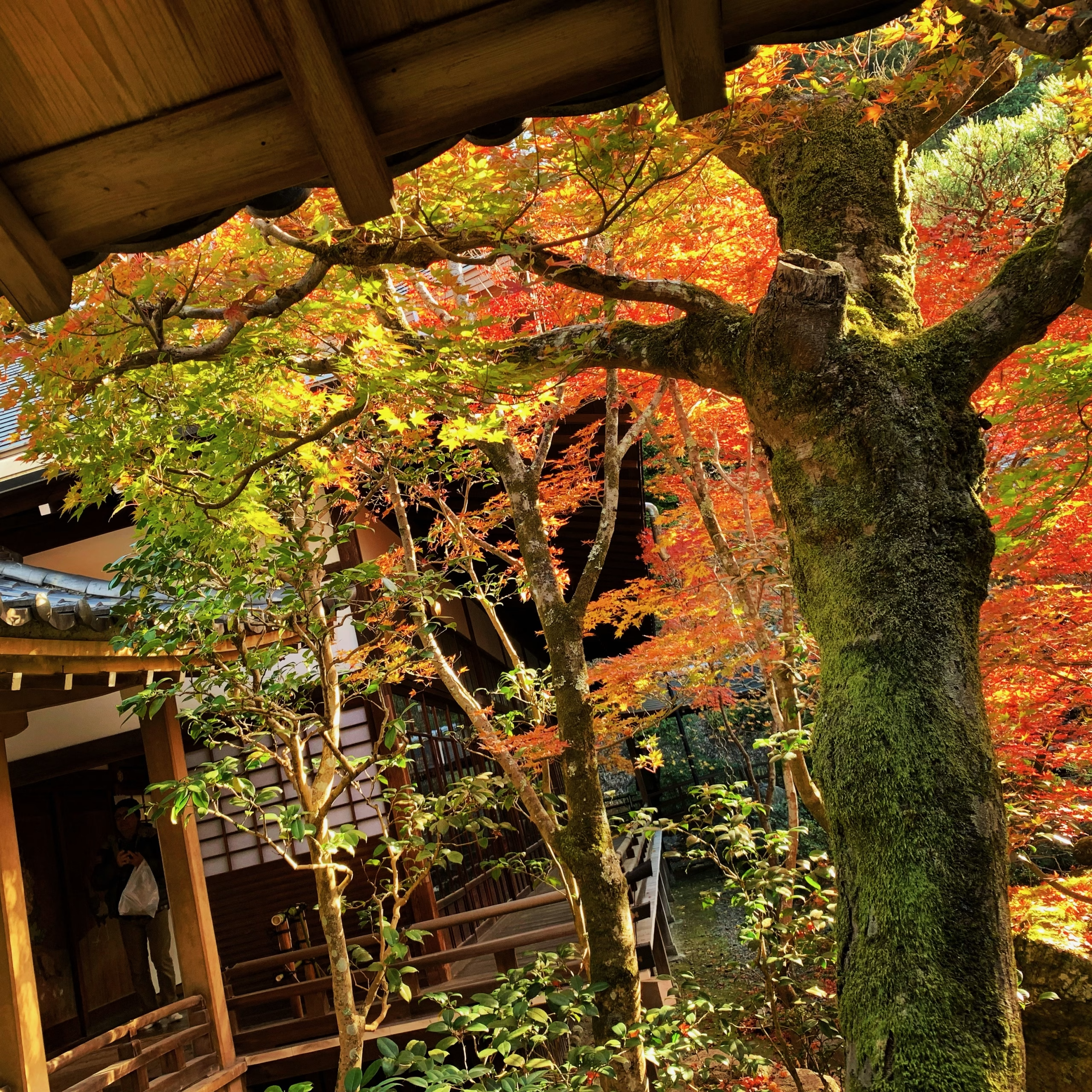
During autumn, Eikandō transforms into a sea of brilliant momiji (maple leaves). The temple’s Hojo Pond, framed by vibrant foliage and wooden bridges, creates a picturesque scene. Higher up, the Tahōtō Pagoda offers panoramic views of Kyoto. Ryoan-ji’s Kyoyochi Pond provides a serene setting with a reflective water surface, surrounded by lush trees and seasonal blooms. The temple’s wooden hojo (main hall), where visitors can sit and admire the garden. One of Eikandō’s most famous features is the “Mikaeri Amida” (Looking-Back Amida Buddha). It is a rare and spiritually significant statue of Amida Buddha with his head turned sideways, as if glancing back at his followers in compassion.
Chion-in Temple (知恩院)
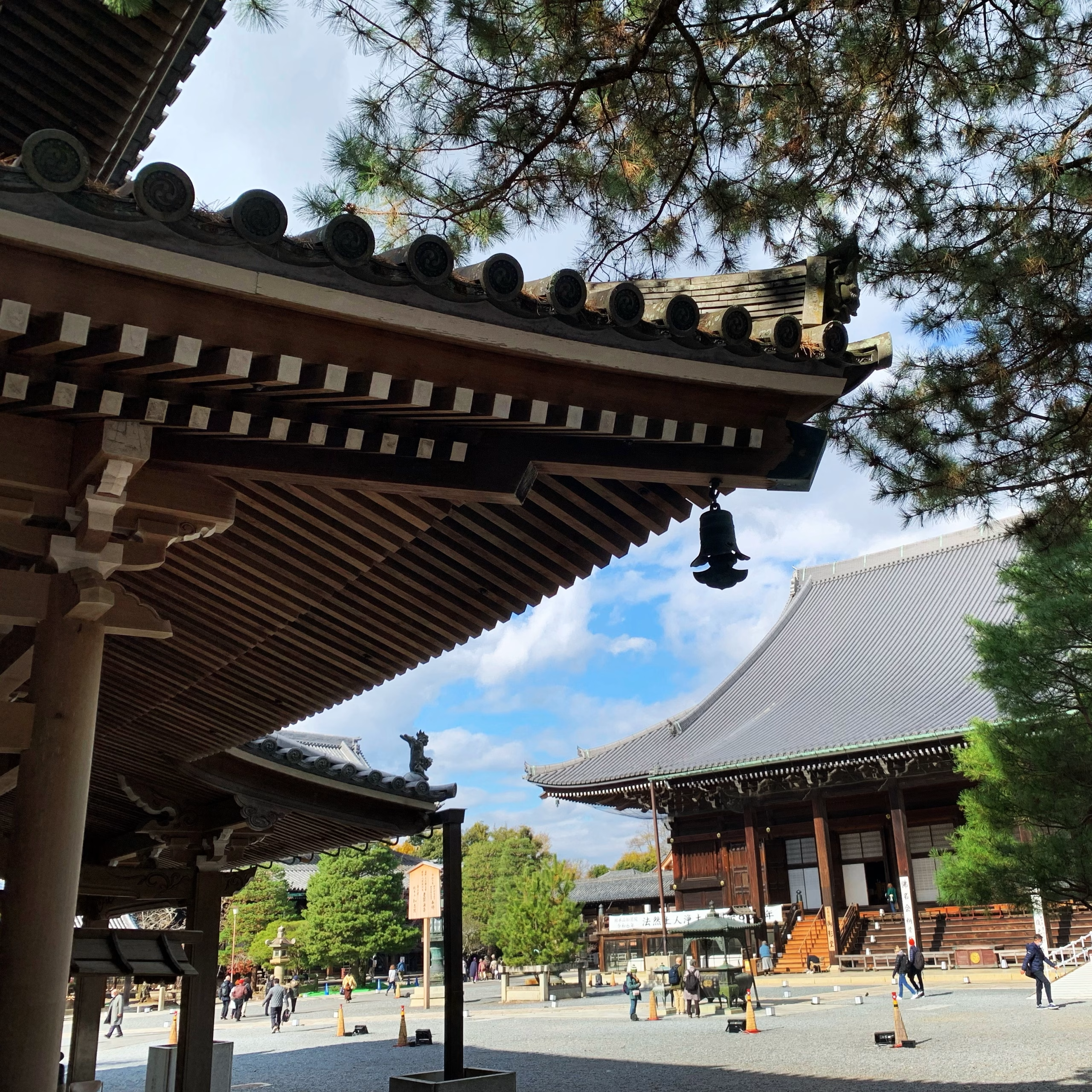
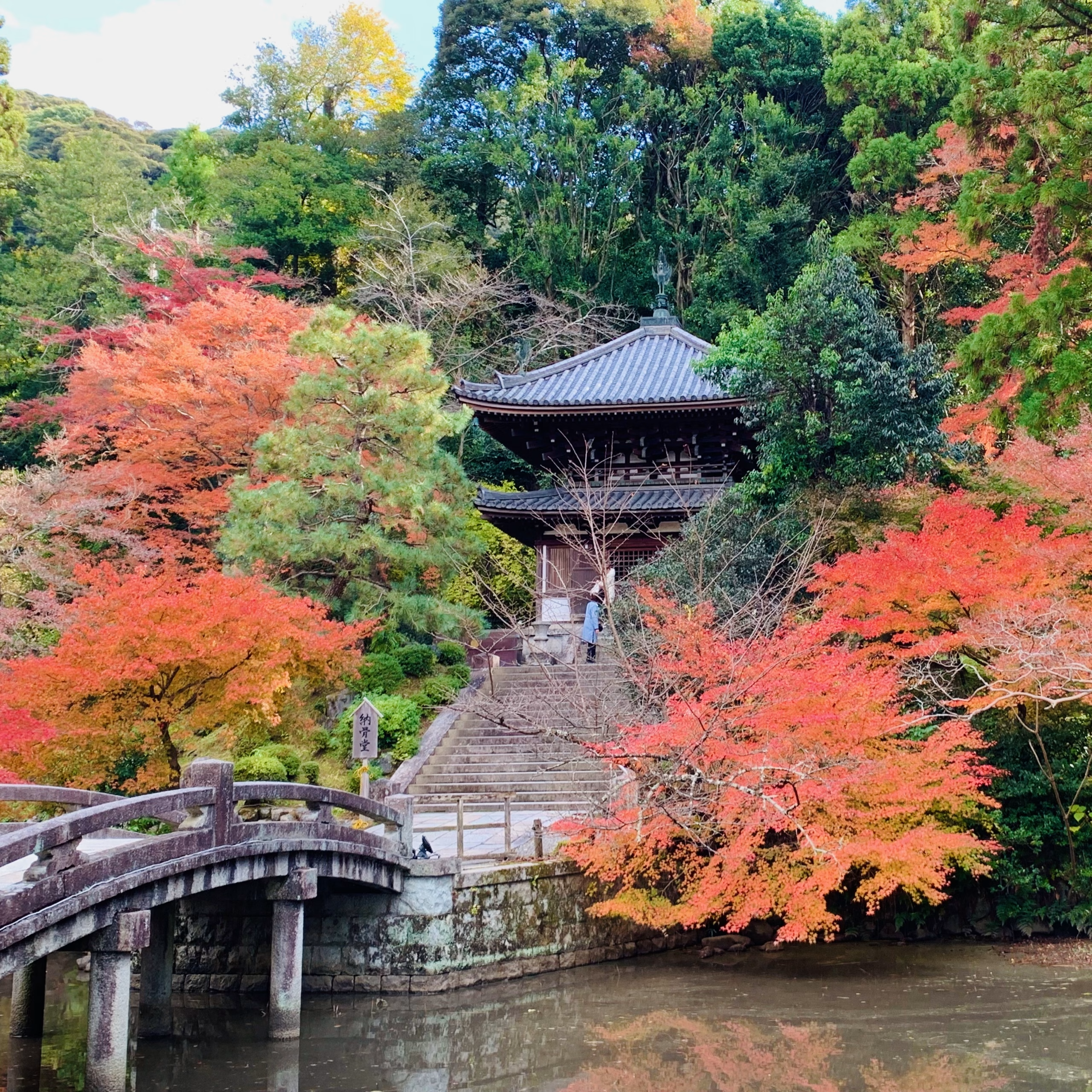
Chion-in Temple (知恩院) is the head temple of the Jōdo-shū (Pure Land Sect) of Buddhism. Founded in 1234 by the followers of Hōnen, the sect’s founder, this expansive temple complex is located in the Higashiyama district, near Maruyama Park, making it a key spiritual and cultural landmark.
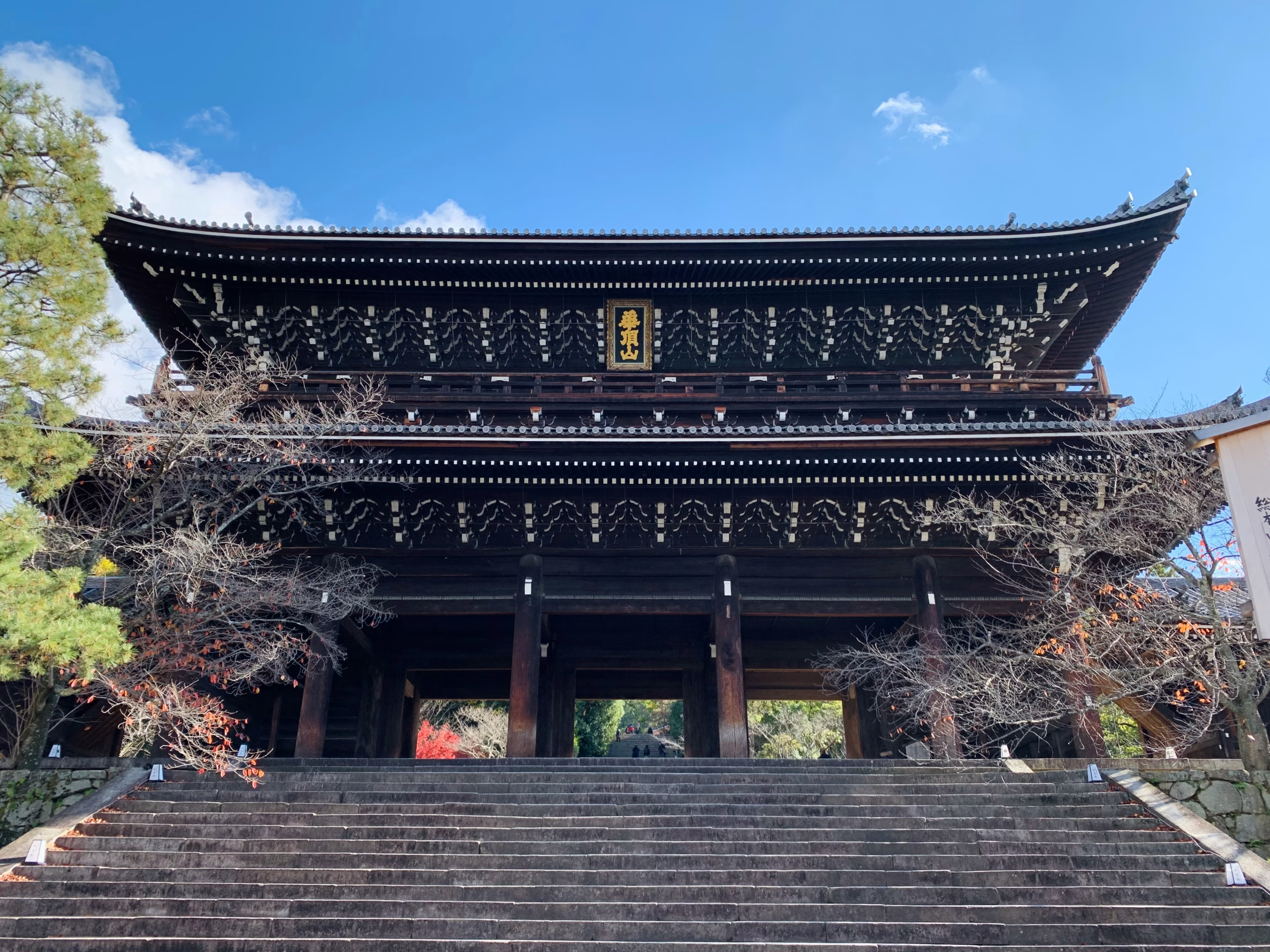
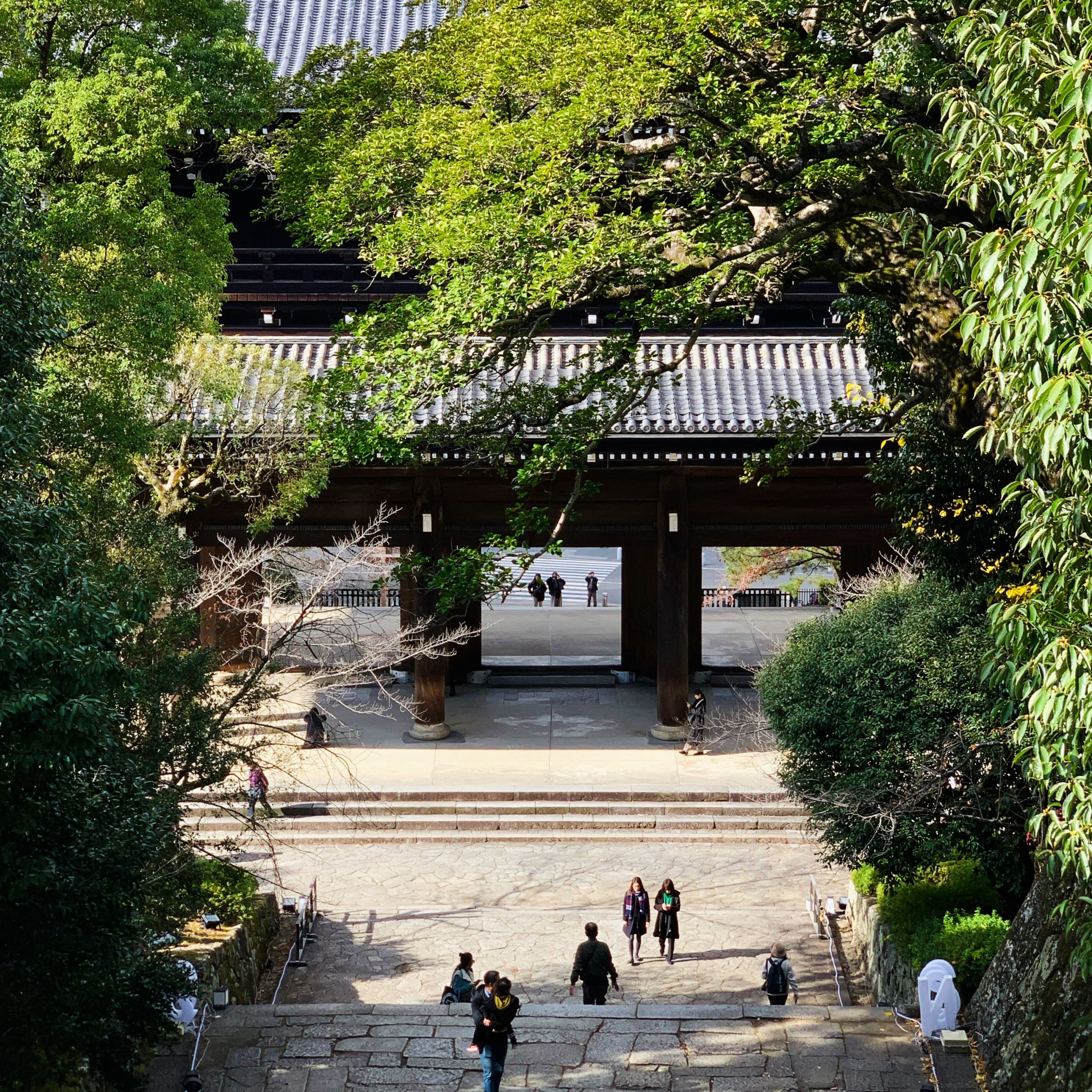
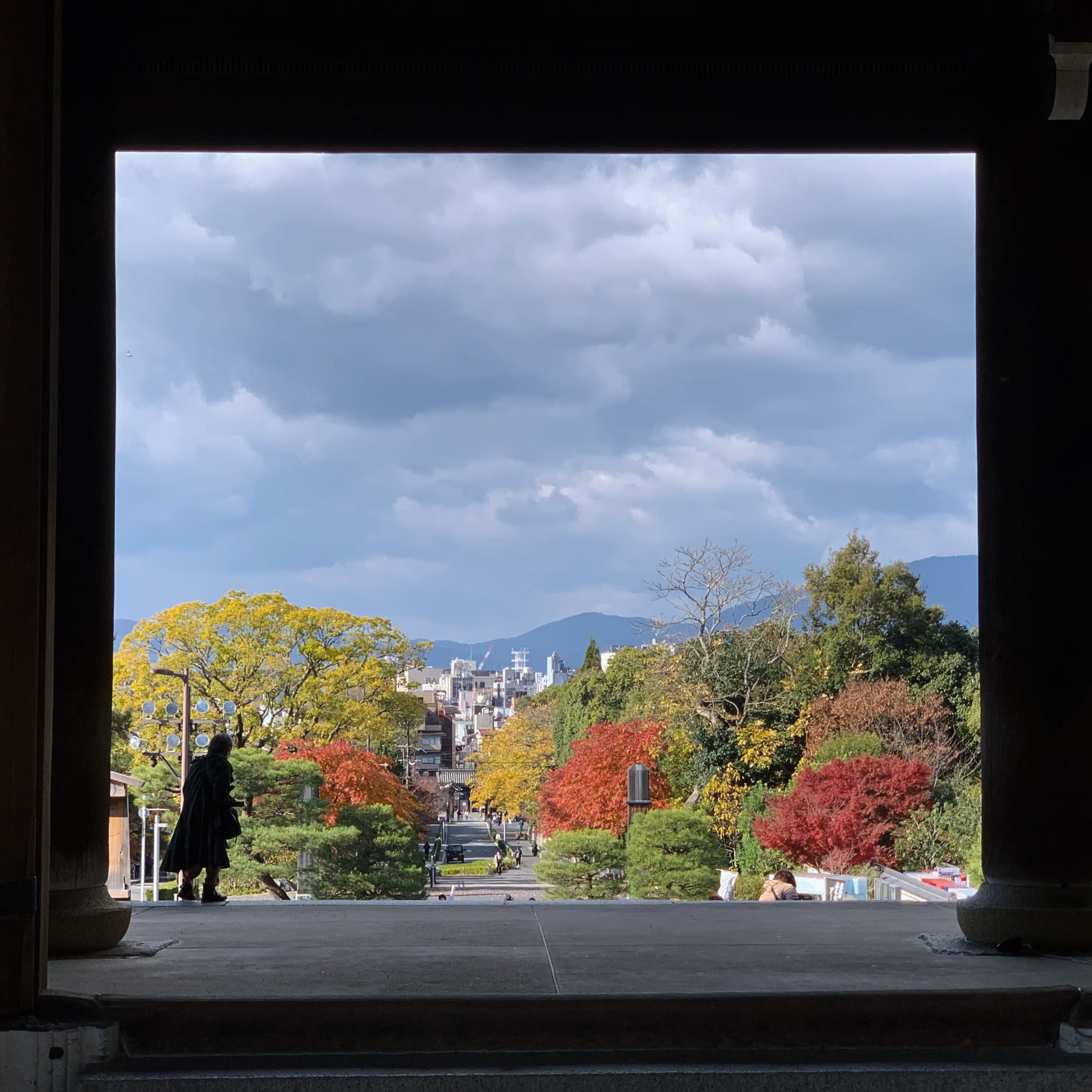
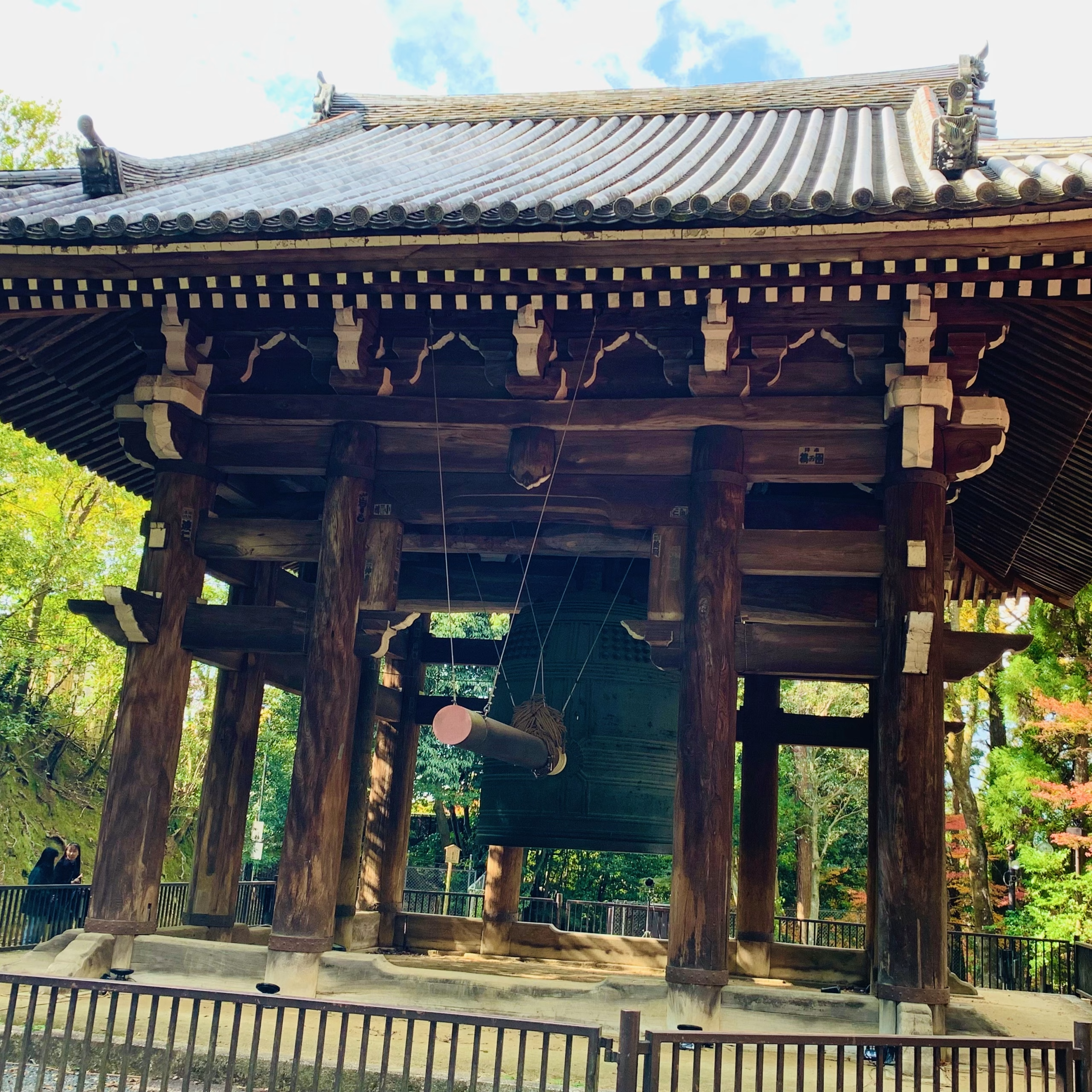
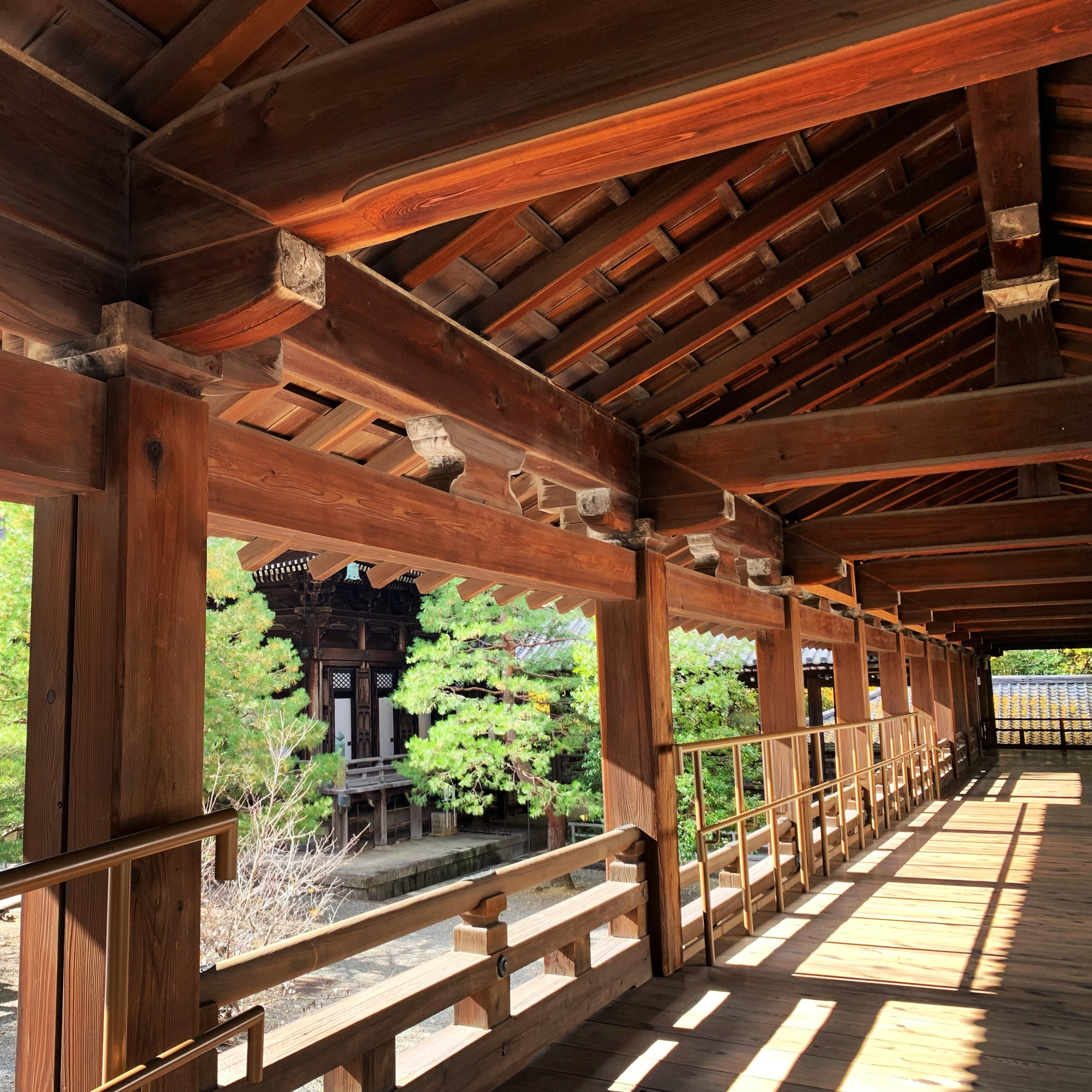
Chion-in Temple is famous for its massive Sanmon gate. Built in 1621, it is the largest wooden temple gate in Japan and stands at 24 meters tall. Visitors can climb to the top for a spectacular view of Kyoto. Chion-in houses the Great Bell (Daishōrō), one of the largest temple bells in Japan, weighing 74 tons. On the New Year’s Eve, 17 monks would ring the bell, a tradition symbolizing the purification of earthly desires. The temple has expansive grounds for visitors to walk around, including O-Hojo Garden, a beautiful Zen-style garden.
Tenryu-ji (天龍寺)
A UNESCO World Heritage Site, Tenryu-ji (天龍寺) was founded in 1339 by the shogun Ashikaga Takauji. The temple was built to honor Emperor Go-Daigo and has since become one of the most significant Rinzai Zen temples in Japan.
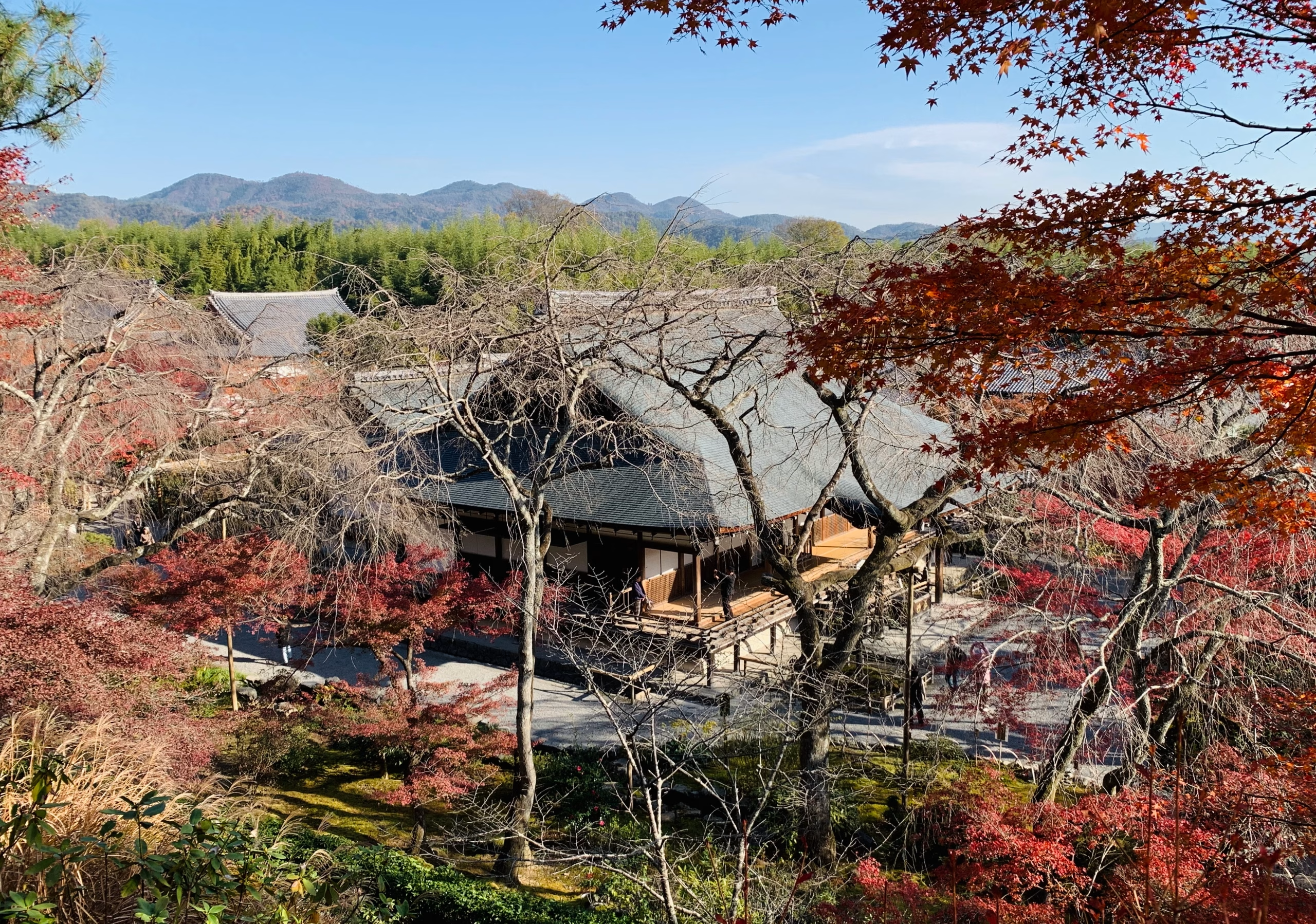
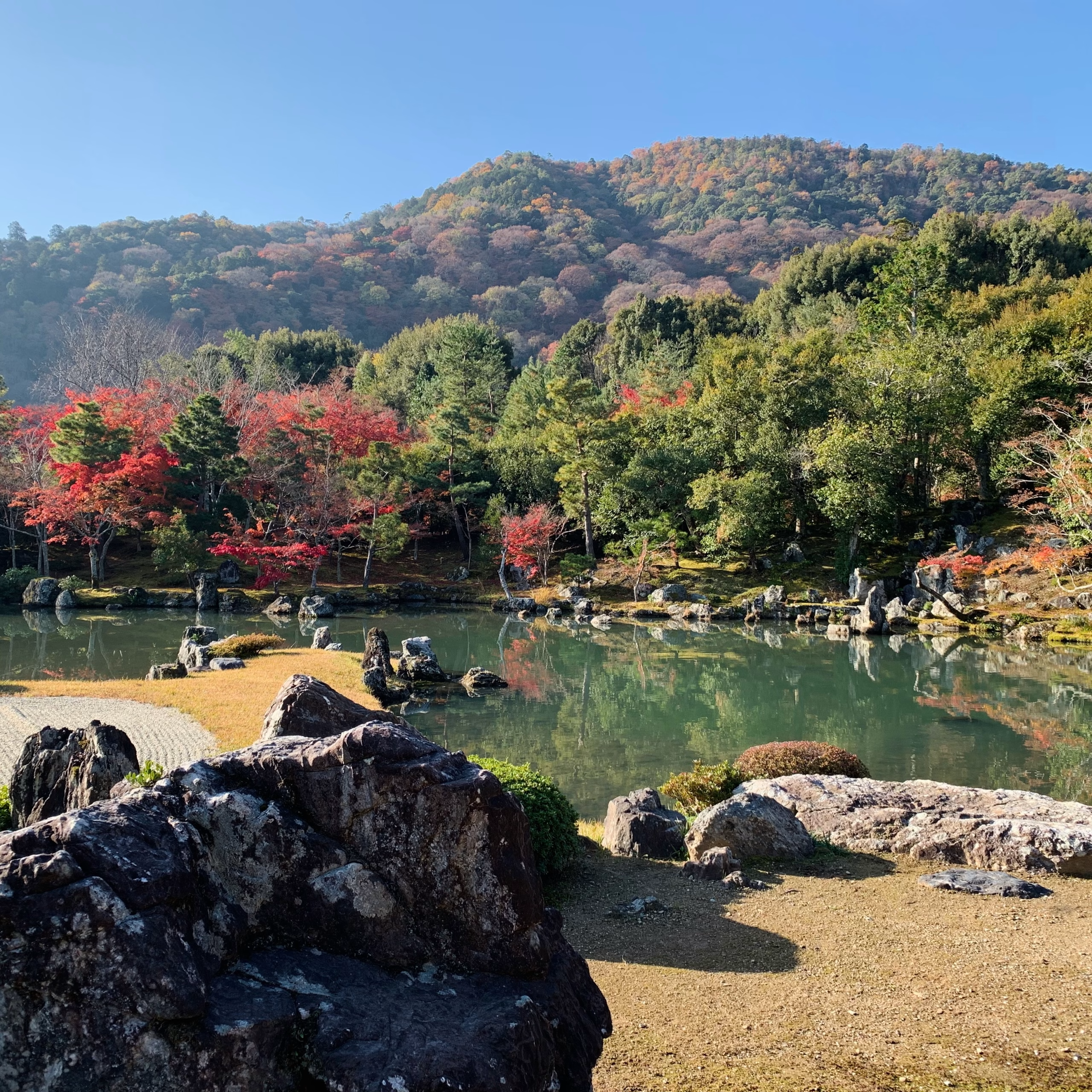
The highlights in the temple include Sogenchi Garden (曹源池庭園). It was designed by the legendary Musō Soseki, this Zen garden has remained unchanged for centuries. With its reflective pond, beautifully arranged rocks, and a backdrop of the Arashiyama mountains, it embodies the essence of shakkei (borrowed scenery) in Japanese garden design.