

The West Highland Way is Scotland’s long-distance hiking trail, stretching approximately 96 miles (154 kilometers) from Milngavie, just north of Glasgow, to Fort William in the Scottish Highlands. Established in 1980 as Scotland’s first officially designated long-distance footpath, the route offers hikers a diverse array of landscapes, from tranquil loch shores to rugged mountainous terrains. Follow Kathy’s 7-day journey and experience the breathtaking wildness and rich history of Scotland. Interested in exploring long-distance hikes? Check out Kathy’s other favorite multi-day hike: Ireland Dingle Way.

Starting Point: Milngavie (Glasgow)
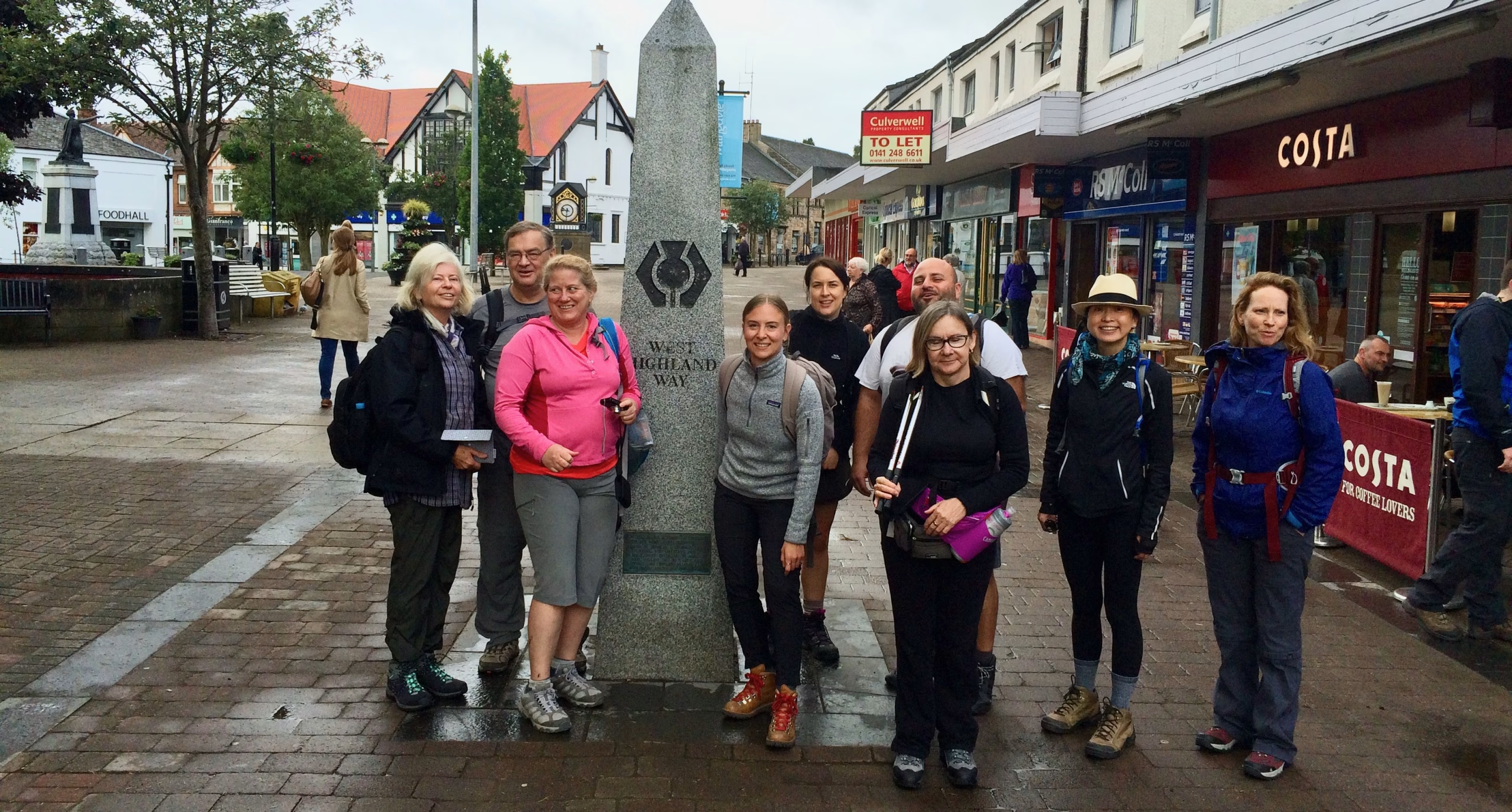
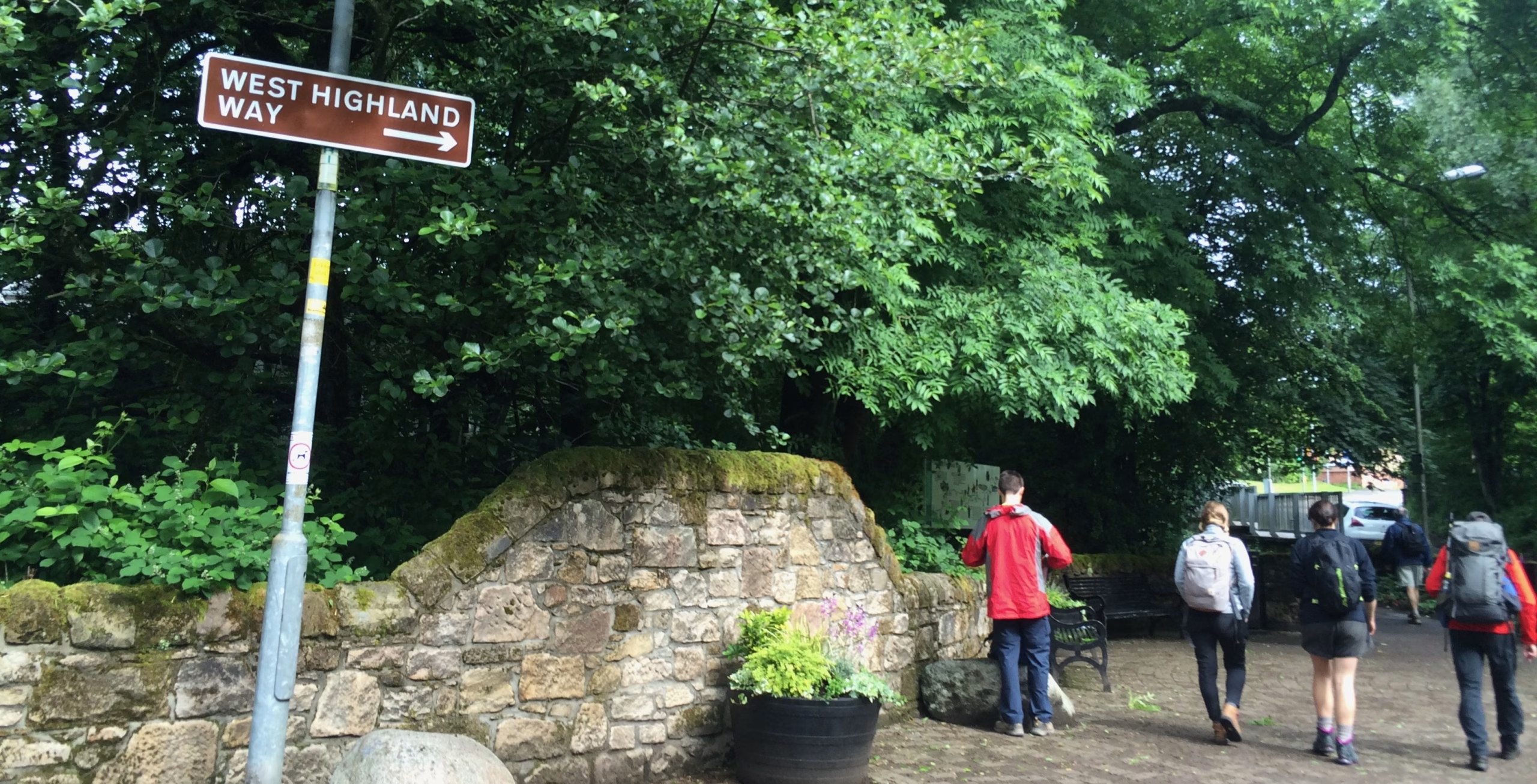
The West Highland Way begins in Milngavie (pronounced Mill-guy). It is a small town located just north of Glasgow, easily accessible by train or bus. At Milngavie town center is the West Highland Way obelisk, a granite monument marking the trail’s starting point. The town itself is well-equipped for trekkers, with outdoor gear shops, cafés, and grocery stores where hikers can stock up on last-minute supplies.
West Highland Way Day 1: Milngavie-Drymen

Distance: ~12 miles (19 km)
Time: ~4-6 hours
Difficulty: Easy to Moderate
The first day of the West Highland Way was a gentle introduction to Scotland’s most famous long-distance trail. Starting at the West Highland Way obelisk in Milngavie (A), the route led us through a mix of woodlands, farmland, and riverside paths. It offered a gradual warm-up for the more rugged terrain ahead. We encountered some light rain in the early afternoon, but it failed to dampen our excitement about embarking on this journey.
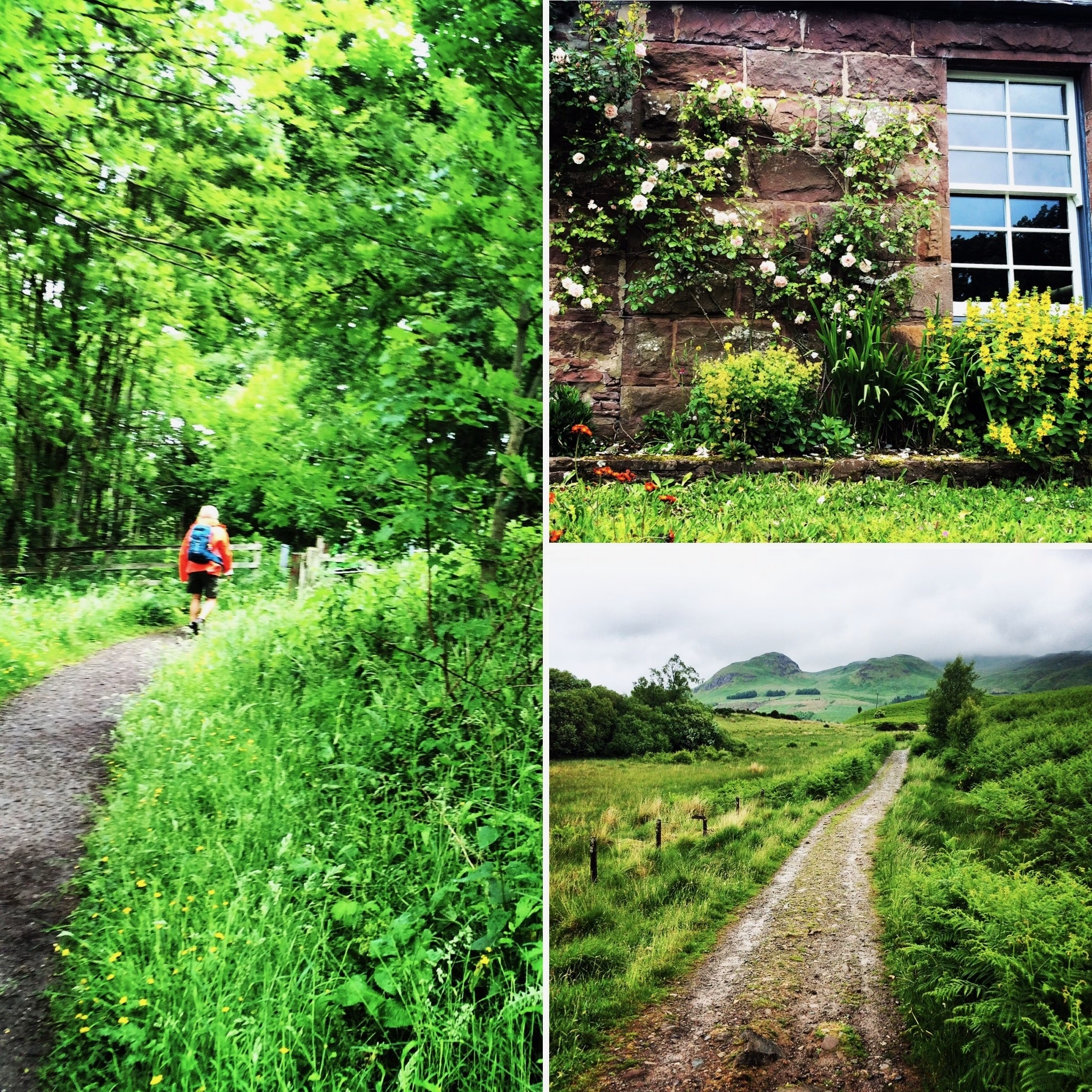
Along the way, we first passed Mugdock Country Park (B), a scenic nature reserve with trails winding past Mugdock Loch and historic ruins. The areas are steeped deep in the Scottish history, as they supported many early settlers over thousands of years ago.
Next highlight was Craigallian Loch (C), a picturesque freshwater loch, known for as the site of the Craigallian Fire. It is a symbolic, long-burning campfire where hikers, workers, and outdoor enthusiasts gathered during the Great Depression in the early 1920s to share stories and ideas.
It is possible to stop by Carbeth Huts (D), a collection of rustic huts with historical ties to WWI veterans and working-class Glaswegians seeking rural escape.
Glengoyne Distillery (E), located at the foot of Dumgoyne Hill, offered a good place for a break. It has been producing Highland single malt whisky since 1833. With its slow distillation process. Glengoyne crafts smooth, unpeated whiskies aged in sherry casks, giving them rich, fruity flavors.
Nearby Glengoyne Distillery is Dumgoyne Hill near, offering a short but steep climb (about 2-3 miles round trip) with panoramic views of the Campsie Fells, Loch Lomond, and the Scottish Lowlands.
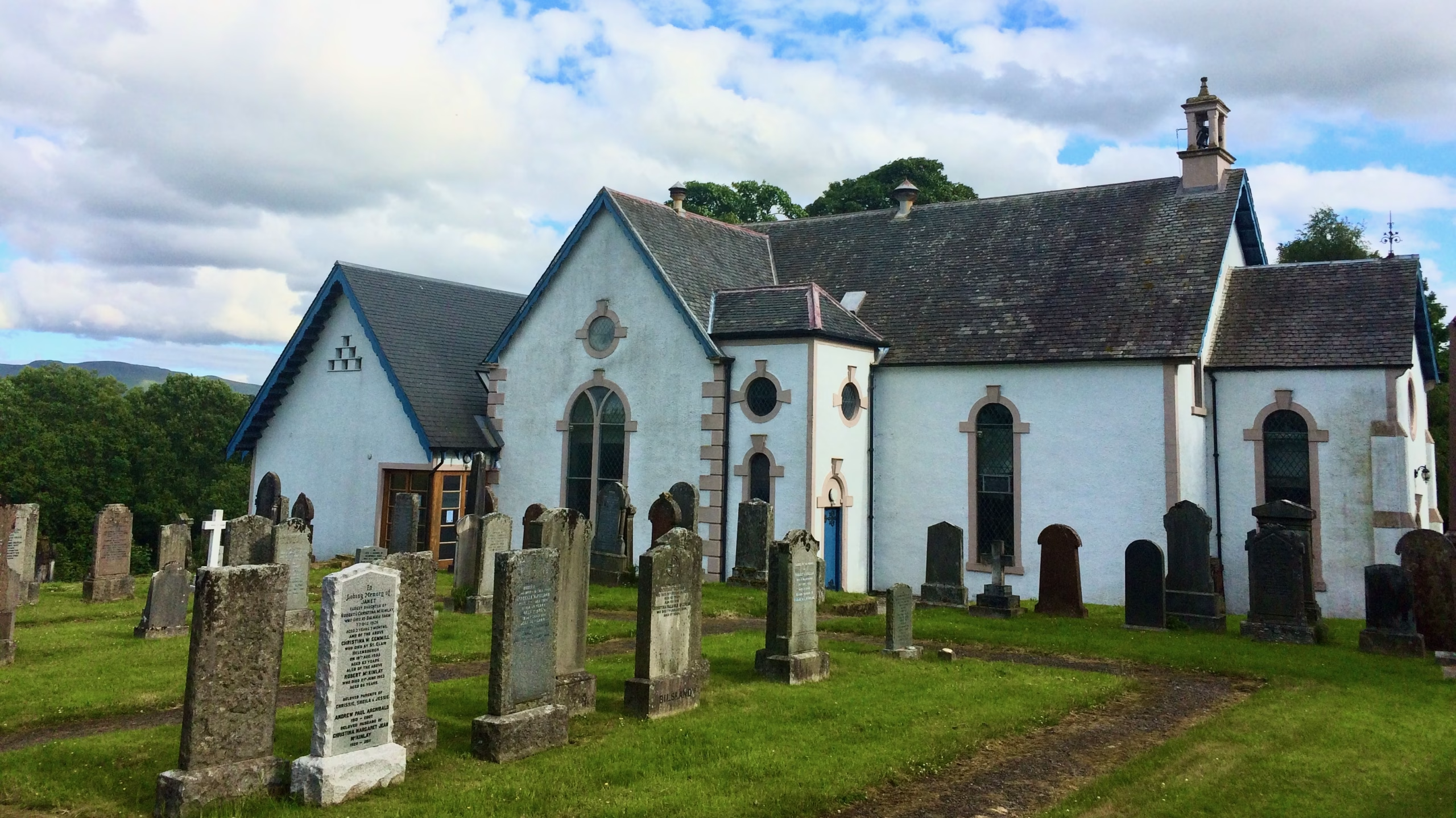
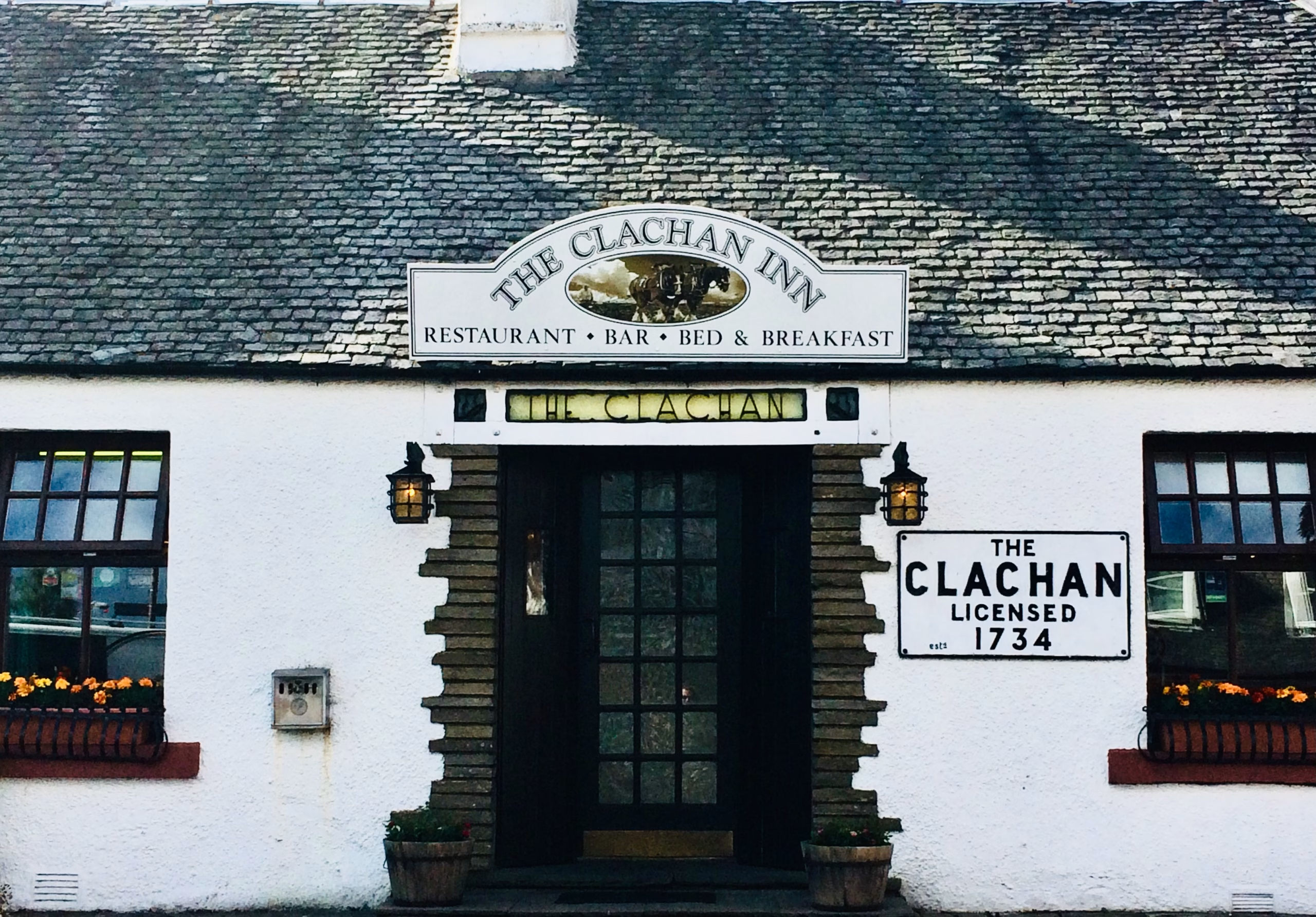
The final stretch of day one’s walk followed quiet country roads and rolling farmland leading into Drymen (F), a small but welcoming village where many hikers stay overnight. Drymen offers pubs, guesthouses, and hotels. Enjoy a stroll to the charming Drymen Parish Church (image above), and fuel up at the Clachan Inn (image below), one of Scotland’s oldest licensed pubs.
West Highland Way Day 2: Drymen-Rowardennan

Distance: ~14 miles (22 km)
Time: ~5-7 hours
Difficulty: Moderate
The second day of the West Highland Way took us from the charming village of Drymen into the Highlands proper. It offered us the first taste of elevated views, rugged landscapes, and Loch Lomond’s stunning shoreline. This section is marked by the ascent of Conic Hill, followed by a descent into Balmaha, where the trail continues along the scenic eastern shore of Loch Lomond. The shoreline section is rocky in places but offers a variety of terrains, including woodland trails and small beaches.
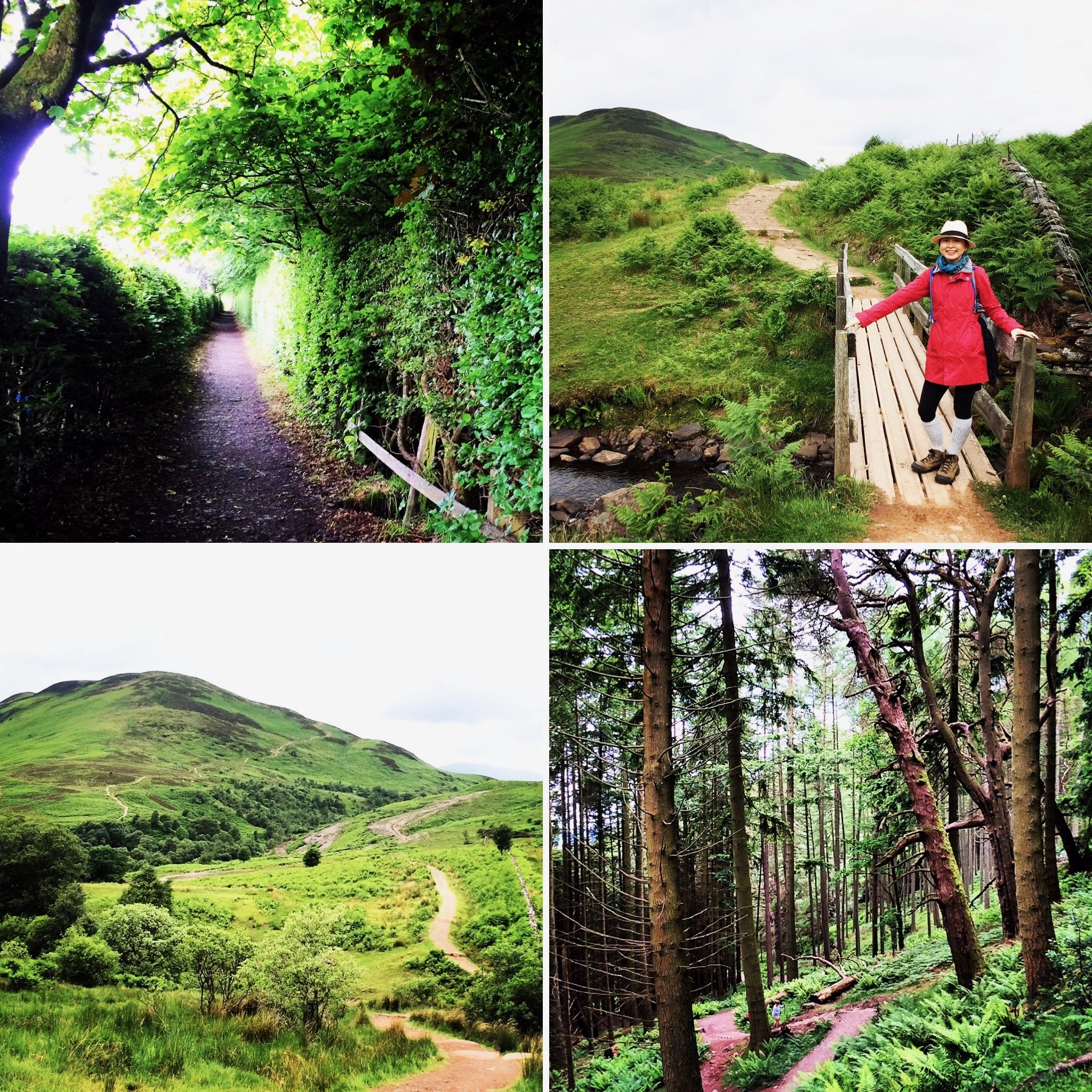
After leaving Drymen in the morning, we first walked through Garadhban Forest (B), a gentle woodland section offering a peaceful start before reaching open countryside. It was followed the first major climb up to Conic Hill (C) 361m / 1,184f. The lookout offered breathtaking panoramic views of Loch Lomond and its islands. After descending from Conic Hill, we came to the shore and had a lunch break at Balmaha (D). This is a small lochside village with a shop, café, and the famous Oak Tree Inn. In the afternoon, we walked by Milarrochy Bay (E) & Sallochy Bay (F), which offered quiet and scenic rest stops. However, we barely lingered to enjoy the view but rushed towards the final destination of the second day, Rowardennan.
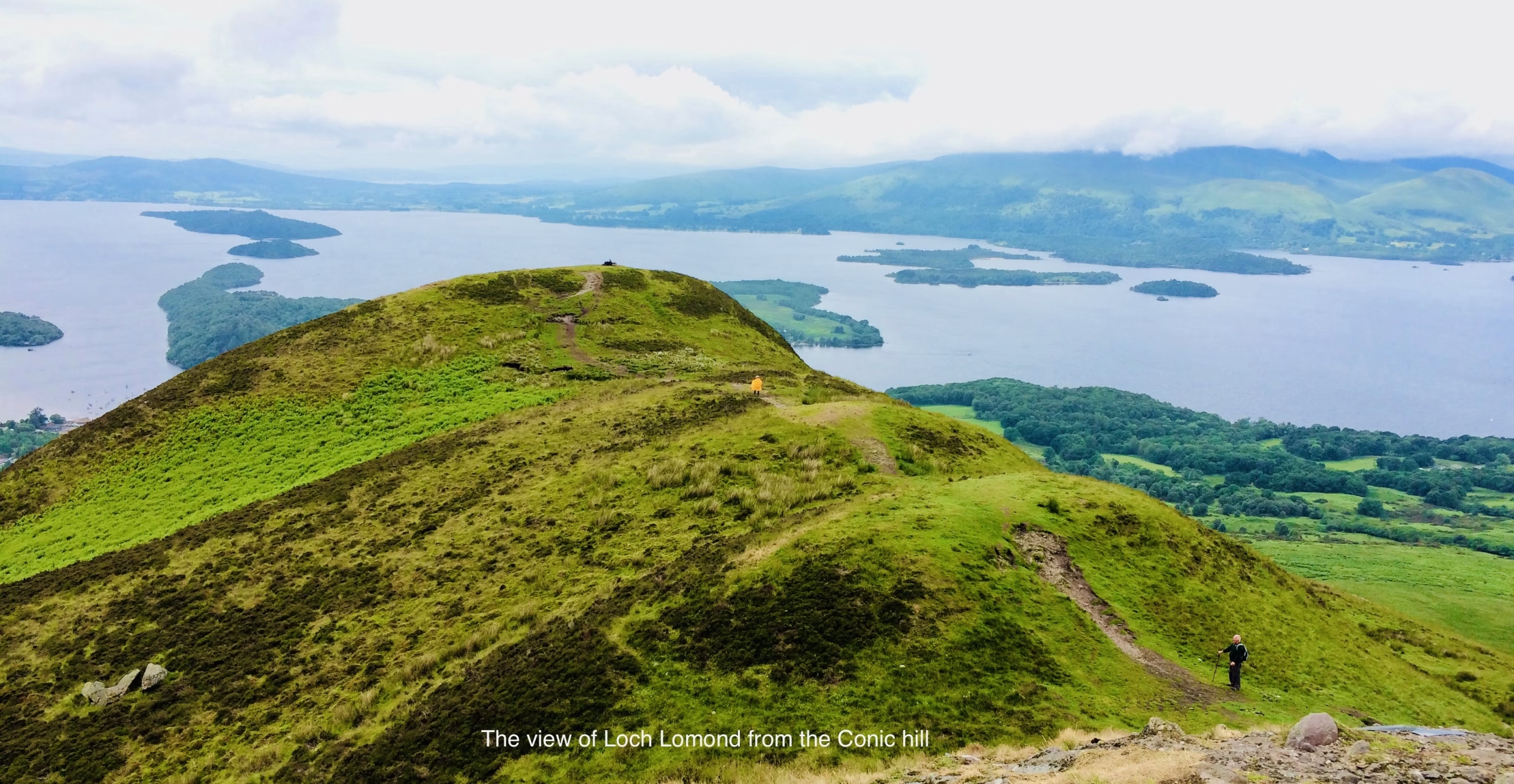
The final destination of day 2 was Rowardennan (G), a small, remote settlement on the eastern shore of Loch Lomond. It’s the last major stop before the remote and challenging northern section of the trail.
Nestled at the base of Ben Lomond, Scotland’s most-climbed Munro (974m/3,196ft), Rowardennan offers breathtaking views of Loch Lomond’s vast waters, surrounding forests, and rugged Highland landscapes. We stayed at Rowardennan Hotel, a cozy inn with a restaurant, bar, and beer garden overlooking the loch. Another popular accommodation is Rowardennan Youth Hostel nearby.
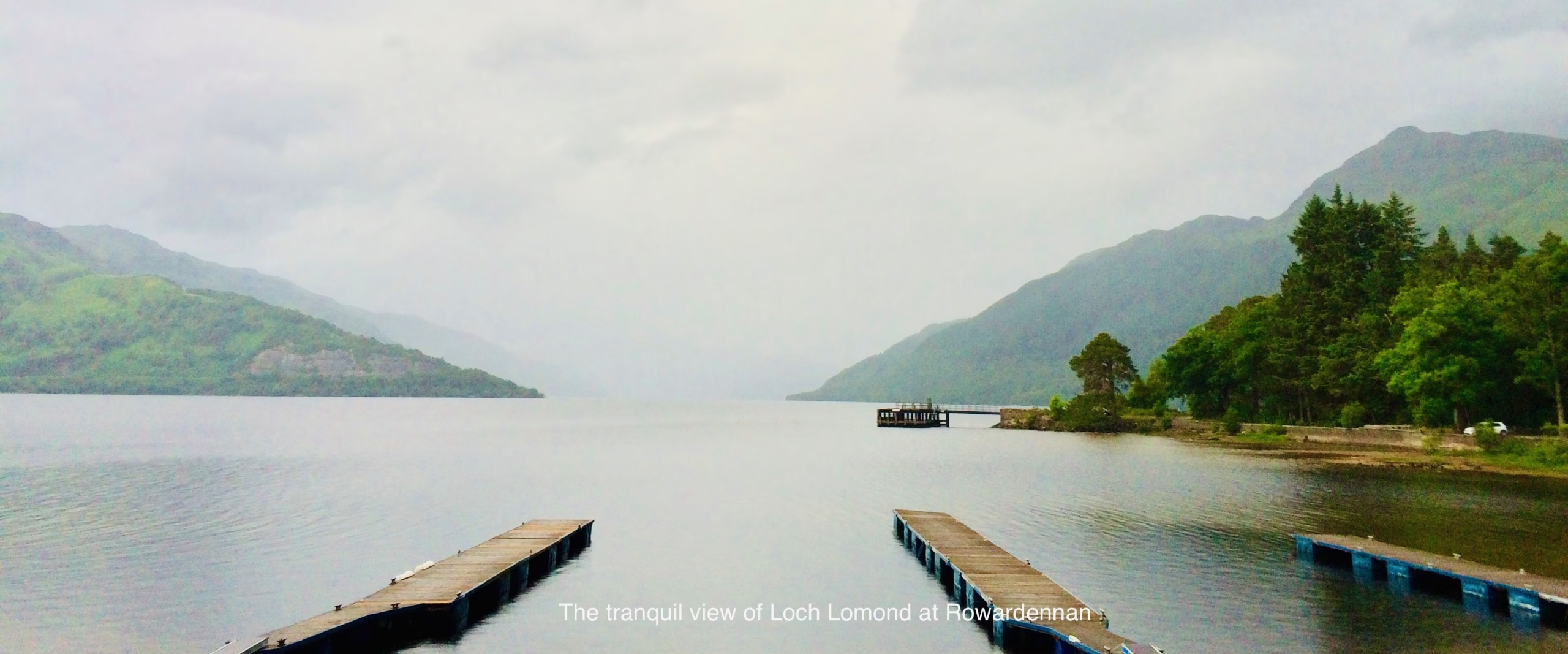
West Highland Way Day 3: Rowardennan to Inverarnan

Distance: ~14 miles (23 km)
Time: ~6-8 hours
Difficulty: Moderate to Challenging
Day 3 of the West Highland Way is one of the most rugged and demanding sections. We navigated the wild and remote eastern shore of Loch Lomond. The terrain varies from wide forest tracks to narrow, rocky paths, with some scrambling required in sections. However, we were rewarded with spectacular lochside scenery, hidden beaches, waterfalls, and ancient woodlands before reaching the end-of-day stop at Inverarnan.
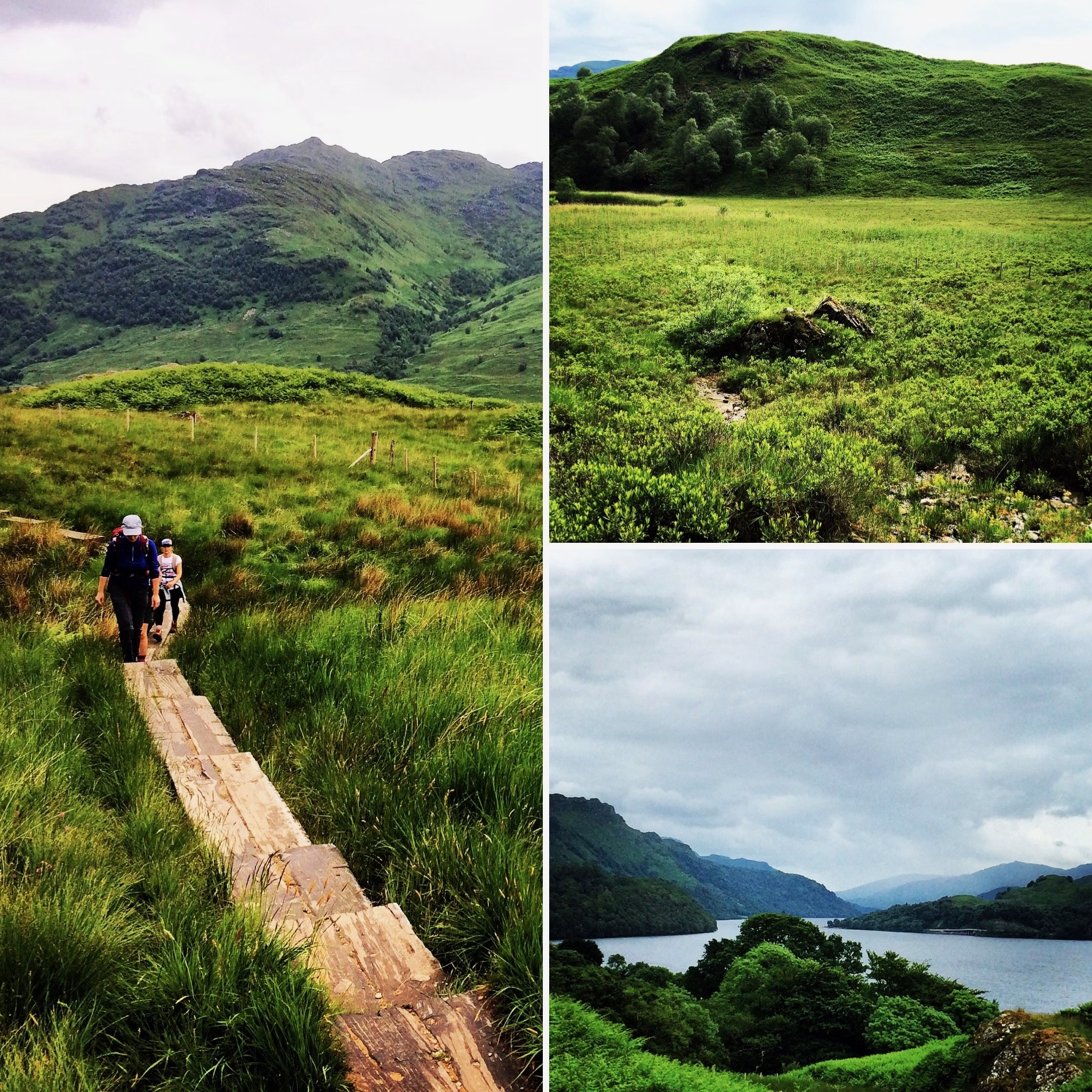
The morning walk took us from Rowardennan (A) to Inversnaid (B), which was about 7 miles. The first part followed a forested trail through Queen Elizabeth Forest Park, offering a gradual and steady ascent with great loch views. After a few miles, the trail split into two routes. We chose the easier route and followed an old forestry track higher up. Alternatively, you could pick the challenging route and stay close to the loch’s edge, involving scrambling over tree roots and boulders. Eventually, the trail descended to Inversnaid, home to the Inversnaid Hotel, where we took a well-earned lunch break.
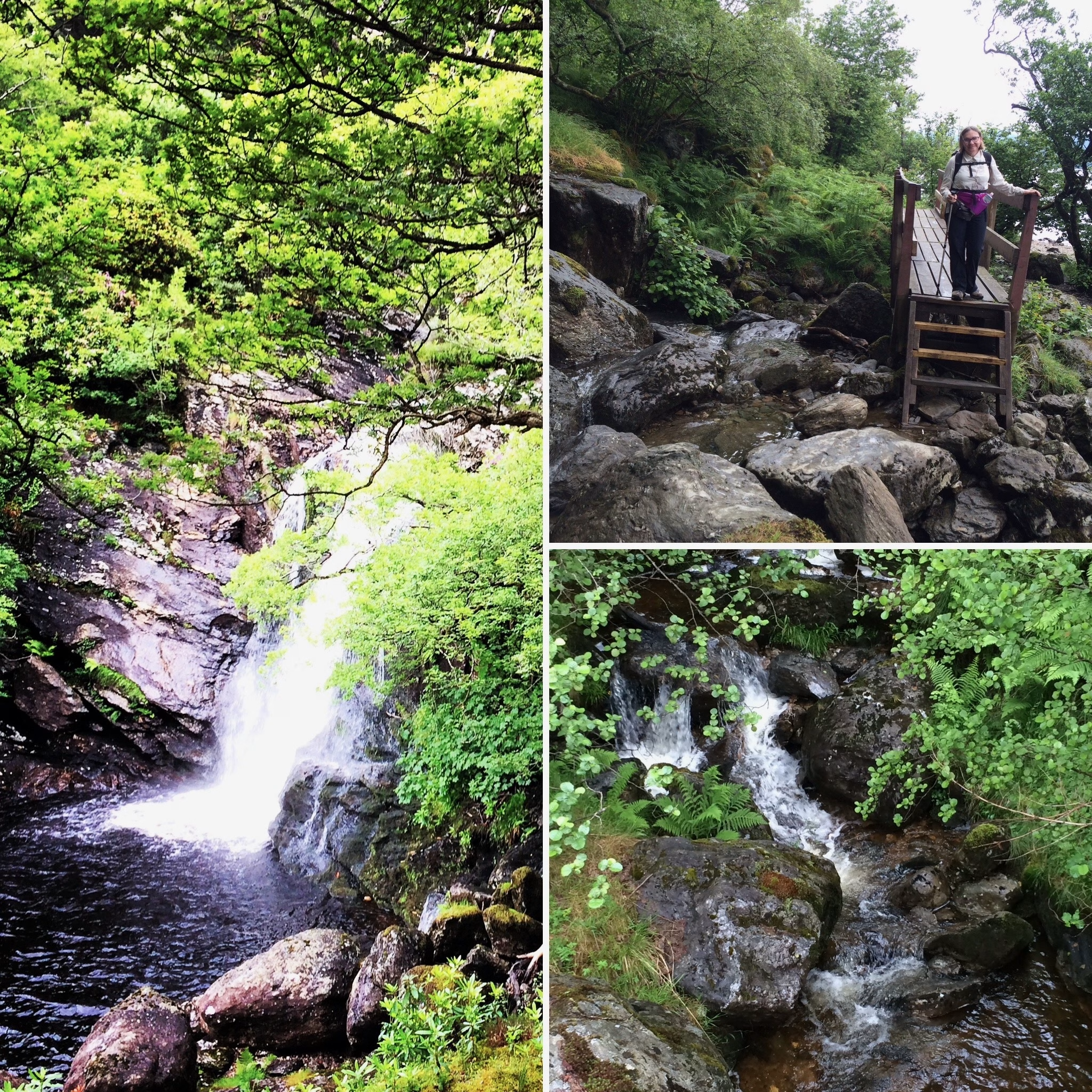
The afternoon hike took us from Inversnaid (B) to Inverarnan (C), about 7.5 miles. This section was slow-going and technical, featuring narrow, twisting trails, rocky scrambles, and occasional boardwalks through marshy ground. Along the way, you’ll pass Rob Roy’s Cave, where the legendary Scottish outlaw is said to have hidden. The final miles became easier, leading us through open farmland and lush glens. As we were getting close to the final destination of day 3, Inverarnan, I looked forward to taking off the hiking boots, stretching my toes, and relaxing at the Drovers Inn, a historic, 300-year-old pub filled with character. It was a perfect place to end the day with a hearty meal and a drink !
West Highland Way Day 4: Inverarnan to Tyndrum

Distance: ~13 miles (22 km)
Time: ~5-6 hours
Difficulty: Moderate
We were in the Highlands now!! Day 4 of the West Highland Way brought a welcome change of scenery. This section followed a gentler, more open trail, leading through wide glens, farmland, and ancient military roads with breathtaking views of the Highland mountains.
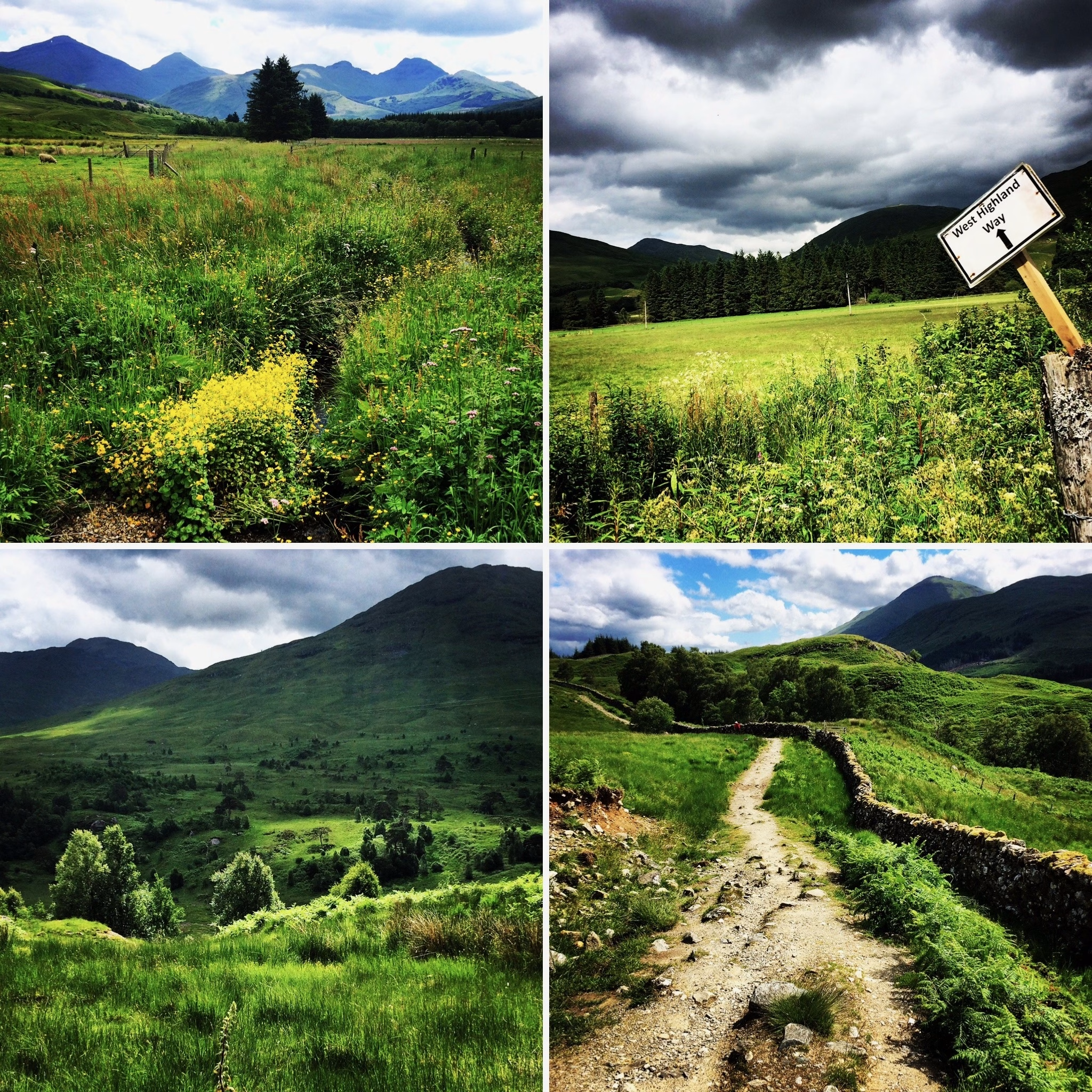
The morning began with a gradual climb through the picturesque valley of Glen Falloch, following the River Falloch and its small waterfalls. The trail joined General Wade’s Military Road, an old 18th-century route built for moving British troops. The path passed through open moorland, farmland, and grazing areas with Highland cattle. As the route climbed gradually toward Strath Fillan, we were treated to green mountain scenery, including Ben Lui (1,130m), one of Scotland’s most impressive peaks.
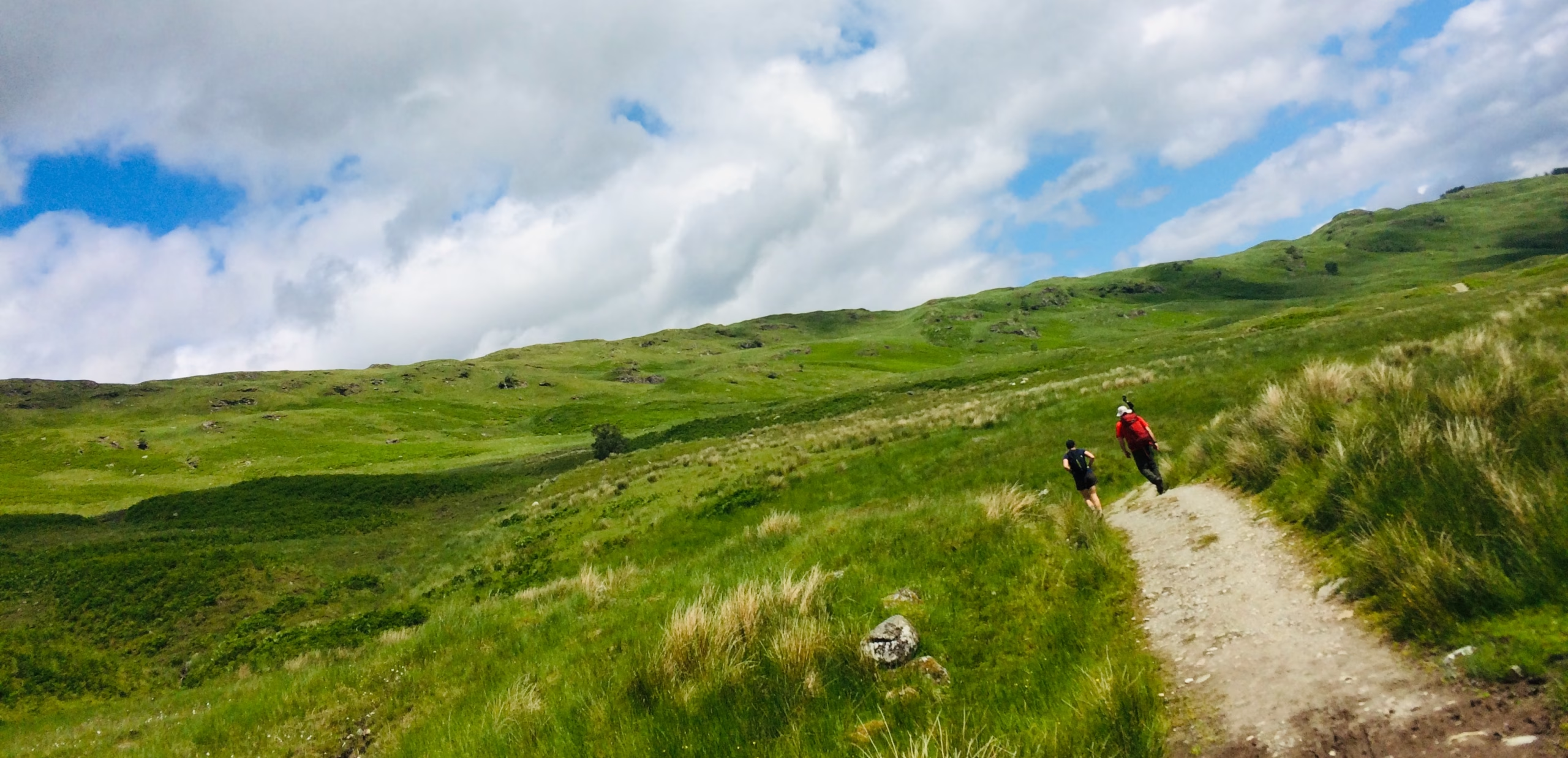
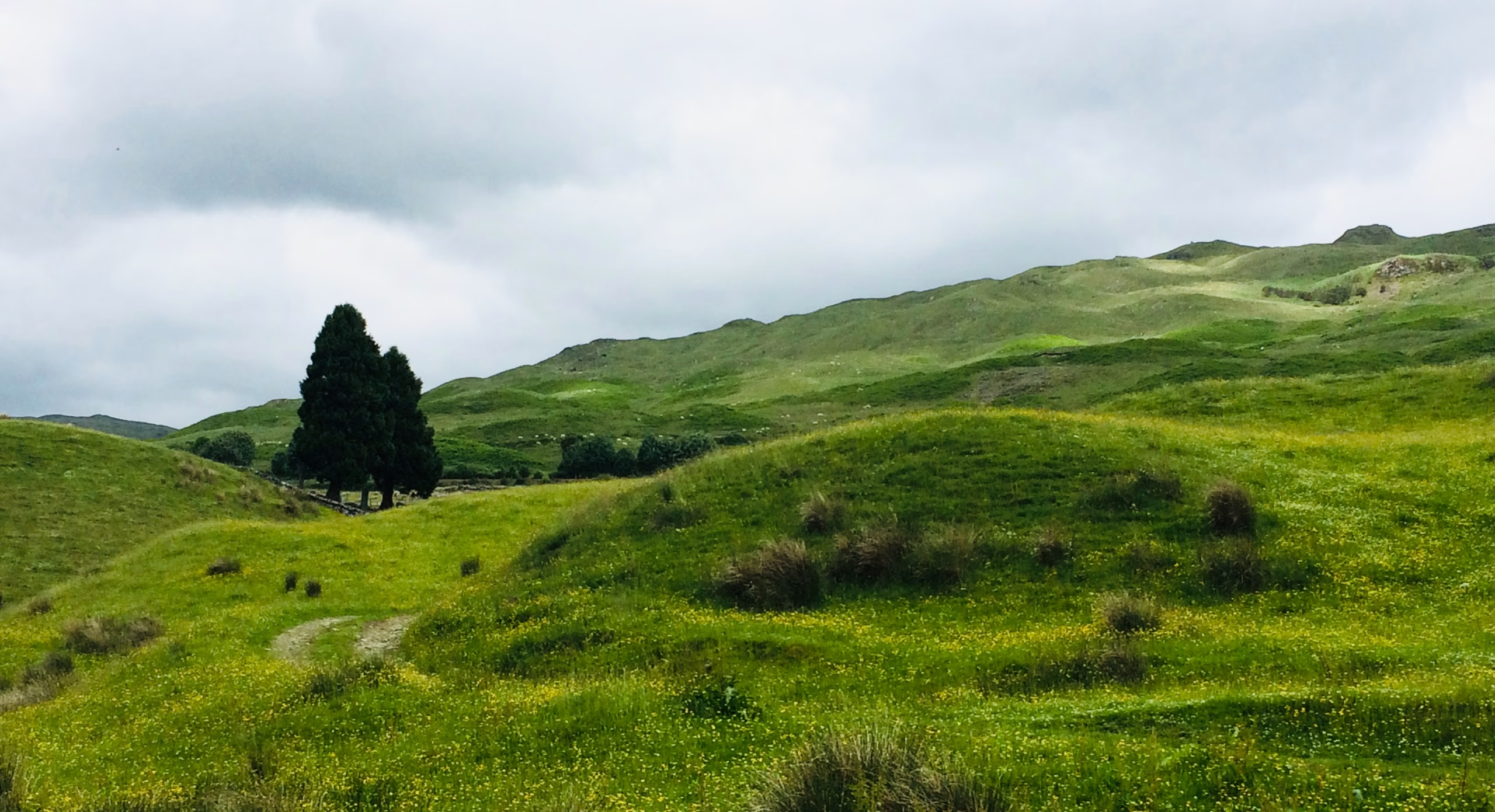
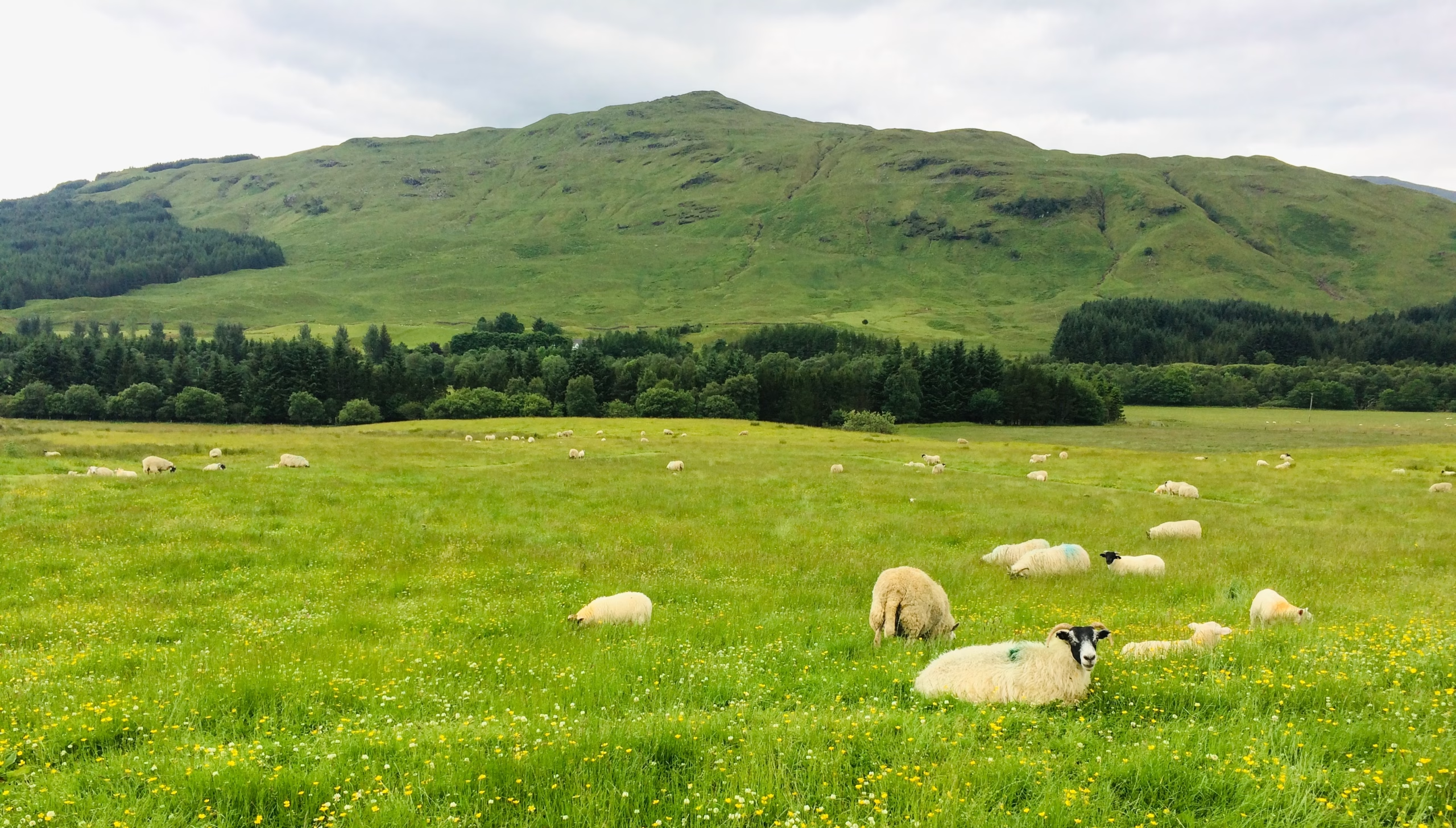
We ended day 4 at a small village of Tyndrum. This is the largest settlement since Drymen, offering shops, cafés, and accommodations. It’s also home to Scotland’s only gold mine, located in the nearby hills. As I walked down the mountain, a sharp pain began to build in my left Achilles tendon. By the end of the day, removing my hiking boot felt like an unbearable task. I worried about how I would handle the next day’s walk, which was also the longest.
West Highland Way Day 5: Tyndrum to Kingshouse

Distance: ~19 miles (30 km)
Time: ~7-9 hours
Difficulty: Moderate to challenging
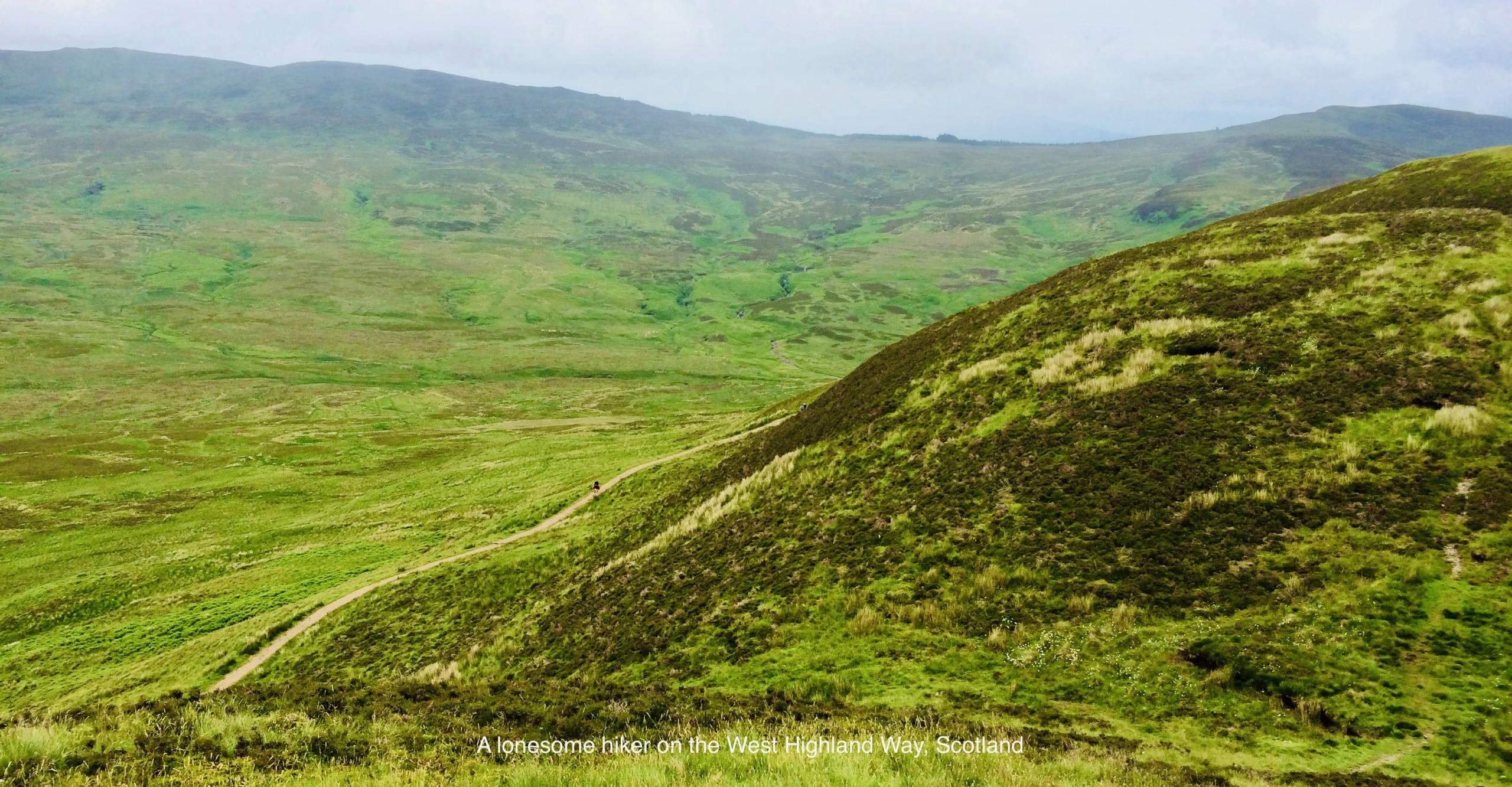
Day 5 of the West Highland Way was one of my favorite walks, as it took us from Tyndrum into the true heart of the Highlands. This was a long but rewarding day, offering spectacular mountain views, historic military roads, and a real sense of isolation in one of Scotland’s most dramatic landscapes. Crossing the vast and remote Rannoch Moor was a spiritually enlightening experience. I felt the serenity and divinity in this God’s land. However, my left achilles tortured me with every step, especially on the rocky trails.
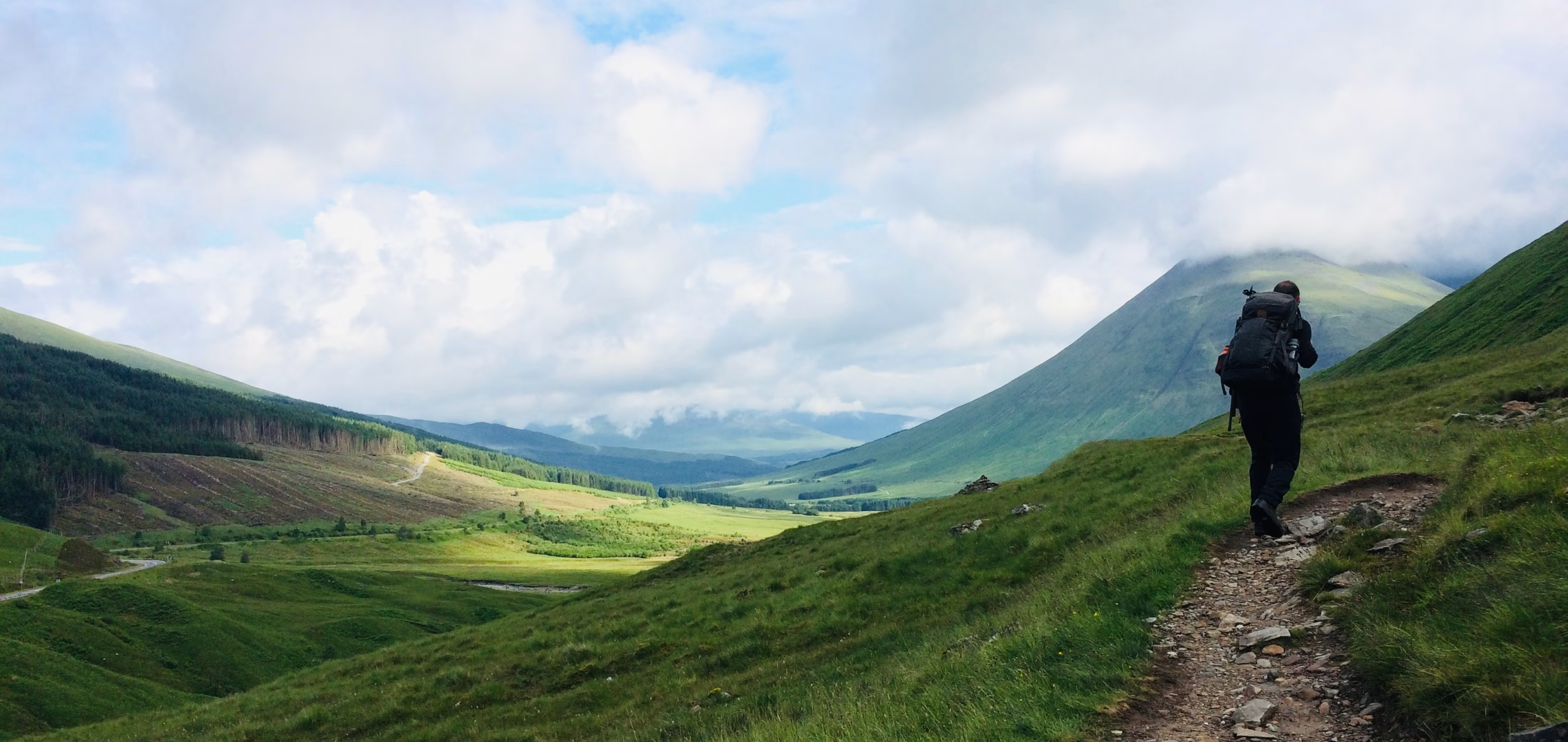
In the morning, we left Tyndrum behind and continued our journey north. The trail started gently, following the old 18th-century military road, with Beinn Odhar (901 m, 2,956 ft) and Beinn Dorain (1,076 m, 3,530 ft) towering above. The first stop was Bridge of Orchy, a small village with a hotel and café, a great place for a short break before climbing through forested trails with stunning Highland views.
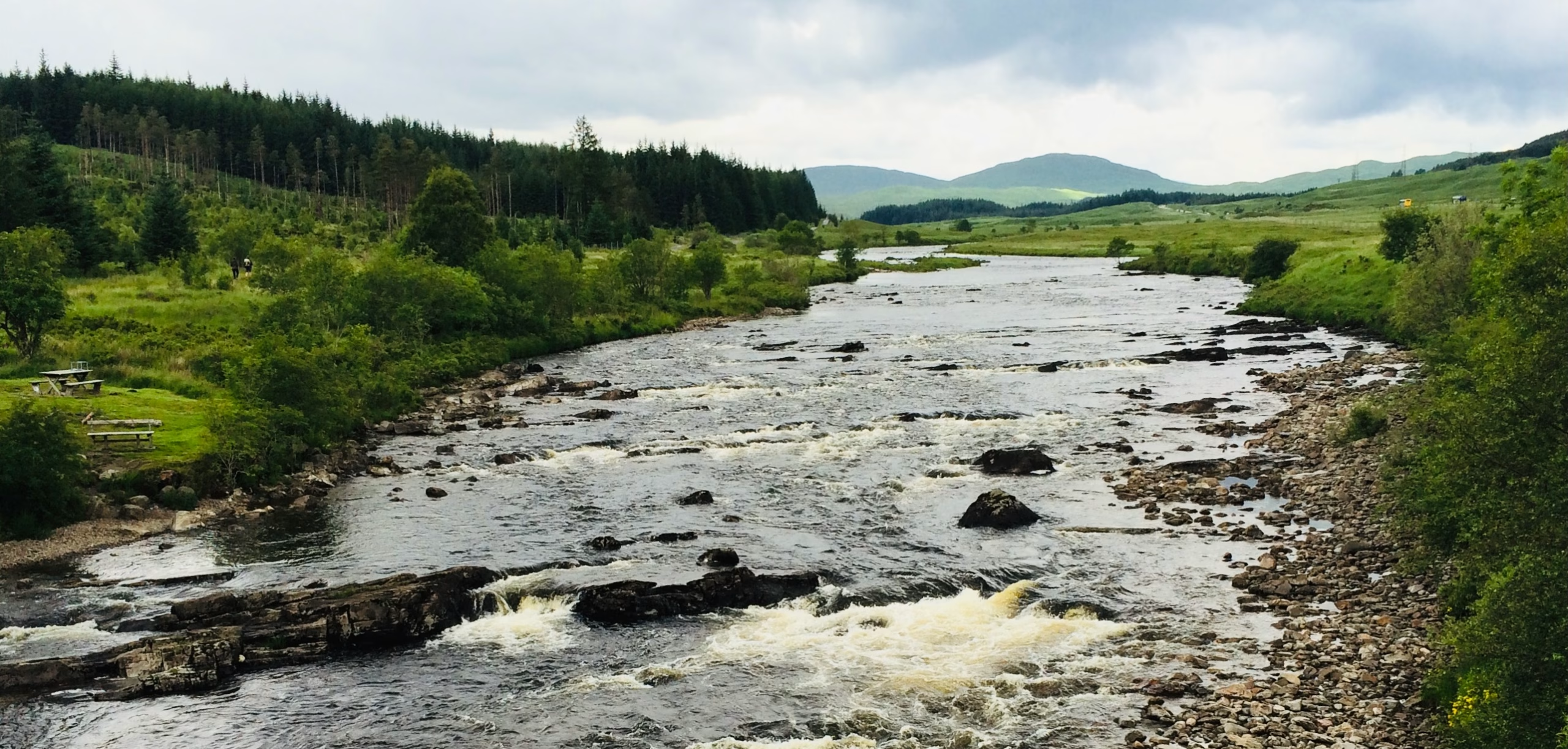
After descending to Inveroran and passing Victoria Bridge, it marked the entrance to one of the most remote sections of the entire hike. During the remaining day, we walked across Rannoch Moor, a wild, open moorland stretching for miles, offering stunning but exposed landscapes.
I had my Zen moment during this section of walk. The silent whisper of the wind wrapped around me, flowing through every step and every breath. At these moments, I felt closest to God, as if my own existence had dissolved into the air.
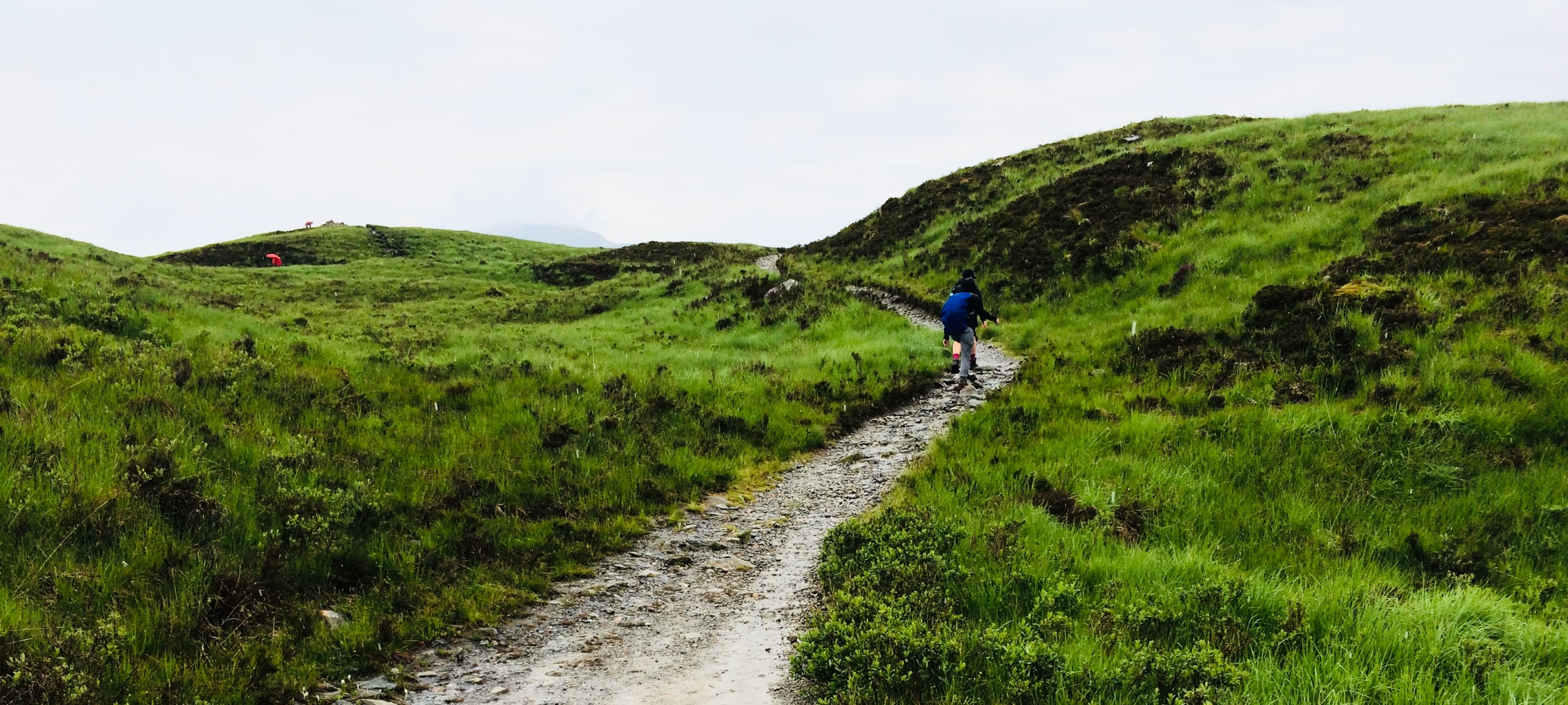
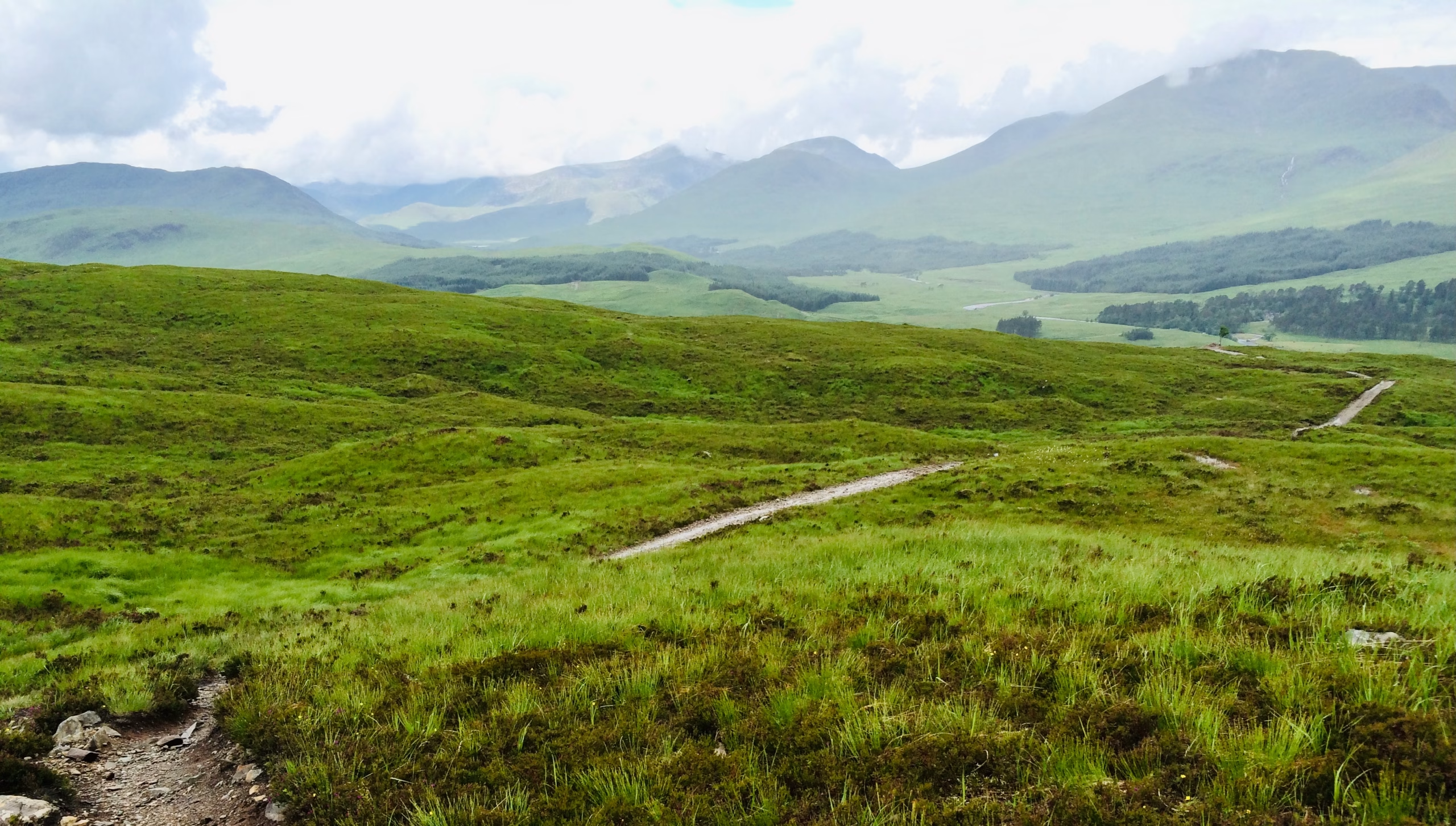
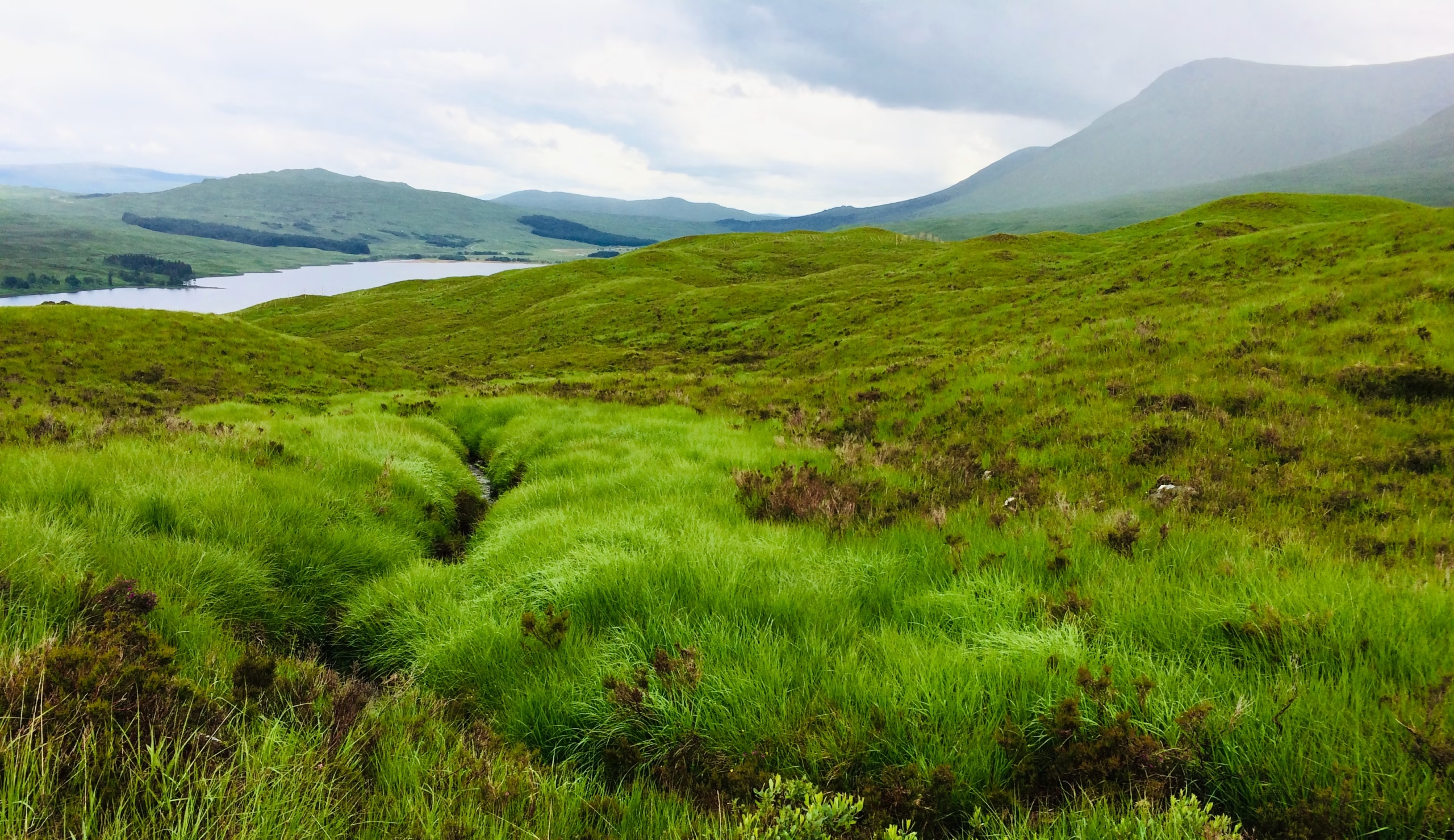
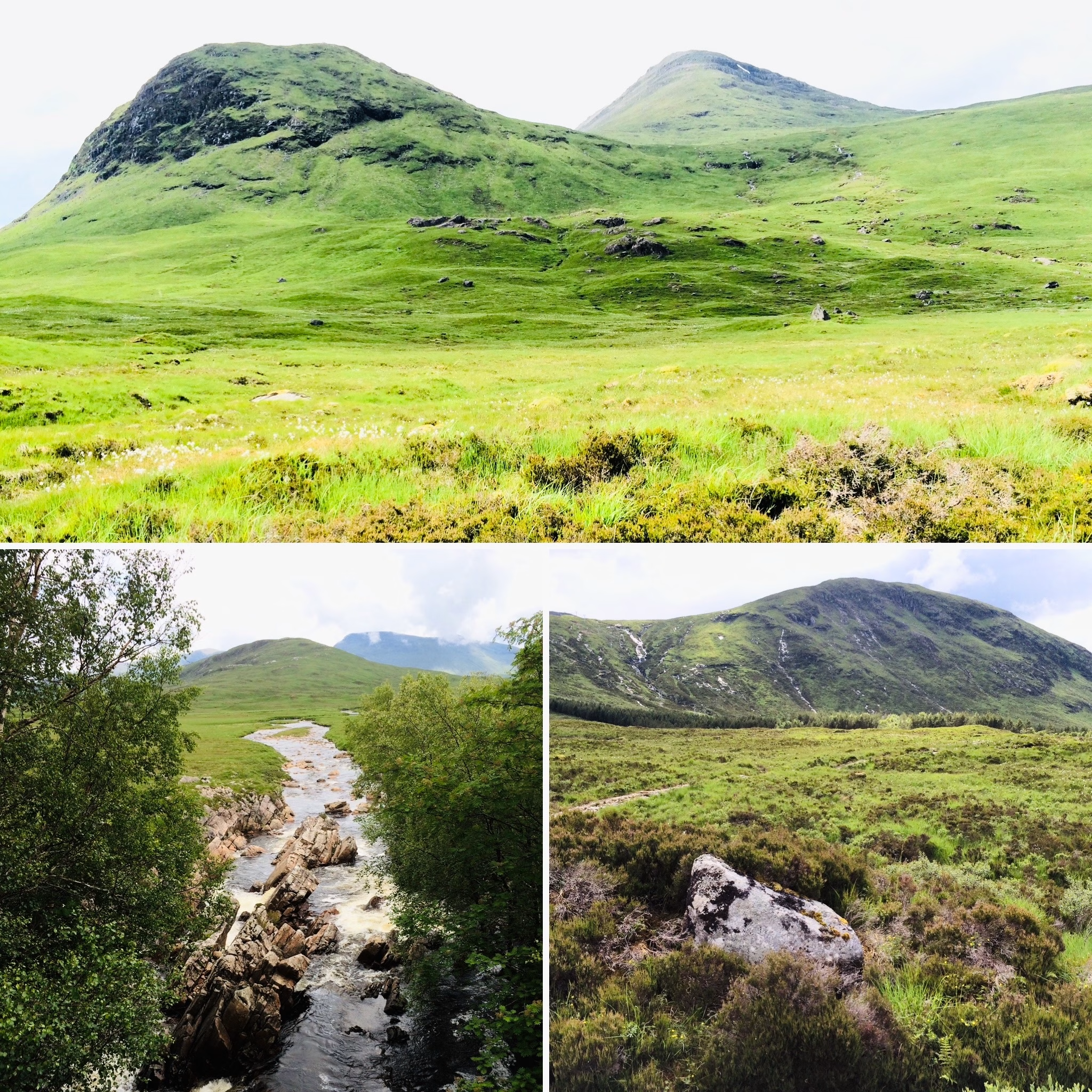
After miles of open moor, the towering peaks of Buachaille Etive Mòr came into view, marking the entrance to Glencoe. The day ended at the historic Kingshouse Hotel, where we unwound by the fire, savoring hearty food and captivating tales of Scotland’s past—from Jacobite uprisings and weary soldiers seeking refuge to ghostly legends of Glencoe’s tragic massacre.
West Highland Way Day 6: Kingshouse to Kinlochleven (The Devil’s Staircase)

Distance: ~9 miles (14.5 km)
Time: ~4-6 hours
Difficulty: Challenging (due to ascent of The Devil’s Staircase)
Day 6 of the West Highland Way features the famous Devil’s Staircase, the highest point on the entire trail (548m / 1,798ft). This section offers breathtaking views of Glencoe, followed by a steep descent into Kinlochleven, a small village nestled by the sea loch at the head of Loch Leven.

In Day 6, we embraced the challenges of the Devil’s Staircase stretching between Glencoe and Kinlochleven. Despite its intimidating name, it is a well-trodden path that reaches the highest point of the West Highland Way at approximately 550 meters (1,800 feet). After following the zigzagging path with a steep but manageable ascent, we reached the summit and were rewarded with panoramic vistas of the surrounding Highland scenery. Some hikers took an optional detour to climb Stob Mhic Mhartuin (707m / 2,320ft), which offers stunning panoramic views of Glencoe, Rannoch Moor, and even Ben Nevis in the distance.
The Devil’s Staircase earned its foreboding name from soldiers during General Wade’s 18th-century road-building efforts, who found the steep ascent particularly challenging. Later, workers constructing the Blackwater Dam in the early 1900s would traverse this route to reach the Kingshouse Hotel for leisure, often underestimating the journey’s difficulty, especially after a few drinks, leading to its devilish reputation.
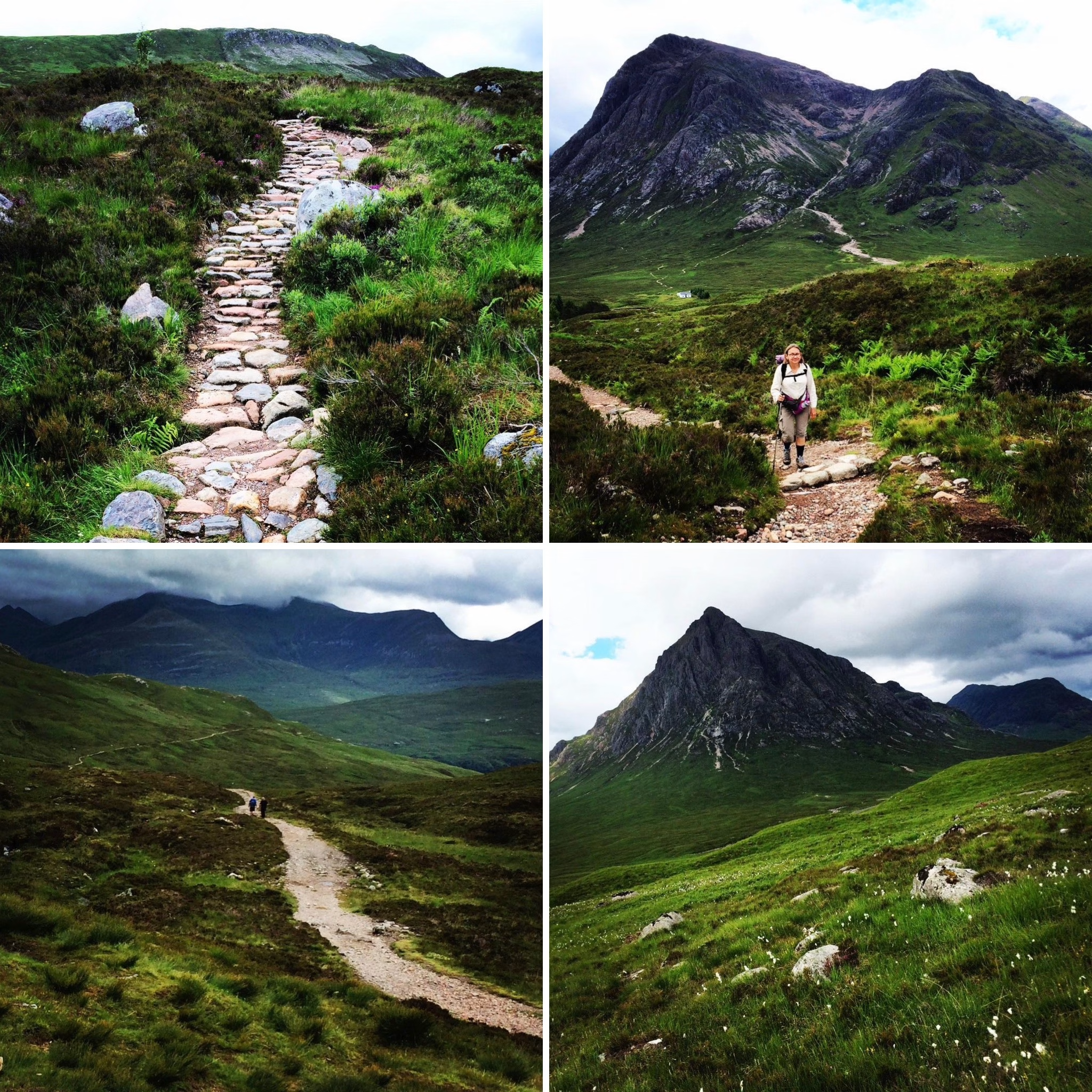
After reaching the summit, we took the well-appreciated break before descending into the next valley, and following a good trail to our next stop, Kinlochleven, a picturesque Highland village Nestled between Loch Leven and the towering Mamores mountains.
West Highland Way Day 7: Kinlochleven to Fort William (Final Stretch!)

Distance: ~15 miles (24 km)
Time: ~6-8 hours
Difficulty: Moderate
The final day of our hike on the West Highland Way!!! It took us through wild Highland landscapes, ancient military roads, and breathtaking views of Ben Nevis, before finishing in Fort William—Scotland’s outdoor capital.

The day began with a steep but steady ascent from Kinlochleven to a 274m mountain pass. It offered breathtaking views of Ben Nevis—Scotland’s highest peak. Once over the pass, we walked through Lairigmòr (The Great Pass), which is a wild and windswept valley stretching between Kinlochleven and Glen Nevis. Once an important historic pass, it now serves as a vast, open landscape with a real sense of isolation.
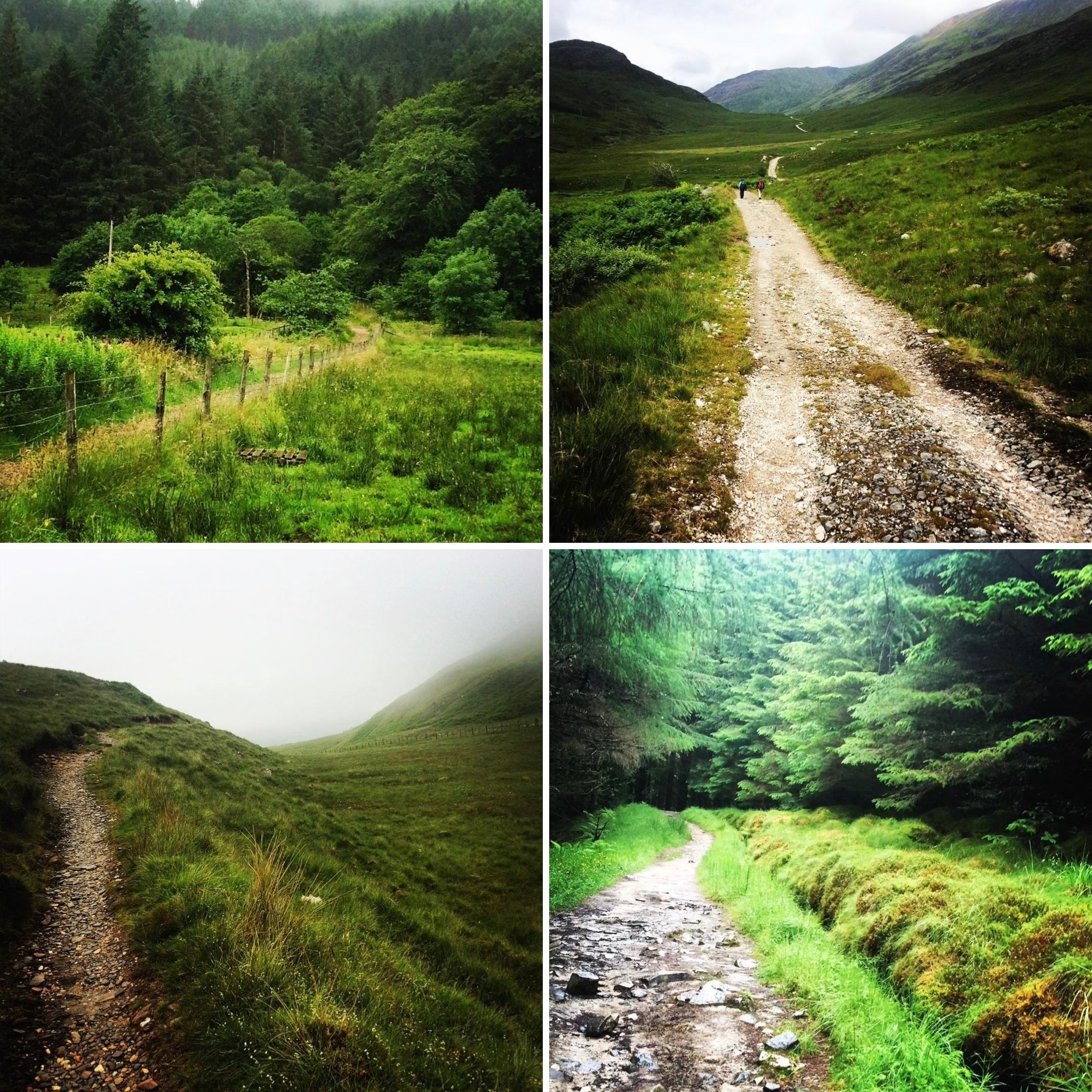
In the last day, we were caught in a stormy weather. As icy winds howled and heavy rain lashed down upon us, we battled through the rolling Highland terrain, pressed on past ancient sheilings—the traditional summer dwellings of shepherds—and Ruins of Tigh-na-sleubhaich –a lonely abandoned farmhouse.
During a brief respite, the mist began to lift, revealing stunning, ethereal vistas over Lochan Lunn Da-Bhra, where the still waters mirrored the brooding Highland sky, creating a scene both serene and hauntingly beautiful.

After a long descent through forested trails, we reached the West Highland Way Finish Line, Fort William. The official endpoint is at Gordon Square, where a bronze statue of a tired hiker awaits for our victorious arrival!

Completing the 96-mile West Highland Way was an incredible achievement, a journey that tested my endurance, resilience, and spirit. Over seven days, I walked through relentless rain and aching pain, pushing forward despite blisters, exhaustion, and the rugged Highland terrain. Yet, it was these very challenges that made the experience unforgettable. Every step I took through Scotland’s wild beauty left an imprint on my soul, ensuring that the West Highland Way—and Scotland itself—will always hold a special place in my heart.