

Capri is a small island off the Amalfi coast of Italy, known for its beautiful views, clear blue water, and relaxed charm. It’s a great place to explore caves, walk along scenic trails, or enjoy fresh seafood and gelato. Whether you’re visiting for a day or staying longer, Capri offers a peaceful and memorable escape.
Although many visit Capri as a day trip, I highly recommend staying a few days to truly soak it all in. With more time, you can explore at a relaxed pace and discover corners that most visitors miss. In this post, I share five scenic walking routes I enjoyed during my stay, along with optional activities to enhance your experience. You can follow each route on its own or mix and match them for a full day of adventure.
- Route 1: Belvedere Tragara, Faraglioni Rocks, Casa Malaparte, and Arco Natural
- Route 2: Villa Jovis, Parco Astarita, and Villa Lysis
- Route 3: Gardens of Augustus, Via Krupp, Marina Piccola, and Boat Tour
- Route 4: Phoenician Steps, Anacapri, Villa San Michele, and Monte Solaro
- Route 5: Blue Grotto, forts, and Punta Carena Lighthouse
Route 1: Belvedere Tragara, Faraglioni Rocks, Casa Malaparte, and Arco Natural

This scenic coastal route begins at Belvedere Tragara, a viewpoint with panoramic views of the sea and cliffs. Walk down Via Tragara for a closer look at the iconic Faraglioni Rocks, then follow the Pizzolungo trail to spot the striking red Casa Malaparte perched dramatically on the cliffs. Continue to the Arco Naturale, a towering limestone arch carved by nature, offering one of Capri’s most unique photo spots. It’s a peaceful walk with dramatic views throughout.
- Capri Town Center Piazza Umberto I (A) to Belvedere Tragara (B): about 1.1km, 15 minute.
- Belvedere Tragara (B) to Arco Tragara (C): 450m, 12 minutes, with stairs.
- Arco Tragara (C) to Belvedere del Pizzolungo (D): 850m, 25 minutes, with stairs.
- Optional: Belvedere del Pizzolungo (D) to Casa Malaparte (E): 450m, 10 minutes.
- Casa Malaparte (E) to Arco Naturale (F): 1km, 30 minutes.
Belvedere Tragara
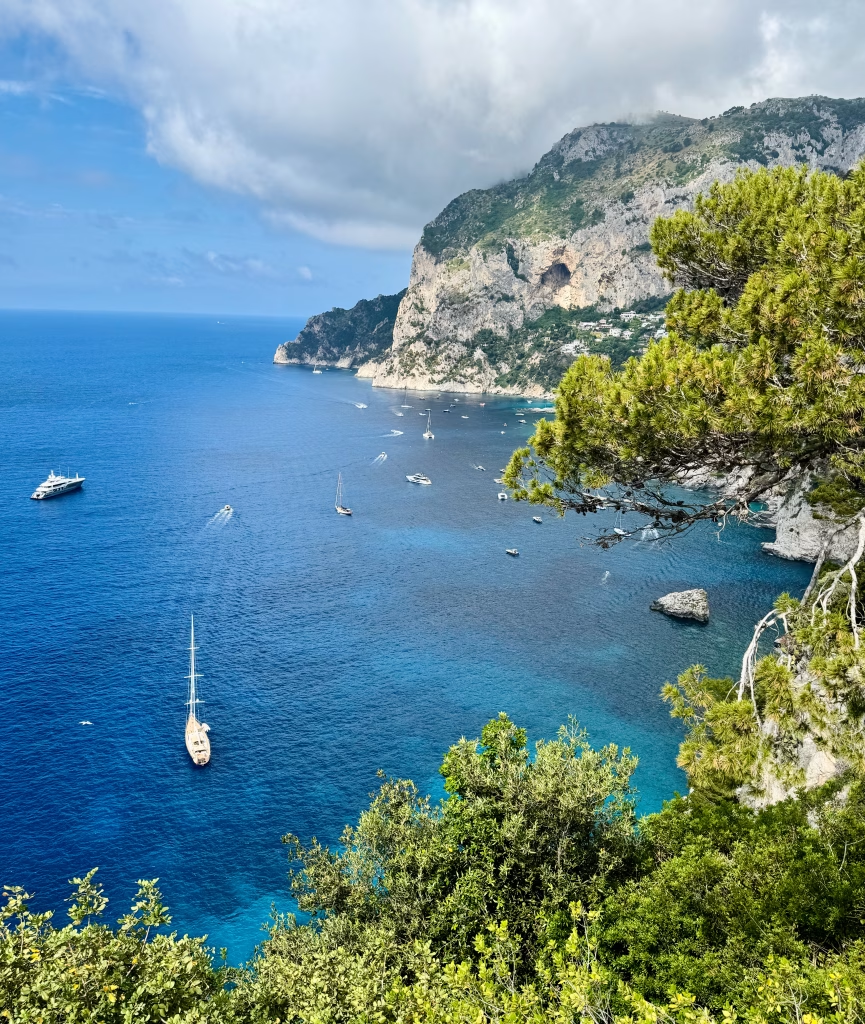
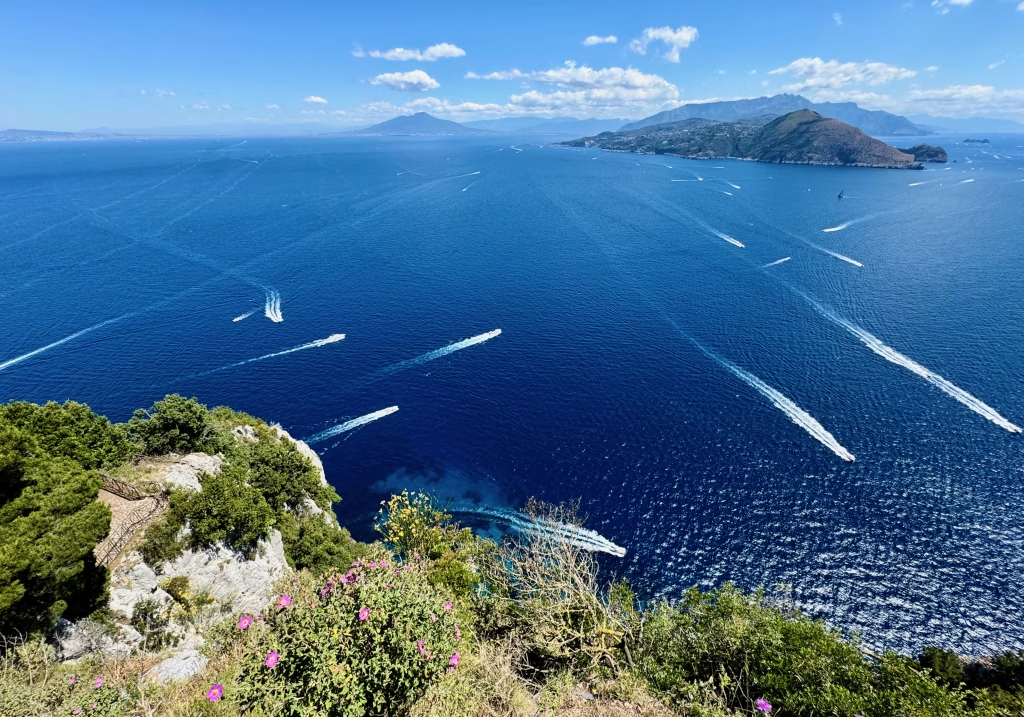
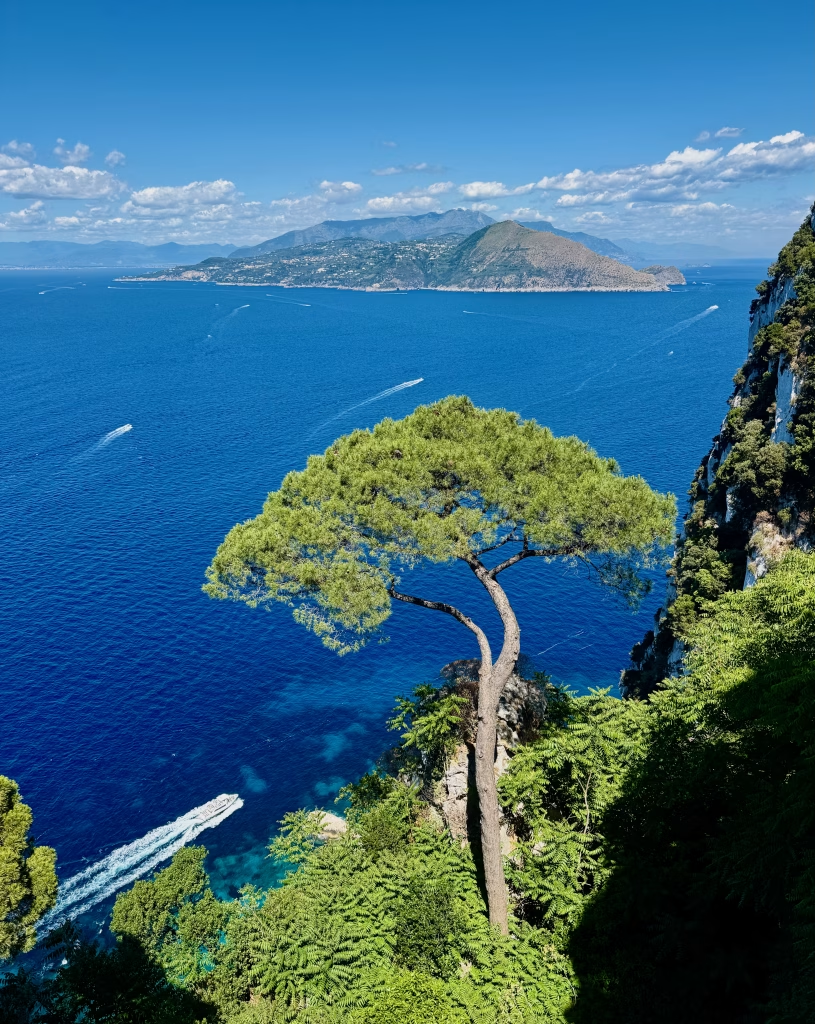
The first stop is Belvedere Tragara (B), a scenic overlook with stunning views—though we quickly realized that amazing views are everywhere on Capri. The rich Mediterranean blue of the sea is spreading far into the horizon, shifting in shades with the light. White boats floated below, some trailing soft white lines across the water.
Option: Just steps away is the five-star Hotel Punta Tragara, home to Le Monzù, a Michelin-starred restaurant where you can sip a cocktail and savor gourmet cuisine while soaking in the views.
Arco Tragara and Faraglioni Rocks
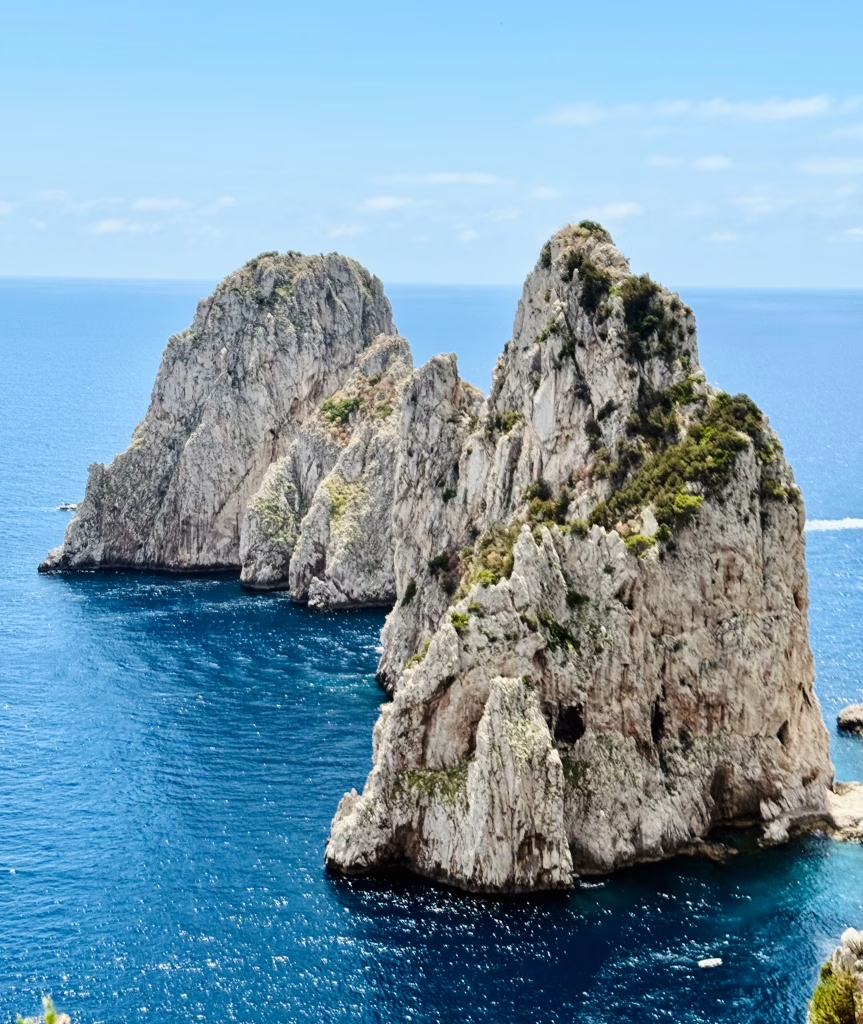
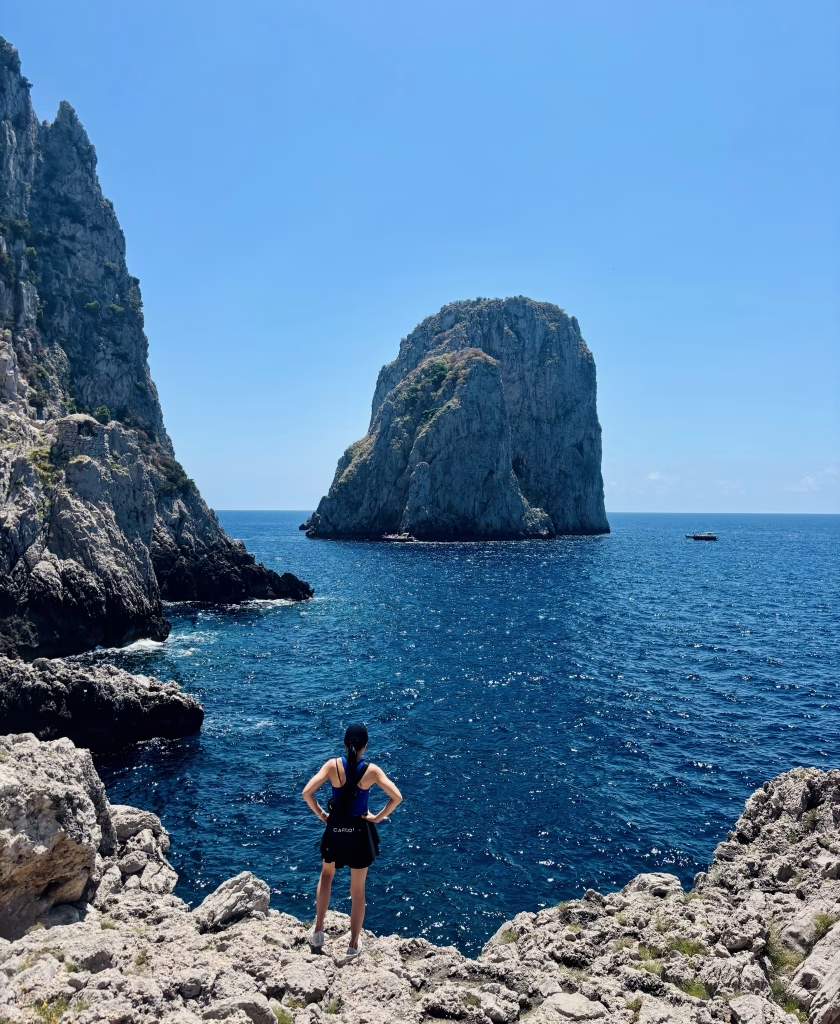
The next stop is Arco Tragara (C), offering a good view near the water of the Faraglioni Rocks, Capri’s most iconic natural landmarks. Three towering sea stacks rise dramatically from the blue waters just off the island’s southern coast. These rock formations have been sculpted by wind and waves over centuries. Each rock has a name: Stella (still connected to the island), Faraglione di Mezzo (with a famous natural arch), and Faraglione di Fuori, said to be home to a rare blue lizard found nowhere else.
Option: Nearby is La Fontelina, a famous beach club in Capri known for its chic striped blue umbrellas, crystal-clear water, and fresh seafood lunches. It is a perfect spot to relax, swim, and soak up the classic Capri vibe if you are willing to splurge over 100 euro per person. Reservations are highly recommended.
Belvedere del Pizzolungo
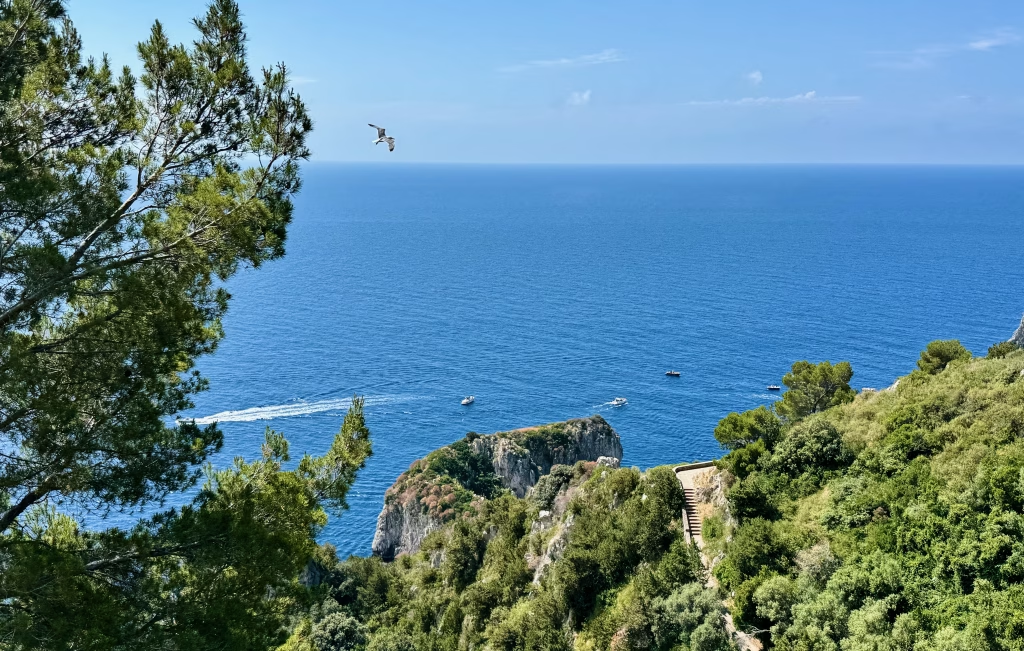
We continued along the lesser-traveled Pizzolungo trail and paused at Belvedere del Pizzolungo (D), a quiet viewpoint offering sweeping views of the sea and Capri’s dramatic coastline.
Casa Malaparte
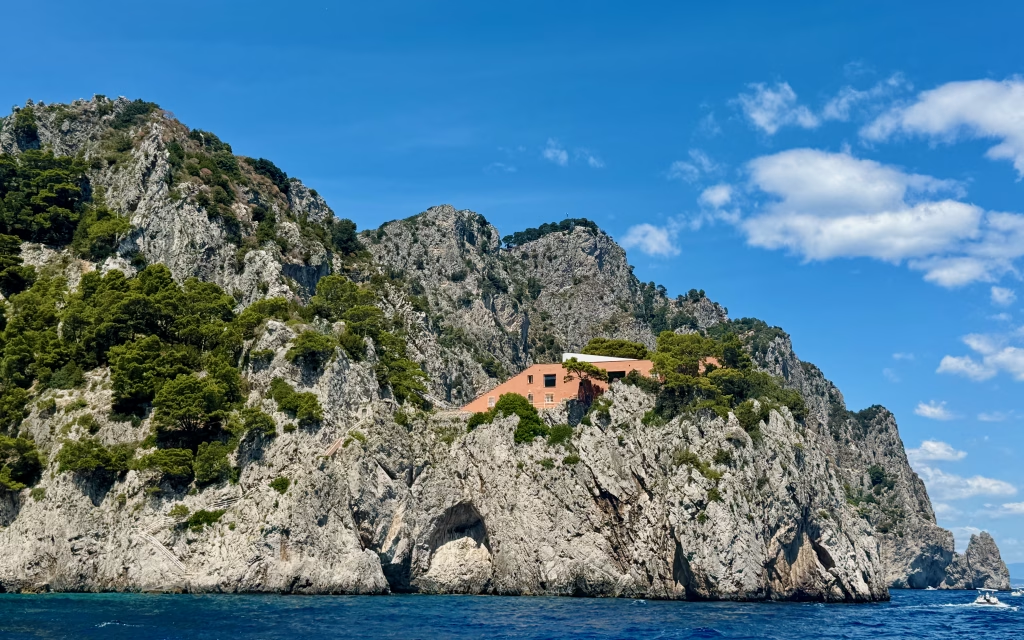
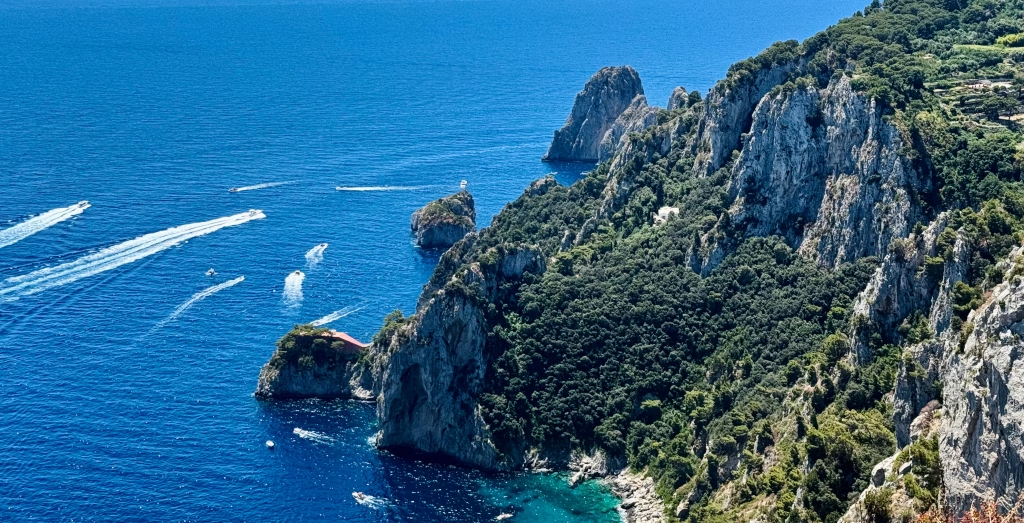
Along the way, we caught sight of Casa Malaparte (E)— the terracotta-red villa perched on a cliff above the water. Built in the late 1930s by writer Curzio Malaparte with architect Adalberto Libera, the house is known for its bold modernist design, sharp lines, and secluded location on Punta Massullo. Whether it’s beautiful or an eyesore is up for debate (Pat called it “ugly”), but there’s no denying it’s unique and unforgettable. Casa Malaparte remains privately owned and closed to the public.
Arco Naturale (Natural Arch)
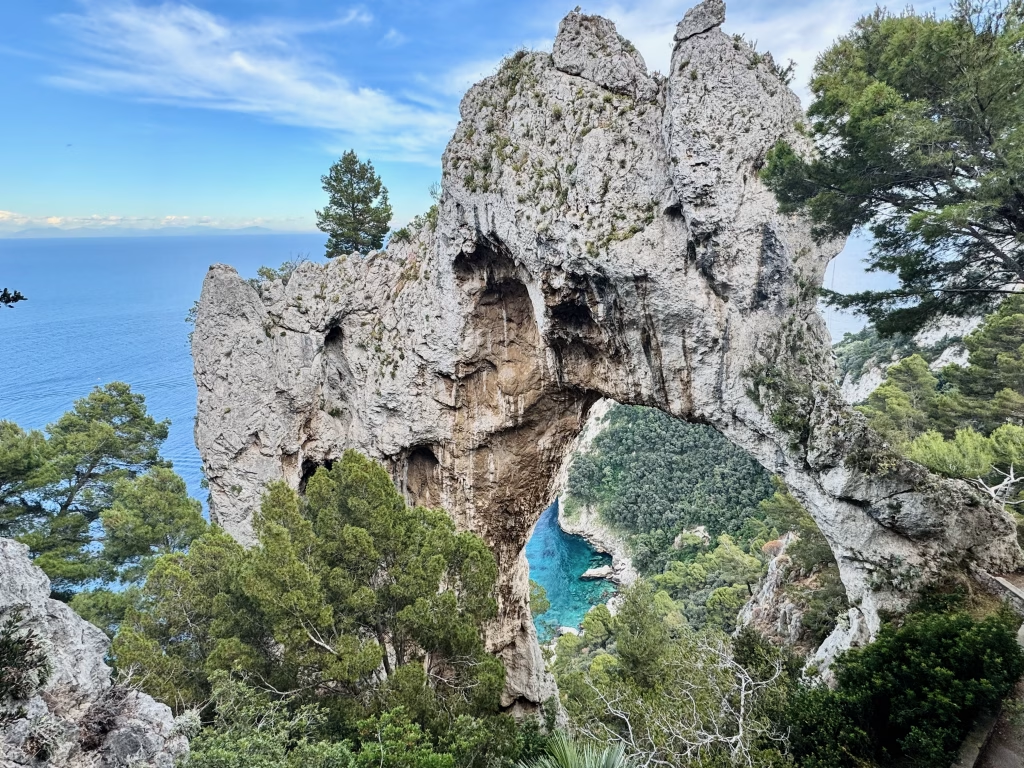
The final stop of this walk was Arco Naturale (F), or the Natural Arch. It is a dramatic limestone formation that frames the sparkling blue sea below like a window. Formed over centuries by erosion, this towering arch stands about 60 feet high and offers a breathtaking view of the coastline.
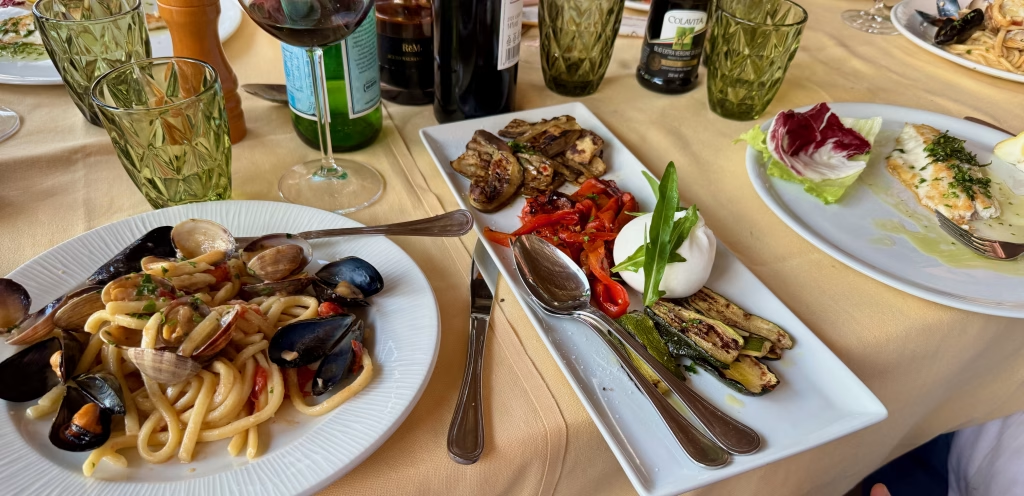
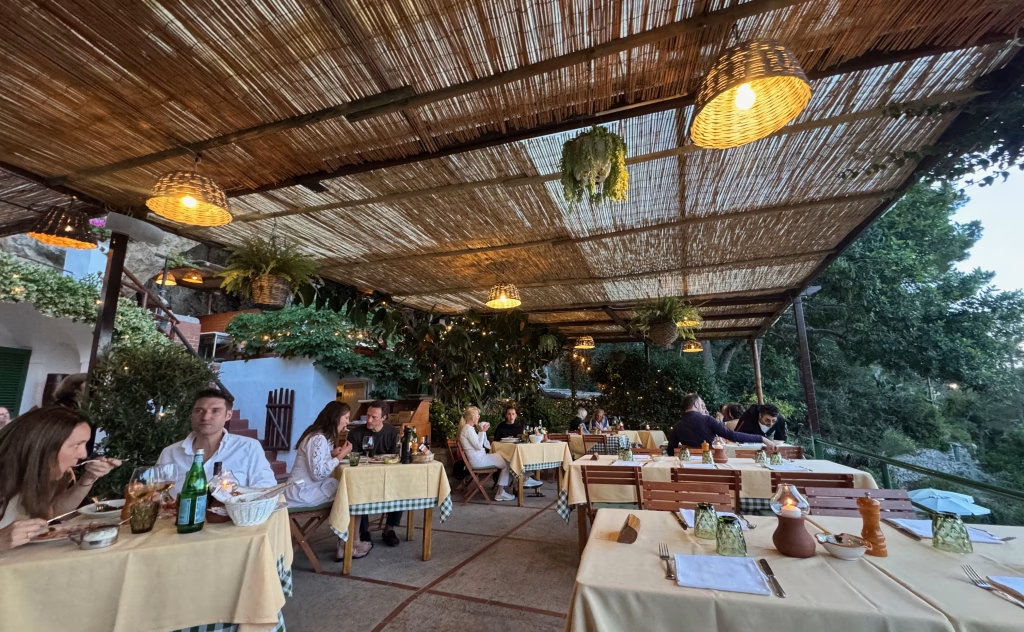
Option: Tucked near the Arco Naturale is Le Grottelle, a charming, family-run restaurant with outdoor seating and stunning views over the sea and cliffs. it’s a quiet, scenic spot perfect for a relaxed, authentic meal such as fresh seafood, grilled vegetables, and wood-fired pizza. Recommended by our villa manager, we enjoyed an outdoor dinner there. I consider it one of the best meals in Capri, with fabulous views, delicious food, excellent services, and good value.
Route 2: Villa Jovis, Parco Astarita, and Villa Lysis

This route takes you to the quieter, more historic side of Capri. Start at Villa Jovis, the cliff-top ruins of Emperor Tiberius’ palace. Just minutes away is Parco Astarita, a peaceful park with terraces offering breathtaking views of the sea and cliffs. From there, follow a scenic trail to Villa Lysis, a romantic villa built by French writer Jacques d’Adelswärd-Fersen, known for its mix of neoclassical and Art Nouveau styles.
- Capri Town Center Piazza Umberto I (A) to Villa Jovis (B): about 2.2km, 30 minute walk.
- Villa Jovis (B) to Parco Astarita (C): 160m, 4 minute walk.
- Parco Astarita (C) to Villa Lysis (D): 1.2km, 20 minute walk.
Villa Jovis
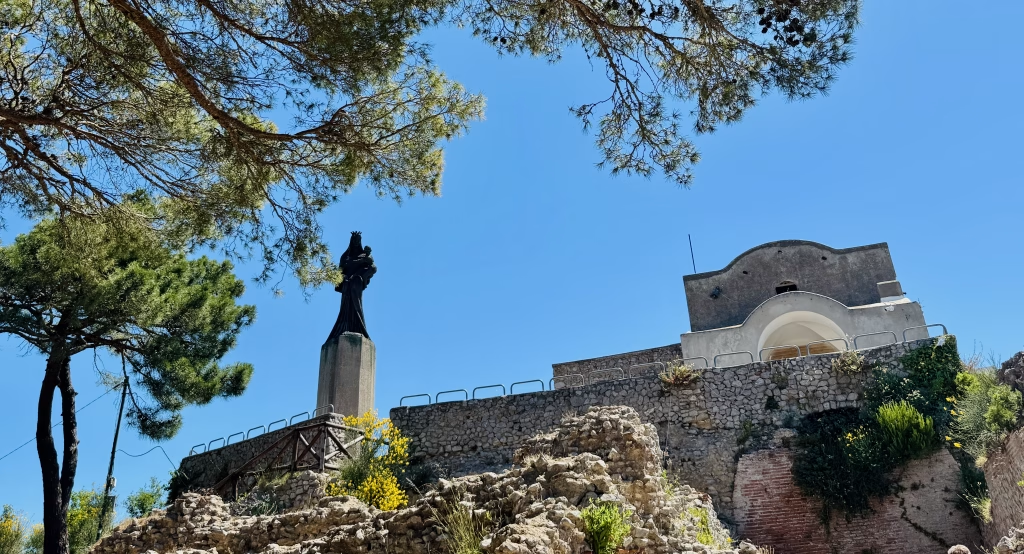
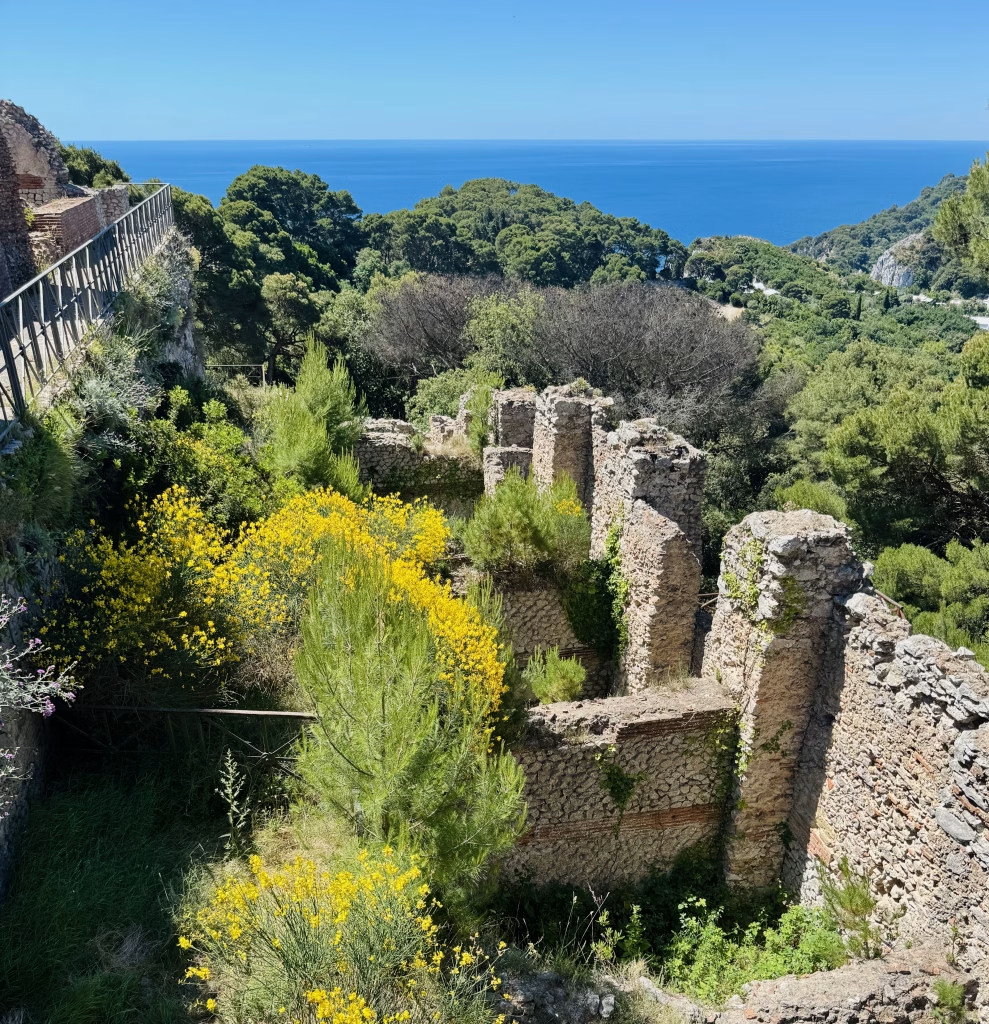
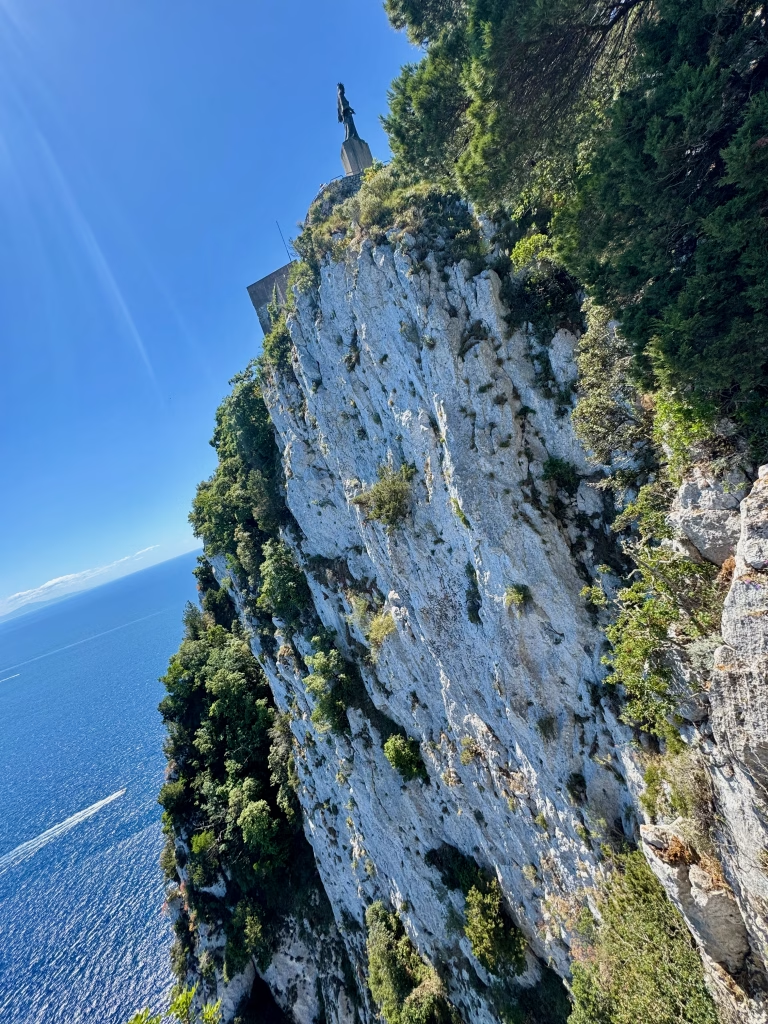
Villa Jovis (B), perched on the eastern cliffs of Capri, is the largest and most impressive Roman ruin on the island. Built by Emperor Tiberius in the 1st century AD, it served as his imperial residence and retreat from Rome. The site offers a fascinating glimpse into ancient Roman architecture, with sweeping views of the Bay of Naples and dramatic cliffs dropping to the sea. According to ancient Roman historians, Tiberius was said to throw those who displeased him off the cliffs near Villa Jovis. The rocky drop into the sea below became infamous as a site of executions. As of 2025, the entrance fee is 6 euro per person for full price. You could buy the ticket at the entrance.
Parco Astarita
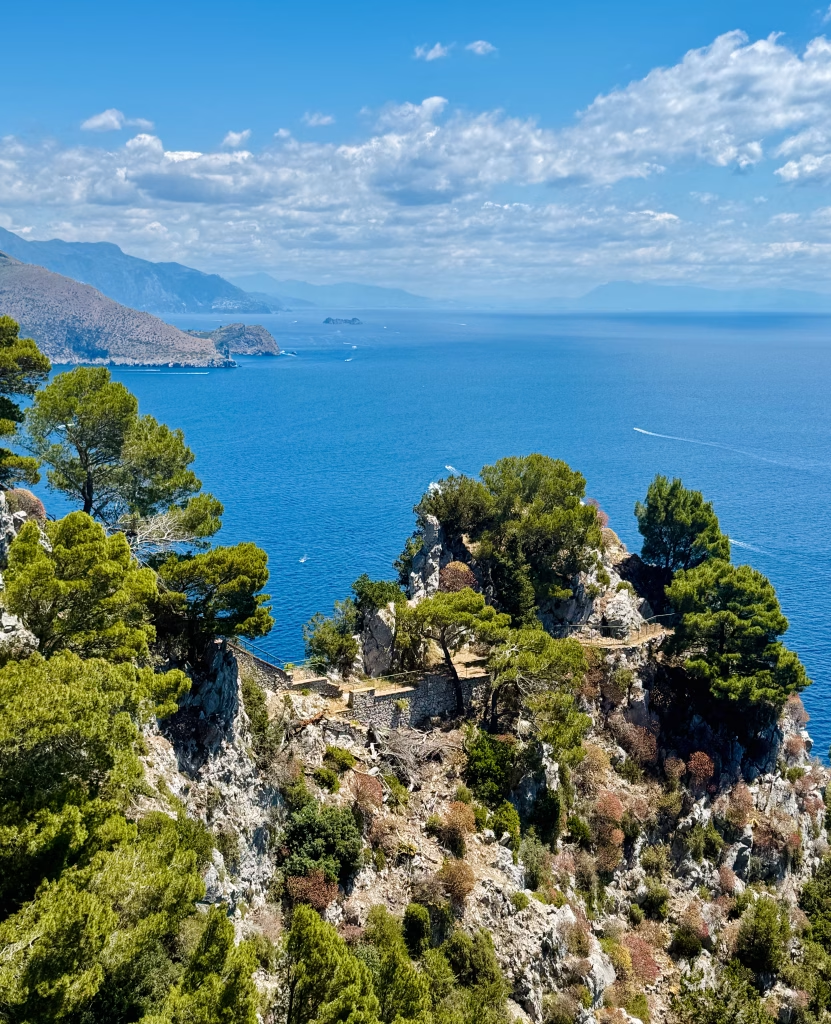
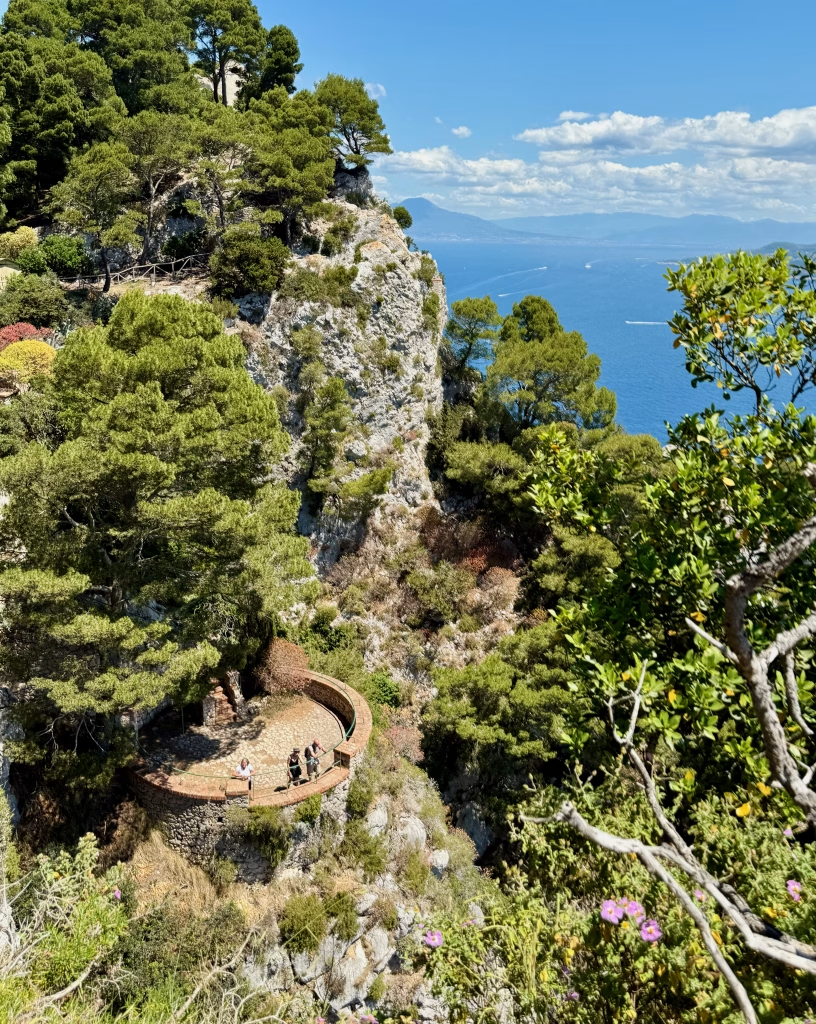
Just a few minutes’ walk from Villa Jovis lies the hidden gem of Parco Astarita (C). The small entrance is easy to miss, and we almost walked right past it. Parco Astarita was once part of the private grounds of the Astarita family, a noble Neapolitan family with ties to Capri. In the mid-20th century, the land was donated to the Italian state, and the park was opened to the public free.
This quiet clifftop park has six panoramic lookout terraces perched above the sea, each offering sweeping views of the cliffs, sea, and the iconic Faraglioni rocks. These terraces are linked by scenic paths and shaded by Mediterranean pines. It’s the perfect spot to relax, take photos, and soak in the dramatic beauty of Capri away from the crowds.
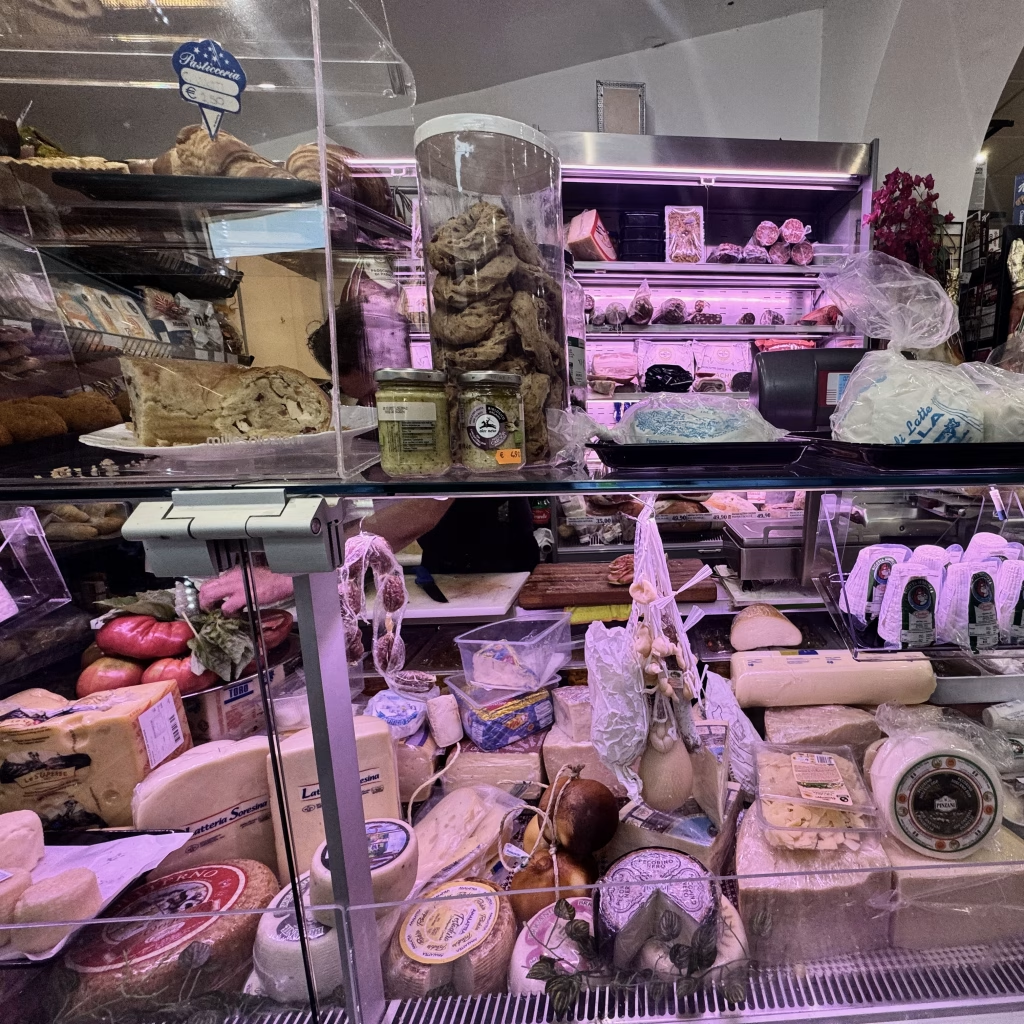
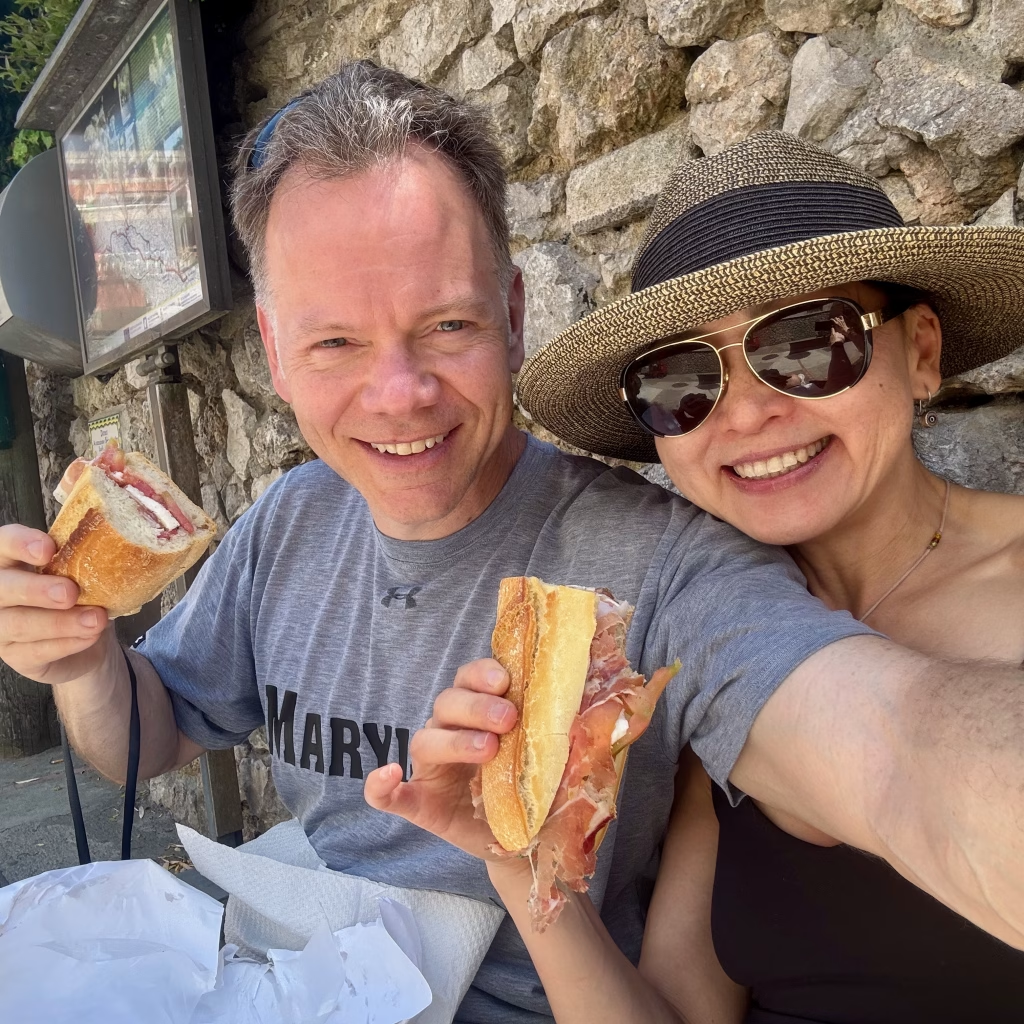
Option: If you need a quick bite or lunch stop before heading to Villa Lysis, check out Salumeria Barbone, a small local grocery store along the path. Their butcher counter makes fresh sandwiches to order—generous in size and very reasonably priced (about €7.50). We shared one panino with prosciutto, creamy mozzarella cheese, and fresh basil by the bench nearby, a very fun memory!
Villa Lysis
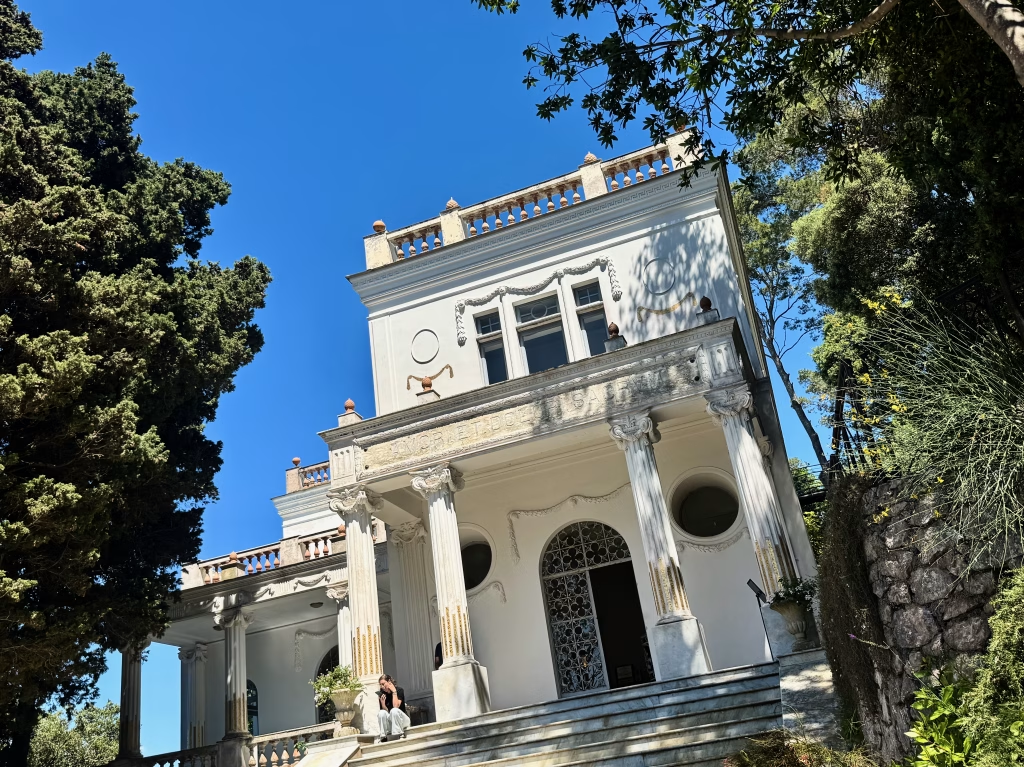
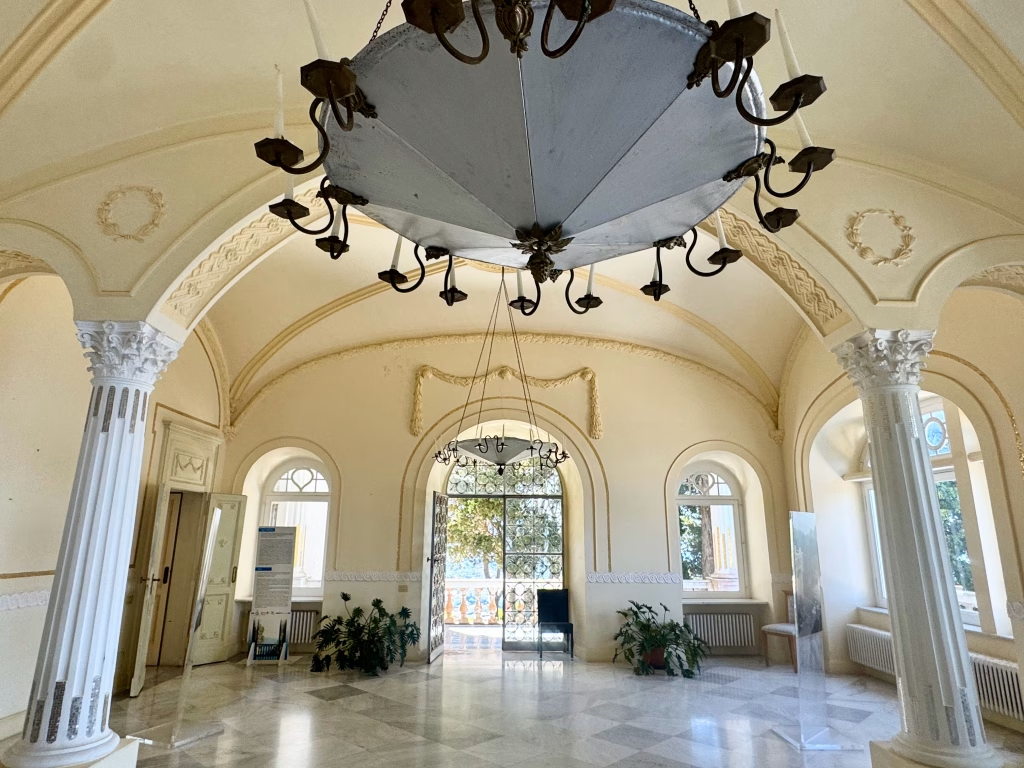
Sitting on a cliff overlooking the sea, Villa Lysis (D) is one of Capri’s most fascinating villas. Built in 1905 by French poet Jacques d’Adelswärd-Fersen, the villa is known for its opulent gardens, marble decor, and artistic atmosphere. It is named after Plato’s dialogue “Lysis,” which explores the nature of friendship and love, particularly homosexual love.
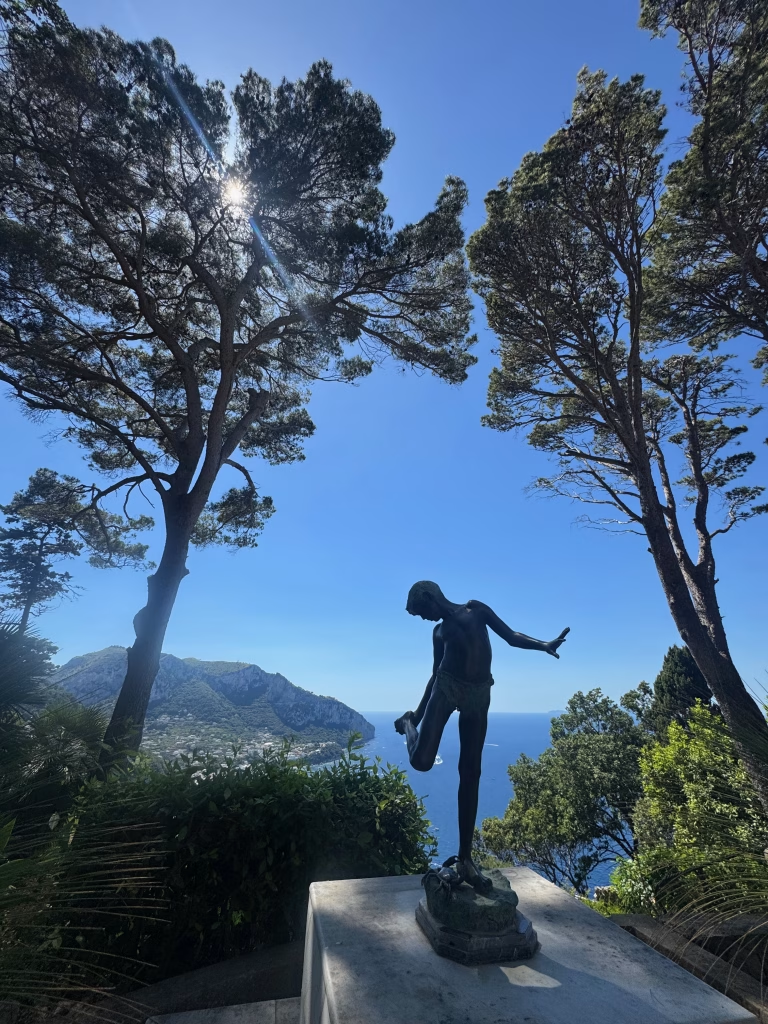
Jacques d’Adelswärd-Fersen (1880–1923) was a French aristocrat best known for his scandalous life and deep attachment to Capri. After facing disgrace in France over allegations of inappropriate relationships with young boys, he escaped to the island and built Villa Lysis as a private retreat. There, he lived in self-imposed exile with his long-term lover, Nino Cesarini, embracing a bohemian lifestyle filled with art and poetry. In 1923, he died at Villa Lysis, reportedly by suicide after consuming a cocktail of champagne and cocaine. It’s a haunting reminder that beauty and privilege can’t always heal a troubled soul.
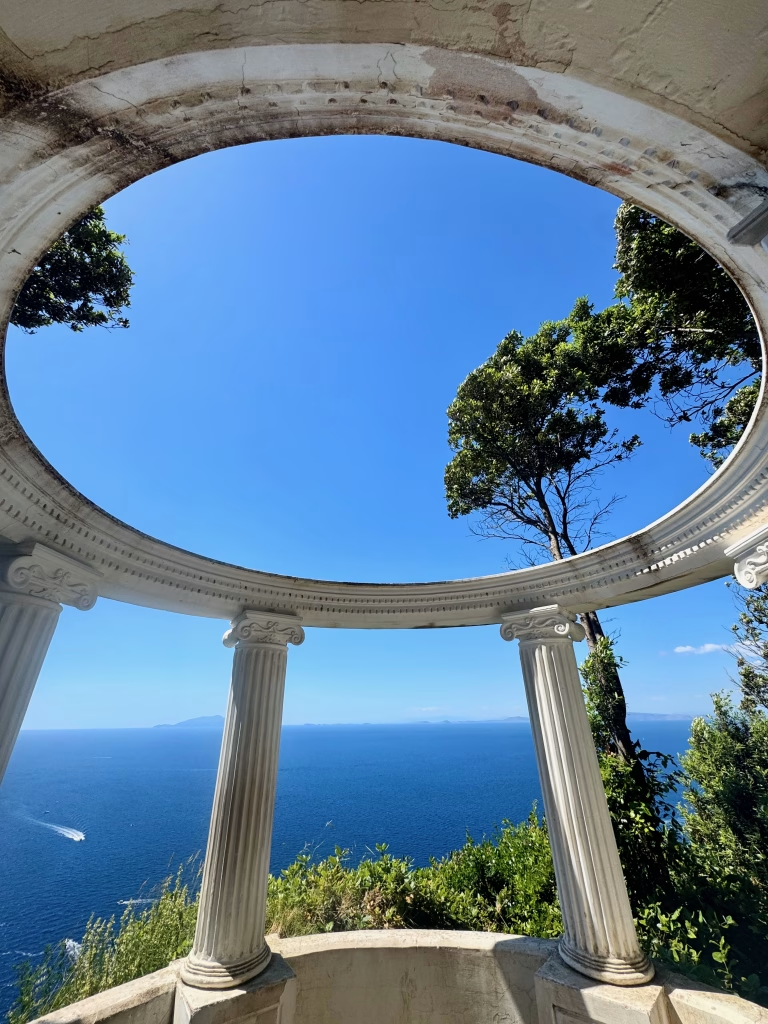
Villa Lysis has a mix of Art Nouveau and Neoclassical elements. Its façade is adorned with Ionic columns, and the entrance bears the Latin inscription “AMORI ET DOLORI SACRVM” (“A shrine to love and sorrow”). Expansive gardens surround the vialla, featuring a neoclassical circular temple with Ionic columns. A winding path leads directly to the sea, providing panoramic views of the Bay of Naples and Mount Tiberius. As of 2025, the entrance fee is 2.5 euro per person for full price. You could buy the ticket at the entrance.
Route 3: Gardens of Augustus, Via Krupp, Marina Piccola, and Boat Tour

This scenic route starts at the Gardens of Augustus, where you’ll enjoy sweeping views of the sea and the iconic Faraglioni rocks. From there, follow the winding path of Via Krupp, a historic stone walkway carved into the cliffs, leading you down to Marina Piccola. Here, you can relax by the pebble beach or grab a bite with a sea view. For an optional finale, hop on a boat tour to circle the island and see its caves, cliffs, and coastal beauty from the water.
- Capri Town Center Piazza Umberto I (A) to Gardens of Augustus (B): 700m, 10 minute walk.
- Gardens of Augustus (B) to Via Krupp (C): 850m, 15 minute walk.
- Via Krupp (C) to Marina Piccola Beach (D): 700m, 12 minute walk.
- Optional boat tour: 2-6 hours, depending on the arragement.
Gardens of Augustus
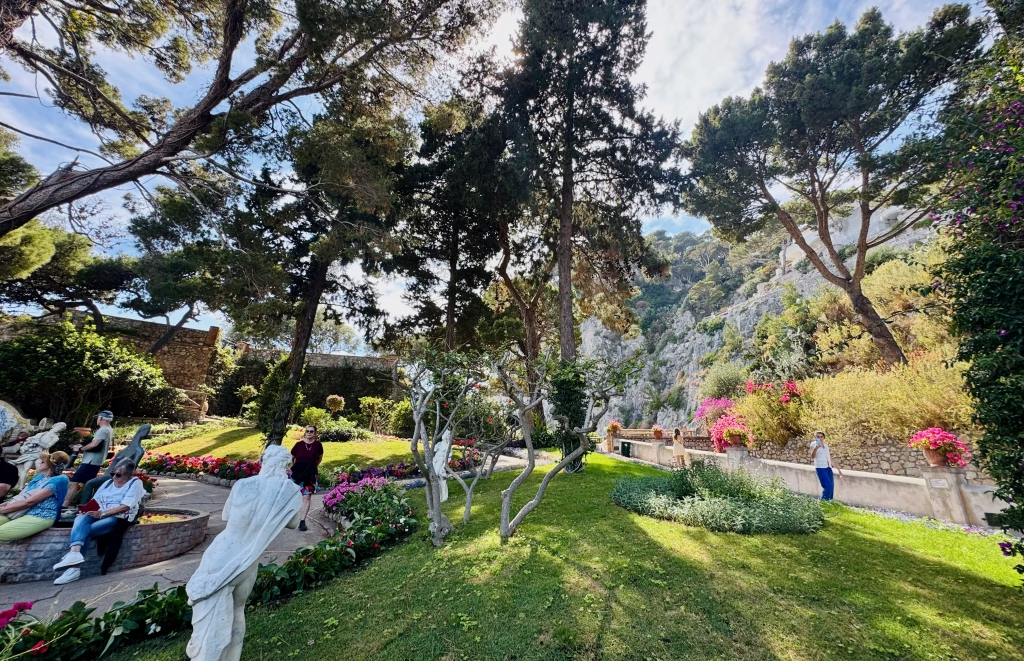
The Gardens of Augustus (B) (Giardini di Augusto) are lush botanical gardens perched on Capri’s southern cliffs, offering panoramic views of the Faraglioni Rocks, the winding Via Krupp, and Marina Piccola. Built in the early 20th century by Friedrich Alfred Krupp, these beautifully landscaped terraces are filled with colorful flowers, and native plants.
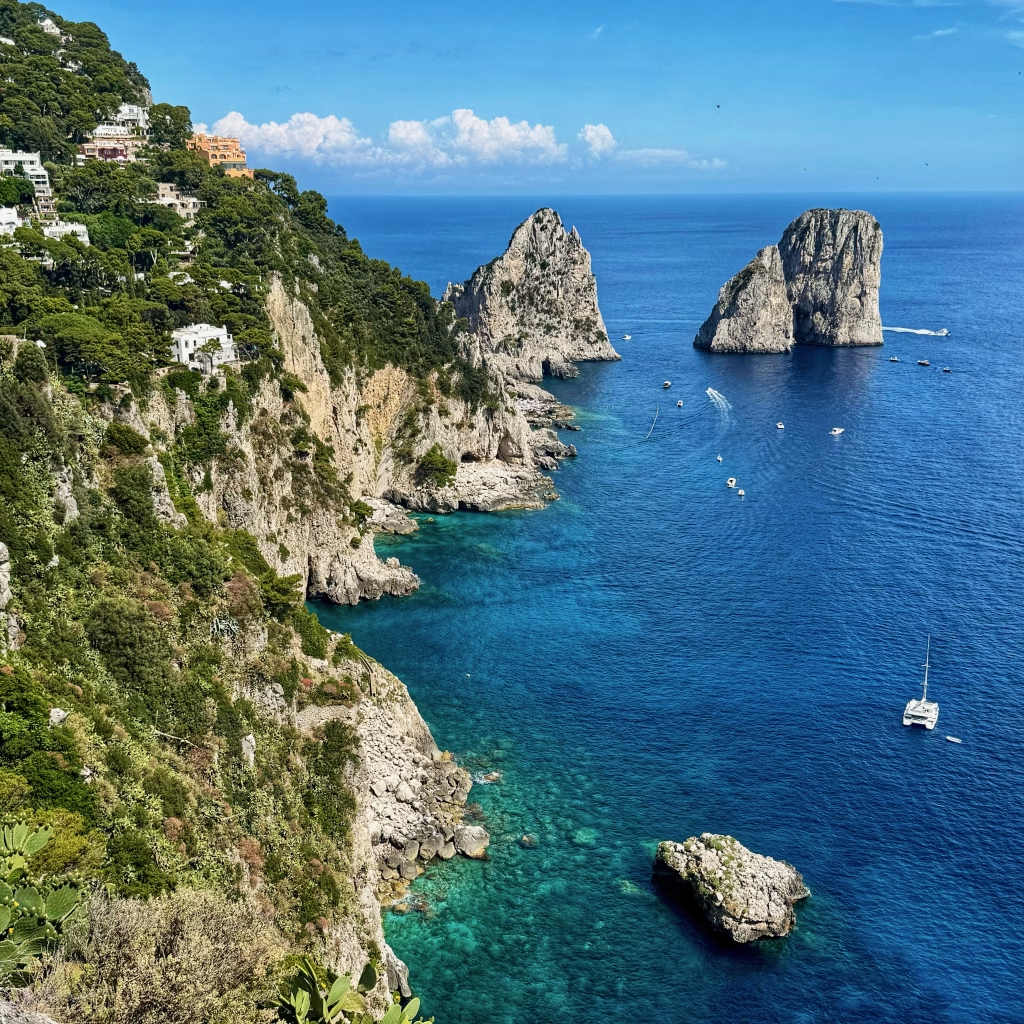
The Gardens of Augustus are easily reachable from Capri town. The gardens are open year-round, though the business hours change throughout the year. It usually opens from 9:00AM to 6:30PM. It’s advisable to check the latest timings before planning your visit. As of 2025, the entrance fee is €2.50 per person, with children aged 12 and under entering for free.
Option: Enjoy the incredible view of the Faraglioni rocks and sea with cocktail at the nearby Capri Rooftop Bar. Alternatively, have a cool break at Chiosco Tizzano di Natalia e Antonio Tizzano S.N.C, a charming lemon-themed kiosk offering refreshing lemon slush and gelato on the path!
Via Krupp
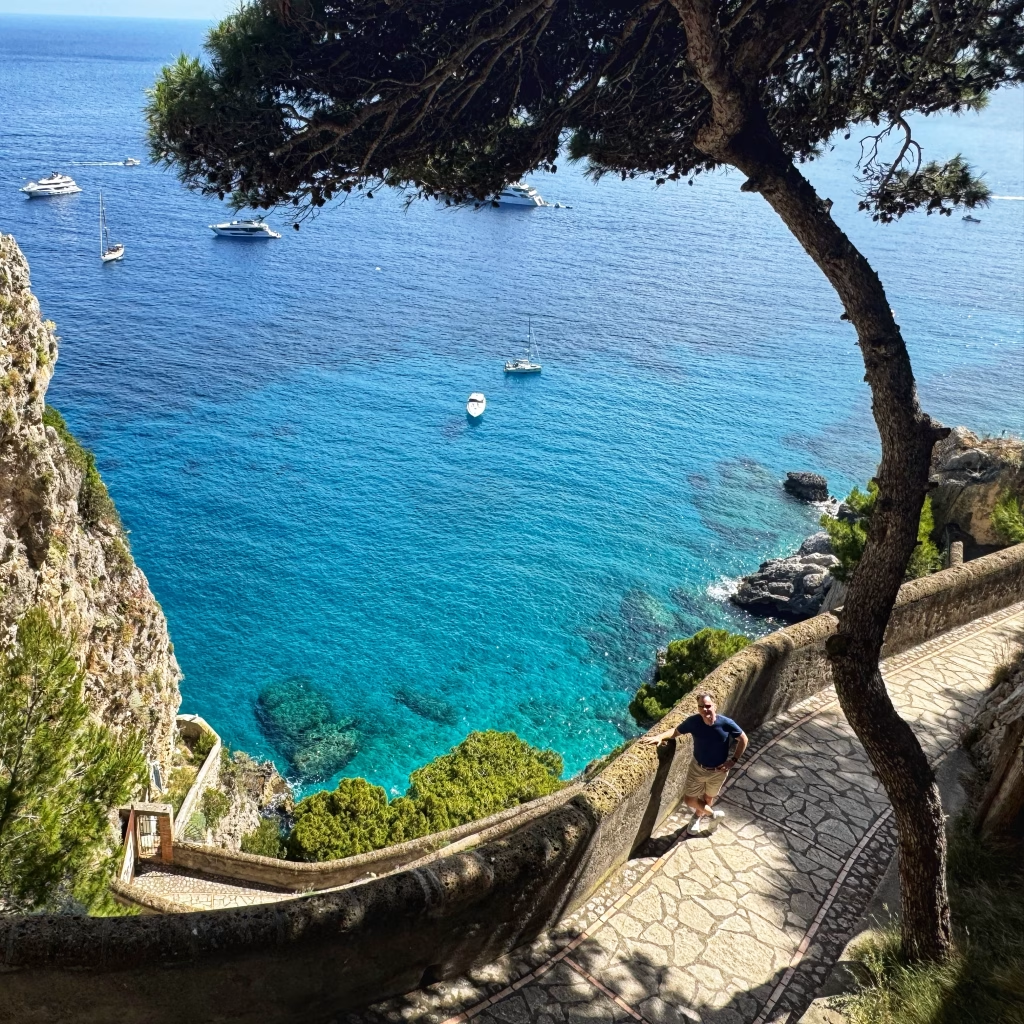
Via Krupp is a historic stone pathway that zigzags down Capri’s steep cliffs. Built in the early 1900s by Friedrich Alfred Krupp, the path features a series of bends carved into the rock face, connecting the Gardens of Augustus to Marina Piccola. Engineer Emilio Mayer designed these tight switchbacks to navigate the 100-meter drop between the two areas. The bends are so close together that they seem to overlap.
The Gardens of Augustus and Via Krupp are linked with Friedrich Alfred Krupp (1854–1902). He was a wealthy German industrialist and heir to the Krupp steel empire, one of the most powerful arms manufacturers in Europe at the time. He frequently visited Capri, and sometimes even spent several months of the year there. he loved the island so much that he helped build parts of it. However, his visits led to scandal when newspapers reported he had relationships with young men, which was illegal in Germany then. Soon after the story came out, he died in what many believe was suicide, likely caused by the shame and public pressure.
Marina Piccola
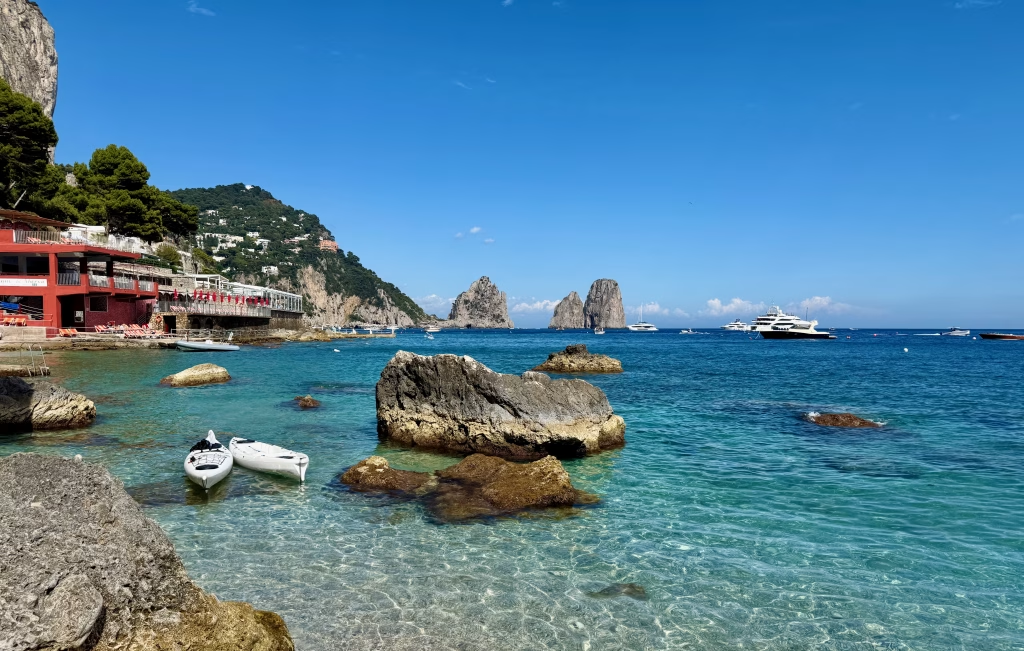
Marina Piccola is a charming little harbor on the southern coast of Capri, known for its calm turquoise waters and stunning views of the Faraglioni rocks. Sheltered by steep cliffs, it’s one of the warmest and sunniest spots on the island. Legend has it that this is where where the sirens tried to lure Odysseus with their songs.
Marina Piccola has pebble beaches for swimming and sunbathing. Most people hang out in the free public areas like Spiaggia di Marina Piccola. Alternatively, you can lounge out on the scenic deck at the beach clubs such as La Canzone del Mare. Bring water shoes—those smooth pebbles can be tough on bare feet!
Boat Tour around the Island
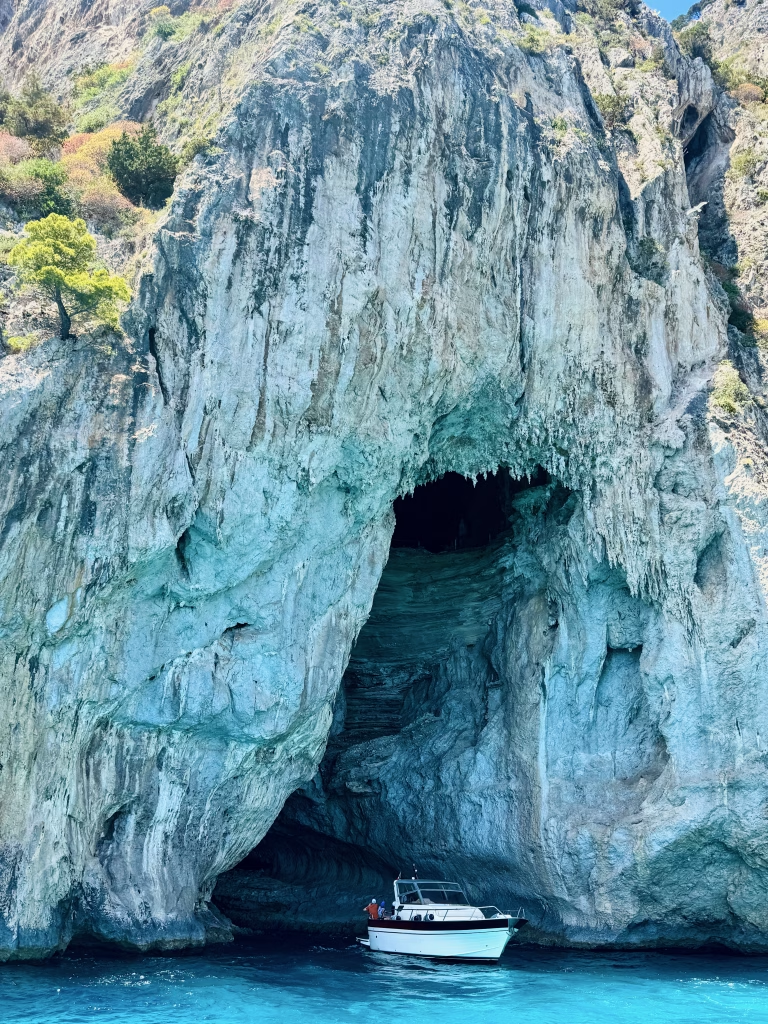
Marina Piccola is the boarding area for most boat tours around Capri. Taking a boat tour is one of the best ways to see Capri. From the water, you’ll get stunning views of the island’s cliffs, hidden coves, sea caves, and famous landmarks like the Faraglioni rocks and the Blue Grotto if the weather permits. It’s relaxing, scenic, and gives you a whole new perspective of the island’s natural beauty.
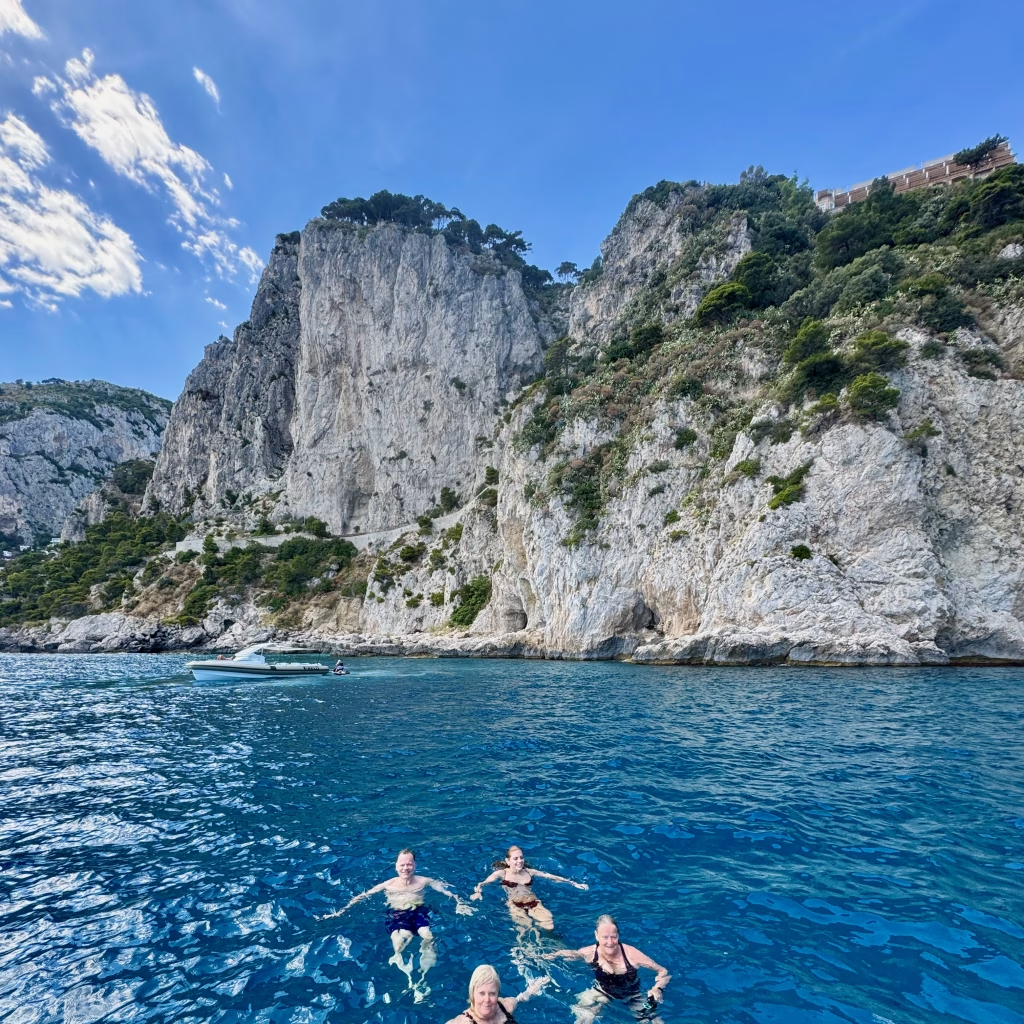
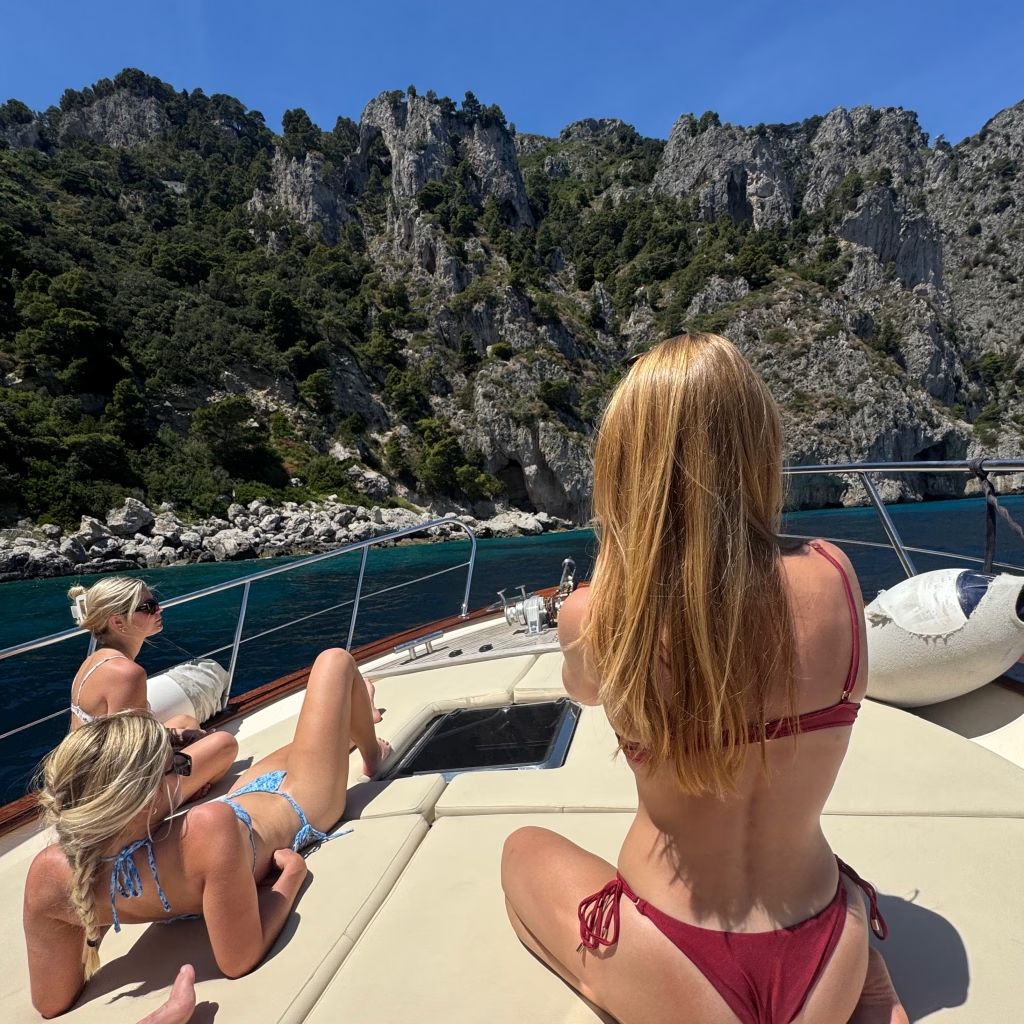
We enjoyed renting a private boat with Capri Blue Boats, which came with a captain, beach towels, drinks, as well as snorkeling gears. During the tour, we sunbathed on the deck and swam in the crystal water of the Mediterranean sea. It is one of the highlights of our Capri trip.
Route 4: Phoenician Steps, Anacapri, Villa San Michele, and Monte Solaro

This route begins in Capri town and leads up the Phoenician Steps, a historic staircase of over 900 stone steps connecting to Anacapri. At the top, enjoy the view at Vista panoramica (B) and explore Anacapri (C)’s quiet charm and Villa San Michele before riding the chairlift to Monte Solaro (D), the island’s highest point, for stunning panoramic views. Adventurous travelers can hike down through scenic trails, while others may opt for a bus or taxi to Anacapri and ride the chair lift both ways.
- Capri Town Center Piazza Umberto I (A) to Anacapri (C): via Phoenician Steps, 2km, 40 minute to 1 hour walk. Alternatively, take a bus or taxi, 15-30 minutes, depending on the traffic and crowds.
- Chairlift to Monte Solaro (D): 12 minutes one way. Alternatively, hike the scenic trail up or back, 1.3km one way, 20 to 30 minutes.
Phoenician Steps
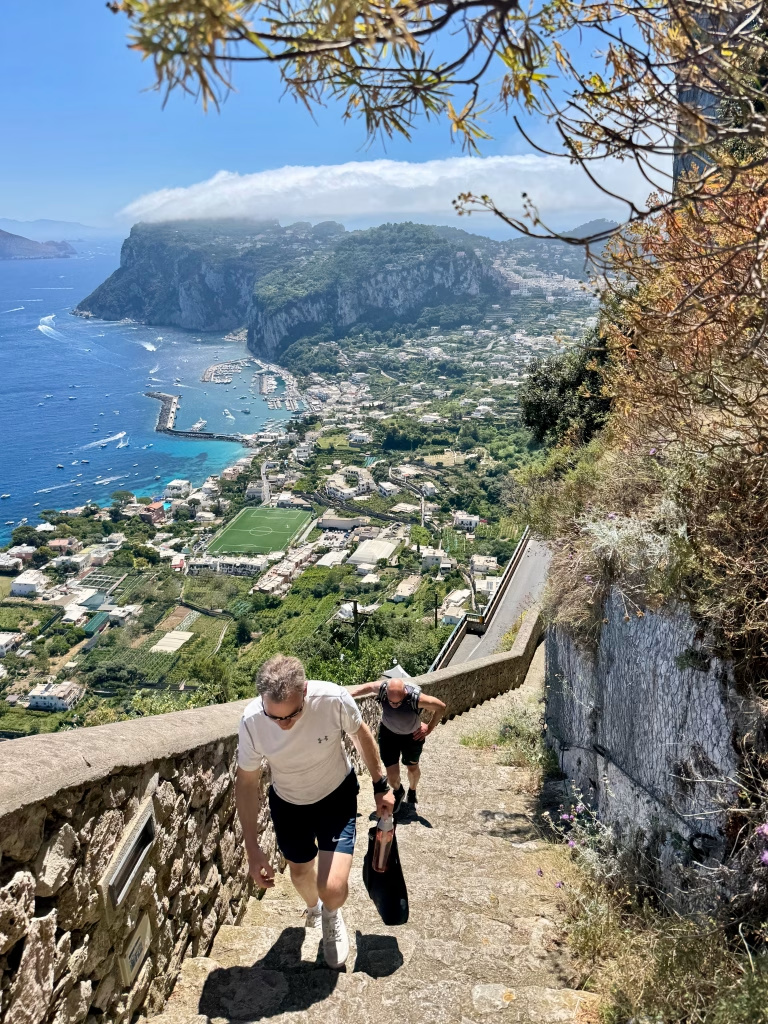
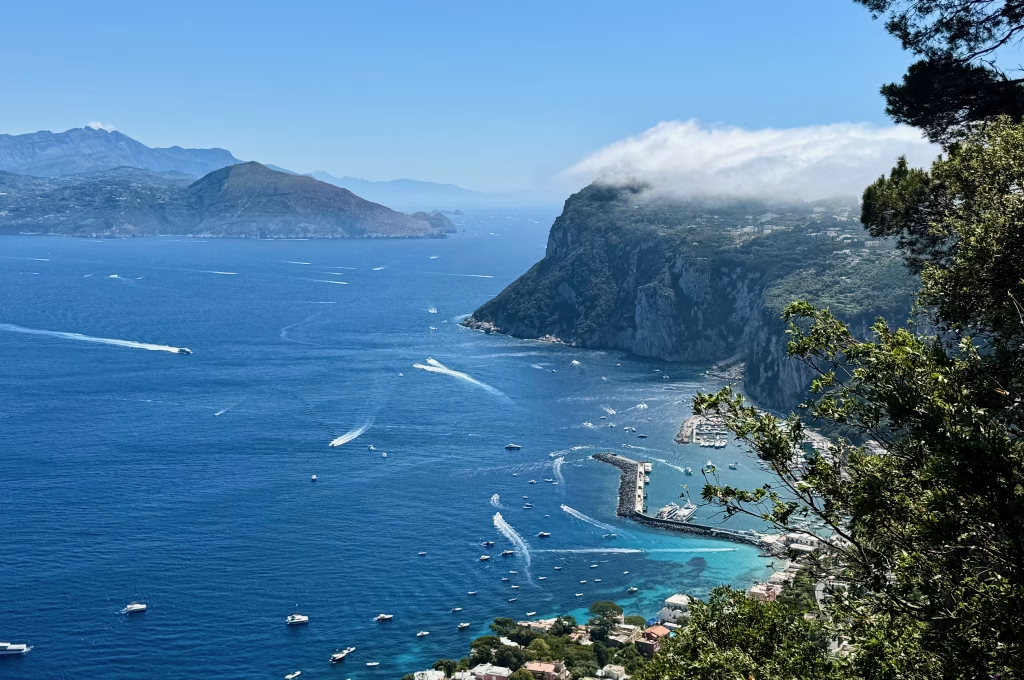
The historic stairs connecting Capri to Anacapri are called the Phoenician Steps (Scala Fenicia). Despite the name, they were likely built by ancient Greek settlers, instead of Phoenicians as the name suggests. The steep stone staircase has over 900 steps and offers stunning views as it climbs from Marina Grande to Anacapri.
Anacapri
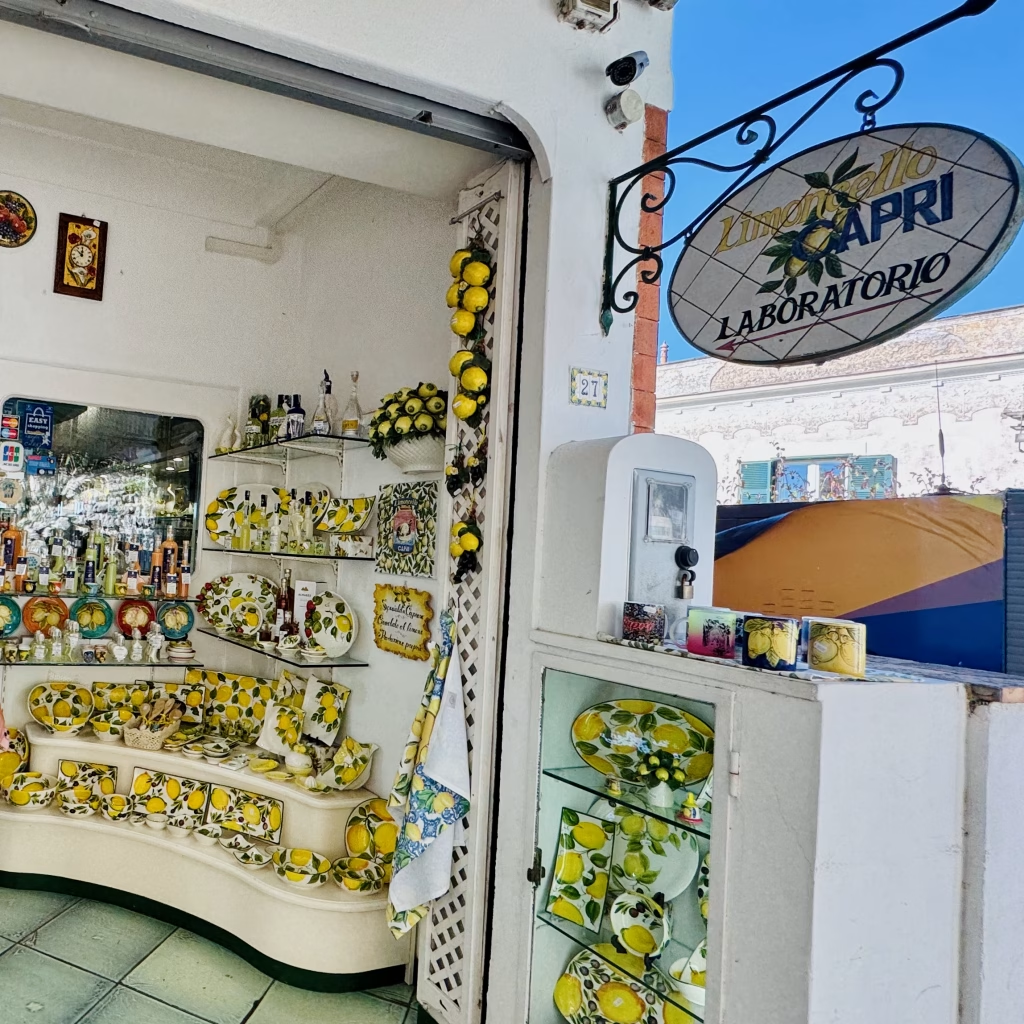
Perched high above sea level, Anacapri is the quieter, more serene side of the island. With its slower pace and panoramic views, it offers a peaceful contrast to the bustling energy of Capri town.
Anacapri is a great place to pick up souvenirs to bring back home, such as Limoncello—the region’s most iconic liqueur. It is made by steeping lemon zest in alcohol, then mixing it with sugar syrup. What makes Capri’s version so special is the use of the Ovale di Sorrento lemon, a variety grown on the island and the nearby Sorrento Peninsula. These lemons are known for their thick, aromatic peels and intense citrus flavor.
Option: Need to refuel? Take a break at Sciue’ Sciue‘, our favorite lunch spot in Anacapri. It is a beloved local gem known for its fresh homemade pasta, authentic Italian cuisine, warm hospitality, and surprisingly reasonable prices given its prime location. I love its lemon pizza, totally unexpected yet delicious and flavorful. Pat considered Sciue Sciue pasta the best pasta he had during this trip.
Villa San Michele
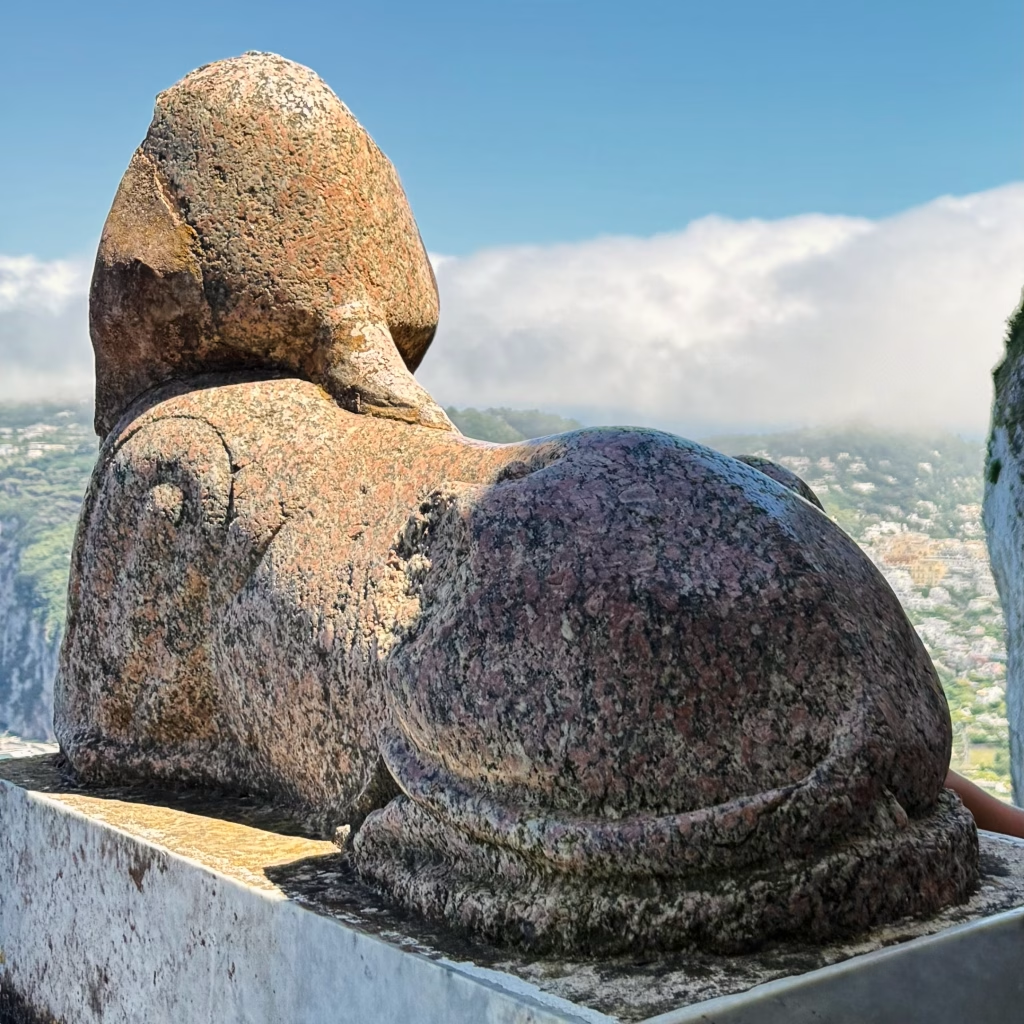
One of its highlights in Anacapri is Villa San Michele, a beautiful house and garden built by Swedish doctor and writer Axel Munthe on the ruins of a Roman emperor Tiberius’ estate. The villa offers breathtaking views of the Bay of Naples.
Axel Munthe (1857–1949) was a Swedish physician, writer, and philanthropist. He is best known for The Story of San Michele,, a best-selling memoir first published in 1929. The book recounts his life and experiences building the villa, with reflections on medicine, nature, and his deep compassion for animals. Munthe served as a physician to royalty, including Queen Victoria of Sweden, and was known for treating the poor free of charge.
Today, Villa San Michele is a museum open to the public. It features Roman, Etruscan, and Egyptian artifacts collected by Munthe, classic sculptures—including a famous sphinx overlooking the sea—original furnishings, artwork, and personal belongings. Its lush gardens are considered among the most beautiful in Italy. Admission is €12 for adults and €8 for students and youth.
Monte Solaro
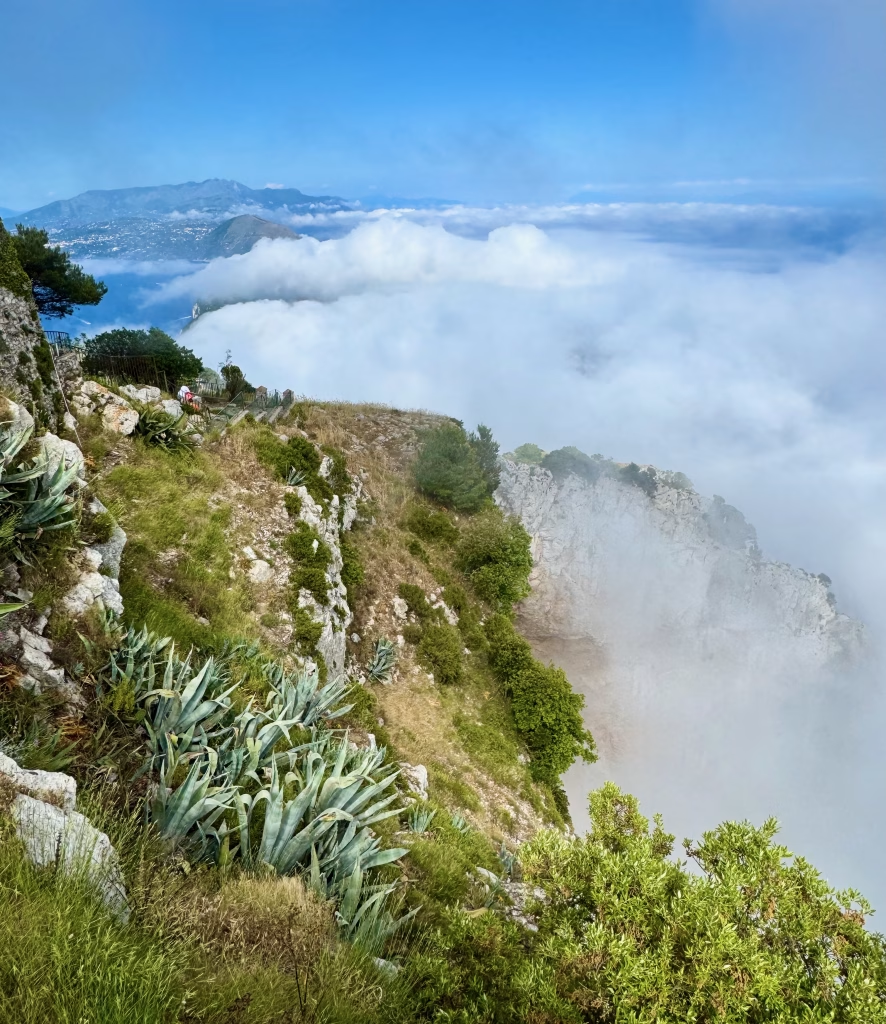
Monte Solaro is the highest point on the island of Capri, soaring 589 meters (1,932 feet) above sea level. From the top, you get stunning 360-degree views of the island, the Bay of Naples, and even the Amalfi Coast on a clear day.
The easiest and most popular way to reach the summit is taking a scenic 12-minute chairlift ride from Anacapri (14 euros for round trip, and 11 euros for one way trip). Alternatively, you can do what we did, taking the chairlift up, and hiking down through peaceful trails.
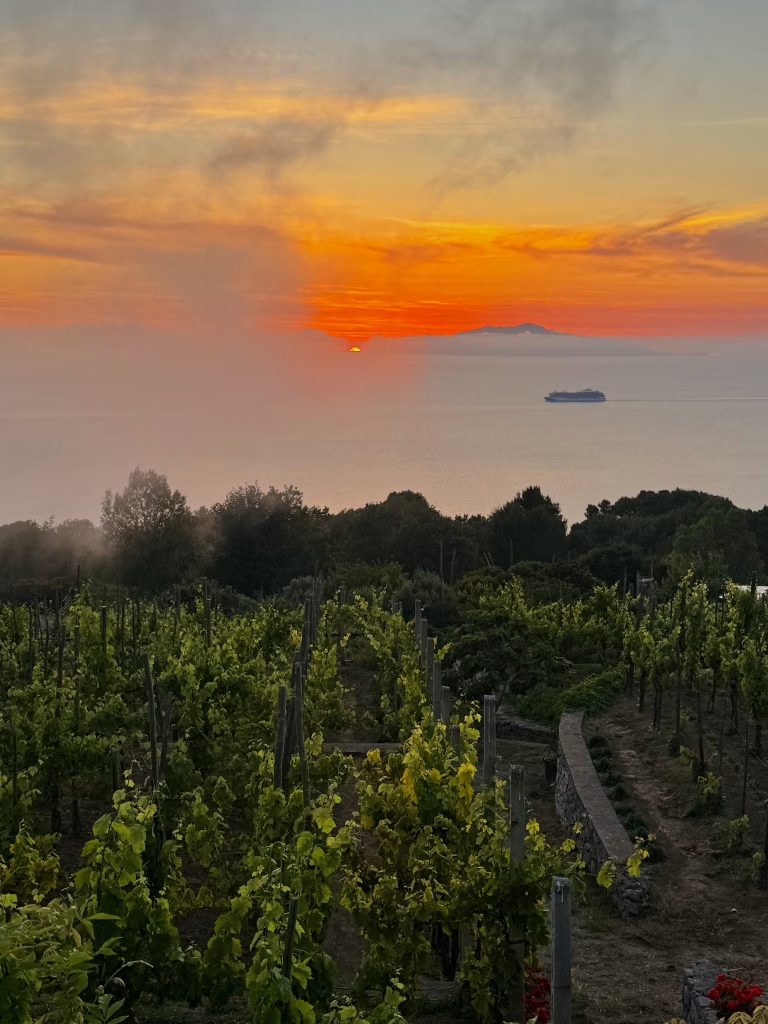
Option: Enjoy the sunset dinner at Da Gelsomina, a beloved family-run restaurant tucked away in the hills of Anacapri. It is known for its peaceful setting, traditional Caprese dishes, and sweeping views of the sea and vineyards.
Da Gelsomina serves traditional dishes like ravioli capresi and pollo al mattone (chicken roasted under a brick in a wood-fired oven), with ingredients from its own garden and vineyard. This is our second favorite restaurant on Capri island. The restaurant can arrange the free pickup from and drop off at the Piazza Vittoria in Anacapri.
Route 5: Blue Grotto, forts, and Punta Carena Lighthouse

This scenic hiking route begins near the Blue Grotto (Grotta Azzurra). From there, follow the coastal trail, Sentiero dei Fortini (Path of the Forts). Along the way, you’ll pass historic forts (fortini), including Fort Pino and Fort Orrico, once used for coastal defense. The trail continues with beautiful sea views and ends at Punta Carena Lighthouse, a great place to relax and watch the sunset.
This route is about 6 km (nearly 4 miles). It typically takes 2 to 3 hours, depending on your pace and how often you stop to enjoy the views or explore the old forts. The trail is moderately challenging with some rocky sections with limited shade, so wear sturdy shoes, and bring water, snacks, and sunscreen.
You can start from the Blue Grotto to the Punta Carena Lighthouse, as we did, or go the opposite way from the lighthouse up. Local buses connect both ends to Anacapri town.
Blue Grotto
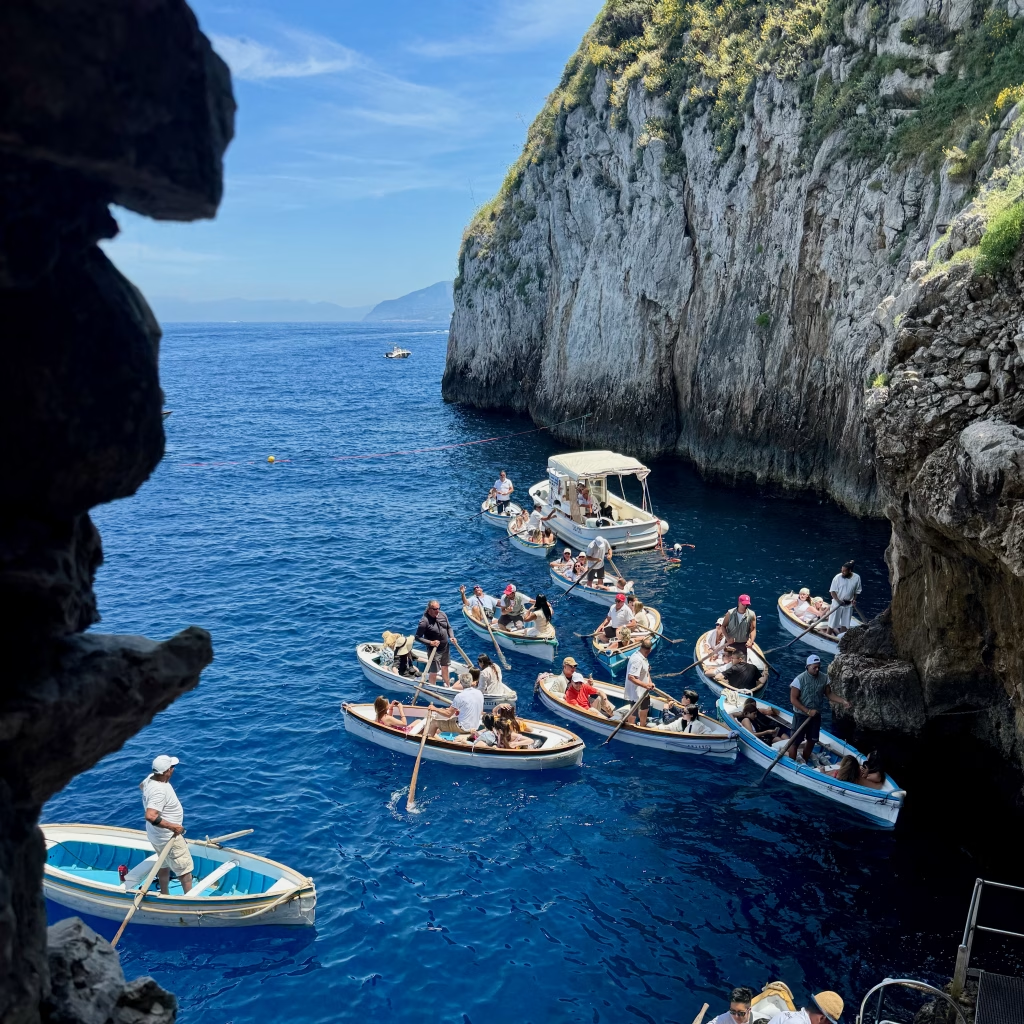
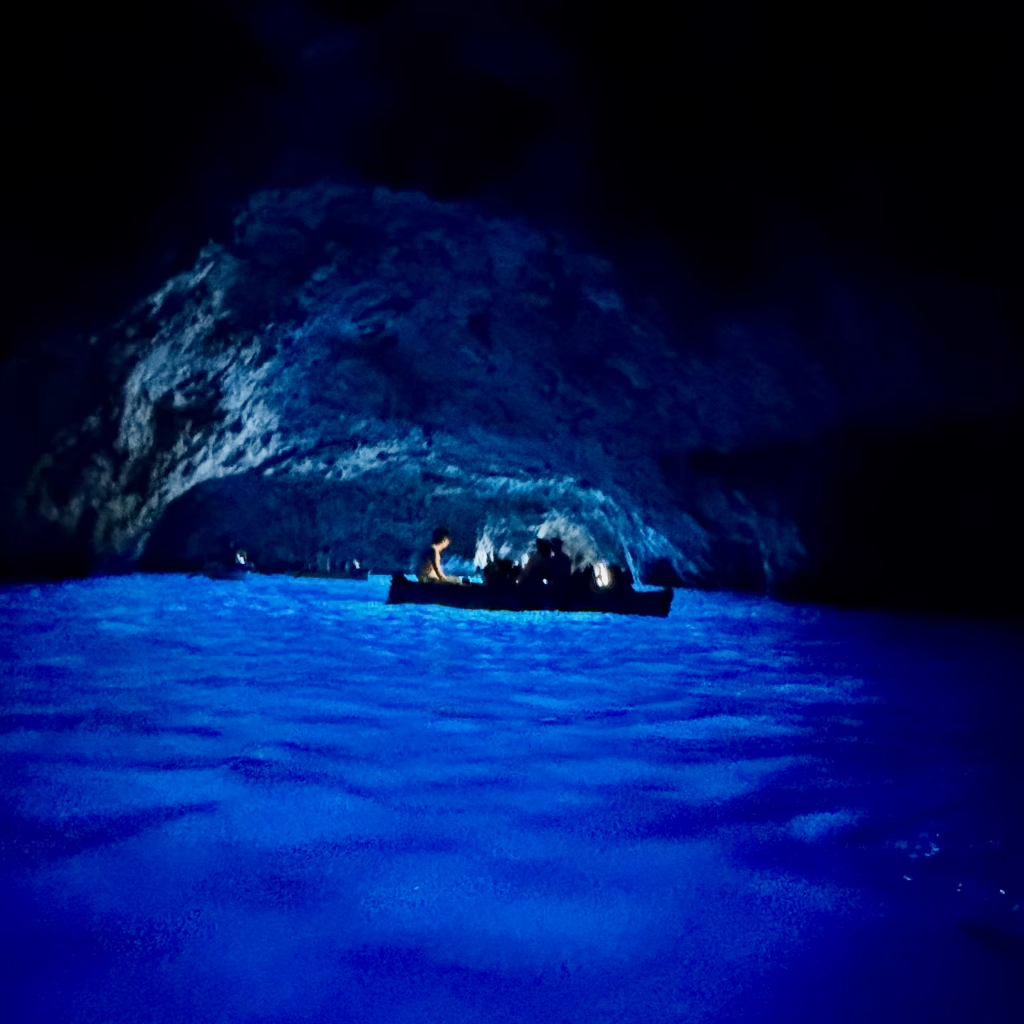
The Blue Grotto (Grotta Azzurra) is Capri’s most famous sea cave, known for its surreal, glowing blue water. The best time to visit the Blue Grotto is late morning to early afternoon (around 11 AM to 1 PM). During this time, the sun is high, and its rays shine directly into the cave through an underwater opening. The sunlight reflects off the limestone, making the water glow with that famous, magical blue.
Visitors can enter the grotto on small rowboats, lying back as they pass through the low, narrow entrance. The Blue Grotto can only be accessed when the sea is calm—if the waves are too high, the small entrance becomes dangerous. It’s often closed to visitors due to weather or waves. During our week in Capri, it was only open on our last day when the conditions were finally right.
When it is open, expect long lines—we waited nearly an hour to get in. The actual visit inside the cave is short, about 10–15 minutes, and costs €18 per person (you can buy the ticket right before entering the cave). So if you miss the Blue Grotto, don’t feel too bad—it’s a common experience for many travelers.
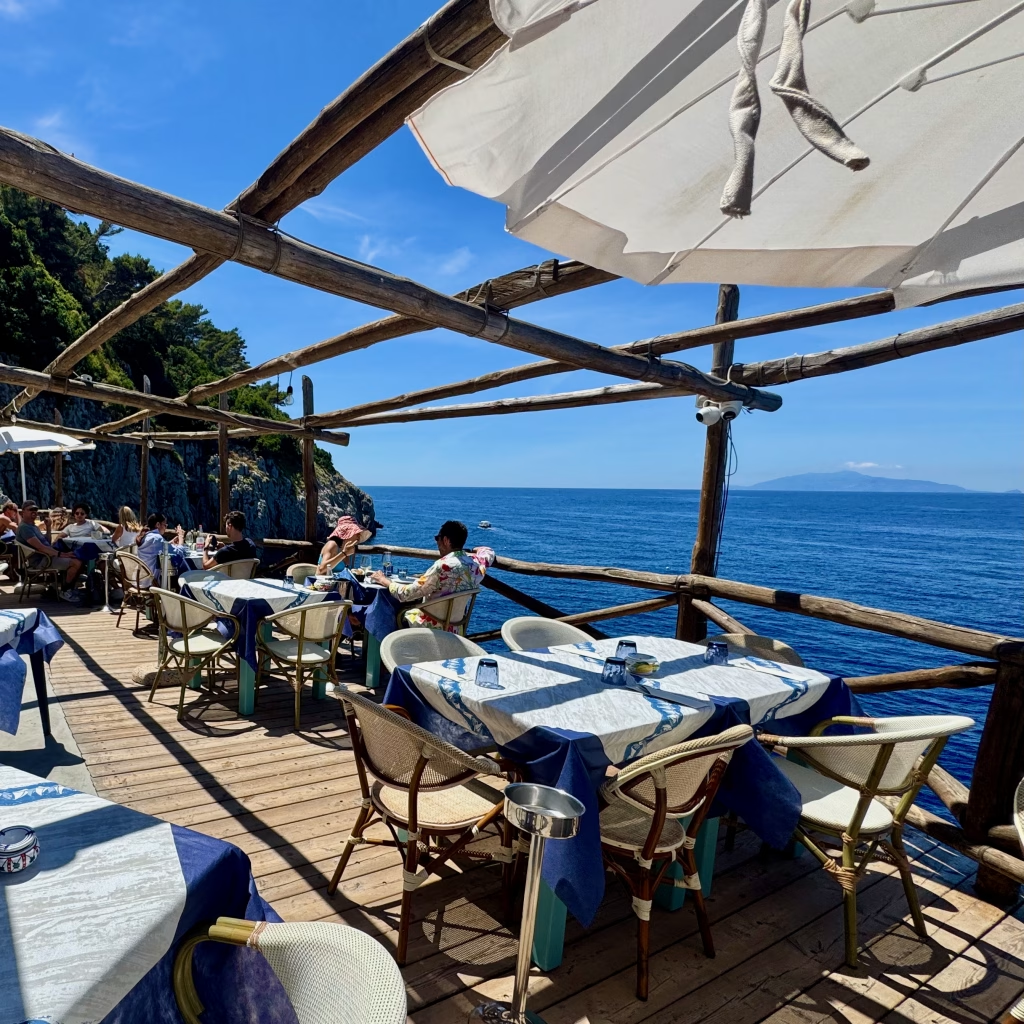
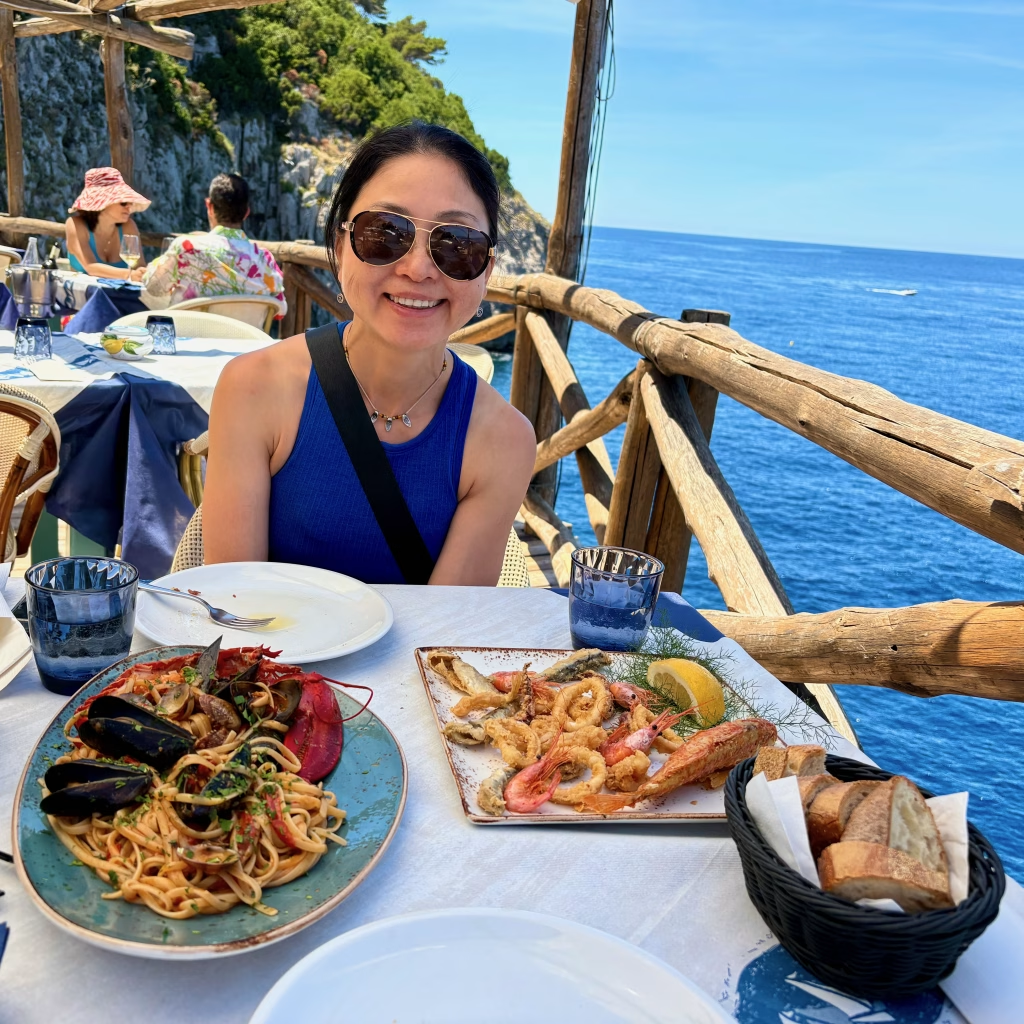
Option: Need to fuel up before the 3-hour hike? Near the Blue Grotto, you’ll find several dining spots. We chose Gradola for a casual lunch with a view. Overlooking the sea, it served some of the freshest seafood we had on the island. The seafood pasta with lobster was unforgettable—the sauce alone was worth the trip.
Path of the Forts
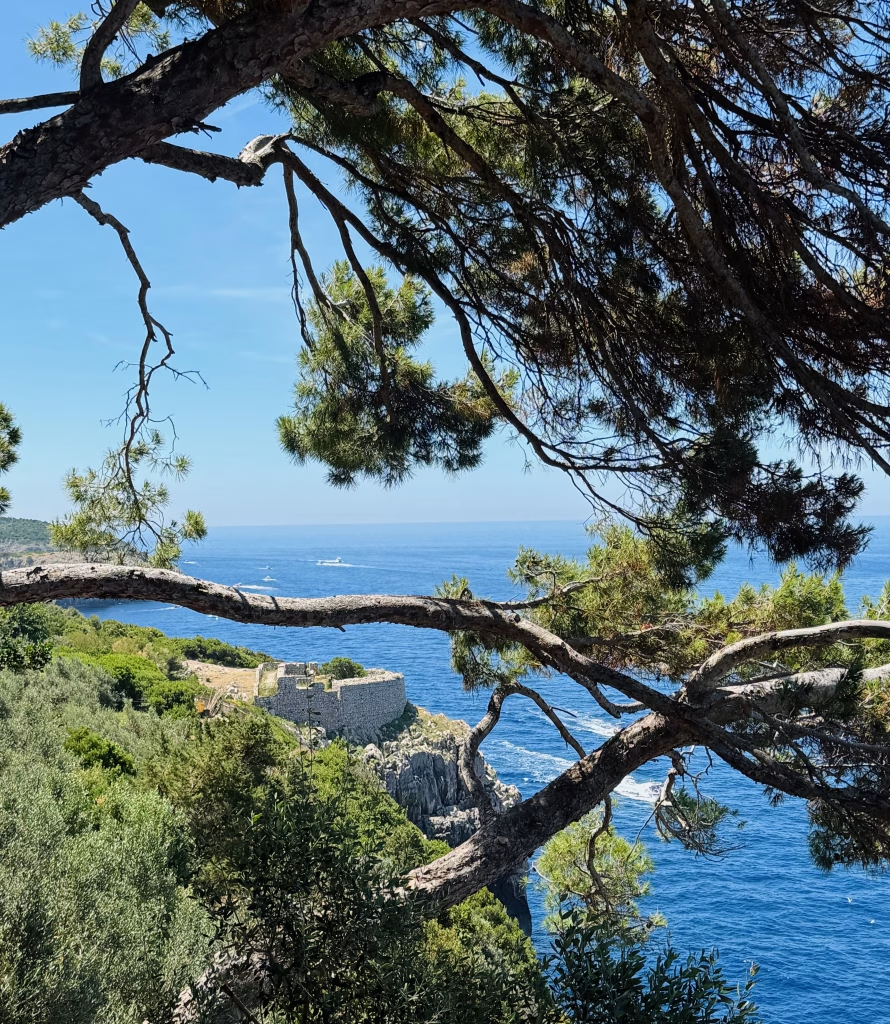
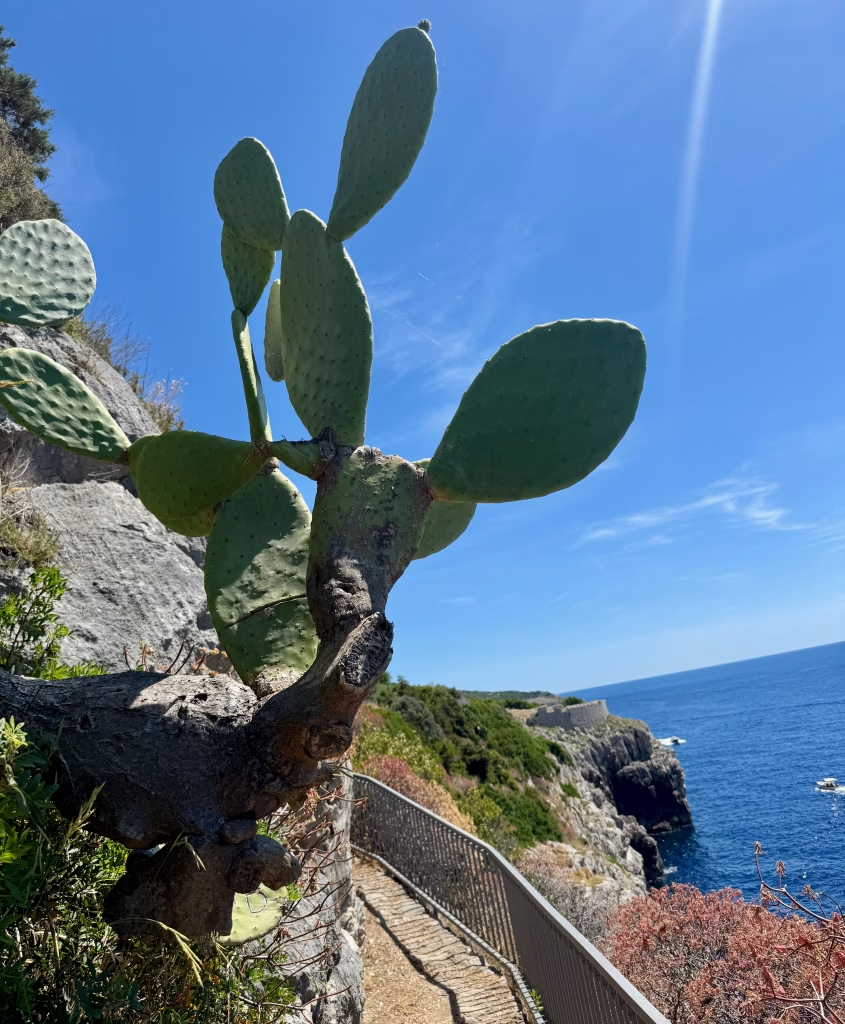
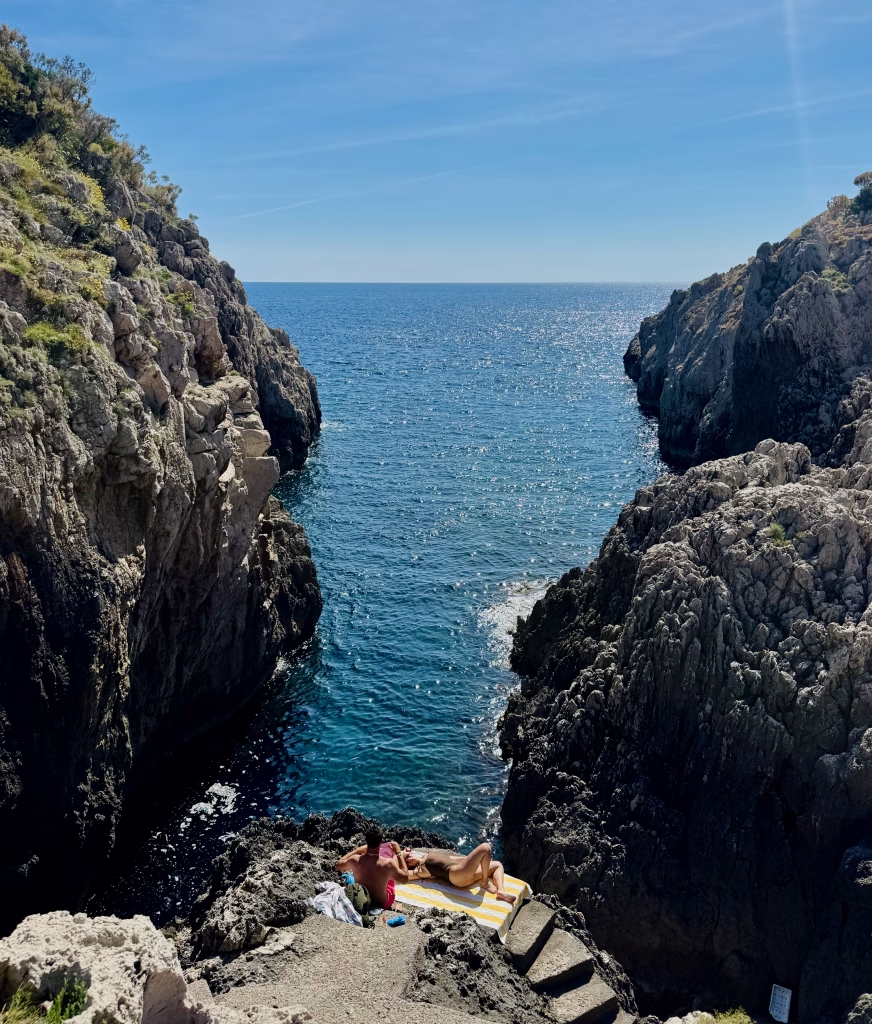
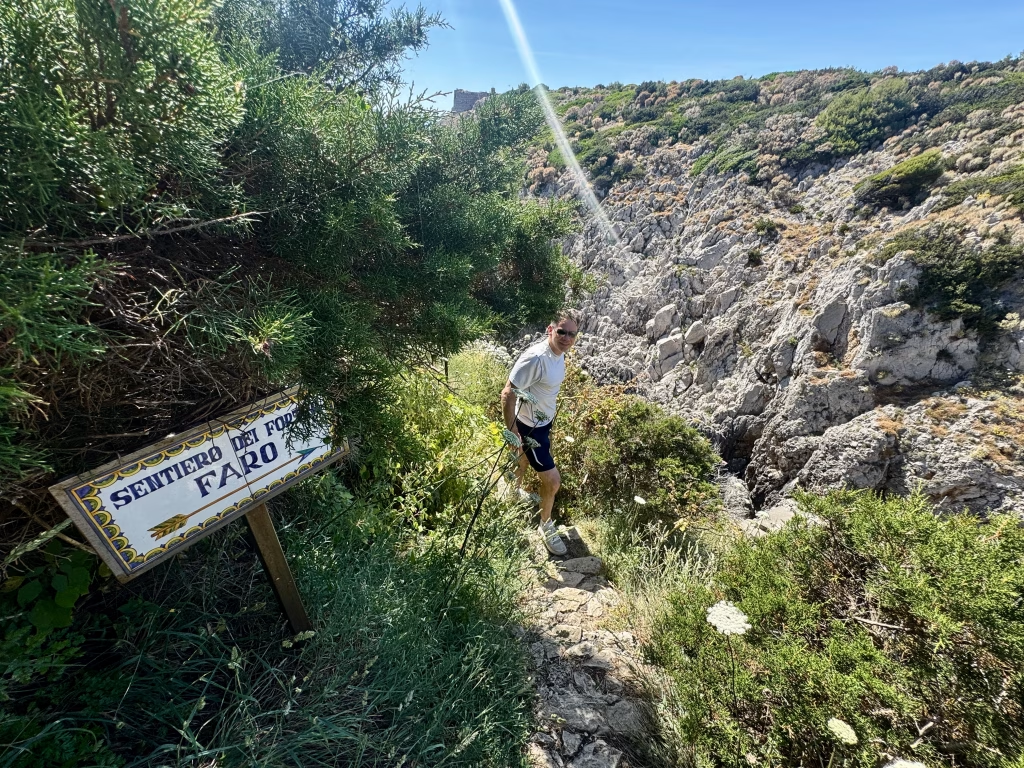
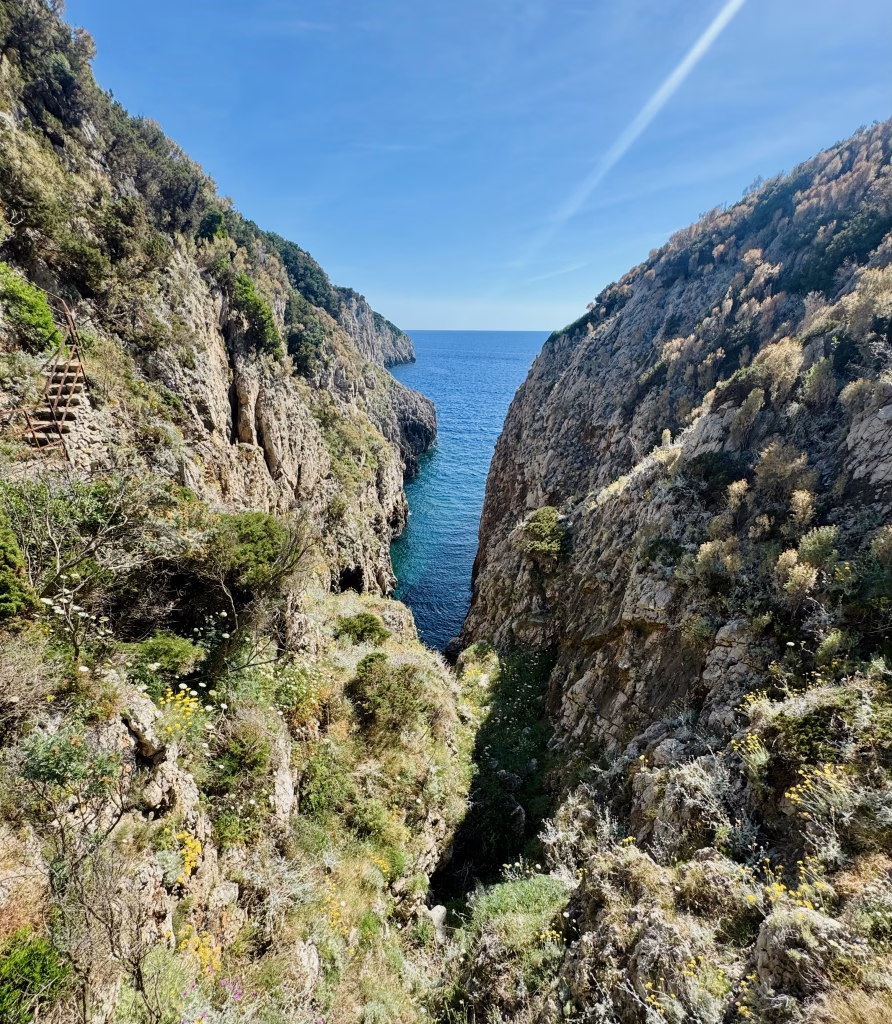
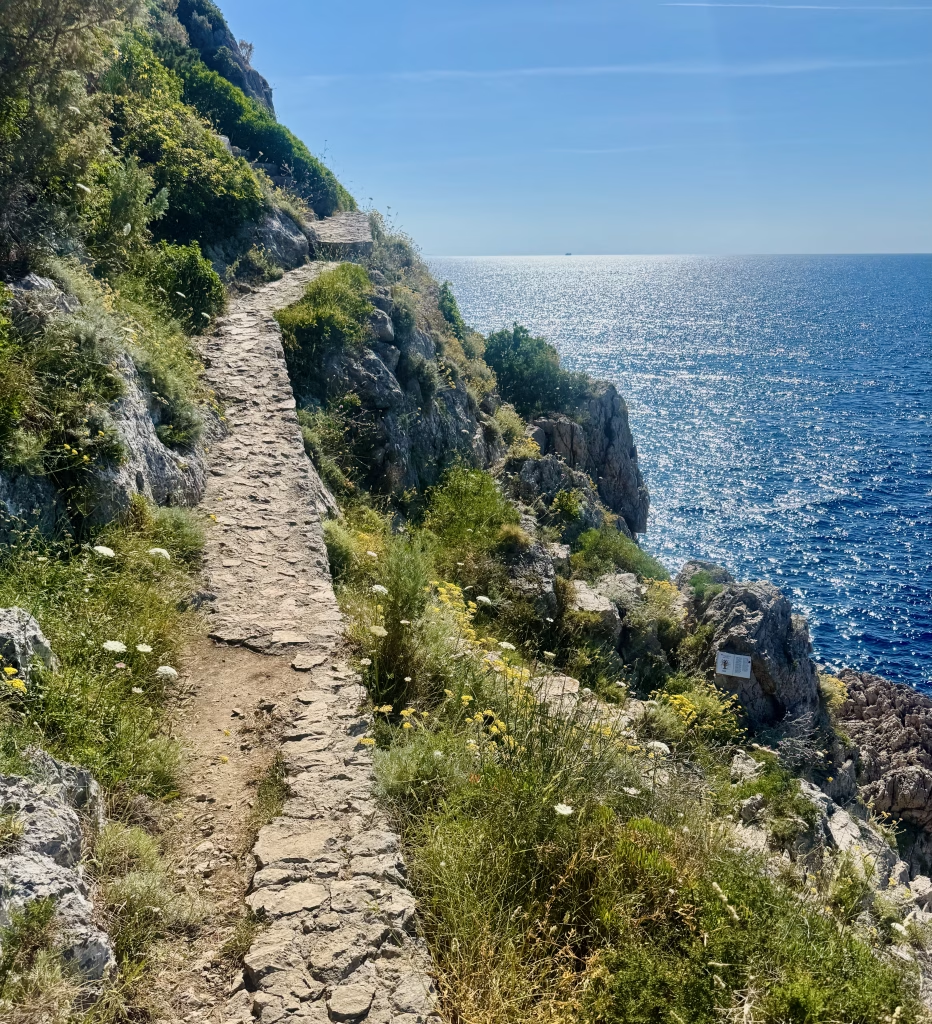
Sentiero dei Fortini (Path of the Forts), a scenic hiking trail, connects three historic forts: Fortino di Orrico, Fortino di Mesola, and Fortino di Pino. These small stone fortresses were built in the early 1800s by the English during their brief occupation of the island. Later, they were used by the French during the Napoleonic Wars. Each fort was strategically placed to defend the island from naval attacks, offering clear views over the sea. Today, they stand as quiet ruins along the coastal path, surrounded by wild vegetation and stunning views.
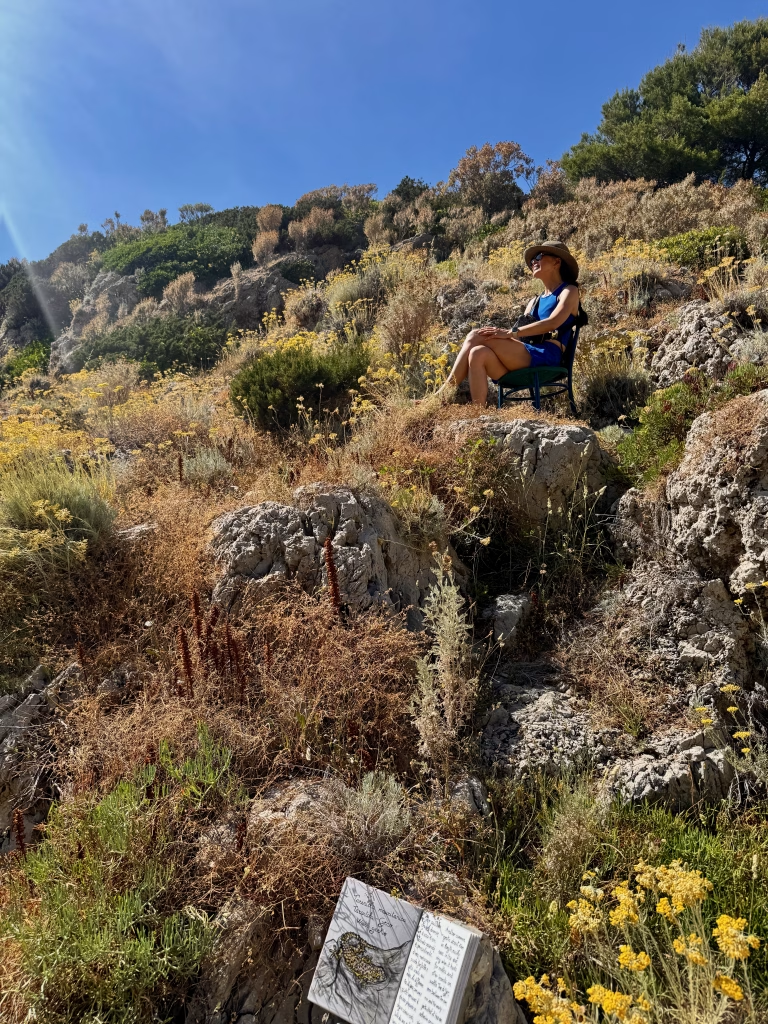
Along the Sentiero dei Fortini in Anacapri, you’ll encounter over 200 ceramic “books” or tiles created by local artist Sergio Rubino. These beautifully crafted titles are installed along the trail between the forts and Punta Carena. Each tile shares information on the island’s history, geology, plants, and animals. They are part of Europe’s first open‑air ecomuseum.
Punta Carena Lighthouse
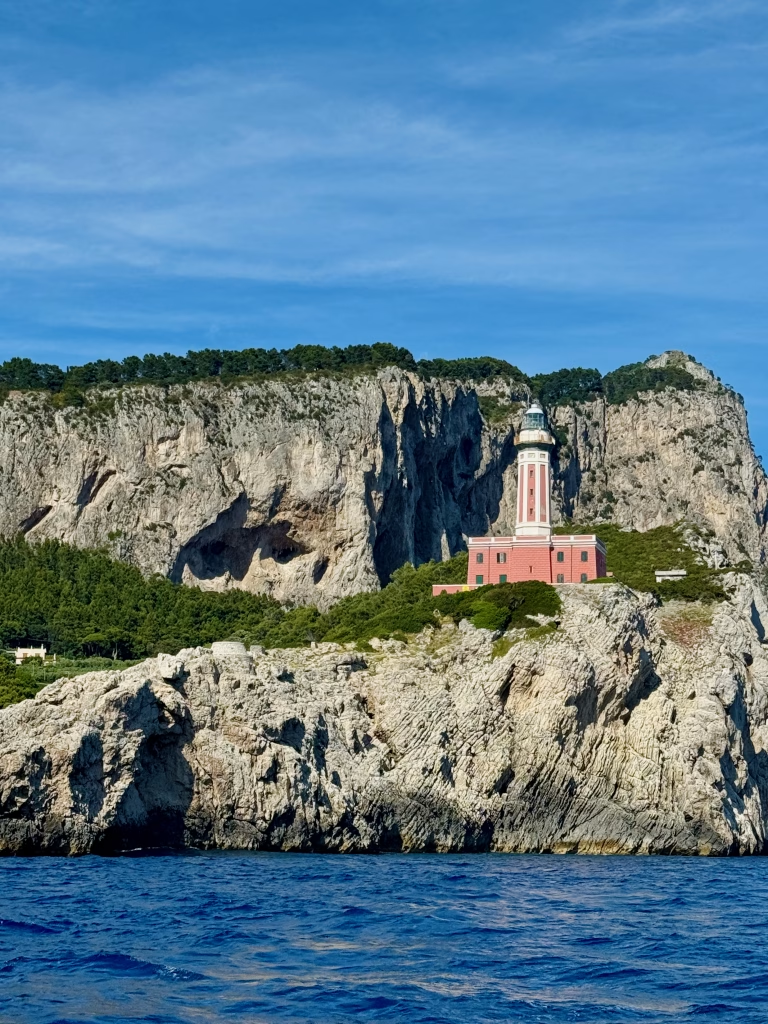
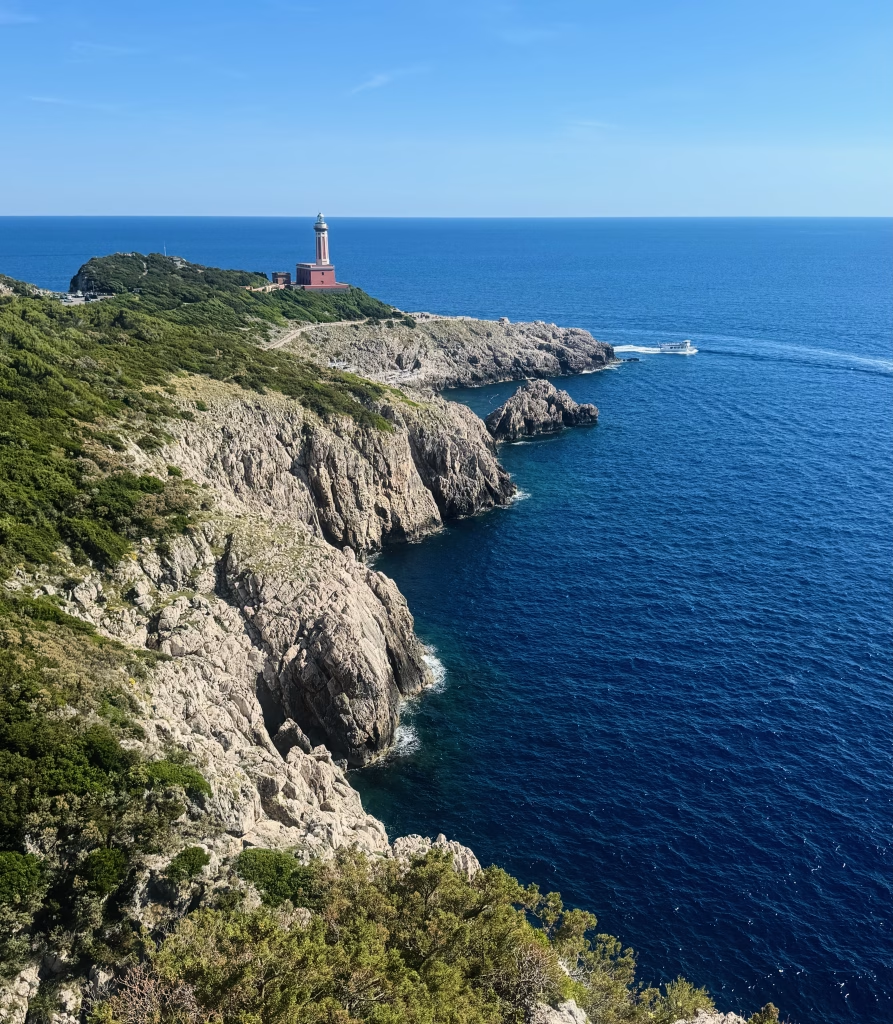
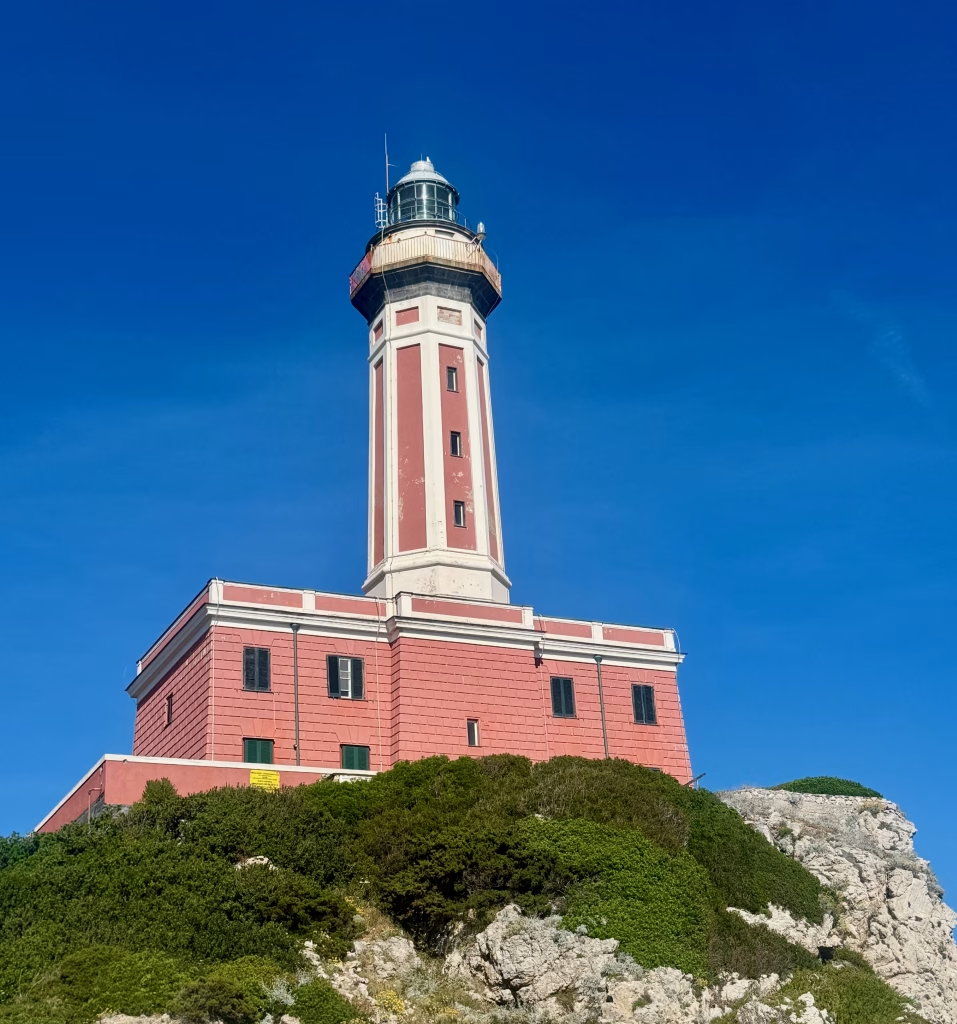
Punta Carena Lighthouse is one of the oldest and most important lighthouses in Italy. It was built in 1866, and still operational today, guiding ships navigating the Tyrrhenian Sea.
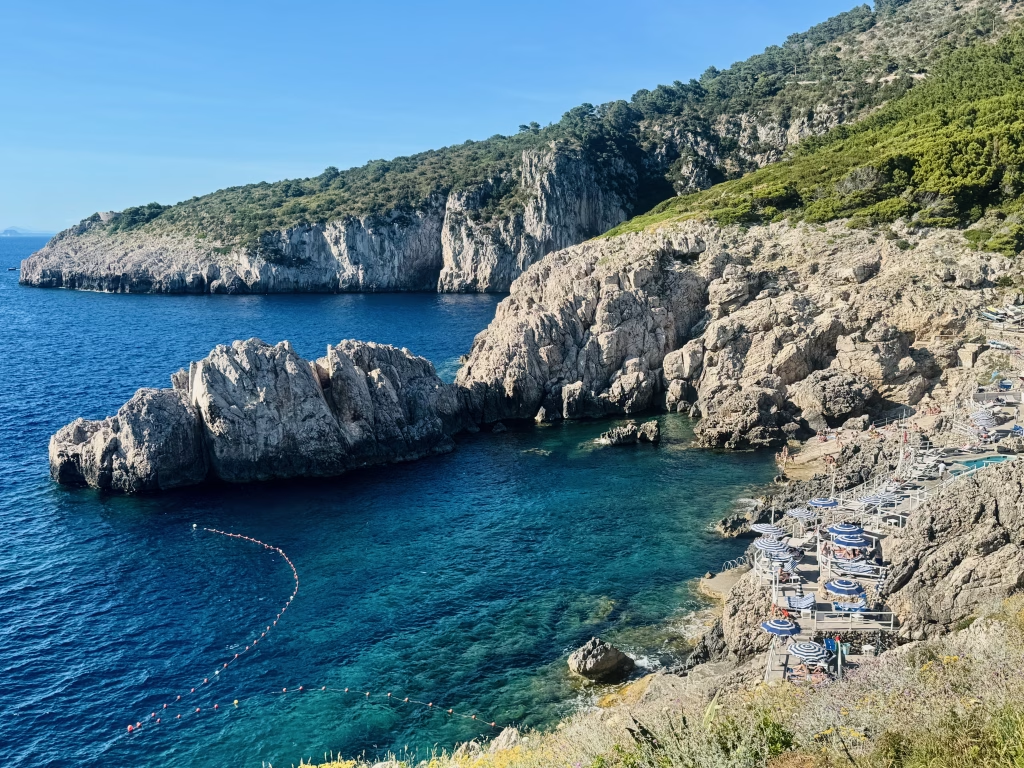
The area around the lighthouse is a favorite local swimming spot. Rocky platforms are perfect for sunbathing and clear waters are ideal for a dip. It is a great way to end this long and somewhat challenging hike by relaxing at the Lido del Faro, a beach club nearby the lighthouse. It has a saltwater swimming pool, sun lounges, and a good seafood restaurant serving cocktails. At sunset, the lighthouse becomes a magical spot, offering breathtaking views as the sun sinks into the sea.