

Overview
The Amalfi Coast is a stretch of southern Italy’s coastline in the Campania region, and it officially includes 13 towns, each with its own charm and character. Here’s a curated list of those towns from west to east along the coast:
- Positano – A picture-perfect town with steep streets, pastel houses, and chic boutiques cascading down to a pebble beach.
- Praiano – A peaceful alternative to Positano, known for beautiful sunsets, coastal trails, and authentic local life.
- Furore – Known for its dramatic fjord and painted houses
- Conca dei Marini – Home to the Emerald Grotto and cliffside views.
- Amalfi – Once a powerful maritime republic, it offers historic landmarks like the Amalfi Cathedral and scenic waterfront views.
- Atrani – One of Italy’s smallest towns, right next to Amalfi, with a charming square and quiet beach.
- Scala – The oldest town on the coast, nestled in the hills near Ravello.
- Ravello – Perched high above the coast, it’s famous for its gardens (Villa Cimbrone & Villa Rufolo), classical music festival, and peaceful, romantic setting.
- Tramonti – A mountainous inland town known for vineyards and lemon groves.
- Minori – A relaxed village with Roman ruins and great local pastries, perfect for a slower pace.
- Maiori – Offers one of the longest beaches on the coast and a laid-back vibe with a mix of old-world charm and modern amenities.
- Cetara – A traditional fishing village famous for anchovy-based delicacies and seafood, still largely untouched by tourism.
- Vietri sul Mare – The first town when entering from Salerno, famous for colorful ceramics and artisan shops.
Sorrento to the west and Salerno to the east serve as two key gateways to the Amalfi Coast. Sorrento is famous for its lemon groves, historic streets, and sweeping views of Mount Vesuvius. It is also a popular base for visiting Capri island and the ruins of Pompeii. On the other end, Salerno offers a vibrant coastal atmosphere, rich history, and more affordable accommodations. Both cities provide convenient ferry access to the picturesque towns that line the Amalfi Coast.
Travel Tips
- Avoid rent a car: Roads are narrow, winding, with frequent traffic congestion, limited parking, and strict driving regulations, which can be really stressful for driving. Use buses or ferries instead. I prefer ferries, which offer stunning views and avoid traffic—especially between Positano, Amalfi, and Salerno.
- Pack light: Many hotels require climbing steps; rolling luggage is a pain on cobblestones and hills.
- Book ahead: Hotels, ferries, and restaurants fill quickly, especially May–September.
- Wear good walking shoes: You’ll walk steep stairs and uneven streets. Choose sturdy, comfy walking shoes.
- Go early or late Season: April–early June or late September–October offers better weather and fewer crowds.
It’s ideal to take your time exploring the Amalfi Coast towns. However, you might only have limited time or budget to visit the major ones, like I did. I hope to return, complete the journey, and update this post in the future. For now, I’m excited to share photos and a short introduction to Sorrento—the main gateway to the Amalfi Coast—along with two most iconic Amalfi towns, Positano and Amalfi.
Sorrento
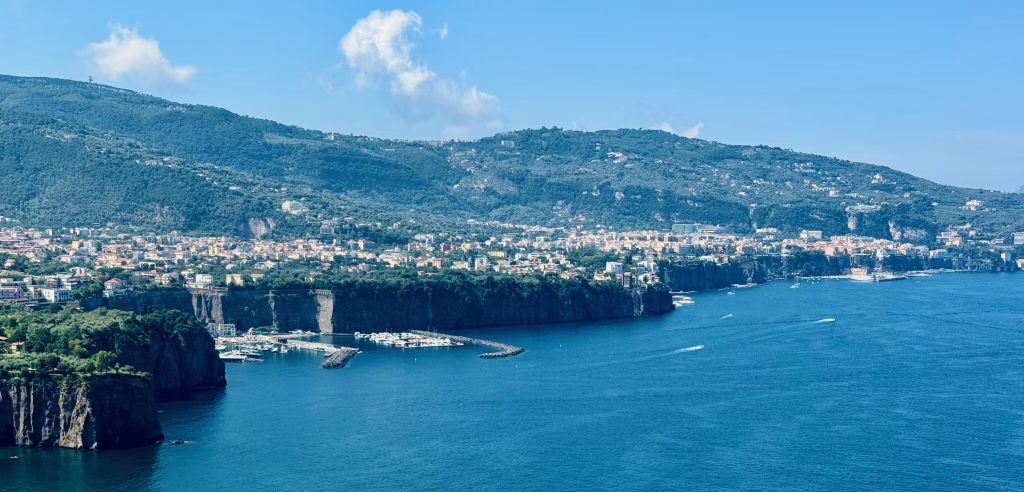
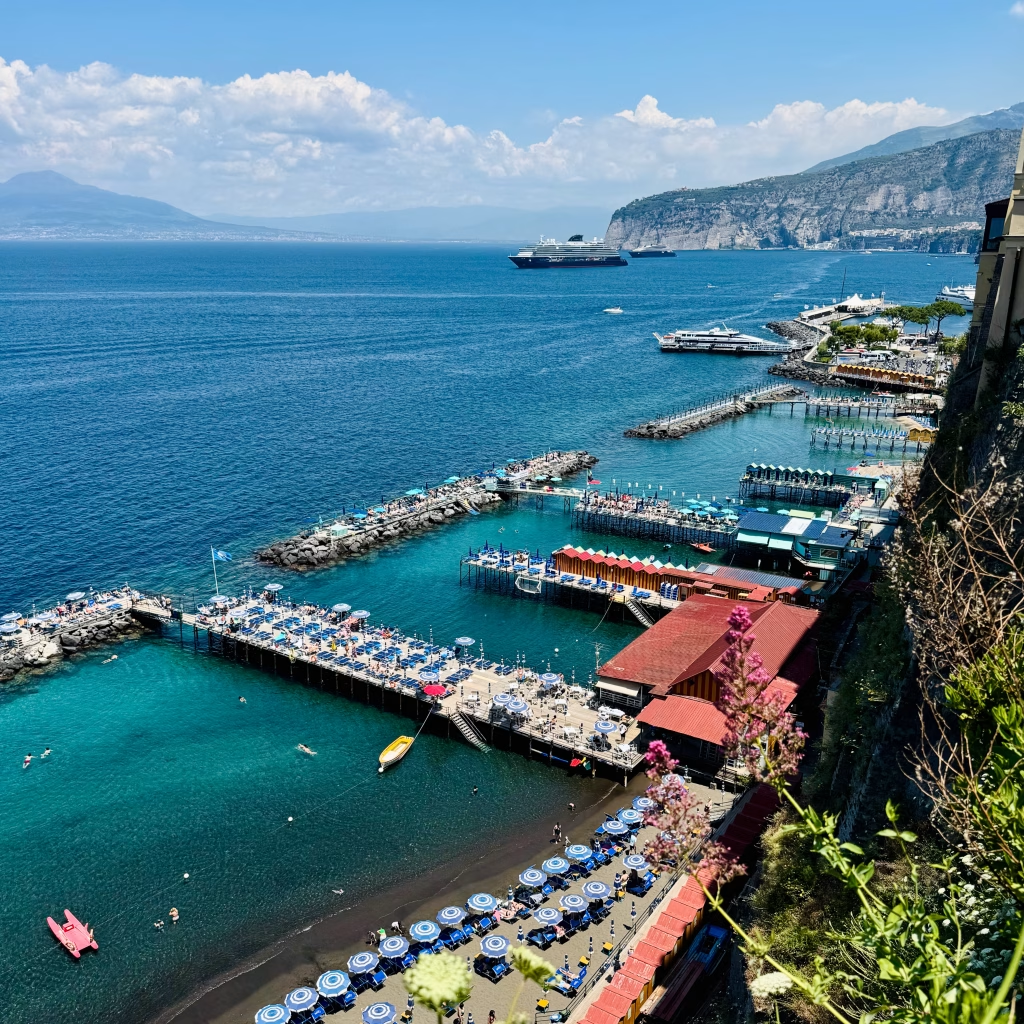
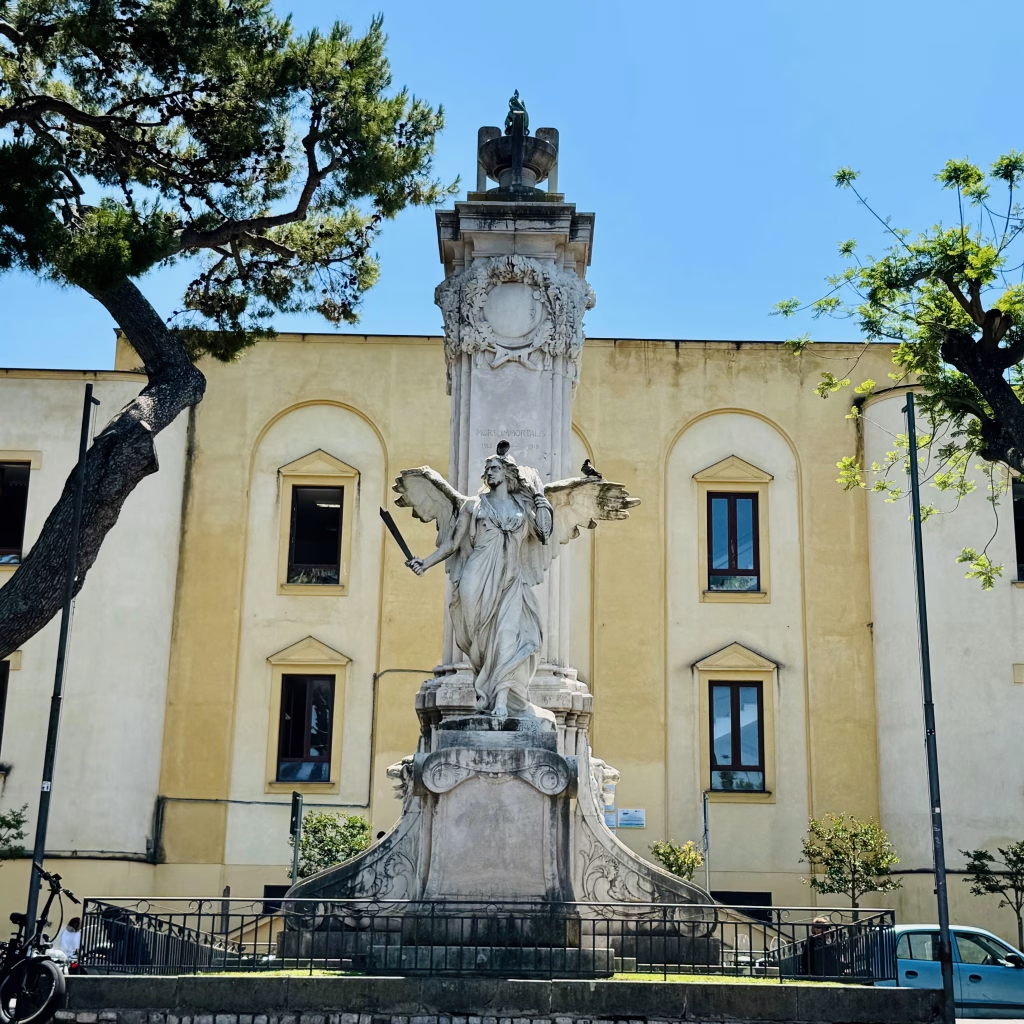
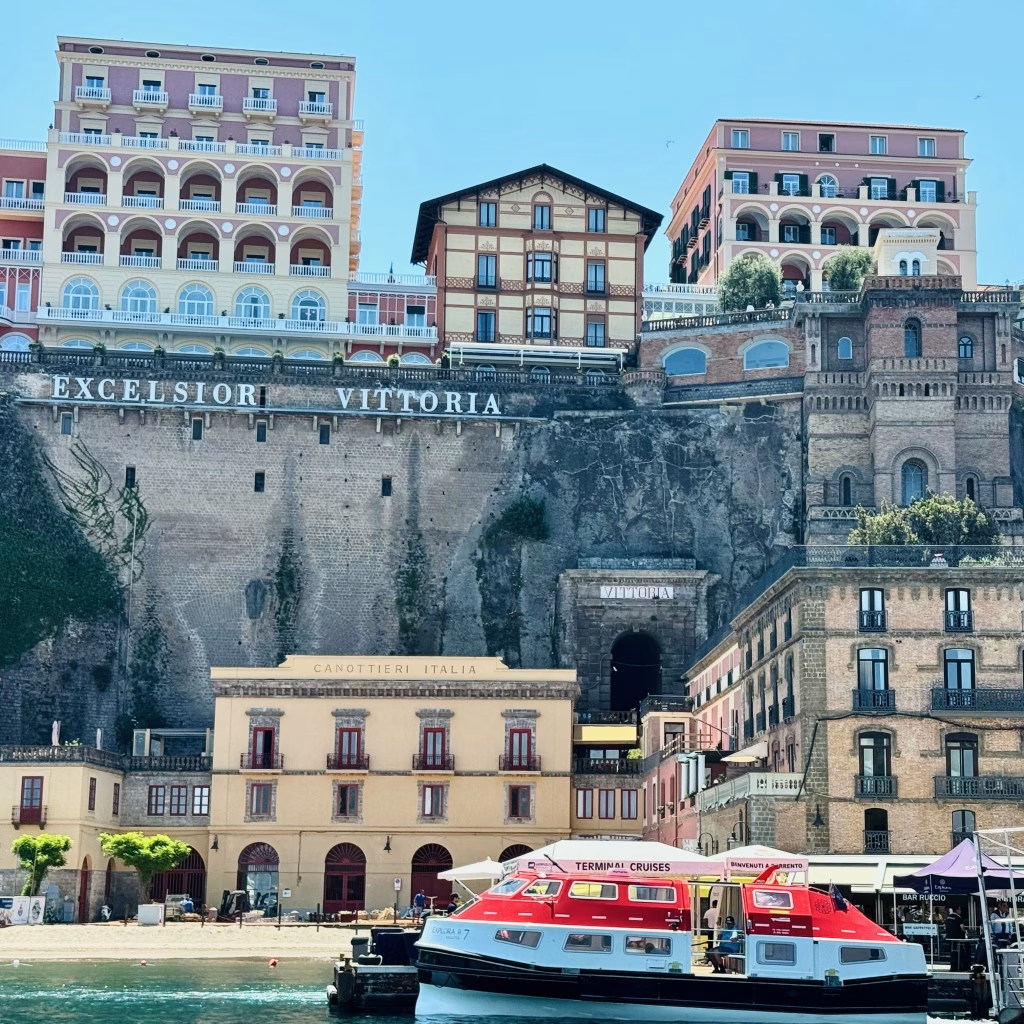
Sorrento is a charming coastal town perched on cliffs overlooking the Bay of Naples in southern Italy. Known for its lemon groves, sea views, and relaxed vibe, Sorrento is a popular base for exploring the Amalfi Coast, Capri, and Pompeii. Its historic center is filled with narrow lanes, local shops, and welcoming cafés.
Pompeii
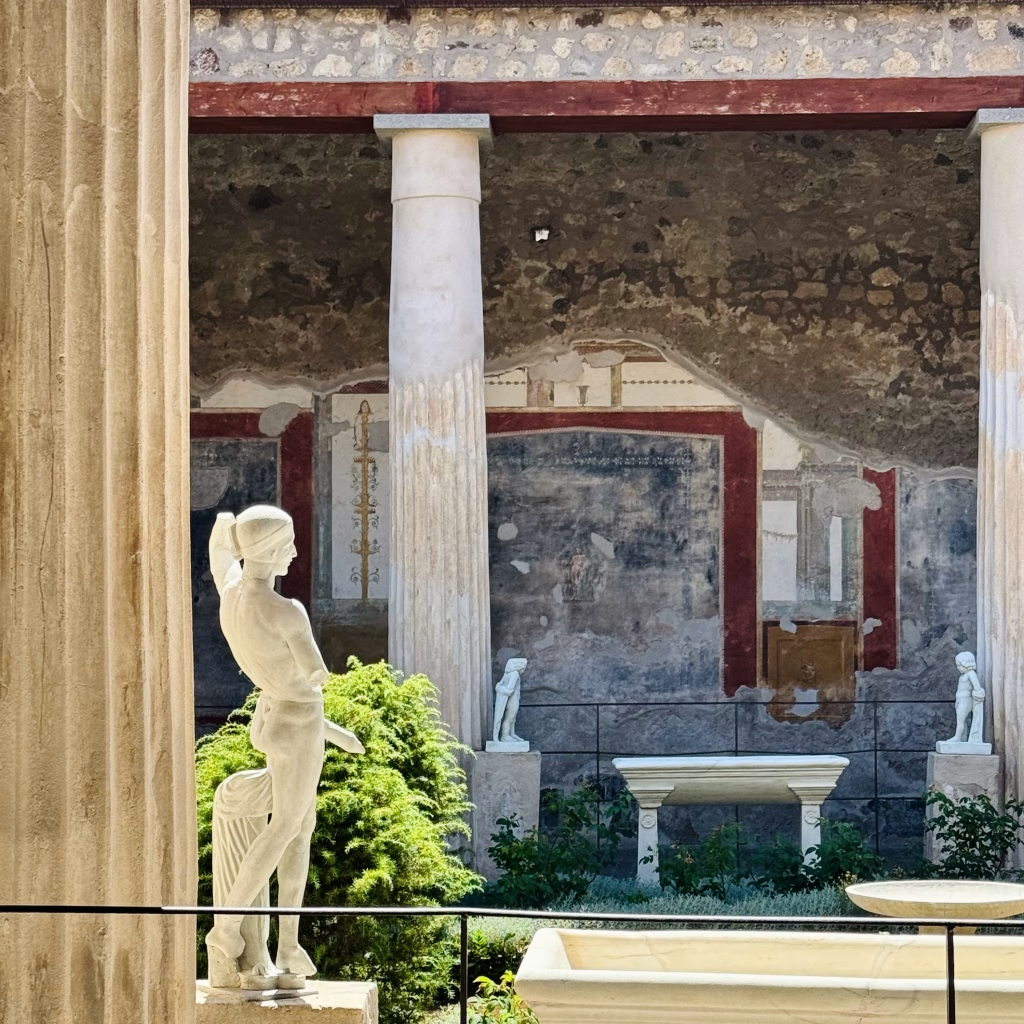
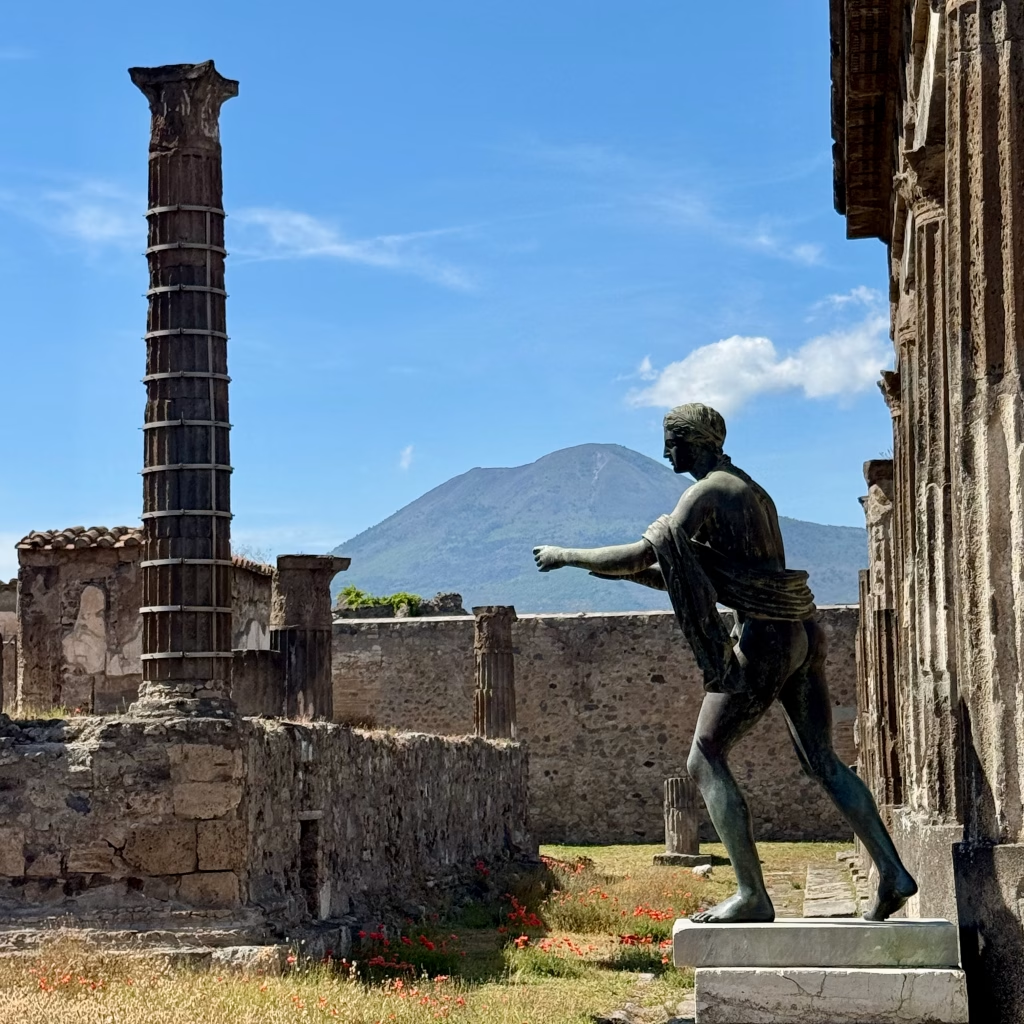
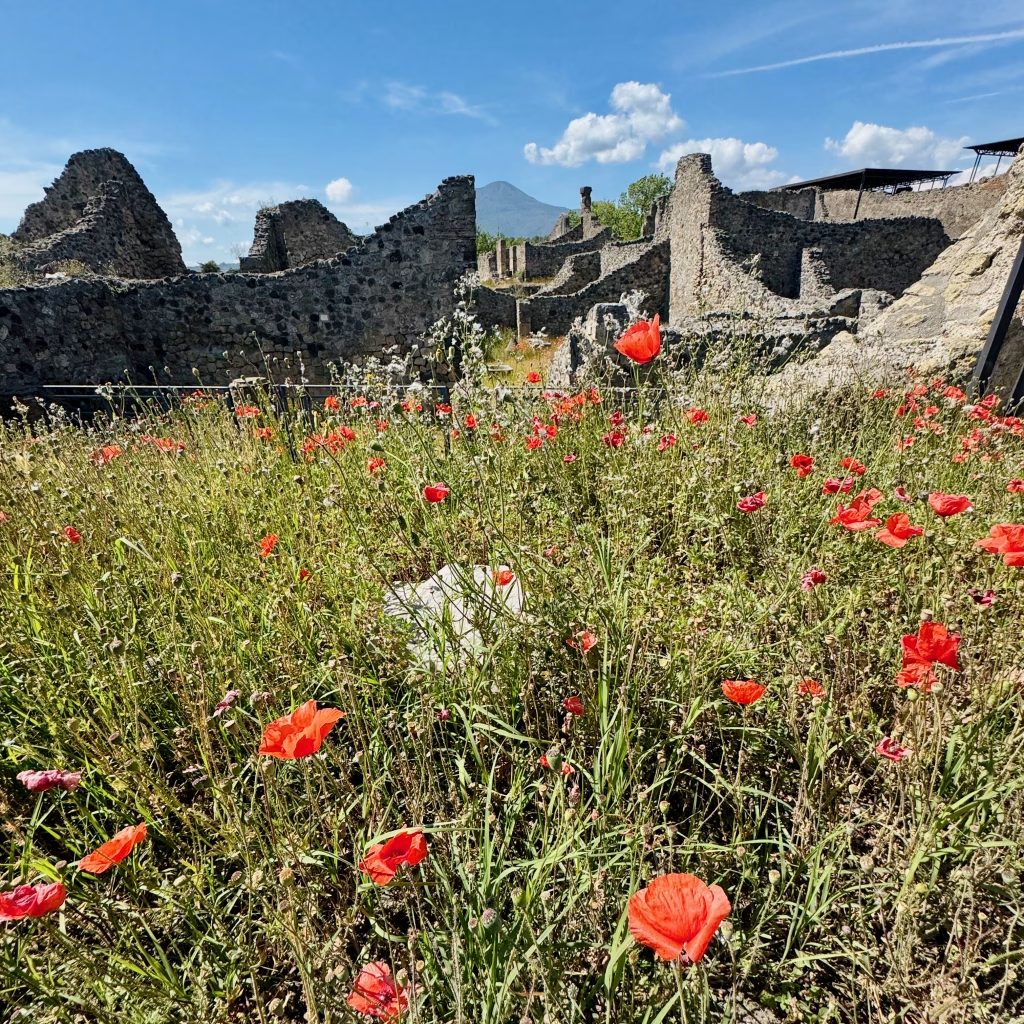
Sorrento is a popular base for visiting Capri and Pompeii. Pompeii is an ancient Roman city that was buried under volcanic ash and pumice when Mount Vesuvius erupted in 79 AD. Preserved for centuries beneath the debris, the site offers a glimpse into everyday life in a Roman town. Walking through Pompeii, visitors can explore its streets, amphitheater, temples, and villas, seeing details frozen in time—from graffiti on walls to cast molds of the victims.
The entrance fee to Pompeii is 18 euro in 2025 for an adult. Tickets can be purchased online through the official site or at the entrance. Advance booking is recommended, especially in high season. Based on my experience, joining a tour led by an archeologist is more enjoyable and informative.
Positano
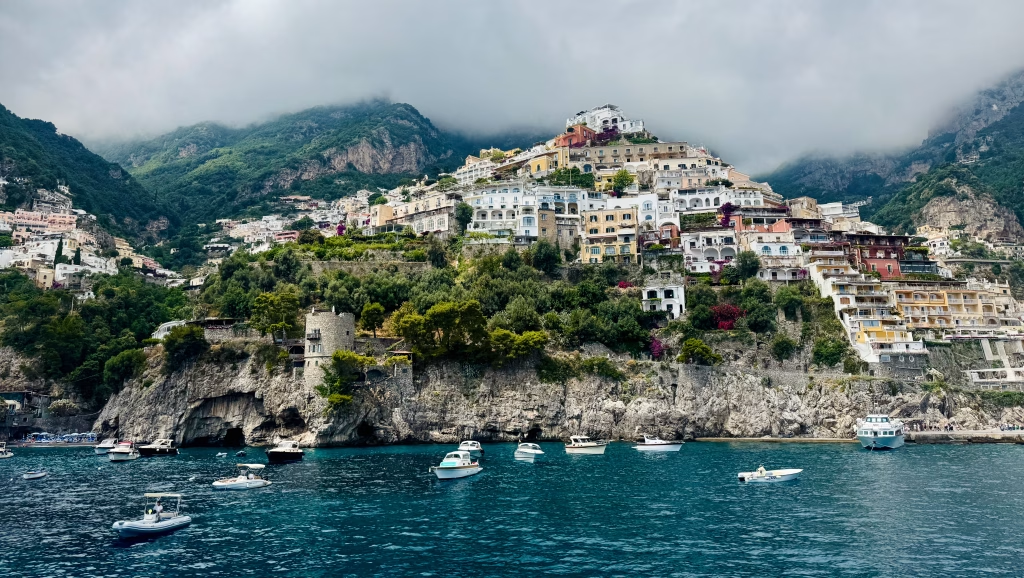
Positano is the most photogenic town on the Amalfi Coast. It is known for its cascading pastel-colored houses, winding staircases, and panoramic sea views. Chic boutiques, cafes, and art galleries line the paths.
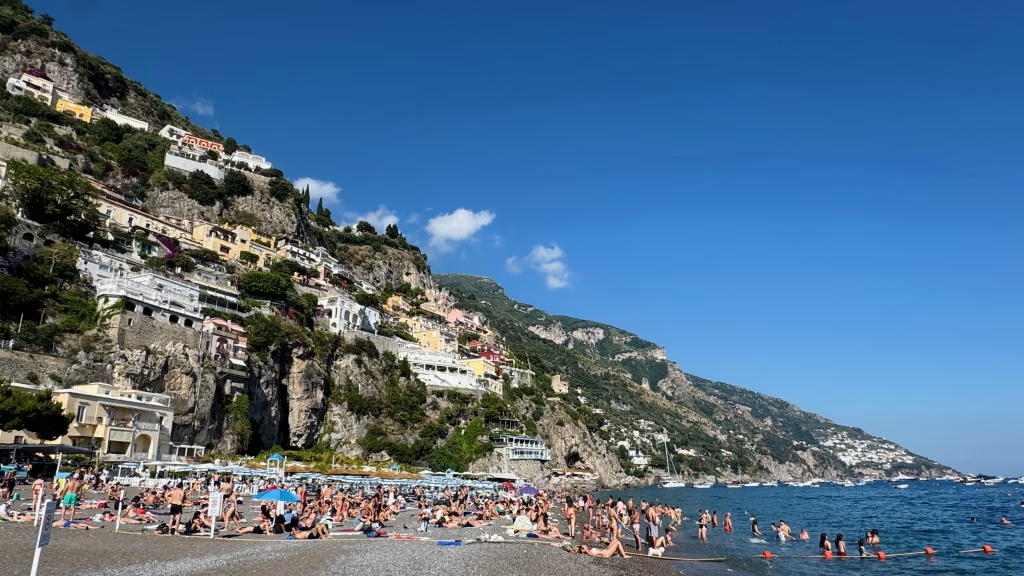
The town’s main beach, Spiaggia Grande, is the perfect spot to relax, take in the views, or enjoy a boat ride along the coast.
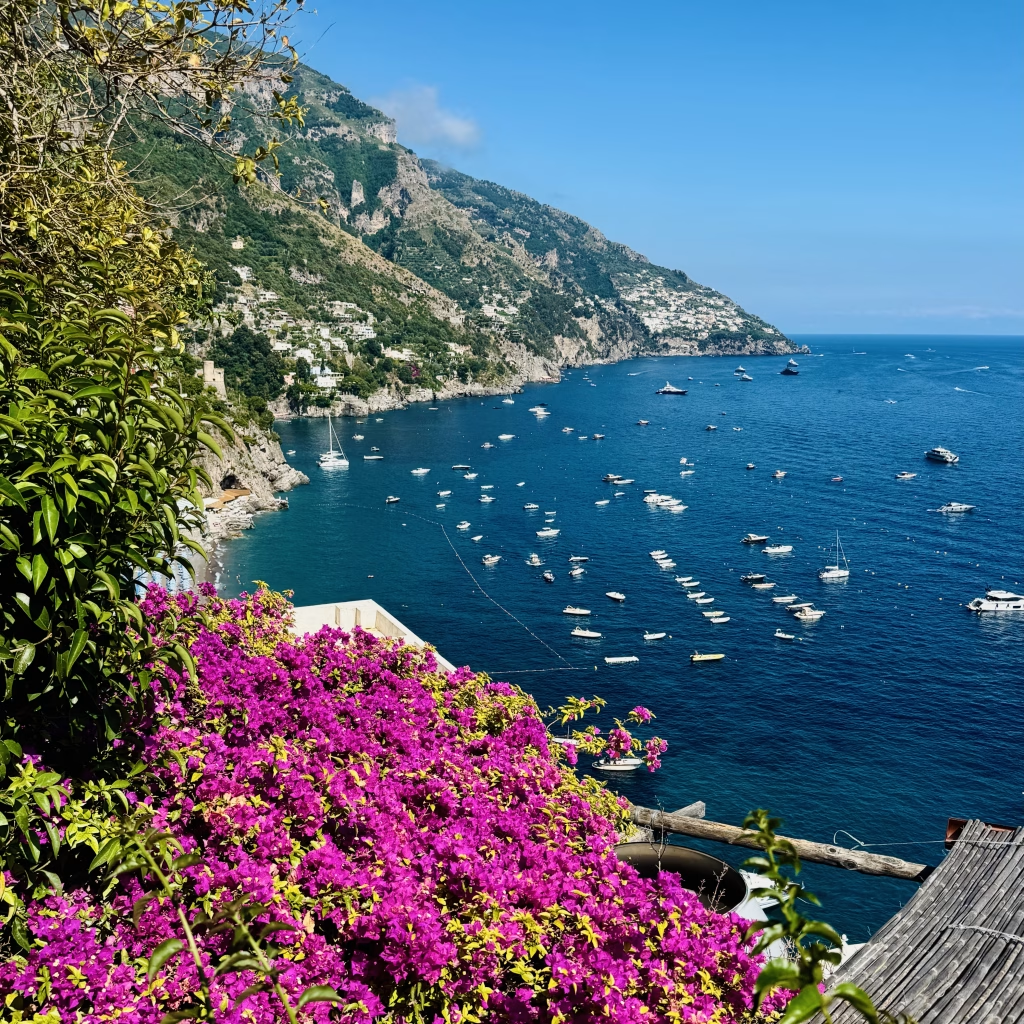
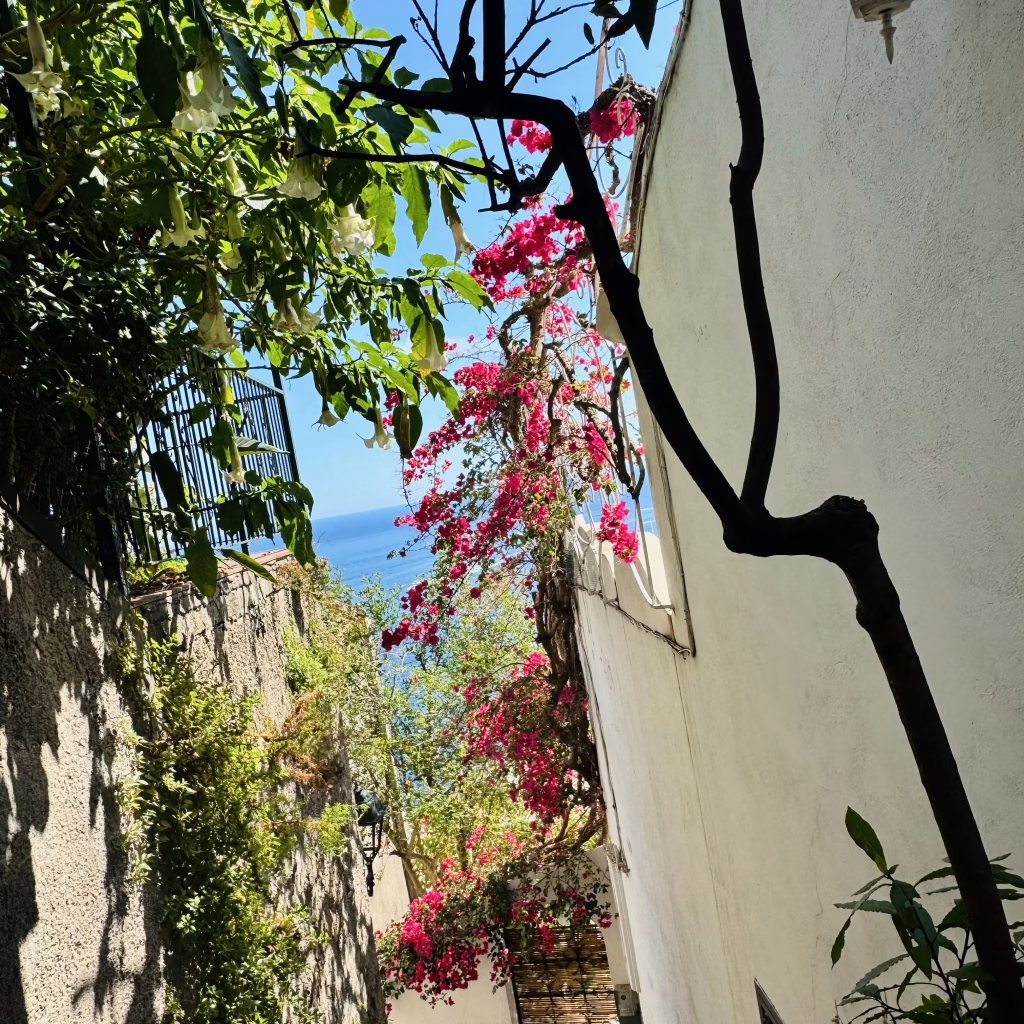
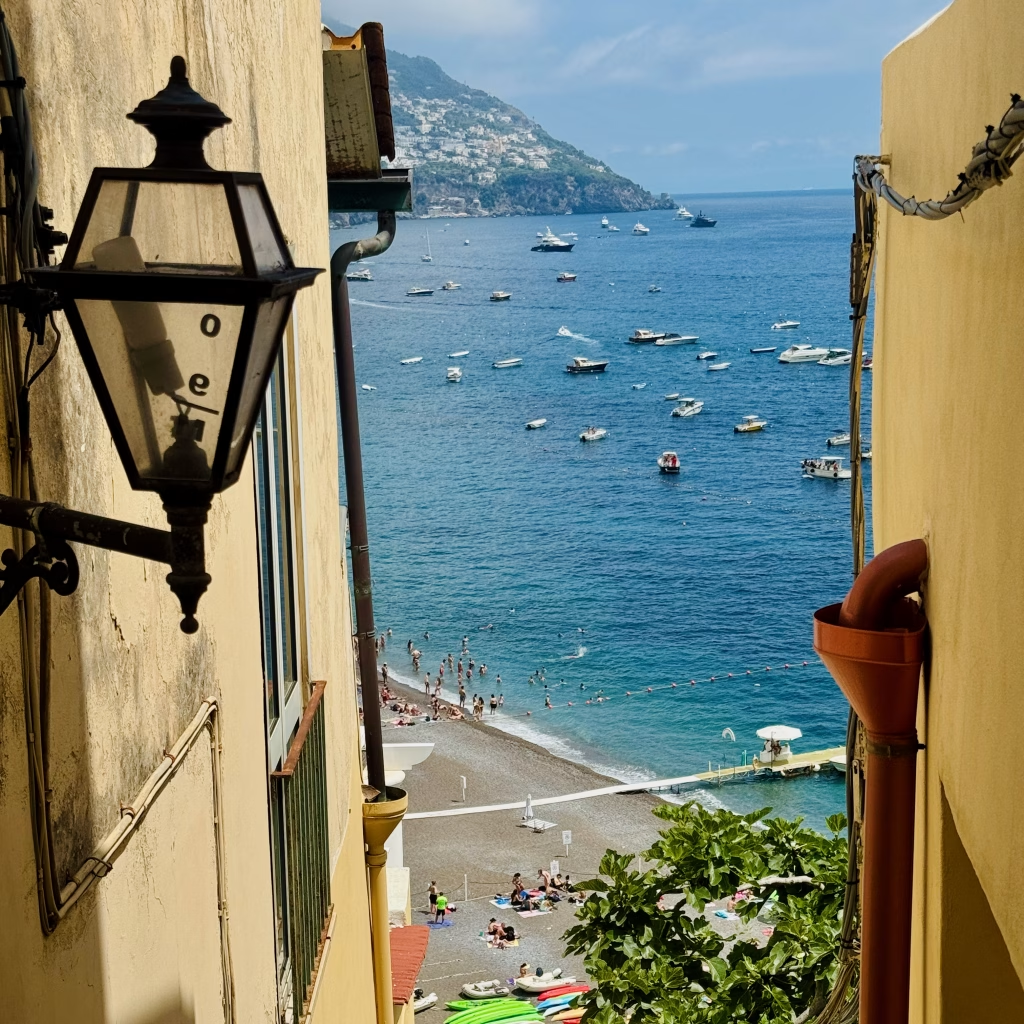
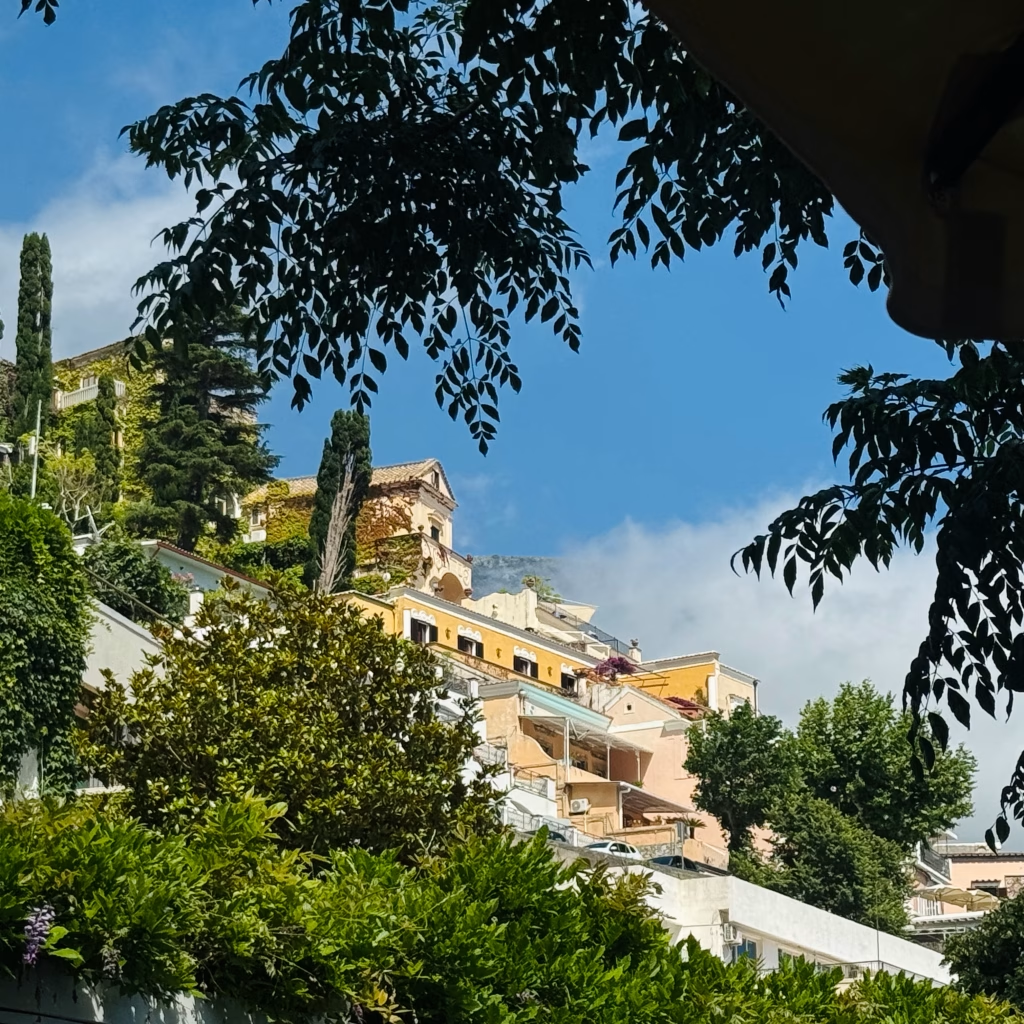
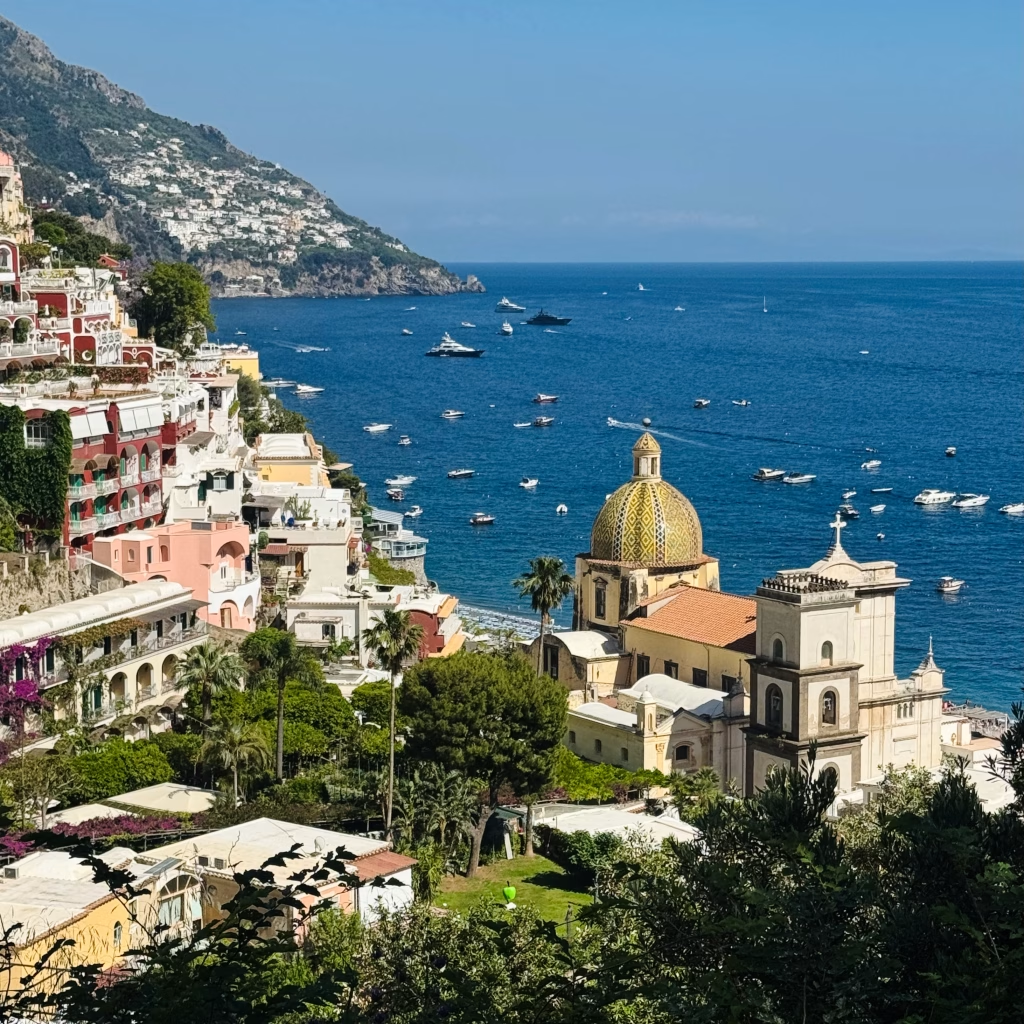
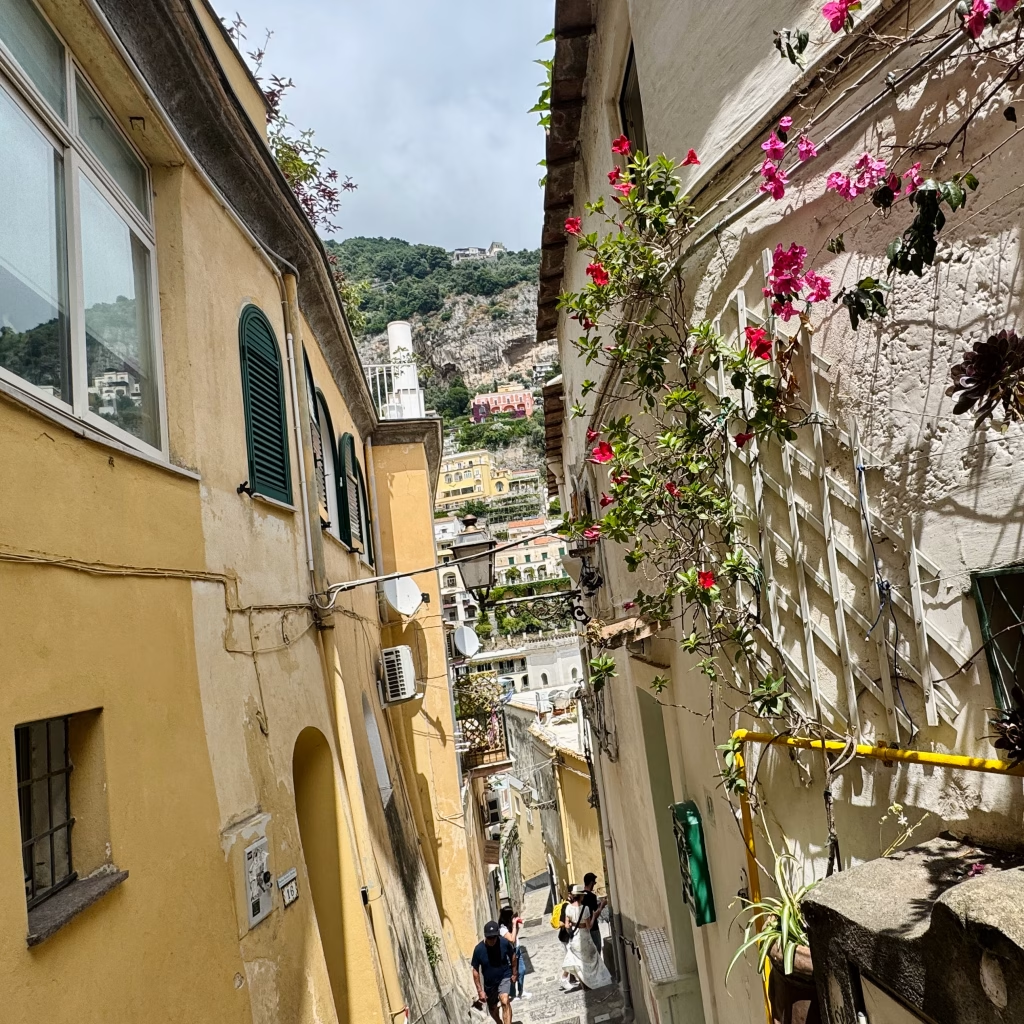
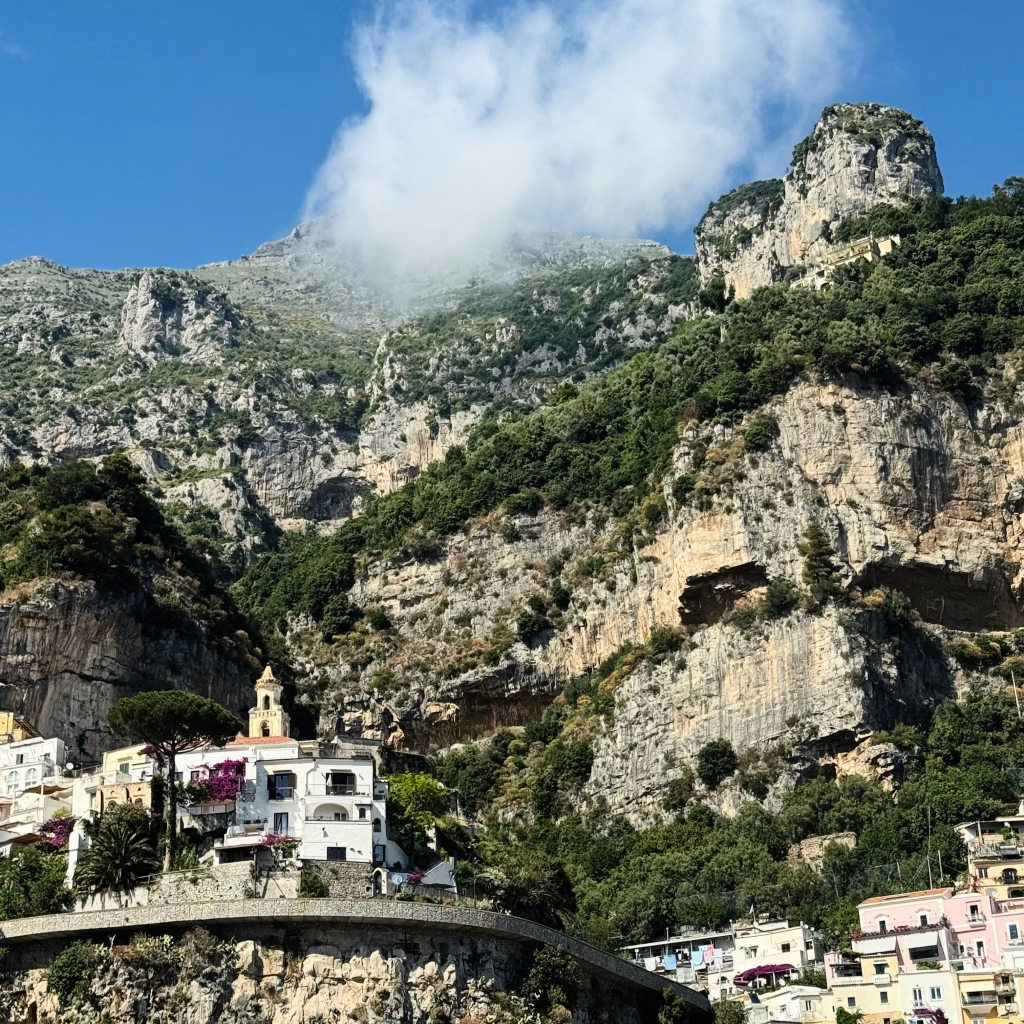
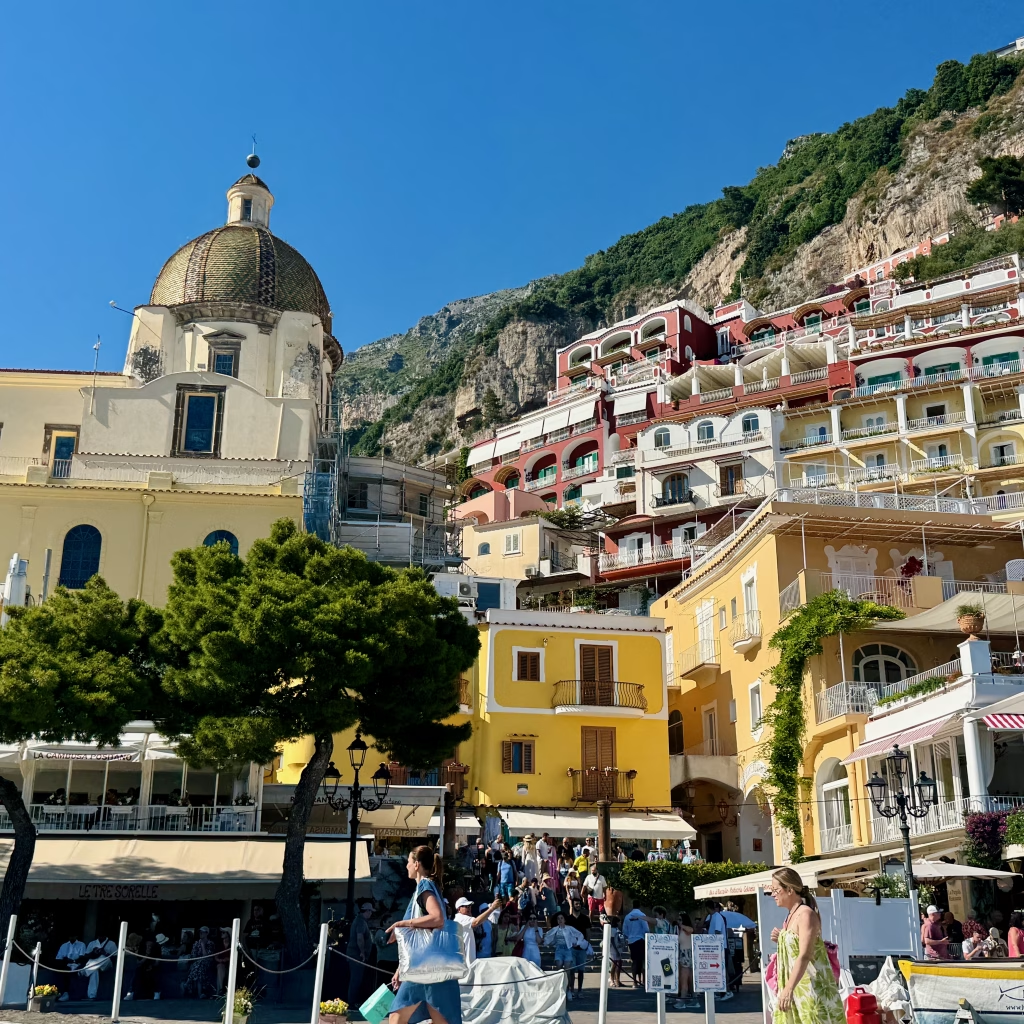
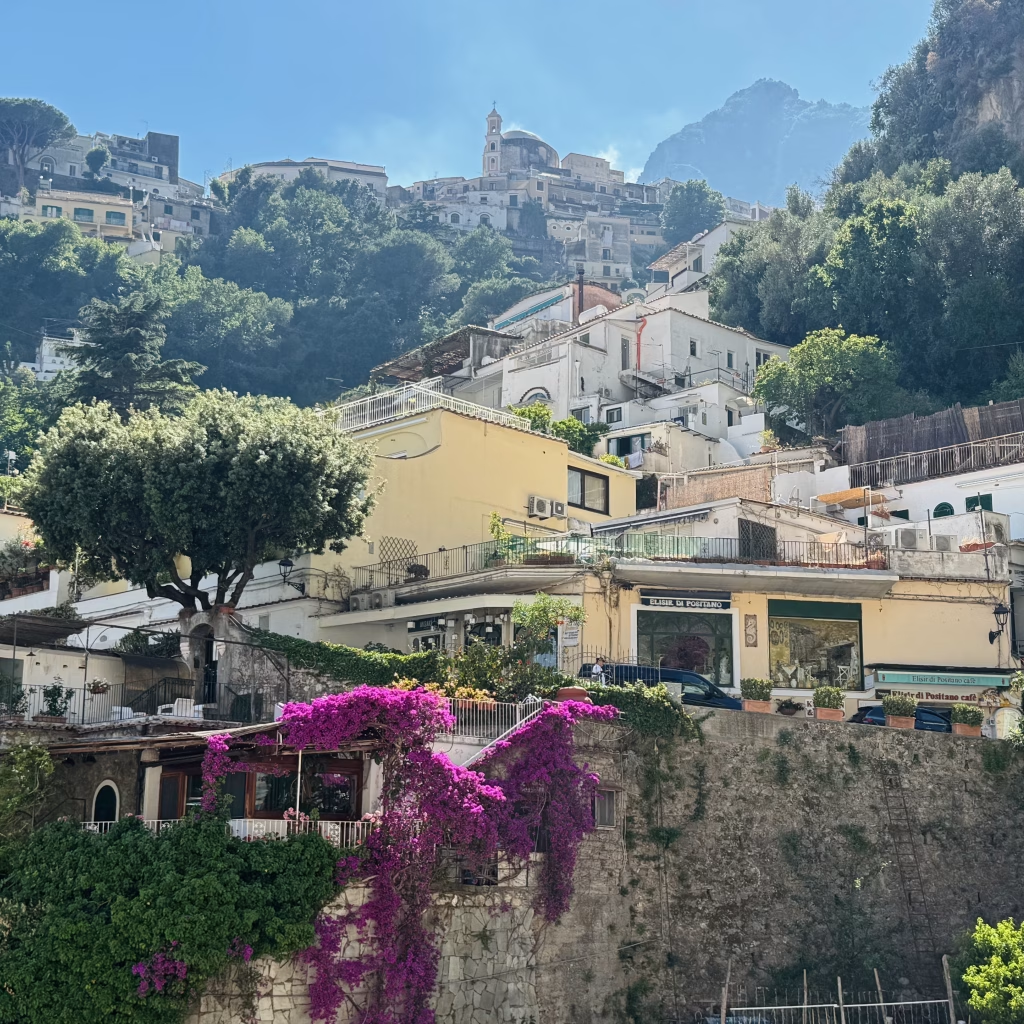
Despite its popularity, Positano retains a laid-back charm. You can spend hours wandering the alleyways, sipping Aperol spritz with sea views, or hiking up the Path of the Gods (Sentiero degli Dei) for breathtaking panoramas. Dining options are plentiful, from simple beachside spots to elegant terraces by cliff with candlelit dinners.
Amalfi
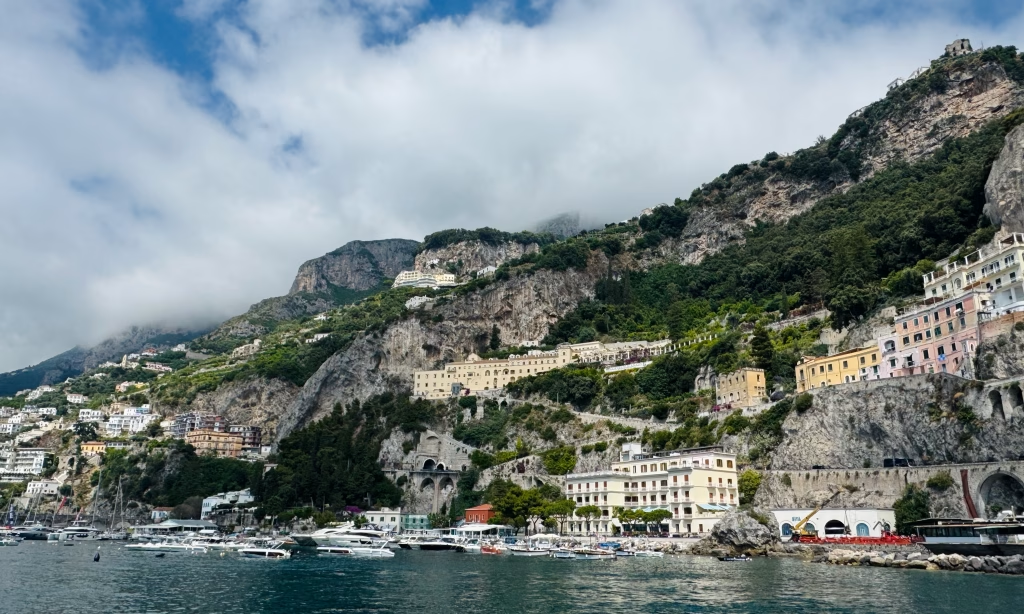
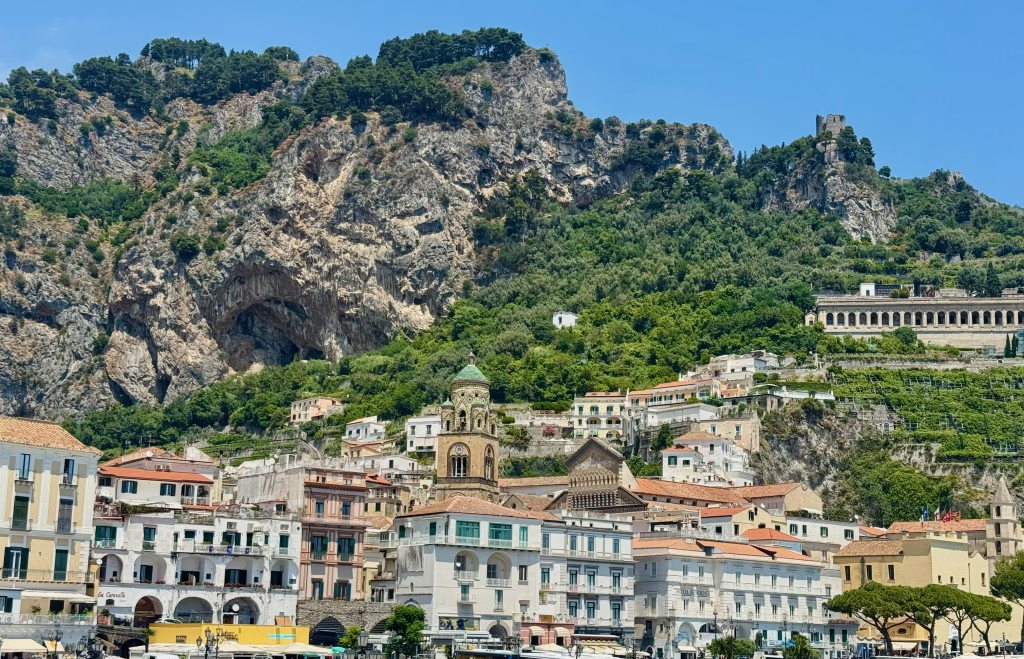
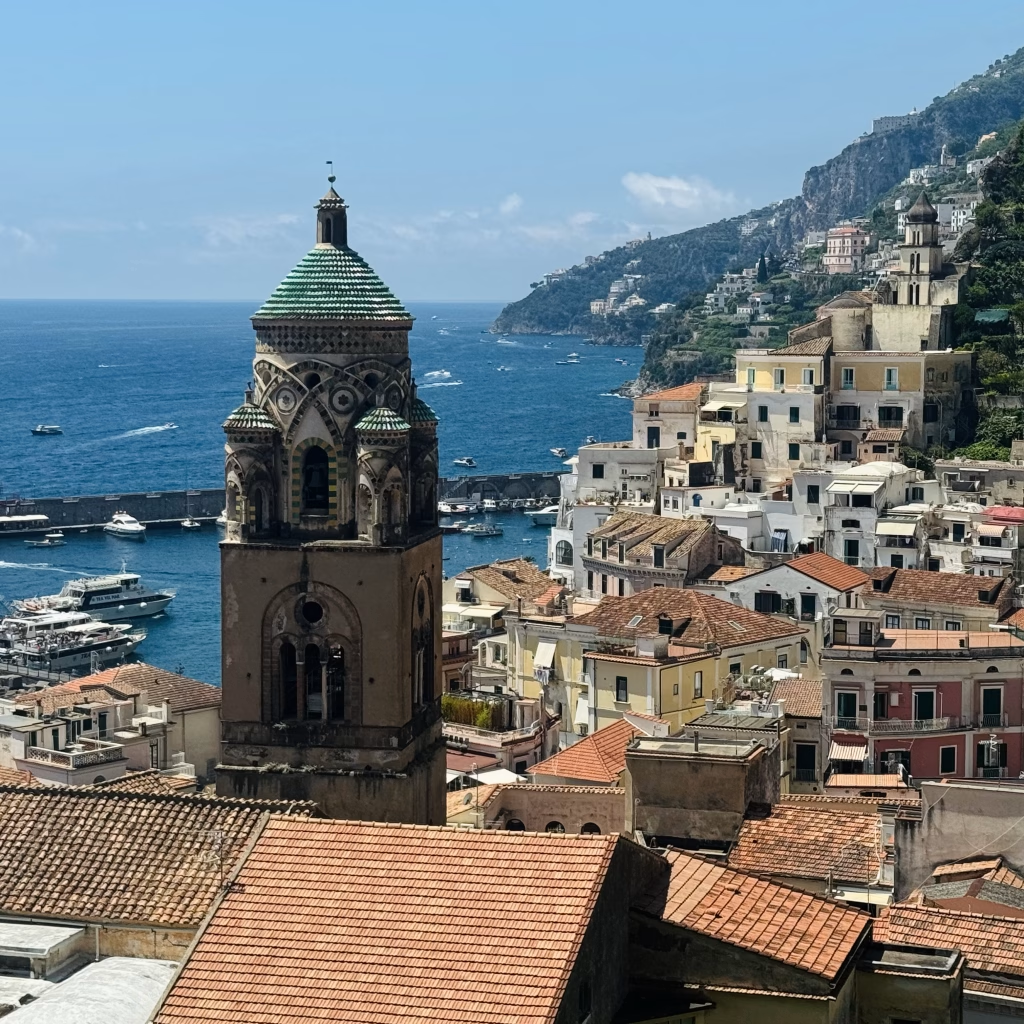
Nestled between dramatic cliffs and the shimmering Tyrrhenian Sea, Amalfi is a historic jewel of southern Italy’s coastline. Once a powerful maritime republic during the Middle Ages, Amalfi gives the Amalfi Coast its name. Today, it charms visitors with its dramatic cliffs, whitewashed buildings, and vibrant piazzas.
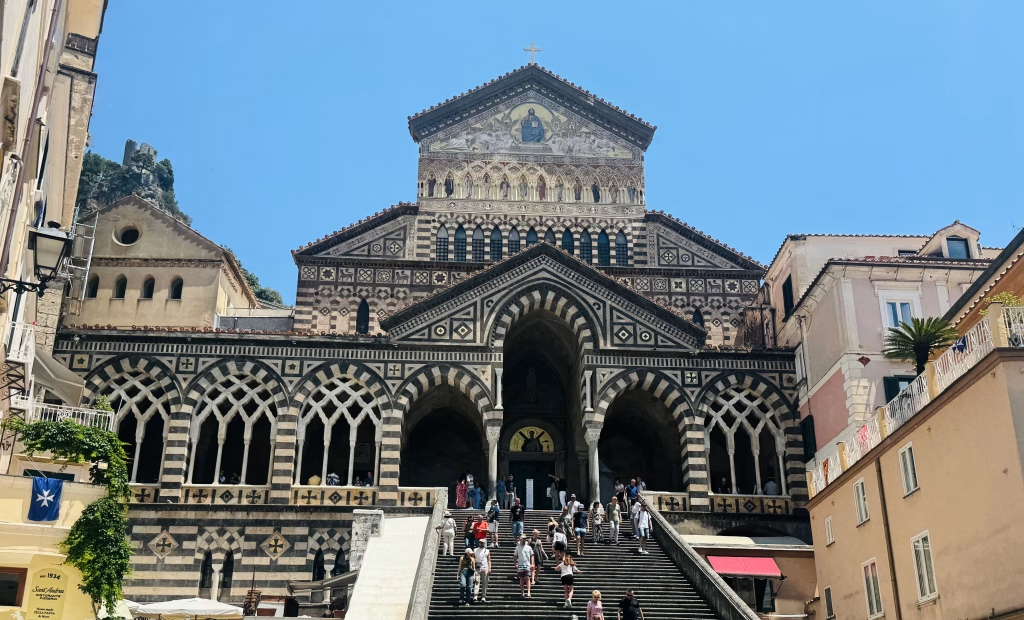
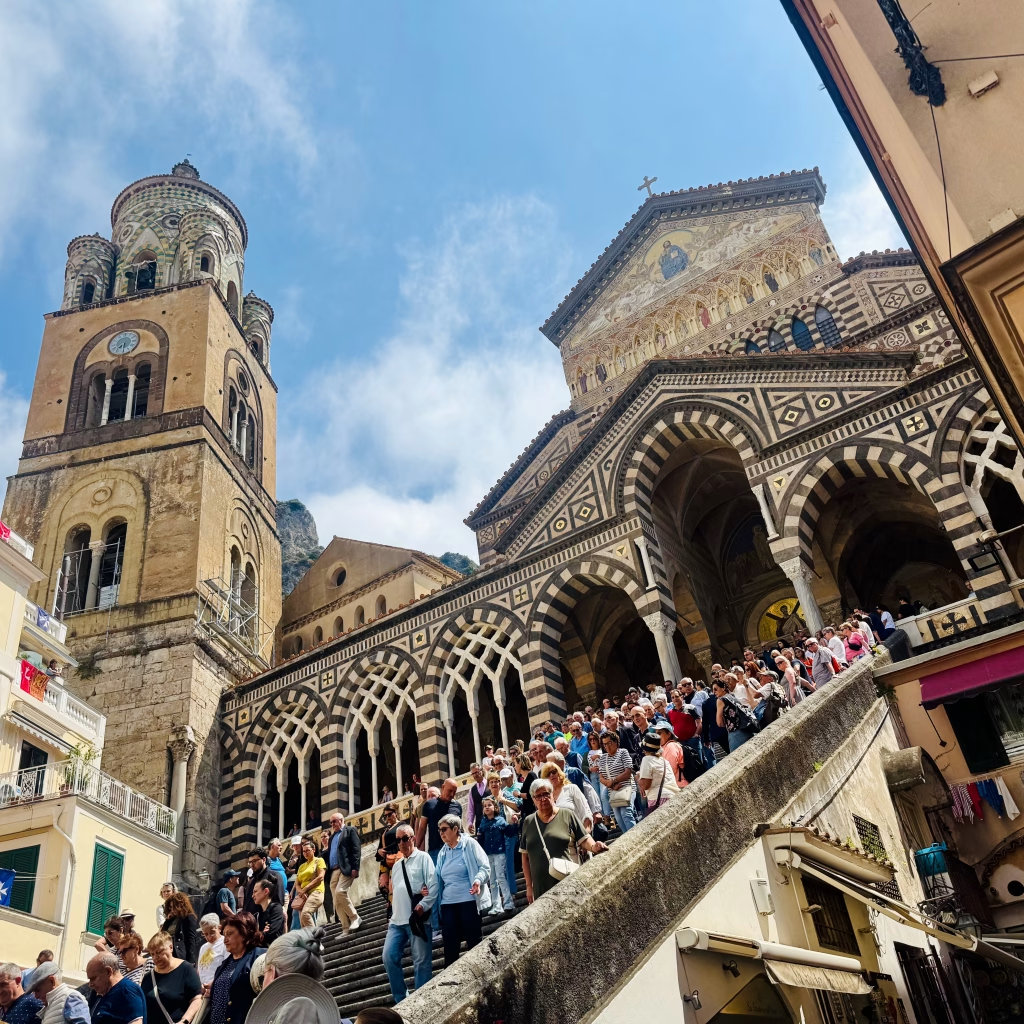
The Amalfi Cathedral, or Duomo di Amalfi, sitting atop a grand staircase, is the town’s most iconic landmark. It blends Romanesque, Byzantine, and Arab-Norman styles, with its striking striped façade, and the Chiostro del Paradiso, a peaceful cloister adorned with Moorish arches. Inside, the cathedral houses beautiful mosaics, a peaceful cloister, and the crypt of Saint Andrew, the town’s patron saint.
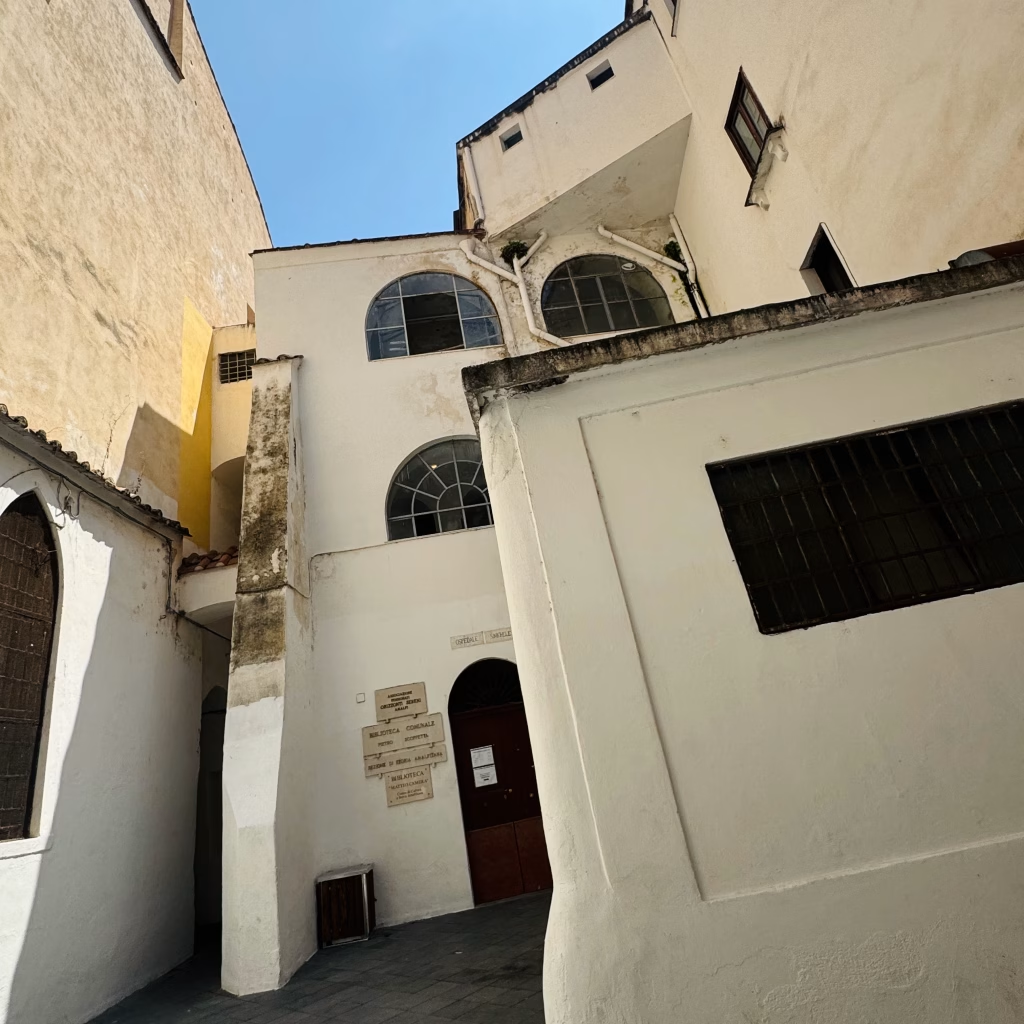
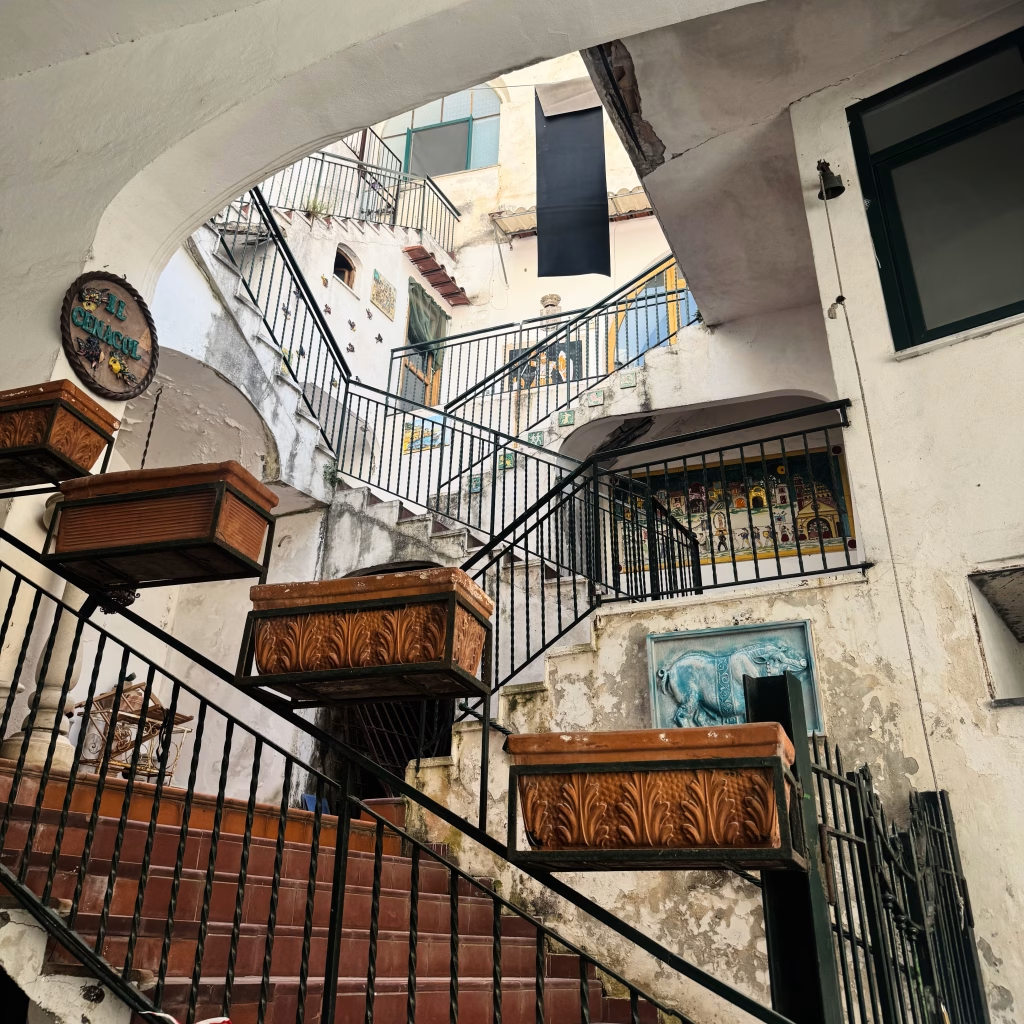
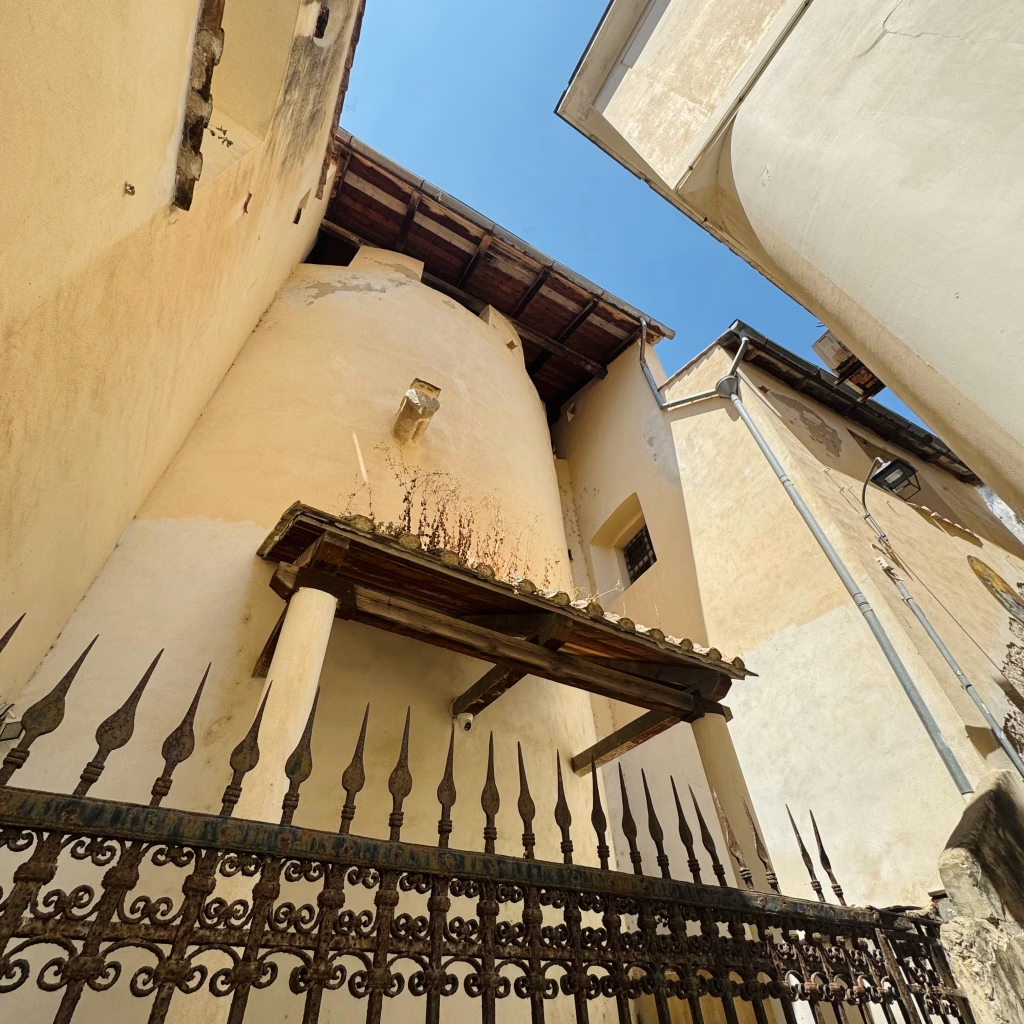
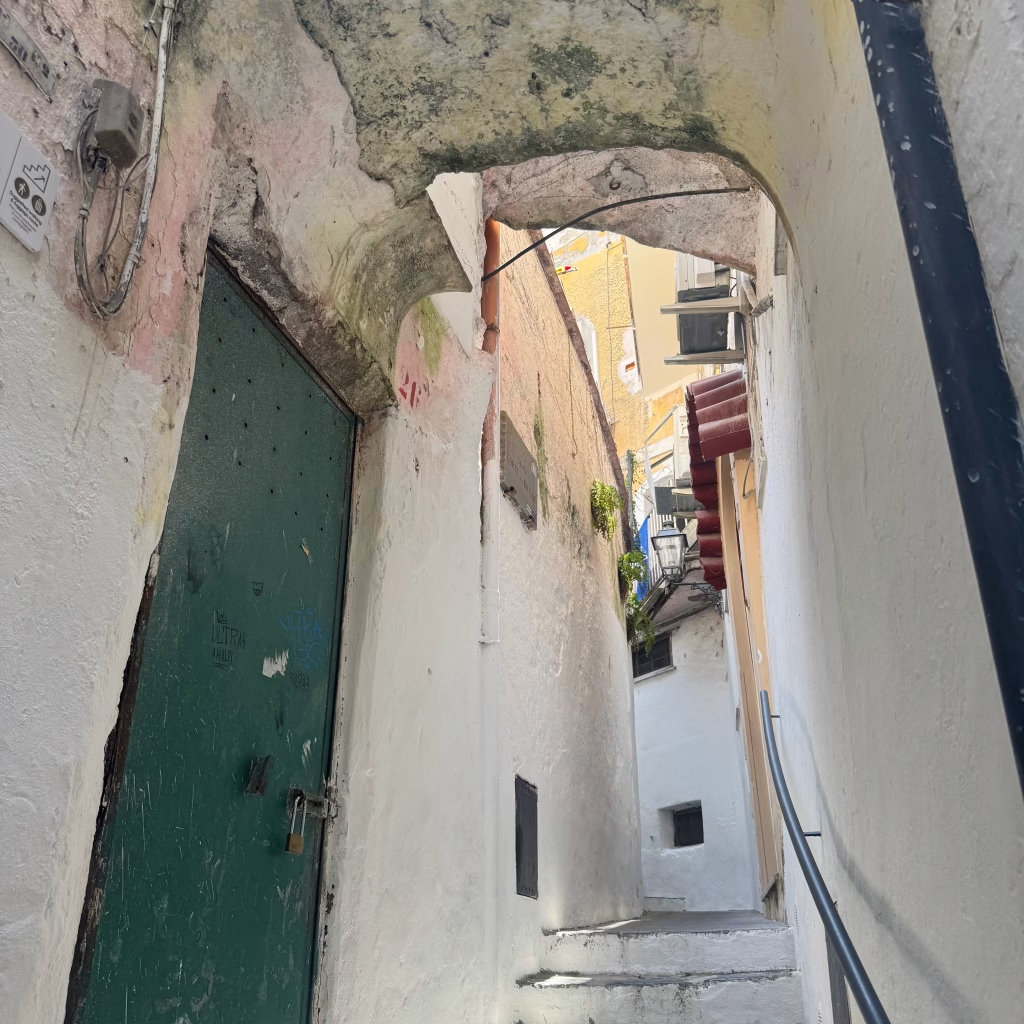
Stroll through narrow alleys filled with shops selling limoncello, ceramics, and local pastries. With its scenic waterfront, fascinating history, and relaxed pace, Amalfi offers a perfect mix of culture and coastal beauty.